Mother-of-millions (Kalanchoe Daigremontiana)
Plants have long been appreciated not only for their aesthetic value but also for their functional and health benefits. One such fascinating plant is the.
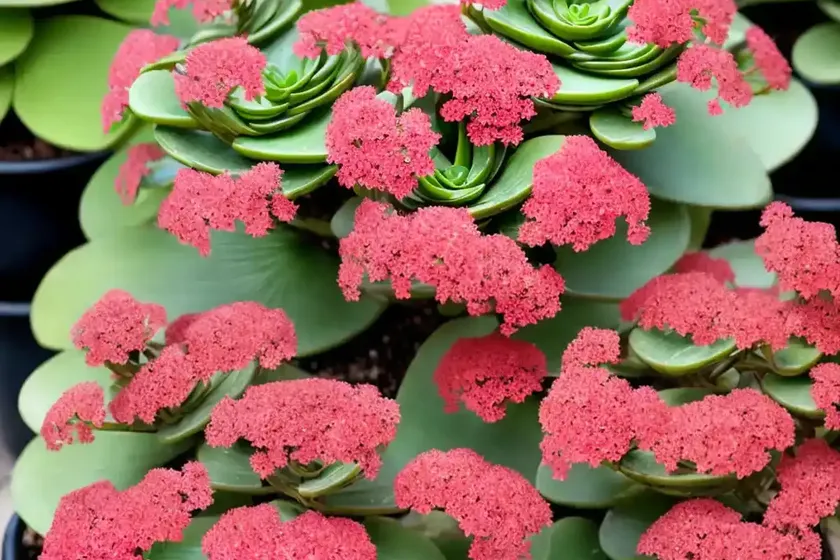
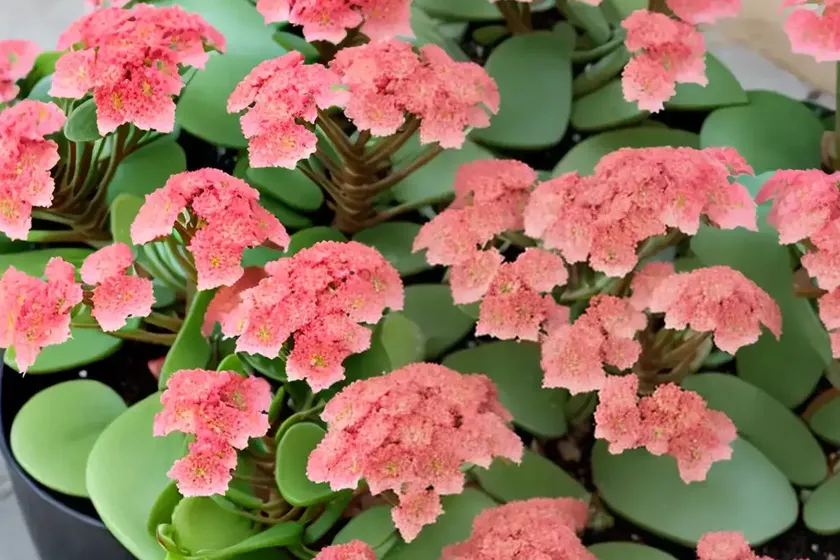
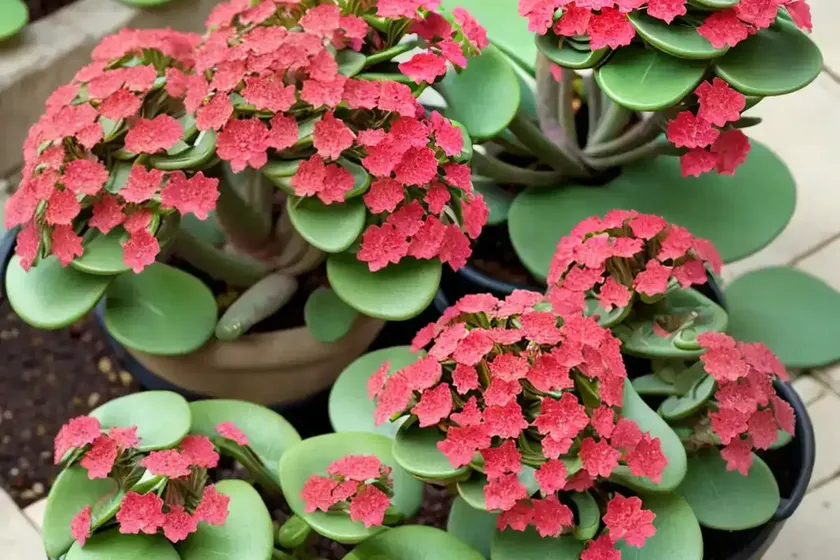
Plants have long been appreciated not only for their aesthetic value but also for their functional and health benefits. One such fascinating plant is the Mother-of-millions (Kalanchoe daigremontiana). This article delves into the various aspects of the Mother-of-millions plant, including its care, uses, cultivation, and interesting facts. Whether you are a novice gardener or an experienced plant enthusiast, this comprehensive guide will provide valuable insights into this unique plant.
What is Mother-of-millions (Kalanchoe daigremontiana)?
The Mother-of-millions, scientifically known as Kalanchoe daigremontiana, is a succulent plant species native to Madagascar. It belongs to the family Crassulaceae and is characterized by its impressive ability to propagate from its numerous plantlets, or “babies,” that grow along the edges of its leaves. This reproductive strategy gives the plant its intriguing name, as it seemingly produces millions of offspring. The distinctive appearance and propagation method make it a sought-after plant for both indoor and outdoor settings.
Key Takeaways – Mother-of-millions (Kalanchoe daigremontiana)
Before we delve into the detailed care and cultivation practices, let’s outline the key takeaways of the Mother-of-millions plant:
- Plant Name: Mother-of-millions (Kalanchoe daigremontiana)
- Family: Crassulaceae
- Native Region: Madagascar
- Distinctive Feature: Unique propagation through plantlets on leaf edges
- Uses: Ornamental plant, propagation for landscaping, indoor and outdoor cultivation
Now, let’s explore the essential aspects of caring for and cultivating the Mother-of-millions plant to ensure its optimal growth and health.
Culture
Culturally, the Mother-of-millions plant has gained popularity due to its low-maintenance nature and its striking visual appeal. Its ability to thrive in various environments makes it a versatile addition to any plant collection. Whether you are considering incorporating it into your indoor space or creating a captivating outdoor garden, understanding its cultural requirements is crucial.
Uses
The uses of the Mother-of-millions plant extend beyond its ornamental value. These include:
- Ornamental Purposes: The plant’s unique appearance and propagation method make it a desirable addition to indoor and outdoor gardens.
- Landscaping: Its ability to propagate easily makes it an excellent option for mass propagation in landscaping projects.
- Medicinal Properties: Some traditional medicine systems use parts of the plant for their purported health benefits.
Understanding the specific cultural needs of the plant is vital to realize its full potential in various usage scenarios.
Plant Care
Optimal plant care is essential for promoting the health and vigor of the Mother-of-millions plant. This section provides comprehensive insights into the critical aspects of caring for this unique succulent.
Water
Proper watering is crucial for the well-being of Kalanchoe daigremontiana. As a succulent, it is adapted to store water in its leaves, enabling it to withstand periods of drought. However, overwatering can lead to root rot and other issues, so it’s important to follow best practices for watering.
- Watering needs: The plant thrives in well-draining soil and should be watered thoroughly but infrequently. Allow the soil to dry out between waterings to prevent waterlogged conditions.
Sunlight
Adequate sunlight is essential for the Mother-of-millions plant to thrive and display its characteristic growth patterns. Its sunlight requirements are as follows:
- Sunlight requirements: The plant prefers bright, indirect light. It can also tolerate partial shade, making it suitable for indoor environments with sufficient natural light.
Fertilizer
While the Mother-of-millions plant is relatively low-maintenance, providing it with the right nutrients can enhance its growth and overall health.
- Fertilizing schedule: During the active growing season, a balanced, water-soluble fertilizer can be applied monthly to support healthy growth. However, it is important to avoid over-fertilization, as this can lead to issues such as salt buildup in the soil.
Soil
The choice of soil significantly impacts the plant’s overall health and growth. A well-draining and nutrient-rich soil mixture is crucial for the Mother-of-millions plant.
- Best soil: A well-draining succulent or cactus potting mix is recommended. Additionally, adding perlite or sand can improve soil drainage and aeration.
Pruning
Pruning is essential for maintaining the plant’s shape, controlling its size, and promoting new growth. Due to the Mother-of-millions plant’s unique propagation method, pruning also impacts its propagation potential.
- Pruning guidelines: To maintain the desired size and shape, prune the plant as needed, removing any leggy or overgrown stems. Additionally, the plantlets produced along the leaf margins can be removed for propagation purposes.
Propagation
The distinctive feature of the Mother-of-millions plant lies in its remarkable ability to propagate from its plantlets. Understanding how to propagate the plant effectively is key to expanding its presence in your garden or collection.
- Leaf propagation: The plantlets that form along the leaf margins can be carefully removed and planted in a separate container to produce new plants.
- Division: Division of the plant clumps can also be used to propagate the Mother-of-millions plant.
Container Popularity
The Mother-of-millions plant’s adaptability makes it well-suited for various types of containers, adding to its popularity in both indoor and outdoor settings.
- Suitable containers: Terracotta pots, ceramic planters, and hanging baskets are popular container choices for growing Kalanchoe daigremontiana.
- Container gardening: The plant’s ability to thrive in containers makes it an excellent option for small-space gardening and indoor cultivation.
Common Diseases
While the Mother-of-millions plant is typically resilient, it is important to be aware of potential diseases that can affect its health.
Disease Diagnosis
Some common diseases that may affect Kalanchoe daigremontiana include:
- Root rot: Overwatering or poorly draining soil can lead to root rot, which can manifest as yellowing or wilting of the plant.
- Powdery mildew: This fungal disease can occur in humid conditions and may appear as a powdery white substance on the plant’s leaves.
Understanding the symptoms and preventive measures for these diseases is crucial for maintaining the plant’s health.
Common Pests
While generally resistant to pests, the Mother-of-millions plant can occasionally encounter pest issues that need to be addressed promptly.
- Common pests: Mealybugs, aphids, and spider mites are potential pests that may affect the plant.
- Natural insect repellent: Some natural remedies can be effective in repelling pests while minimizing the use of chemical insecticides.
Botanist’s Tips
Insights from botanists and plant experts can offer valuable guidance for cultivating and caring for the Mother-of-millions plant.
- Succulent care: The plant’s succulent nature means it is adapted to store water in its leaves, allowing it to withstand periods of drought. As such, it is important to avoid overwatering and provide well-draining soil.
Fun Facts
Aside from its unique propagation method, the Mother-of-millions plant boasts several intriguing characteristics and uses.
- The plant’s ability to produce numerous plantlets gives it the appearance of being laden with miniature plantlets, contributing to its intriguing visual appeal.
- Some traditional medicine systems utilize certain parts of the plant for their purported health benefits.
Links to External Resources
For more in-depth information on the Mother-of-millions plant, the following resources are recommended:
In conclusion, the Mother-of-millions (Kalanchoe daigremontiana) plant is a captivating addition to any plant collection, offering both visual appeal and unique propagation characteristics. By understanding its cultural needs and implementing appropriate care practices, enthusiasts can enjoy the beauty and resilience of this remarkable succulent.