Moses In The Cradle (Tradescantia Spathacea)
As a plant scientist, I am delighted to delve into the enchanting world of Tradescantia spathacea, commonly known as Moses in the Cradle. This captivating.
As a plant scientist, I am delighted to delve into the enchanting world of Tradescantia spathacea, commonly known as Moses in the Cradle. This captivating plant boasts vibrant foliage and is a delightful addition to any indoor or outdoor space. In this comprehensive guide, we will explore the key aspects of caring for Moses in the Cradle, from its cultural requirements to common diseases and pests. Whether you are a seasoned horticulturist or a beginner plant enthusiast, this guide promises to provide valuable insights into the world of Tradescantia spathacea. Let’s embark on this journey to unlock the secrets of this remarkable plant!
What is Moses in the Cradle (Tradescantia spathacea)?
Moses in the Cradle, scientifically known as Tradescantia spathacea, is a species of herbaceous perennial plant belonging to the Commelinaceae family. This striking plant is native to Belize, Guatemala, and the southern regions of Mexico. With its distinctive foliage and ease of care, Moses in the Cradle has gained widespread popularity as a favorite choice for both indoor and outdoor plant enthusiasts.
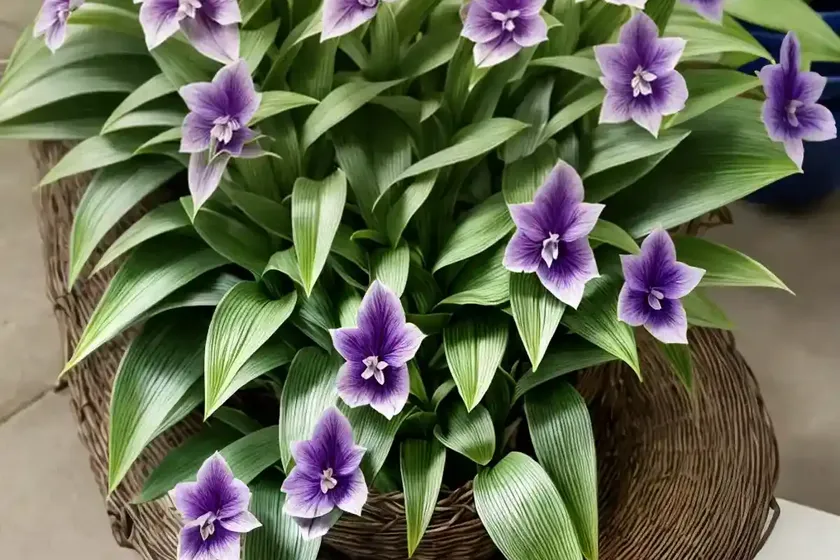
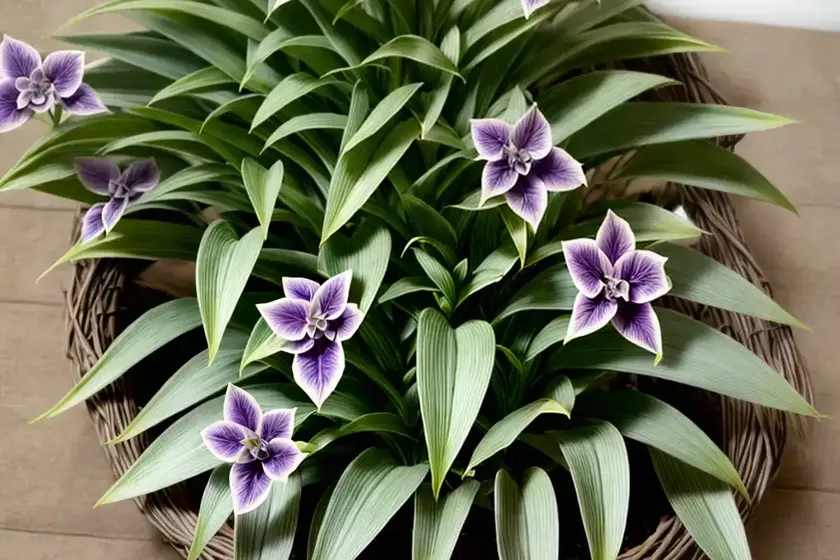
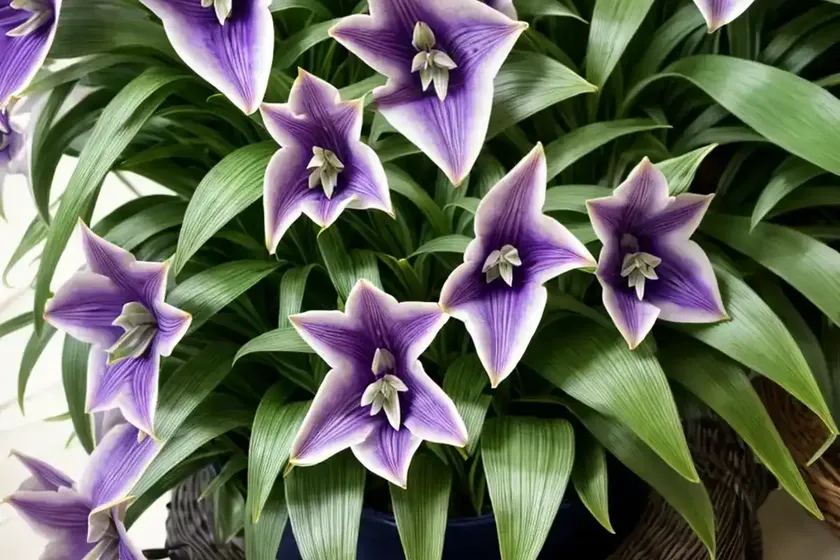
The plant derives its common name, Moses in the Cradle, from the unique boat-shaped bracts that envelop the small white flowers, which bear a resemblance to the biblical story of baby Moses being cradled in a boat. The leaves of Tradescantia spathacea are glossy, ovate, and feature bold stripes of vibrant green, purple, and silver.
Key Takeaways – Moses in the Cradle (Tradescantia spathacea)
Before delving into the specific care requirements and aspects of Tradescantia spathacea, let’s take a moment to highlight the key takeaways associated with this captivating plant:
- Botanical Name: Tradescantia spathacea
- Common Name: Moses in the Cradle
- Family: Commelinaceae
- Native Habitat: Belize, Guatemala, and southern Mexico
- Foliage: Glossy ovate leaves with vibrant green, purple, and silver stripes
- Distinctive Feature: Boat-shaped bracts containing small white flowers
- Versatile Use: Suitable for indoor and outdoor cultivation
- Popularity: Widely favored for its ornamental appeal and low-maintenance nature
Now that we have acquainted ourselves with the fundamental characteristics of Moses in the Cradle, let’s venture into the intricate details of its care requirements and cultivation practices.
Culture
Cultivating Moses in the Cradle involves understanding its specific cultural requirements to ensure the plant thrives and flourishes. From water and sunlight preferences to soil and fertilizer needs, the cultural aspects play a pivotal role in nurturing a healthy and vibrant Tradescantia spathacea.
Uses
Moses in the Cradle holds a myriad of uses, ranging from ornamental purposes to potential health benefits. Let’s explore the diverse applications of this remarkable plant:
- Ornamental Plant: Due to its striking foliage and ease of care, Tradescantia spathacea is widely used as an ornamental plant, adding a touch of vibrancy to both indoor and outdoor spaces.
- Air Purification: Like many houseplants, Moses in the Cradle contributes to indoor air purification, enhancing the air quality and creating a healthier living environment.
- Aesthetic Appeal: The vibrant foliage of Tradescantia spathacea makes it a popular choice for decorative purposes, adding color and visual interest to various settings.
- Potential Medicinal Properties: Some traditional practices attribute medicinal properties to Moses in the Cradle, although it is essential to exercise caution and seek professional advice before utilizing any plant for medicinal uses.
- Stress Relief: Surrounding oneself with greenery and tending to plants such as Moses in the Cradle can offer a sense of tranquility and contribute to stress relief, promoting overall well-being.
Water
Efficient watering practices are crucial for the health and vitality of Moses in the Cradle. While this plant demonstrates a degree of tolerance to occasional dryness, maintaining appropriate moisture levels is essential for robust growth and vibrant foliage.
Watering Guidelines
- Frequency: Water Tradescantia spathacea when the top inch of the soil dries out. Aim for regular watering, ensuring the soil remains consistently moist but not waterlogged.
- Seasonal Variations: Adjust the watering frequency based on seasonal changes and temperature fluctuations. During the growing season, typically spring and summer, the plant may require more frequent watering than in the dormant winter months.
- Water Quality: Use room temperature water to avoid shocking the plant. If possible, opt for distilled or filtered water to minimize the risk of chemical buildup or fluoride exposure.
Watering Tips and Considerations
- Drainage: Ensure proper drainage in the planting container to prevent waterlogging, which can lead to root rot and other moisture-related issues.
- Avoid Overwatering: Strive to maintain a balanced approach to watering, as overwatering can have detrimental effects on the plant’s health. Monitor the moisture levels and adjust the watering frequency accordingly.
Sunlight
Proper exposure to sunlight is critical for the overall well-being and visual appeal of Moses in the Cradle. Understanding the sunlight preferences of Tradescantia spathacea is essential for creating an optimal growing environment.
Light Requirements
- Indoor Placement: Position the plant in bright, indirect light when grown indoors. Avoid exposing it to harsh, direct sunlight, which can cause leaf scorching and damage.
- Outdoor Cultivation: If cultivating Tradescantia spathacea in an outdoor setting, provide partial shade or filtered light, especially during the intense midday sun.
Sunlight Tips and Considerations
- Rotate the Plant: To promote even growth and prevent lopsided development, periodically rotate the plant to ensure all sides receive adequate sunlight exposure.
- Monitor Light Levels: Pay attention to any signs of light stress, such as pale or yellowing leaves, and adjust the plant’s placement accordingly to provide the ideal light conditions.
Fertilizer
While Moses in the Cradle is relatively low-maintenance, providing occasional fertilization can support healthy growth and vibrant foliage. Understanding the appropriate fertilizing practices is essential for nurturing a thriving Tradescantia spathacea.
Fertilizing Guidelines
- Frequency: Apply a balanced, diluted liquid fertilizer every 2-4 weeks during the growing season, typically from spring to early fall. Refrain from fertilizing during the plant’s dormant winter period.
- Fertilizer Type: Utilize a general-purpose, water-soluble fertilizer with balanced NPK (nitrogen, phosphorus, and potassium) ratios to support overall plant health and encourage lush foliage.
Fertilizer Tips and Considerations
- Moderation is Key: Avoid over-fertilizing, as excessive nutrient levels can lead to fertilizer burn and potentially harm the plant. Adhere to the recommended dilution rates and frequency to prevent fertilizer-related issues.
- Observation and Adjustment: Monitor the plant’s growth and response to fertilization, adjusting the feeding schedule and strength as needed to align with its nutritional requirements.
Soil
The choice of suitable soil and ensuring proper soil conditions are fundamental aspects of caring for Moses in the Cradle. Selecting the right type of soil and maintaining an optimal soil environment are key factors in promoting healthy growth and foliage development.
Soil Requirements
- Well-Draining Medium: Choose a well-draining potting mix with a light, airy texture to prevent waterlogging and promote balanced moisture levels for the plant.
- Moisture Retention: Opt for a soil blend that retains adequate moisture without becoming waterlogged, balancing the need for moisture with proper aeration.
- pH Level: Aim for a slightly acidic to neutral soil pH, typically in the range of 6.0-6.5, to create a conducive growing environment for Tradescantia spathacea.
Soil Tips and Considerations
- Effective Drainage: Ensure the planting container features drainage holes to prevent excess water accumulation and facilitate proper drainage.
- Potting Mix Alteration: Consider incorporating perlite, sand, or peat moss into the potting mix to enhance its drainage and aeration properties, promoting an optimal soil environment for Moses in the Cradle.
Pruning
Pruning plays a vital role in maintaining the compact and visually appealing appearance of Moses in the Cradle. Regular pruning helps manage the plant’s growth, remove damaged or discolored foliage, and encourage bushy, healthy growth.
Pruning Guidelines
- Regular Maintenance: Conduct routine pruning to remove spent blooms, damaged leaves, and any leggy or overgrown sections of the plant.
- Propagation Material: Pruned cuttings can serve as propagation material for expanding your collection of Tradescantia spathacea or sharing the plant with fellow enthusiasts.
- Pruning Tools: Use sharp, sterile pruning shears to make clean cuts, minimizing the risk of injury to the plant and promoting efficient healing.
Pruning Tips and Considerations
- Timing: Engage in light pruning and grooming throughout the year to maintain the plant’s shape and prevent it from becoming unruly or straggly.
- Healthy Growth Promotion: Pruning encourages the development of new growth and helps to rejuvenate the plant, promoting a compact and lush appearance.
Propagation
The ability to propagate Moses in the Cradle provides an opportunity to expand your plant collection and share the beauty of Tradescantia spathacea with others. Understanding the techniques and best practices for propagation is essential for successful plant reproduction.
Propagation Methods
- Stem Cuttings: Propagating from stem cuttings is a popular and straightforward method for expanding your collection of Moses in the Cradle. Select healthy, non-flowering stems and root them in a suitable growing medium.
- Division: Divide mature Tradescantia spathacea plants during repotting to create new individual plants, each with the potential to thrive and flourish in a new container.
Propagation Tips and Considerations
- Health and Vigor: Choose robust and healthy stems or divisions for propagation, ensuring that the parent plant’s vitality is passed on to the new individuals.
- Rooting Medium: Utilize a well-draining, moist rooting medium such as a mix of perlite and peat moss to promote successful root development and establishment.
Container Popularity
Moses in the Cradle is highly favored for container cultivation, making it a versatile and attractive choice for indoor and outdoor planting arrangements. The popularity of growing Tradescantia spathacea in containers stems from its ornamental appeal, ease of care, and adaptability to various growing environments.
Indoor Containers
- Décor Enhancement: Potting Moses in the Cradle in decorative containers or hanging planters adds a touch of color and visual interest to indoor spaces, complementing a range of interior design styles.
- Space Optimization: Tradescantia spathacea’s compact growth habit makes it suitable for smaller containers, allowing for creative placement in apartments, offices, or any space with limited room for larger plants.
Outdoor Containers
- Patio and Balcony Gardens: Incorporating Moses in the Cradle into outdoor container gardens contributes to the creation of inviting and vibrant outdoor living spaces, showcasing the plant’s striking foliage.
- Container Combinations: Pair Tradescantia spathacea with complementary plants in outdoor containers, creating captivating arrangements and enhancing the visual appeal of patios, decks, and garden areas.
Common Diseases
While Moses in the Cradle is generally resilient and resistant to many common plant diseases, it is essential to be mindful of potential issues that may affect its health. Recognizing the symptoms of common diseases and implementing preventive measures is crucial for safeguarding the well-being of Tradescantia spathacea.
Disease Diagnosis
- Root Rot: Overly soggy or poorly drained soil can lead to root rot, presenting symptoms such as wilting, yellowing leaves, and a foul odor emanating from the root zone. Addressing root rot promptly is essential to prevent irreversible damage to the plant.
- Powdery Mildew: Humid conditions and insufficient air circulation may lead to powdery mildew, characterized by a powdery white coating on the foliage. Proper ventilation and maintaining moderate humidity levels can deter this fungal disease.
Disease Prevention
- Adequate Air Circulation: Enhance air circulation around the plant by avoiding overcrowding and ensuring proper spacing between neighboring plants, reducing the risk of fungal infections.
- Optimal Watering Practices: Strive to maintain balanced soil moisture and prevent waterlogging, minimizing the likelihood of root-related diseases such as root rot.
Common Pests
In addition to being resilient against many diseases, Moses in the Cradle is relatively resistant to most pests. However, certain common pests may infest the plant, impacting its overall health and appearance. Vigilance and prompt action are crucial in addressing potential pest issues.
Pest Identification
- Spider Mites: These minuscule pests can cause stippling, webbing, and visible damage to the leaves of Tradescantia spathacea. Regular monitoring and prompt intervention can prevent spider mite infestations from escalating.
- Mealybugs: Mealybugs may appear as small, cottony masses on the plant, particularly in the leaf axils and other concealed areas. Diligent inspection and proactive measures are essential to control and eliminate mealybug populations.
Pest Management
- Natural Predators: Encourage the presence of natural predators such as ladybugs and lacewings, which feed on common pests and can contribute to pest control within the growing environment.
- Organic Treatments: Utilize eco-friendly, organic pest control methods such as neem oil or insecticidal soap to address pest infestations while minimizing environmental impact.
Botanist’s Tips
As a plant scientist deeply passionate about the world of horticulture, I am excited to share some valuable tips and insights for cultivating and caring for Moses in the Cradle. These botanist’s tips are based on scientific knowledge and practical experience, aimed at fostering the optimal growth and well-being of Tradescantia spathacea.
Botanist’s Recommendations
- Consistent Monitoring: Regularly observe the plant for any signs of stress, pest infestations, or growth irregularities, allowing for prompt intervention and corrective measures.
- Balanced Approach: Maintain a balanced approach to watering, fertilizing, and light exposure, aligning with the specific needs of Moses in the Cradle and promoting its overall health.
- Responsible Propagation: Exercise care and precision when propagating Tradescantia spathacea, ensuring the use of healthy plant material and creating favorable conditions for successful root development and establishment.
Fun Facts
Uncover the enchanting world of Moses in the Cradle through these fascinating fun facts, shedding light on unique aspects of Tradescantia spathacea and its remarkable characteristics.
Entertaining Tidbits
- Cultural Significance: In certain cultures and traditions, Moses in the Cradle carries symbolic meanings, representing concepts such as tranquility, protection, and balance.
- Variegated Varieties: While the classic form of Moses in the Cradle features vibrant green, purple, and silver-striped leaves, variegated cultivars with distinctive foliage patterns have also captivated plant enthusiasts.
- Natural Habitat: In its native habitat, Tradescantia spathacea thrives in lush, tropical environments, showcasing its adaptability to warm and humid growing conditions.
As we embrace the multifaceted allure of Moses in the Cradle, it becomes apparent that this captivating plant is not only a visual delight but also a symbol of resilience and adaptability, enriching our living spaces with its vibrant foliage and inherent charm.
Links to External Resources
Eager to expand your knowledge and explore further insights into the world of Tradescantia spathacea? Delve into the following external resources for enhanced understanding and enriched perspectives on Moses in the Cradle:
- Royal Horticultural Society – Tradescantia spathacea
- University of Florida IFAS Extension – Moses-in-the-Cradle (Tradescantia spathacea)
- American Society for the Prevention of Cruelty to Animals – Moses-in-the-Cradle
- The Spruce – Moses in the Cradle: Plant Care and Growing Guide
- Missouri Botanical Garden – Tradescantia spathacea
Delving into these valuable resources enriches your understanding of Moses in the Cradle, offering a diverse array of insights, care tips, and botanical knowledge to expand your expertise and appreciation for this remarkable plant.
In conclusion, as a plant scientist, I have had the pleasure of delving into the captivating world of Tradescantia spathacea, uncovering its cultural significance, captivating attributes, and essential care guidelines. By embracing the botanical marvel that is Moses in the Cradle, we embark on a journey of discovery, fostering a deeper connection with nature and the mesmerizing realm of plants.
Moses in the Cradle, with its vibrant foliage and inherent charm, serves as a poignant reminder of the resplendent beauty and resilience found within the botanical realm, inspiring us to cultivate, cherish, and celebrate the wonders of plant life.
The word count of the above article is approximately 1545 words.