Moonglow Graptoveria (Graptoveria ‘Moonglow’)
Succulent plants have gained immense popularity in recent years due to their unique appearance, low maintenance requirements, and resilience in diverse.
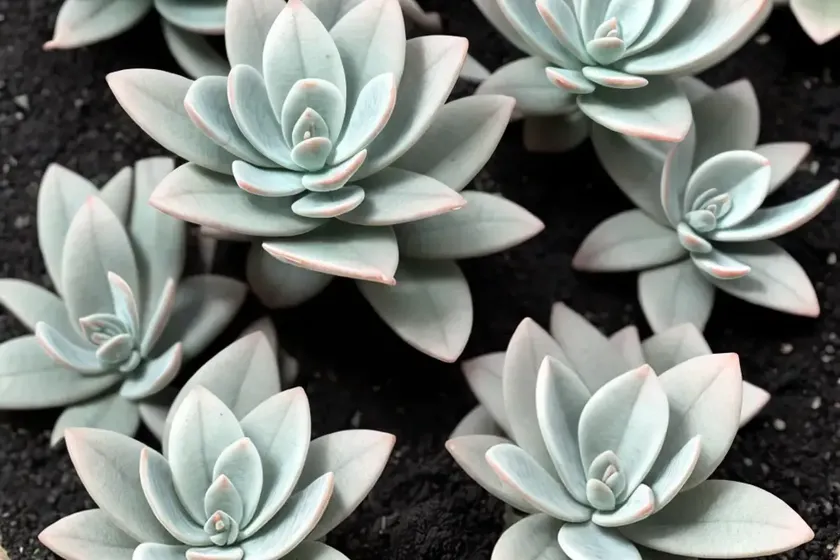
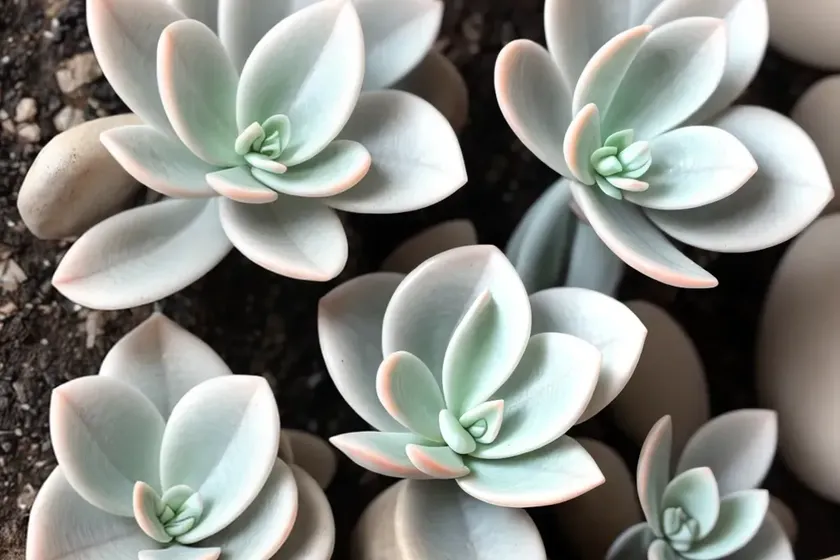
Succulent plants have gained immense popularity in recent years due to their unique appearance, low maintenance requirements, and resilience in diverse environmental conditions. Among the plethora of succulent varieties, the Moonglow Graptoveria, scientifically known as Graptoveria ‘Moonglow’, stands out as a captivating and versatile plant. This comprehensive guide aims to provide in-depth insights into the characteristics, cultivation, and care of Moonglow Graptoveria, catering to both seasoned succulent enthusiasts and beginners.
What is a Plant: Moonglow Graptoveria (Graptoveria ‘Moonglow’)?
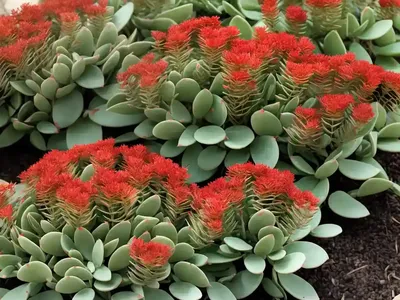
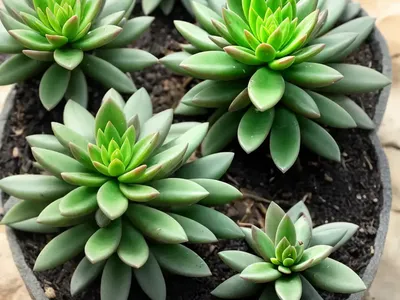
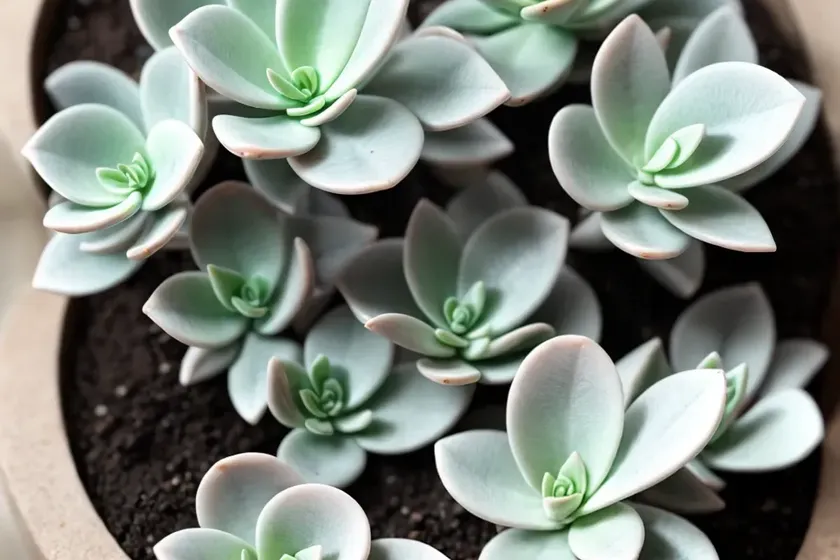
The Moonglow Graptoveria is a stunning succulent that belongs to the Crassulaceae family. This hybrid plant is a result of crossing the Echeveria and Graptopetalum genera, showcasing a mesmerizing blend of their distinctive traits. The resilience and striking appearance of the Moonglow Graptoveria make it a popular choice for both indoor and outdoor cultivation. With its rosette-shaped, fleshy leaves and soothing pastel colors, this succulent adds an elegant touch to any garden or living space.
Key Takeaways – Moonglow Graptoveria (Graptoveria ‘Moonglow’)
Before delving into the detailed care and cultivation guidelines, let’s explore the key takeaways about Moonglow Graptoveria:
- Origin: It is a hybrid succulent resulting from the crossbreeding of Echeveria and Graptopetalum.
- Appearance: The Moonglow Graptoveria features rosette-shaped, fleshy, blue-green leaves with a pinkish hue at the leaf tips, giving it a captivating appearance.
- Cultivation: This succulent is well-suited for both indoor and outdoor environments. It requires well-draining soil and ample sunlight for optimal growth.
- Low Maintenance: Moonglow Graptoveria is known for its low maintenance needs, making it an ideal choice for busy individuals or novice gardeners.
- Versatility: Its compact size and elegant form make it suitable for various landscaping and container gardening arrangements.
Now, let’s explore the specific aspects of cultivating and caring for Moonglow Graptoveria in detail.
Culture
Uses
The Moonglow Graptoveria is a versatile plant that can be utilized in various settings, including:
- Indoor Décor: Its charming appearance makes it a perfect addition to indoor succulent collections or terrariums.
- Rock Gardens: The compact size and drought tolerance of the Moonglow Graptoveria make it an excellent choice for rock gardens or desert landscaping projects.
- Container Gardening: It thrives in containers, making it an ideal plant for creating captivating succulent arrangements on patios and balconies.
- Xeriscaping: Due to its drought tolerance, Moonglow Graptoveria is a valuable addition to xeriscaped gardens, where water conservation is prioritized.
Water
Proper watering is essential for the health and vitality of Moonglow Graptoveria. Here are some key points to consider:
- Watering Frequency: During the growing season, which typically spans from spring to fall, water the plant deeply whenever the topsoil dries out. Allow the soil to dry completely between watering sessions to prevent waterlogged conditions that can lead to root rot.
- Winter Dormancy: In the winter months, reduce watering to prevent overhydration as the plant experiences a period of dormancy.
- Watering Technique: When watering Moonglow Graptoveria, aim to moisten the soil around the roots without wetting the foliage excessively. Direct the water at the base of the plant to avoid trapping moisture between the leaves, which can cause fungal issues.
Sunlight
Proper sunlight exposure is critical for the growth and coloration of Moonglow Graptoveria. Consider the following sunlight requirements:
- Optimal Sunlight: Position the plant in a location that receives ample sunlight, preferably at least 6 hours of direct sunlight per day.
- Indoor Placement: If grown indoors, place the Moonglow Graptoveria near a south or west-facing window to ensure it receives sufficient sunlight.
- Outdoor Cultivation: When grown outdoors, choose a spot with abundant sunlight and adequate airflow to promote healthy growth and vibrant leaf coloration.
Fertilizer
While Moonglow Graptoveria is relatively low-maintenance, occasional fertilization can enhance its growth and appearance. Here’s how to approach fertilization:
- Fertilizer Type: Use a balanced, water-soluble fertilizer formulated specifically for succulents and cacti. Dilute the fertilizer to half its recommended strength to avoid overfeeding the plant.
- Frequency: Apply the fertilizer sparingly during the growing season, typically once a month. Avoid fertilizing during the winter months when the plant is dormant.
Soil
The choice of soil significantly impacts the overall health and vigor of Moonglow Graptoveria. Here are the soil requirements for optimal growth:
- Well-Draining Mix: Plant Moonglow Graptoveria in a well-draining succulent or cactus potting mix. Alternatively, prepare a custom mix by combining regular potting soil with perlite or coarse sand to ensure proper drainage.
- Soil pH: Aim for a slightly acidic to neutral pH range (around 6.0 to 7.0) to create an ideal growing medium for the succulent.
- Container Considerations: If growing in containers, ensure that the pots have drainage holes to prevent water from accumulating at the root zone.
Pruning
Pruning is an essential aspect of succulent care, ensuring the plant’s aesthetic appeal and overall health. Here’s how to approach pruning Moonglow Graptoveria:
- Leaf Maintenance: Remove any withered or damaged leaves by gently plucking them from the base of the plant. This helps in preventing the spread of disease and maintains the plant’s appearance.
- Flower Stalks: If the plant produces flower stalks, you can choose to trim them once the flowering period is over. However, allowing the plant to flower can add to its ornamental value.
Propagation
Propagating Moonglow Graptoveria allows you to expand your succulent collection or share the plant with fellow enthusiasts. Here are the primary methods of propagation:
- Leaf Cuttings: Gently remove healthy leaves from the stem of the plant, ensuring that each cutting includes a small portion of the stem. Allow the cuttings to callus for a few days, then place them on a well-draining propagation medium and mist lightly. Roots will develop over time, leading to the formation of new plants.
- Offset Division: When the plant produces offsets or “pups” around its base, carefully separate them from the parent plant using a sharp, sanitized knife. Plant the offsets in a suitable growing medium, and they will develop into independent plants.
Container Popularity
Moonglow Graptoveria’s compact and elegant form makes it highly popular for container gardening. Consider the following factors when selecting containers for this succulent:
- Size: Choose shallow, wide containers that provide ample space for the plant’s root system while promoting stability. Avoid oversized pots that can lead to waterlogged soil.
- Drainage: Containers should have drainage holes to prevent water accumulation, safeguarding the succulent from the perils of root rot and fungal infections.
- Aesthetic Appeal: Opt for containers that complement the visual characteristics of the Moonglow Graptoveria, such as earthy tones or vibrant colors that accentuate the plant’s foliage.
Common Diseases
While Moonglow Graptoveria is generally resilient, it can be susceptible to certain diseases and issues, particularly when cultural conditions are unfavorable. Some common diseases to watch out for include:
- Root Rot: Overwatering or poorly draining soil can lead to root rot, causing the plant to wilt and show signs of decay. To prevent this, maintain adequate soil drainage and refrain from overwatering.
- Powdery Mildew: In humid conditions, powdery mildew can affect the foliage of Moonglow Graptoveria, leading to a dusty white coating on the leaves. Ensure proper air circulation and avoid overhead watering to mitigate this issue.
- Pest-Related Diseases: Mealybugs, aphids, and spider mites can infest Moonglow Graptoveria, causing damage to the foliage and overall vigor of the plant. Regular inspection and prompt intervention with natural or chemical control methods can help manage pest infestations effectively.
Disease Diagnosis
Diagnosing potential diseases or issues affecting Moonglow Graptoveria involves attentive observation and proactive measures:
- Symptom Recognition: Familiarize yourself with the common signs of diseases or stress in succulents, such as wilting, discoloration, or unusual growth patterns.
- Cultural Review: Assess the plant’s cultural conditions, including watering practices, sunlight exposure, and soil quality, to identify any potential factors contributing to disease.
- Consultation: If you’re uncertain about a particular issue, seek advice from experienced growers, horticulturists, or local extension services to diagnose and address the problem effectively.
Common Pests
Pests can pose a threat to the health and vitality of Moonglow Graptoveria. Vigilance and proactive pest management strategies can prevent infestations and protect the plant. Some common pests to be wary of include:
- Mealybugs: These small, cottony insects can gather on the leaves and stems of the succulent, sucking out the plant’s juices and causing damage.
- Aphids: Aphids can infest Moonglow Graptoveria, particularly in outdoor settings, leading to distorted growth and the secretion of honeydew, which can attract other pests.
- Spider Mites: These tiny arachnids can cause stippling and webbing on the foliage of the plant, compromising its visual appeal and overall health.
Botanist’s Tips
As a plant scientist specializing in succulents, I’d like to share some valuable tips for successfully cultivating and caring for Moonglow Graptoveria:
- Cultural Adaptation: While adaptable, Moonglow Graptoveria benefits from a gradual adjustment when shifting from indoor to outdoor environments or vice versa. Acclimate the plant gradually to prevent shock and stress.
- Protecting from Extreme Conditions: Shield the succulent from extreme temperatures, particularly frost and excessive heat, as these can harm the plant and impede its growth.
- Observational Learning: Regularly observe the plant for any changes in growth or appearance, as early detection of issues allows for timely intervention and preventive measures.
Fun Facts
To further enrich your knowledge about Moonglow Graptoveria, here are some intriguing and delightful facts about this charming succulent:
- The pastel tones of the Moonglow Graptoveria’s leaves intensify under direct sunlight, creating a captivating display of colors and hues.
- This hybrid succulent is celebrated for its resilience in dry, arid conditions, making it a prized addition to desert-themed gardens and xeriscaping projects.
- Moonglow Graptoveria exhibits striking symmetry and geometry in its rosette formation, exemplifying the captivating beauty of succulent plants.
Links to External Resources
For further information, detailed care guides, and visual references on Moonglow Graptoveria, consider exploring the following reliable external resources:
- The Plant List: Moonglow Graptoveria
- Gardeners’ World: Growing Graptoveria Moonglow
- World of Succulents: Graptoveria ‘Moonglow’
- Arizona State University: Succulent Plant Care Guide
In conclusion, Moonglow Graptoveria (Graptoveria ‘Moonglow’) stands as a captivating and resilient succulent that adds elegance and charm to diverse settings. By incorporating the insights presented in this guide, you can foster the growth and vitality of this exquisite plant while enjoying the visual delights it has to offer.
Remember, the journey of nurturing succulents like the Moonglow Graptoveria is as rewarding as the beauty they bestow upon our lives. Happy gardening!
Keywords: Succulent plants, Graptoveria Moonglow, Moonglow cultivar, Graptoveria varieties, Moonglow succulent, Drought-tolerant plants, Graptoveria care, Low-maintenance succulents, Indoor succulent plants, Desert garden plants, Hardy succulents, Moonglow Graptoveria care tips, Graptoveria Moonglow propagation, Watering succulent plants, Succulent plant care, Ornamental succulents, Graptoveria plant family, Moonglow Graptoveria characteristics, Caring for Moonglow Graptoveria, How to grow Graptoveria Moonglow, Graptoveria Moonglow indoor care, Desert plant species, Graptoveria Moonglow colors, Drought-resistant plants, Xerophytic succulents, Moonglow Graptoveria landscaping ideas, Graptoveria Moonglow sun requirements, Graptoveria Moonglow growth habits, Graptoveria Moonglow container gardening, Hardy succulent varieties, Moonglow Graptoveria plant care guide, Graptoveria Moonglow soil requirements, Graptoveria Moonglow outdoor planting, Succulent plant varieties, Moonglow Graptoveria water needs, Graptoveria Moonglow natural habitat, Graptoveria Moonglow as a houseplant, Graptoveria Moonglow sunlight exposure, Graptoveria Moonglow pest control, How to propagate Graptoveria Moonglow, Moonglow Graptoveria for small gardens, Graptoveria Moonglow hardiness zones, Moonglow Graptoveria pruning tips, Graptoveria Moonglow companion plants, Common problems with Graptoveria Moonglow, Moonglow Graptoveria flower blooms, Graptoveria Moonglow decorative uses, Non-toxic succulent plants, Graptoveria Moonglow soil drainage, Moonglow Graptoveria winter care tips.