Swiss Cheese Plant (Monstera Deliciosa)
The Swiss cheese plant, scientifically known as Monstera deliciosa, is a stunning and popular choice for indoor plant enthusiasts. Known for its unique.
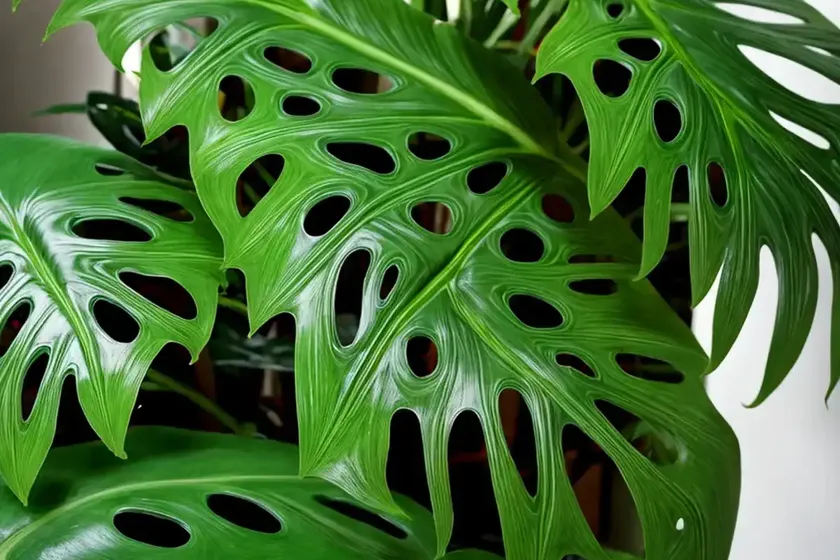
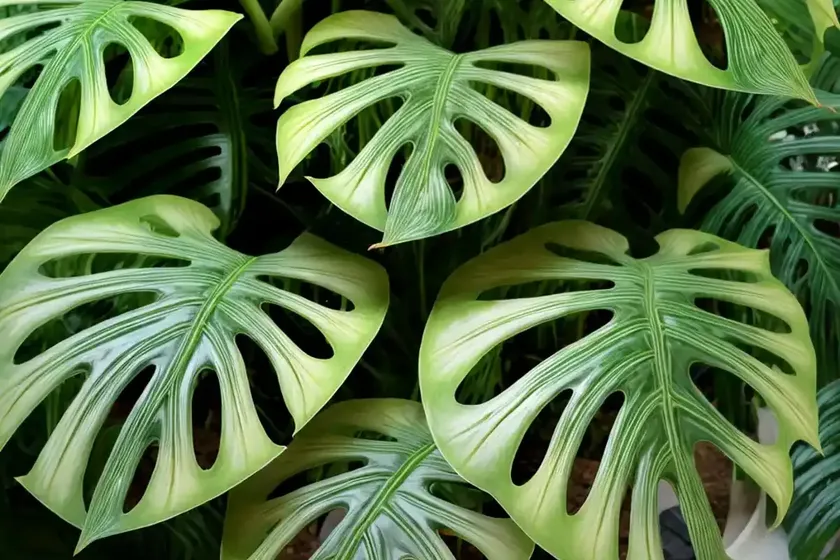
The Swiss cheese plant, scientifically known as Monstera deliciosa, is a stunning and popular choice for indoor plant enthusiasts. Known for its unique foliage and relatively low maintenance requirements, this plant has become a staple in many households and interior design projects. In this comprehensive care guide, we will explore every aspect of nurturing and maintaining the Swiss cheese plant, including its cultural requirements, propagation methods, common diseases and pests, and much more.
What is the Swiss Cheese Plant (Monstera Deliciosa)?
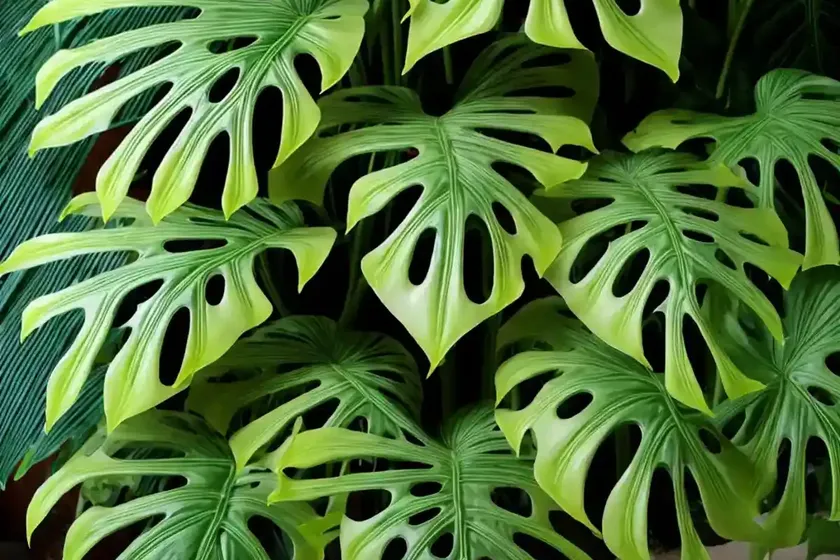
The Swiss cheese plant, also known as Monstera deliciosa, is a species of flowering plant native to the tropical rainforests of southern Mexico and south to Panama. It belongs to the Araceae family and is characterized by its large, glossy, and deeply lobed leaves, which develop unique oval or oblong holes as they mature. These fenestrations give the plant its common name, “Swiss cheese plant,” due to the resemblance of its leaves to a block of Swiss cheese.
Key Takeaways: Swiss Cheese Plant (Monstera Deliciosa)
Before delving into the specific care requirements for the Swiss cheese plant, let’s outline some key takeaways for quick reference:
- Scientific Name: Monstera deliciosa
- Common Names: Swiss cheese plant, Mexican breadfruit, and split-leaf philodendron
- Foliage: Large, glossy, heart-shaped leaves with unique fenestrations
- Culture: Tropical, requires warm and humid conditions
- Uses: Popular indoor plant, often used for interior decoration
- Water: Moderate watering needs, avoid overwatering
- Sunlight: Indirect, bright light; the plant is adaptable to various light conditions
- Fertilizer: Balanced liquid fertilizer during the growing season
- Soil: Well-draining, aerated potting mix
- Pruning: Minimal pruning, remove yellowed or damaged leaves
- Propagation: Stem cuttings, air layering, and water propagation
- Container: Well-draining, slightly larger than the root ball
- Popularity: Highly sought-after as a decorative houseplant
- Common Diseases: Root rot, fungal diseases
- Common Pests: Spider mites, scale insects
Now that we have a foundational understanding of the Swiss cheese plant, let’s explore each aspect of its care in more detail.
Culture
Understanding the natural habitat and cultural requirements of Monstera deliciosa is crucial for providing the optimal growing conditions for this tropical plant.
Natural Habitat
In its native habitat, the Swiss cheese plant thrives in the understory of tropical rainforests. It enjoys warm temperatures, high humidity, and dappled sunlight filtering through the dense canopy. These conditions have shaped the plant’s adaptability to low light levels and its aversion to direct, intense sunlight.
Indoor Environment
When cultivating Monstera deliciosa indoors, it’s essential to replicate its natural habitat as closely as possible. This includes providing a warm and humid environment, ample indirect light, and regular moisture without waterlogging the root system.
Uses
The Swiss cheese plant serves multiple functions, making it a versatile and sought-after addition to both homes and interior design projects.
Indoor Plant
As a decorative houseplant, Monstera deliciosa adds a touch of tropical elegance to interior spaces. Its large, uniquely shaped leaves make it a captivating focal point, whether placed in a living room, office, or atrium.
Interior Decoration
Interior designers often incorporate the Swiss cheese plant into their projects to introduce a natural and vibrant element into the decor. Its lush foliage and architectural presence can instantly elevate the aesthetics of a room, making it a popular choice for interior landscaping.
Water
Proper watering is a critical factor in the care of Monstera deliciosa. While the plant enjoys consistently moist soil, it is susceptible to root rot if overwatered.
Watering Needs
- Frequency: Water the plant when the top inch of the soil feels dry to the touch. Depending on environmental conditions, this may range from once a week in warmer months to every two weeks in cooler seasons.
- Water Quality: Use room-temperature water, and if possible, allow it to sit for 24 hours to allow any chlorine to dissipate.
Soil Moisture
- Consistently moist, but not waterlogged
- Ensure proper drainage to prevent water from accumulating in the root zone
Sunlight
Proper sunlight exposure is essential for the health and development of Monstera deliciosa, but its requirements differ from many other houseplants.
Light Requirements
- Indirect Light: Position the plant in an area with bright, indirect light, such as a north or east-facing window. Direct sunlight can scorch the leaves, leading to sunburn.
Adaptable Nature
The Swiss cheese plant can tolerate lower light conditions, making it suitable for spaces where other plants may struggle. However, it may not exhibit optimal growth or fenestration in such environments.
Fertilizer
To support healthy growth and foliage development, providing balanced nutrition through regular fertilization is essential.
Fertilization Schedule
- Growing Season: Apply a balanced liquid fertilizer every 4-6 weeks during the growing season (spring and summer).
- Reduced Frequency: Reduce or suspend fertilization in the fall and winter when plant growth naturally slows down.
Fertilizer Type
- Use a balanced, water-soluble fertilizer with equal proportions of nitrogen, phosphorus, and potassium.
Soil
Selecting the right potting mix is crucial for promoting proper drainage and aeration, which are key factors in preventing waterlogged soil and root rot.
Soil Composition
- Well-Draining: Choose a well-draining potting mix that combines peat moss, perlite, and pine bark to ensure adequate aeration and moisture retention.
- Aeration: Good soil aeration is essential for healthy root development and preventing the soil from becoming compacted.
Pruning
Pruning of the Swiss cheese plant is minimal and primarily focused on maintaining the plant’s appearance and removing any damaged or yellowed leaves.
Maintenance Pruning
- Yellowed Leaves: Regularly remove yellowed or damaged leaves to improve the overall appearance of the plant.
- Propagation: Pruned stem sections can be used for propagation through stem cuttings.
Propagation
Monstera deliciosa can be propagated through various methods, allowing plant enthusiasts to expand their collection or share the plant with others.
Stem Cuttings
- Select a healthy, mature stem with at least one node and aerial root.
- Cut the stem below a node and place it in water or directly into a potting mix.
Air Layering
- Encourage the growth of roots on a portion of the stem while it is still attached to the parent plant.
- Once the roots have developed, the rooted section can be separated and potted as a new plant.
Water Propagation
- Place stem cuttings in a container filled with water, ensuring that at least one node is submerged.
- Roots will develop over time, and the cutting can be potted once a healthy root system has formed.
Container
Choosing the right container is essential for providing a healthy environment for Monstera deliciosa to thrive.
Container Size
- Select a container that is slightly larger than the plant’s root ball, allowing room for growth.
- A too-large container can retain excess moisture, leading to root rot, so it’s crucial to find a balance.
Drainage Holes
- Ensure that the container has adequate drainage holes to prevent water from accumulating at the bottom.
Popularity
The Swiss cheese plant has garnered immense popularity among plant enthusiasts and homeowners due to its striking appearance and relatively low maintenance requirements.
Decorative Appeal
- The plant’s large, fenestrated leaves make it an attractive and attention-grabbing addition to any indoor space.
- Its adaptability to different light conditions makes it a versatile choice for various environments.
Common Diseases
Despite its resilience, Monstera deliciosa can be susceptible to certain diseases and conditions that may affect its overall health.
Disease Susceptibility
- Root Rot: Overwatering or waterlogged soil can lead to root rot, which manifests as yellowing, wilting leaves and a foul odor from the soil.
- Fungal Diseases: Poor air circulation and excessive moisture can create conditions conducive to fungal infections.
Disease Diagnosis
Early detection and intervention are critical in managing and preventing the spread of diseases in Monstera deliciosa.
Symptoms
- Yellowing or browning of the leaves, particularly at the margins
- Wilting or drooping foliage, despite adequate watering
- Foul odor emanating from the soil
Treatment
- If root rot is suspected, gently remove the plant from its container, inspect the roots, and trim away any rotting or decayed portions.
- Repot the plant in fresh, well-draining soil and adjust the watering regimen to prevent future occurrences.
Common Pests
Pests can pose a threat to the health and appearance of the Swiss cheese plant, requiring prompt identification and management.
Pest Identification
- Spider Mites: Tiny, web-spinning arachnids that can cause stippling and webbing on the leaves.
- Scale Insects: Small, immobile pests that appear as raised bumps on the stems and leaves.
Control Measures
- Horticultural Oil: Use a neem oil-based horticultural oil to suffocate and control pests without harming the plant.
Botanist’s Tips
As a plant scientist with a passion for Monstera deliciosa, I have gathered some valuable tips to ensure the successful care and cultivation of this iconic houseplant:
- Monitor Watering Closely: Pay close attention to the plant’s water needs, allowing the soil to partially dry out between waterings to avoid overwatering.
- Provide Adequate Support: Consider using a moss pole or trellis to support the plant’s upright growth and encourage the development of aerial roots.
- Regularly Rotate the Plant: Periodically rotate the plant to ensure even growth and prevent it from leaning towards the light source.
- Optimize Humidity: Consider using a humidifier or placing the plant on a tray of pebbles and water to increase ambient humidity.
- Maintain Clean Leaves: Wipe the leaves with a damp cloth to remove dust and maintain their ability to photosynthesize efficiently.
Fun Facts
To further appreciate the unique qualities and characteristics of Monstera deliciosa, here are some fascinating and lesser-known facts about the Swiss cheese plant:
- Edible Fruit: In its native habitat, Monstera deliciosa produces an edible fruit with a flavor likened to a combination of pineapple and banana.
- Air Purification: The large surface area of the plant’s leaves allows it to effectively purify the air by removing pollutants and toxins.
- Growth Rate: Under ideal conditions, the Swiss cheese plant can exhibit rapid growth, with new leaves unfurling regularly.
- Aerial Roots: The plant’s aerial roots serve as anchors in its natural environment and can be utilized for support and propagation in cultivation.
Links to External Resources
For additional insights, guidance, and inspiration regarding the care and cultivation of Monstera deliciosa, consider exploring the following external resources:
- The Sill – Monstera Deliciosa Care Guide
- Gardening Know How – Swiss Cheese Plant Care
- Plant Care Today – The Fascinating Monstera Deliciosa
- [[American Society for the Prevention of Cruelty to Animals – Pet-Friendly Plants]
In conclusion, cultivating Monstera deliciosa offers an enriching and rewarding experience, allowing individuals to connect with nature while enhancing indoor spaces with its striking presence. By understanding and addressing the plant’s specific cultural requirements, propagation methods, and potential challenges, plant enthusiasts can foster healthy and thriving Swiss cheese plants in their homes and workplaces.
By following the care guide provided above and seeking additional resources, you can embark on a fulfilling journey of caring for and appreciating the captivating beauty of the Swiss cheese plant.