Monstera Deliciosa (Variegated Monstera)
Monstera deliciosa, commonly known as the Variegated Monstera, is a striking and popular houseplant known for its large, glossy leaves and distinctive.
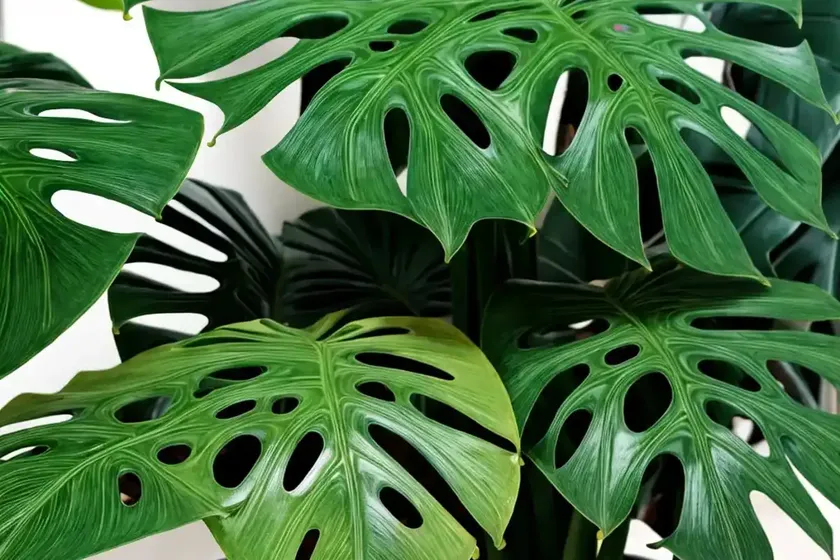
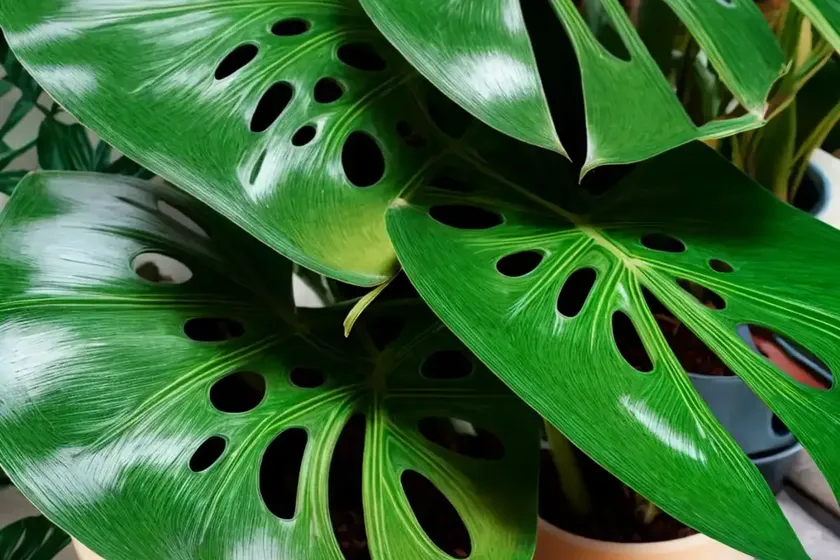
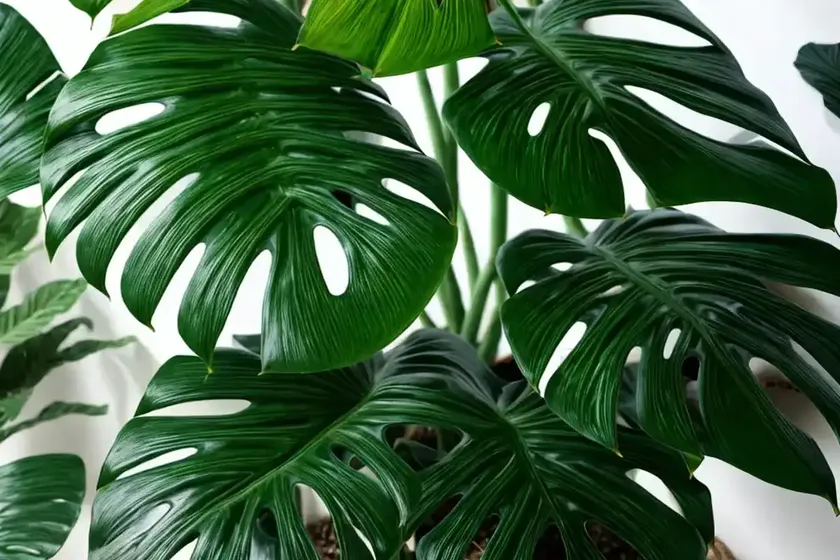
Monstera deliciosa, commonly known as the Variegated Monstera, is a striking and popular houseplant known for its large, glossy leaves and distinctive fenestrations. Belonging to the Araceae family, this tropical plant is native to the rainforests of Central and South America. The plant has gained significant popularity in recent years, particularly for its unique variegated leaves that feature beautiful patterns of white and green.
In this comprehensive guide, we will delve into the various aspects of caring for and cultivating the Variegated Monstera. From understanding its cultural requirements and propagation techniques to addressing common diseases and pests, this article aims to equip plant enthusiasts with the knowledge and skills to successfully nurture and enjoy this captivating plant.
Key Takeaways – Monstera deliciosa (Variegated Monstera)
Before we delve into the specifics of caring for the Variegated Monstera, let’s take a quick look at some key takeaways regarding this remarkable plant:
- The Variegated Monstera, scientifically known as Monstera deliciosa, is a tropical plant prized for its large, variegated leaves.
- It is a member of the Araceae family and is native to the tropical rainforests of Central and South America.
- Variegated Monstera is popular as a houseplant and is known for its air-purifying properties.
- Proper care involves providing adequate water, sunlight, and well-draining soil to support healthy growth.
- The plant can be propagated through stem cuttings and thrives in environments with high humidity.
Now that we have a brief overview of the Variegated Monstera, let’s explore the specific cultural requirements, propagation techniques, and common issues associated with this tropical beauty.
What is Monstera deliciosa (Variegated Monstera)?
Description and Characteristics
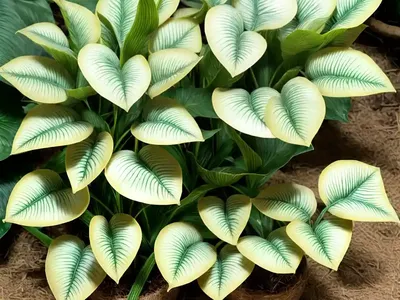
The Monstera deliciosa, also known as the Variegated Monstera, is a visually striking plant revered for its large, glossy leaves that exhibit unique fenestrations. While the standard Monstera deliciosa boasts deep green, unfenestrated leaves, the variegated variety stands out with its captivating mix of white and green patterns.
The variegation in the leaves is a result of a naturally occurring mutation in the plant’s genetic makeup, leading to the visual diversity that has captured the fascination of plant enthusiasts worldwide. The striking variegation adds an element of elegance and intrigue to the plant, making it a popular choice for interior decor and indoor gardens.
Apart from its visual appeal, the Monstera deliciosa is also valued for its air-purifying properties, making it a desirable addition to indoor spaces where it can contribute to creating a healthier environment.
Natural Habitat and Growth Habits
In its natural habitat, Monstera deliciosa thrives in the humid, shaded conditions of tropical rainforests. The plant is an epiphyte, which means it often grows on other plants or trees without being parasitic, relying on them for structural support while obtaining nutrients from the surrounding environment.
Monstera deliciosa is characterized by its climbing, vining growth habit, and it may develop aerial roots that enable it to anchor itself and reach out for support as it climbs. The presence of these roots adds to the plant’s unique aesthetic and also aids in its efficient uptake of moisture and nutrients.
Intriguing Leaf Fenestrations
One of the most distinctive features of the Variegated Monstera is its fenestrated leaves, also known as “Swiss cheese plant” due to the holes and splits that develop as the leaves mature. This phenomenon, known as leaf fenestration, occurs in response to the plant’s natural growth process and environmental factors.
Leaf fenestrations are an adaptation to the plant’s native habitat, allowing wind to pass through the leaves and reducing the risk of damage during storms and heavy rainfall. From an aesthetic perspective, the fenestrated leaves of the Variegated Monstera make it an eye-catching and visually dynamic addition to any plant collection or indoor space.
Now that we’ve gained insight into the visual and structural characteristics of the Variegated Monstera, let’s delve into the specific cultural requirements essential for promoting its health and vitality.
Culture
Water
Watering is a crucial aspect of caring for the Variegated Monstera, and striking the right balance is essential for maintaining optimal health.
Watering Guidelines
- Frequency: During the growing season, which typically spans spring and summer, water the plant thoroughly whenever the top inch of the soil feels dry to the touch.
- Soil Moisture: Ensure that the potting mix is well-draining to prevent waterlogging, as excessive moisture can lead to root rot and other complications.
- Reduced Watering in Winter: Scale back on watering during the plant’s dormant phase in winter, allowing the soil to partially dry out between waterings.
- Humidity: The Variegated Monstera benefits from increased humidity, and regular misting or placement near a humidifier can help maintain an environment conducive to its growth.
Sunlight
Proper sunlight exposure is critical for the Variegated Monstera, as it directly influences the plant’s growth and leaf development.
Sunlight Requirements
- Indirect Light: Position the plant in a location with bright, indirect sunlight to prevent leaf burn while ensuring adequate photosynthetic activity.
- Avoid Harsh Sunlight: Shield the plant from direct, intense sunlight, as prolonged exposure can scorch the leaves and negatively impact its overall health.
- Rotate for Even Growth: To promote uniform growth and prevent the plant from leaning towards a light source, periodically rotate it to distribute sunlight evenly.
Fertilizer
Supplemental fertilization provides the Variegated Monstera with essential nutrients necessary for robust growth and the development of vibrant, healthy foliage.
Fertilizer Application
- Balanced Formula: Utilize a balanced, water-soluble fertilizer formulated for foliage plants, applying a diluted solution every 4-6 weeks during the growing season.
- Monitor Nutrient Levels: Pay attention to the plant’s response to fertilization and adjust the frequency and concentration as needed, taking care not to over-fertilize, which can lead to salt accumulation in the soil.
Soil
The right potting mix is instrumental in supporting the Variegated Monstera’s growth by providing adequate aeration, moisture retention, and nutrient availability.
Ideal Potting Mix
- Well-Draining Composition: Opt for a light, well-draining potting mix that promotes air circulation and prevents waterlogged conditions.
- Aeration and Structure: Incorporate materials such as peat moss, perlite, and coarse sand to improve soil structure and enhance root development.
- Soil pH: Aim for a slightly acidic to neutral pH range (6.0-7.0) to support nutrient uptake and microbial activity within the root zone.
Pruning
Regular pruning is a beneficial practice for maintaining the Variegated Monstera’s overall appearance and managing its growth.
Pruning Guidelines
- Remove Dead or Yellowing Leaves: Prune away any damaged or discolored leaves to encourage the plant to allocate its resources towards healthy foliage.
- Control Excessive Growth: Trim back excessively long or unruly vines to promote a more compact and manageable growth habit.
- Propagation Material: Utilize the trimmed cuttings for propagation, allowing you to expand your plant collection or share it with fellow gardening enthusiasts.
Propagation
Propagation offers an exciting opportunity to multiply your Variegated Monstera collection and share this captivating plant with others.
Propagation Methods
- Stem Cuttings: Take stem cuttings with at least one node and place them in water or a moist propagation medium to encourage the development of roots.
- Aerial Root Propagation: Utilize the plant’s natural aerial roots by air layering, a technique that involves inducing root formation on a section of the stem while still attached to the parent plant.
- Division: Divide mature plants with multiple stems or offshoots, ensuring that each division has a sufficient root system to support independent growth.
Container
Choosing the right container is essential for supporting the Variegated Monstera’s growth and ensuring its overall well-being.
Container Considerations
- Size and Drainage: Select a container with adequate drainage holes and a size that accommodates the plant’s current root system while allowing room for future growth.
- Material: Opt for containers made of porous materials such as terracotta or breathable plastics, as they promote air exchange and help prevent moisture-related issues.
- Root-Bound Plants: Monitor the plant for signs of becoming root-bound, and consider repotting into a slightly larger container if necessary to prevent stunted growth.
Popularity
The Variegated Monstera has gained significant popularity in the realm of indoor gardening and plant enthusiasts, largely owing to its stunning aesthetic features and relatively manageable care requirements. The unique fusion of white and green variegation in its leaves, coupled with its remarkable fenestrations, has rendered it a sought-after choice for adding a touch of tropical allure to interior spaces.
Decorative Appeal
The Variegated Monstera’s decorative appeal lies in its ability to serve as a focal point, adding visual interest and a sense of the tropics to a wide range of indoor settings. Whether displayed as a standalone specimen or incorporated into lush, botanical arrangements, its distinctive foliage contributes to creating inviting and vibrant living spaces.
Air-Purifying Properties
In addition to its ornamental value, the Variegated Monstera is recognized for its air-purifying abilities, helping to remove pollutants and improve indoor air quality. This dual functionality as both a decorative element and a natural air purifier has further bolstered its appeal among homeowners, interior designers, and plant enthusiasts alike.
Social Media Presence
The Variegated Monstera has also made a significant impact in the realm of social media, where its visually striking leaves and captivating growth habits have garnered substantial attention. Platforms such as Instagram and Pinterest have played a pivotal role in amplifying the plant’s popularity, with dedicated hashtags and communities showcasing the diverse ways in which the Variegated Monstera can be incorporated into interior decor and plant styling.
The plant’s unique qualities and the creative expression of plant owners and enthusiasts have collectively contributed to fostering a vibrant, interconnected community that celebrates the beauty and versatility of the Variegated Monstera.
Common Diseases
Like all plants, the Variegated Monstera is susceptible to certain diseases and health issues, necessitating vigilant care and prompt intervention to maintain its well-being.
Disease Diagnosis
Root Rot
Symptoms:
– Wilting and yellowing of leaves despite adequate watering.
– Foul smell emanating from the soil, indicating decay.
Causes:
– Prolonged exposure to waterlogged conditions and poor soil drainage, leading to rotting of the plant’s root system.
Treatment and Prevention:
– Repot the plant in fresh, well-draining soil and trim away any damaged roots.
– Adjust the watering regimen to prevent excess moisture accumulation and allow the soil to partially dry out between waterings.
Leaf Spot Diseases
Symptoms:
– Presence of dark, water-soaked spots or patches on the leaves.
– Leaf discoloration and gradual deterioration of affected foliage.
Causes:
– Fungal or bacterial pathogens that thrive in excessively moist conditions, particularly in poorly ventilated environments.
Treatment and Prevention:
– Trim away affected foliage using sanitized tools to prevent the spread of the disease.
– Enhance air circulation around the plant and avoid overhead watering to reduce moisture on the leaves.
Botrytis Blight
Symptoms:
– Gray mold that appears on leaf surfaces, typically in areas with high humidity and poor air circulation.
– Fuzzy, grayish growth on affected plant parts.
Causes:
– Botrytis cinerea fungus, which thrives in damp conditions and can infect the plant through wounds or damaged tissue.
Treatment and Prevention:
– Prune away infected portions and ensure proper air circulation to minimize humidity levels within the plant’s vicinity.
– Consider applying fungicidal treatments as a preventive measure, particularly during periods of increased humidity.
Common pests
Mealybugs
Mealybugs are among the most common pests that can afflict the Variegated Monstera, posing a threat to its well-being and aesthetic appeal.
Identification:
– Small, cottony white insects that congregate on the undersides of leaves and along the plant’s stems.
Damage:
– Mealybugs feed on the plant’s sap, leading to stunted growth, yellowing of leaves, and the secretion of honeydew, which can promote the growth of sooty mold.
Control Measures:
– Remove mealybugs manually using a cotton swab dipped in rubbing alcohol or a gentle insecticidal soap solution.
– Regularly inspect the plant and neighboring specimens to contain and prevent the spread of mealybug infestations.
Spider Mites
Spider mites are another common pest that can negatively impact the Variegated Monstera’s health and vitality.
Identification:
– Tiny arachnids that spin fine webs on the undersides of leaves and puncture plant tissue to feed on the sap.
Damage:
– Spider mite infestations can cause leaf stippling, bronzing, and eventual defoliation if left unchecked.
Control Measures:
– Rinse the plant with a gentle stream of water to dislodge and remove spider mites and their webbing.
– Introduce natural predators such as predatory mites to help control and manage spider mite populations.
Botanist’s Tips
Humidity Management
Maintaining adequate humidity levels is crucial for the Variegated Monstera’s well-being, particularly in settings with dry indoor air.
- Misting: Regular misting can help elevate the humidity around the plant, providing a temporary boost in moisture levels.
- Humidifier Usage: Employ the use of a room humidifier to create a more consistently humid environment, benefiting not only the plant but also the occupants of the space.
Seasonal Adjustments
Tailoring care practices to align with the plant’s seasonal needs is key to promoting its long-term health and resilience.
- Understanding Dormancy: Acknowledge the plant’s reduced growth and metabolic activity during the winter months, adjusting watering and fertilization accordingly.
- Summer Vigilance: Be diligent in monitoring the plant for signs of stress or dehydration during the warmer months, providing ample hydration and suitable growing conditions.
Structural Support
Given the Variegated Monstera’s climbing growth habit, providing adequate support is essential for maintaining its structural integrity and overall appearance.
- Trellising: Install a trellis or moss pole to offer the plant a supportive framework for climbing, enhancing its aesthetic appeal and mitigating the risk of sprawling growth.
- Training Aerial Roots: Guide the plant’s aerial roots towards the support structure, facilitating its natural inclination to cling and climb.
Fun Facts
Variegation Variability
The patterns of variegation in the leaves of the Variegated Monstera can vary significantly from one plant to another, resulting in a diverse array of visually captivating foliage patterns.
- Uniqueness: Each Variegated Monstera possesses a distinct pattern of variegation, contributing to the allure of collecting and appreciating the plant’s individualistic traits.
- Variegation Stability: The stability of variegation can vary, with some plants retaining their distinctive patterns over time, while others may exhibit fluctuating variegation in response to environmental factors.
Links to External Resources
For further information on caring for the Variegated Monstera and exploring its diverse facets, consider referring to the following resources:
- Monstera Resource Center – Explore a wealth of information focused on the care, cultivation, and appreciation of various Monstera species, including the Variegated Monstera.
- Royal Horticultural Society (RHS) – Monstera Deliciosa Guide – Access detailed insights into the growth habits, care requirements, and propagation techniques specific to the Monstera deliciosa, offering valuable guidance for plant enthusiasts.
In conclusion, the Variegated Monstera stands as a remarkable testament to the captivating diversity present within the realm of tropical plants, offering an alluring blend of visual intrigue, air-purifying capabilities, and cultural richness. With a comprehensive understanding of its specific care needs and a keen appreciation for its unique qualities, plant enthusiasts can embark on a rewarding journey of nurturing and celebrating the beauty of the Variegated Monstera in their homes and indoor gardens.