Monstera Adansonii (Monstera Adansonii)
Monstera adansonii, also known as Swiss cheese vine or five holes plant, is a popular and visually striking houseplant with its characteristic heart-shaped.
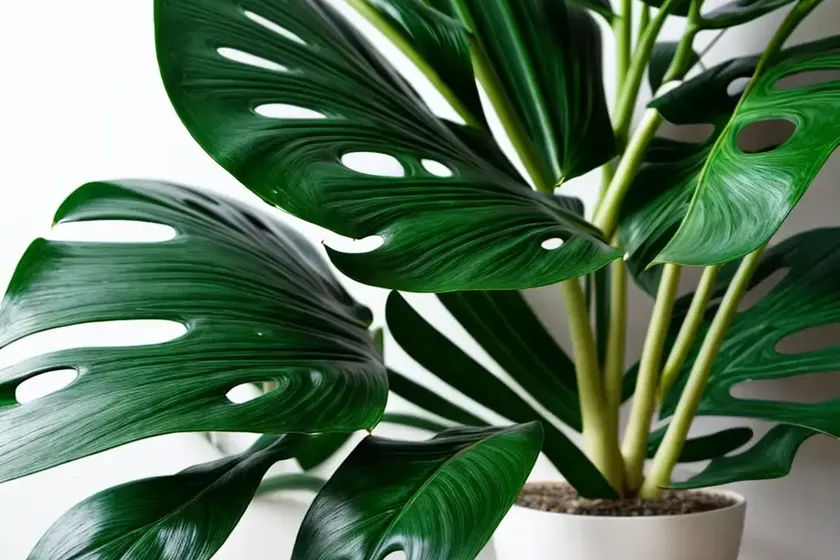
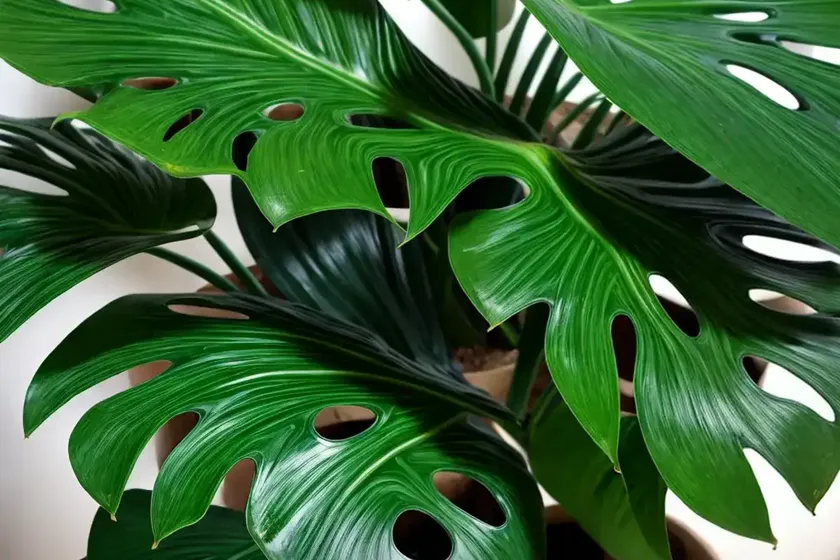
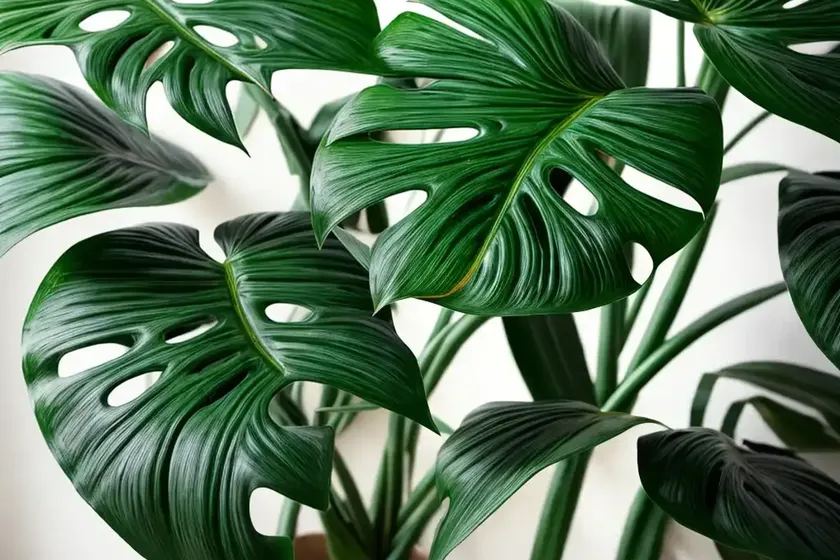
Monstera adansonii, also known as Swiss cheese vine or five holes plant, is a popular and visually striking houseplant with its characteristic heart-shaped leaves adorned with intricate lacy and oval-shaped holes. This tropical plant is not only aesthetically appealing but is also relatively easy to care for, making it a favorite among indoor gardeners. In this comprehensive guide, we will explore the various aspects of Monstera adansonii, from its cultural requirements to common diseases and pests, to help plant enthusiasts successfully cultivate and maintain this captivating plant.
What is Monstera adansonii?
Monstera adansonii is a species of flowering plant in the family Araceae and is native to the tropical rainforests of Central and South America. Its natural habitat includes regions in Mexico, Panama, and Brazil, where it thrives in the warm and humid climate beneath the forest canopy. The plant is characterized by its trailing vines and distinctive foliage, which has earned it the moniker “Swiss cheese vine” due to the unique pattern of holes and splits in its leaves.
Key Takeaways
Before delving into the specifics of caring for Monstera adansonii, let’s highlight some key takeaways about this plant:
- Scientific Name: Monstera adansonii
- Common Names: Swiss cheese vine, five holes plant
- Cultural Significance: Desired for its ornamental foliage and low maintenance requirements
- Tropical Origin: Native to Central and South America
- Characteristic Features: Heart-shaped leaves with fenestrations and aerial roots
Now that we have an overview of Monstera adansonii, let’s explore the crucial aspects of caring for this intriguing plant.
Culture
Uses
The Monstera adansonii plant holds both decorative and practical uses:
- Ornamental Purpose: It is primarily grown as an indoor ornamental plant due to its aesthetically pleasing foliage.
- Air Purification: Like many other houseplants, Monstera adansonii contributes to air purification by filtering out toxins and impurities from the indoor environment.
Care Requirements
Water
Proper watering is crucial for the health and vitality of Monstera adansonii. Understanding the plant’s water requirements is essential to prevent issues such as root rot and dehydration.
- Watering Frequency: Water the plant when the top inch of the soil feels dry to the touch. It is important not to let the soil dry out completely, as this can lead to stress and stunted growth.
- Water Quality: Use room temperature or slightly lukewarm water to avoid shocking the plant’s roots. Additionally, it’s beneficial to use filtered water or allow tap water to sit for 24 hours to dissipate any chlorine or fluoride.
Sunlight
While Monstera adansonii thrives in bright, indirect light, it is also adaptable to lower light conditions. Finding the right balance of sunlight is crucial for optimal growth and leaf development.
- Light Requirements: Place the plant in a location with bright, indirect light. Avoid direct sunlight, especially during the intense midday hours, as it can scorch the leaves and lead to sunburn.
- Adaptability: The plant can tolerate lower light conditions, but this may result in slower growth and less pronounced fenestrations in the leaves.
Fertilizer
Supplemental feeding with a balanced fertilizer can support the growth and overall health of Monstera adansonii.
- Fertilization Schedule: During the plant’s growing season in spring and summer, apply a diluted, balanced fertilizer every 4-6 weeks. Reduce or cease fertilization during the plant’s dormant period in fall and winter.
- Fertilizer Type: Opt for a well-balanced, water-soluble fertilizer with an NPK ratio of 20-20-20 or 10-10-10 to provide essential nutrients without risking nutrient imbalances.
Soil
Choosing the right soil type and composition is vital for the plant’s root development, moisture retention, and nutrient uptake.
- Soil Mix: A well-draining potting mix that retains moisture without becoming waterlogged is ideal for Monstera adansonii. A blend of peat moss, perlite, and pine bark works well to provide adequate aeration and water retention.
- Soil pH: Aim for a slightly acidic to neutral pH range of 5.5-7.0 to ensure optimal nutrient availability for the plant.
Pruning
Pruning is an essential aspect of Monstera adansonii care, whether for aesthetic reasons or to maintain the plant’s health and shape.
- Pruning Frequency: Regularly trim yellowing or damaged leaves to promote new growth and maintain the plant’s appearance.
- Propagation: Pruning provides an opportunity to propagate the plant by using the cuttings to start new Monstera adansonii plants.
Propagation
Propagating Monstera adansonii is an exciting and rewarding process that allows for the expansion of your plant collection and the sharing of this captivating species with fellow plant enthusiasts.
- Propagation Methods: Propagation can be achieved through stem cuttings placed in water or directly planted in soil. Additionally, air layering and division of the plant are viable propagation techniques.
Container
Selecting an appropriate container and paying attention to potting and repotting practices are vital for the health and growth of Monstera adansonii.
- Pot Size: Choose a pot that provides adequate room for the plant’s root system to expand without being excessively large. A slightly larger pot than the current one is suitable for repotting.
- Drainage: Ensure that the pot has drainage holes at the bottom to prevent waterlogging and root rot. Proper drainage is crucial for maintaining a healthy root system.
Popularity
Monstera adansonii has gained significant popularity in the realm of indoor gardening and botanical appreciation due to its unique foliage and relatively manageable care requirements.
Common Diseases
Despite being a resilient plant, Monstera adansonii is susceptible to certain diseases and issues that can affect its overall well-being.
Disease Diagnosis
Identifying and addressing plant diseases early on is essential for preventing the spread of infections and minimizing the impact on the plant’s health.
- Common Issues: Keep an eye out for symptoms such as yellowing leaves, black spots, and stunted growth, which may indicate underlying diseases or environmental stress.
- Diagnosis Tools: Utilize garden diagnostic tools, such as magnifying lenses and digital microscopes, to closely examine plant tissues and identify potential diseases or pest infestations.
Common Pests
Pest infestations can pose a threat to the health and appearance of Monstera adansonii, requiring timely intervention and management.
- Pest Types: Keep an eye out for common houseplant pests such as spider mites, aphids, and mealybugs, which can damage the plant by feeding on its sap and causing leaf discoloration.
- Natural Predators: Introducing beneficial insects or using organic pest control methods can help manage pest populations without resorting to harsh pesticides.
Botanist’s Tips
To further enhance your understanding of Monstera adansonii care and cultivation, here are some professional tips and insights from botanists and experienced plant enthusiasts.
- Humidity Management: Consider using a humidity tray or a room humidifier to maintain the optimal moisture level for Monstera adansonii, particularly in drier indoor environments.
- Support Structures: Because of its vining habit, providing a moss pole or trellis for the plant to climb and cling to can promote upright growth and showcase its trailing foliage.
Fun Facts
Exploring the fascinating characteristics and qualities of Monstera adansonii can deepen your appreciation for this captivating plant species.
- Aerial Roots: The plant’s aerial roots not only contribute to its tropical aesthetic but also serve as a mechanism for anchoring and climbing in its natural habitat.
- Leaf Variegation: Variegated varieties of Monstera adansonii feature unique color patterns and marbling on their leaves, adding to their allure and desirability among collectors.
Links to External Resources
Here are some useful resources for further exploring the world of Monstera adansonii and expanding your knowledge and expertise in caring for this distinctive species:
- The Ultimate Guide to Monstera Adansonii Care
- Propagation Techniques for Monstera Adansonii
- Diagnosing Common Problems in Monstera Adansonii
With a deeper understanding of Monstera adansonii and its care requirements, you can embark on a fulfilling journey of nurturing and tending to this visually captivating plant. Whether you are a seasoned plant enthusiast or a novice gardener, the allure and charm of Monstera adansonii are sure to captivate and inspire your indoor gardening endeavors.
In summary, Monstera adansonii stands out as a beloved houseplant that offers a delightful mix of decorative appeal, tropical elegance, and relatively straightforward care routines, making it an excellent choice for both experienced plant enthusiasts and newcomers to the world of indoor gardening.
Keywords: Monstera adansonii care, Monstera adansonii varieties, Monstera adansonii propagation, Monstera adansonii soil, Monstera adansonii water requirements, Monstera adansonii light requirements, Monstera adansonii temperature, Monstera adansonii humidity, Monstera adansonii pruning, Monstera adansonii pests, Monstera adansonii diseases, Monstera adansonii fertilization, Monstera adansonii potting, Monstera adansonii indoor gardening, Monstera adansonii outdoor cultivation, Monstera adansonii trailing plant, Monstera adansonii hanging plant, Monstera adansonii aerial roots, Monstera adansonii split leaves, Monstera adansonii Swiss cheese plant, Monstera adansonii natural habitat, Monstera adansonii growth rate, Monstera adansonii decorative plant, Monstera adansonii houseplant, Monstera adansonii indoor decor, Monstera adansonii toxicity, Monstera adansonii pet-friendly, Monstera adansonii container gardening, Monstera adansonii best soil mix, Monstera adansonii pruning tips, Monstera adansonii common problems, Monstera adansonii reviving a dying plant, Monstera adansonii sunlight requirements, Monstera adansonii water schedule, Monstera adansonii root rot prevention, Monstera adansonii propagation methods, Monstera adansonii leaf variegation, Monstera adansonii leaf fenestration, Monstera adansonii leaf browning, Monstera adansonii leaf yellowing, Monstera adansonii leaf drooping, Monstera adansonii leaf wrinkling, Monstera adansonii pot size, Monstera adansonii repotting, Monstera adansonii humidity tray, Monstera adansonii air purification, Monstera adansonii root system, Monstera adansonii water propagation, Monstera adansonii leaf propagation, Monstera adansonii pruning techniques