Plant Scientist’s Guide: Monarda ‘Petite Delight’ (Bee Balm)
Plants have always been an essential part of our lives, providing us with food, medicine, and beauty. One such captivating plant is the Monarda ‘Petite Delight’, commonly known as Bee Balm. This plant is not only visually appealing but also holds cultural and medicinal significance. As a plant scientist, I am excited to delve into the details of this beautiful plant, including its culture, uses, care, and various other aspects that make it a popular choice for both experienced gardeners and beginners.
What is Monarda ‘Petite Delight’ (Bee Balm)?
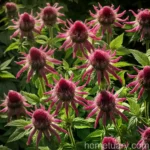
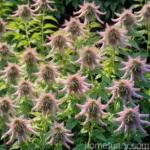
Monarda ‘Petite Delight’, a member of the Lamiaceae family, is a compact and eye-catching perennial plant that is native to North America. This lovely plant is renowned for its aromatic foliage, vibrant flowers, and its ability to attract pollinators, particularly hummingbirds and bees. The plant belongs to the Monarda genus, which comprises approximately 16 species, each with its unique features and characteristics. Monarda plants are commonly known as Bee Balms or Wild Beramots, and they add a delightful charm to gardens with their colorful, nectar-rich blossoms.
Key Takeaways – Monarda ‘Petite Delight’ (Bee Balm)
Before we dive deeper into the various aspects of Monarda ‘Petite Delight’, let’s take a moment to consider the key takeaways of this fascinating plant:
- Plant Name: Monarda ‘Petite Delight’ (Bee Balm)
- Family: Lamiaceae
- Native: North America
- Features: Aromatic foliage, vibrant flowers, attracts pollinators
- Genus: Monarda
- Common Names: Bee Balm, Wild Bergamot
Now, let’s explore the culture, uses, and care requirements of this captivating plant.
Culture of Monarda ‘Petite Delight’ (Bee Balm)
Understanding the culture of a plant is crucial for its successful growth and development. Here’s a detailed look at the culture of Monarda ‘Petite Delight’, covering its water, sunlight, fertilizer, soil, and pruning requirements.
Water
Monarda ‘Petite Delight’ tends to thrive in moist but well-drained soil. Adequate watering is essential, especially during dry spells, to keep the soil consistently moist. However, it’s important to avoid overwatering as it can lead to root rot and other issues. A layer of mulch around the base of the plant can help retain soil moisture and reduce the frequency of watering, particularly during hot summers.
Sunlight
In terms of sunlight, Monarda ‘Petite Delight’ flourishes in full sun to partial shade. Providing it with at least 6 hours of sunlight each day is ideal for promoting healthy growth and abundant flowering. In regions with scorching summers, some afternoon shade can be beneficial as it prevents the plant from wilting due to excessive heat.
Fertilizer
When it comes to fertilizer, Monarda ‘Petite Delight’ doesn’t typically require heavy feeding. A balanced, slow-release fertilizer applied in the spring as new growth emerges can provide the plant with the necessary nutrients for the growing season. Organic options, such as well-composted manure, can also be beneficial for enriching the soil and supporting the plant’s overall health.
Soil
Monarda ‘Petite Delight’ thrives in rich, loamy soil with good drainage. The soil pH should ideally range between 6.0 and 6.7, which is slightly acidic to neutral. Amending the soil with organic matter, such as compost or peat moss, helps enhance its texture and fertility, creating an ideal growing environment for this charming perennial.
Pruning
Pruning plays a significant role in maintaining the health and appearance of Monarda ‘Petite Delight’. Regular deadheading of faded flowers not only prolongs the blooming period but also prevents self-seeding, which can sometimes lead to overgrowth. Additionally, in early spring, trimming back the old stems to ground level stimulates the emergence of fresh, vigorous growth.
Uses of Monarda ‘Petite Delight’ (Bee Balm)
The uses of Monarda ‘Petite Delight’ extend beyond its aesthetic appeal. This versatile plant holds several practical and ornamental uses that make it a desirable addition to gardens and landscapes.
-
Ornamental Purposes: Monarda ‘Petite Delight’ serves as a delightful ornamental plant, adding splashes of color and fragrance to gardens, border plantings, and mixed perennial beds. Its compact size makes it suitable for small gardens or containers, while its attractive blossoms and foliage contribute to the overall visual appeal of the landscape.
-
Wildlife Attraction: One of the standout features of Monarda ‘Petite Delight’ is its ability to attract pollinators, including bees, butterflies, and hummingbirds. Planting it in wildlife gardens or as part of pollinator habitats helps support and enhance local ecosystems.
-
Medicinal Properties: Traditionally, various Native American tribes utilized different parts of Monarda plants, including the leaves and flowers, for their medicinal properties. The plant’s essential oils were used for treating minor ailments, and it was also used as a flavorful, aromatic ingredient in herbal teas.
-
Culinary Uses: The aromatic leaves of Monarda ‘Petite Delight’ can be utilized in culinary creations, often used as a herb to impart a citrusy, minty flavor to dishes. The mild oregano and citrus notes of the leaves make them a delightful addition to salads, marinades, and herbal infusions.
-
Natural Dyeing: The vibrant blooms of Monarda ‘Petite Delight’ can be used to create natural dyes for textiles and crafts. The petals yield shades ranging from pink and red to purple, offering a sustainable alternative to synthetic dyes.
The diverse uses of Monarda ‘Petite Delight’ make it a valuable and multi-faceted addition to any garden or landscape.
Propagation of Monarda ‘Petite Delight’ (Bee Balm)
Division
Division is one of the most common methods for propagating Monarda ‘Petite Delight’. This process involves dividing the plant’s root ball into smaller sections, each containing several stems and healthy root systems. The best time for dividing Monarda plants is in early spring before new growth begins or in the fall when the plant is entering dormancy. The divided sections can then be replanted in suitable locations, providing them with ample moisture and care to encourage establishment and growth.
Seeds
Propagating Monarda ‘Petite Delight’ from seeds is another viable option, allowing gardeners to grow new plants from scratch. The seeds can be collected from mature flower heads and sown directly in the garden soil or started indoors around 8 to 10 weeks before the last expected frost. As with most seeds, maintaining consistent moisture, warmth, and adequate light is essential for successful germination and development.
Cuttings
Taking stem cuttings is an effective method for propagating Monarda ‘Petite Delight’ and producing genetically identical clones of the parent plant. This process involves carefully selecting healthy, non-flowering stems and rooting them in a suitable growing medium. With proper care and regular monitoring of moisture and humidity levels, the cuttings should develop robust root systems and can eventually be transplanted into individual containers or garden beds.
Monarda ‘Petite Delight’ in Containers
Popularity in Containers
The compact size and attractive features of Monarda ‘Petite Delight’ make it a popular choice for container gardening. Its vibrant blossoms and aromatic foliage provide a striking visual display, whether grown in standalone pots or combined with other suitable companion plants. The plant’s versatility and adaptability to container environments make it an ideal option for those with limited garden space or those looking to create appealing arrangements on patios, balconies, or decks.
Container Care
When growing Monarda ‘Petite Delight’ in containers, it’s essential to ensure that the pots or containers provide adequate drainage to prevent waterlogging, which can potentially harm the plant’s root system. Regular watering is crucial, especially during the warmer months, as containers tend to dry out more quickly than garden soil. Applying a balanced liquid fertilizer at half-strength every 4-6 weeks during the growing season can help provide the necessary nutrients for the plant to thrive in its container habitat.
Common Diseases of Monarda ‘Petite Delight’ (Bee Balm)
Like many plants, Monarda ‘Petite Delight’ is susceptible to certain diseases that can impact its health and overall appearance. Understanding and identifying these diseases are imperative for implementing effective prevention and control measures. Here are some common diseases that may affect Monarda ‘Petite Delight’:
| Disease | Symptoms | Control Measures |
|---|---|---|
| Powdery Mildew | White, powdery patches on leaves | Ensure proper air circulation; apply fungicidal sprays; remove and dispose of infected plant parts. |
| Leaf Spot | Dark, irregular lesions on leaves | Remove and destroy infected foliage; avoid overhead watering; apply fungicidal treatments if necessary. |
| Root Rot | Wilting, yellowing, and eventual collapse of the plant | Improve soil drainage; avoid overwatering; use well-draining growing medium for container plants; consider applying fungicidal drenches. |
These are just a few examples of the diseases that can affect Monarda ‘Petite Delight’, emphasizing the importance of proactive plant care and disease management strategies.
Common Pests Affecting Monarda ‘Petite Delight’ (Bee Balm)
In addition to diseases, several pests can pose a threat to the health and vigor of Monarda ‘Petite Delight’. Identifying and addressing these pests promptly is essential for safeguarding the plant and preventing extensive damage. Here are some common pests that may target Monarda ‘Petite Delight’:
| Pest | Symptoms | Control Measures |
|---|---|---|
| Aphids | Clusters of small, soft-bodied insects on new growth | Use insecticidal soaps; encourage natural predators; prune affected plant parts if feasible. |
| Spider Mites | Fine webbing and stippling on leaves | Increase humidity; use insecticidal sprays; prune and dispose of heavily infested foliage. |
| Japanese Beetles | Skeletonized leaves and flowers | Handpick and destroy beetles; apply neem oil or insecticidal sprays; use pheromone traps to reduce beetle populations. |
Vigilance and proactive pest management are vital for preserving the beauty and health of Monarda ‘Petite Delight’.
Botanist’s Tips for Growing Monarda ‘Petite Delight’ (Bee Balm)
As a plant scientist, I offer the following tips for successfully growing and caring for Monarda ‘Petite Delight’:
- Ample Sunlight: Provide the plant with sufficient sunlight to promote robust growth and abundant flowering.
- Consistent Moisture: Maintain a balance in soil moisture, avoiding both waterlogged and excessively dry conditions.
- Pruning and Deadheading: Regularly prune and deadhead the plant to encourage continuous blooming and prevent self-seeding.
- Disease Prevention: Implement cultural practices to ensure good air circulation and avoid overhead watering to minimize the risk of diseases.
- Pest Monitoring: Regularly monitor the plant for signs of pest activity and take appropriate measures to manage infestations.
By following these tips, gardeners can ensure the health, vigor, and beauty of their Monarda ‘Petite Delight’ plants.
Fun Facts about Monarda ‘Petite Delight’ (Bee Balm)
- Historical Significance: Monarda plants were named after the Spanish botanist, Nicolás Monardes, who was known for his influential work on medicinal plants. The genus name pays tribute to his contributions to the field of botany.
- Culinary Delight: The leaves of Monarda ‘Petite Delight’ are not only aromatic but also edible, adding a delightful citrusy zing to salads, teas, and other culinary creations.
- Attracting Hummingbirds: The rich nectar reserves within the blossoms of Monarda ‘Petite Delight’ make them a favored source of nutrition for hummingbirds, enhancing the charm of any garden with their frequent visits.
- Medicinal Traditions: Several Native American tribes utilized Monarda plants, including ‘Petite Delight’, for their medicinal properties, finding various uses for treating common ailments and enhancing overall well-being.
Links to External Resources
To further explore the captivating world of Monarda ‘Petite Delight’ and expand your knowledge, consider delving into the following external resources:
- The American Horticultural Society Encyclopedia of Plants and Flowers
- Royal Horticultural Society – Bee Balm Varieties
- Better Homes & Gardens – Growing Bee Balm
- The Old Farmer’s Almanac – Monarda (Bee Balm)
As we come to the end of this comprehensive guide, I hope you’ve gained valuable insights into the captivating world of Monarda ‘Petite Delight’. Whether you’re a seasoned gardener or a newcomer to the realm of plants, this delightful perennial is sure to bring joy, color, and wildlife to your outdoor spaces.