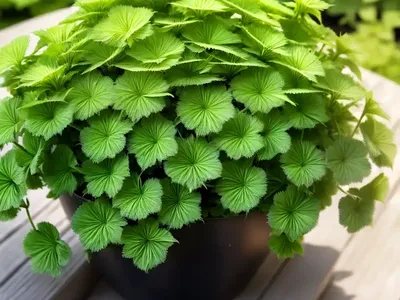
Mini Roses (Rosa Spp.)
When it comes to gardening, the sheer diversity and enchanting elegance of roses have managed to captivate the hearts of gardeners for centuries. The.



When it comes to gardening, the sheer diversity and enchanting elegance of roses have managed to captivate the hearts of gardeners for centuries. The quintessential beauty and fragrance of roses have led to the breeding of numerous cultivars, each with its unique charm and characteristics. Among the myriad of rose varieties, miniature roses, also known as Rosa spp., have carved a niche for themselves, particularly for those seeking to adorn their indoor and outdoor spaces with these petite wonders.
In this comprehensive guide, we will delve into the captivating world of miniature roses, exploring their culture, uses, care, common diseases, and fascinating propagation techniques. Whether you are an aspiring plant enthusiast or a seasoned gardener, the insights shared here will provide valuable knowledge to help you foster these delightful mini rose plants with confidence and finesse.
What are Mini Roses (Rosa spp.)?
Miniature roses, belonging to the species Rosa spp., are dainty counterparts of their larger rose relatives that have been cultivated to flourish in small spaces, both indoors and outdoors. These diminutive beauties exhibit all the classic characteristics of typical roses, such as stunning blooms, intense fragrance, and lush foliage, condensed into charming, petite forms. Their compact size and robust nature make them an ideal choice for landscaping, containers, and indoor gardening, bringing the timeless allure of roses to even the tiniest of spaces.
Key Takeaways – Mini Roses (Rosa spp.)
Before we embark on a detailed journey into the world of miniature roses, it’s essential to highlight the key takeaways regarding these delightful plants. The intricate care and nuances associated with cultivating miniature roses will be explored in subsequent sections.
- Miniature rose varieties offer a diverse range of options, from compact bushy forms to climbing variations, and are available in an array of captivating colors and fragrances.
- Dwarf roses (Rosa spp.) are particularly suitable for small spaces, making them perfect for balconies, patios, and indoor settings.
- With the right care and attention, petite rose plants can thrive both indoors and outdoors, adding a touch of elegance to any environment.
- Mini rose cultivars require specific considerations for culture, including watering, sunlight exposure, fertilization, soil preferences, pruning techniques, and propagation methods.
- Understanding the common diseases and pests that affect mini roses is crucial for maintaining their health and vitality, and adopting appropriate control measures is essential.
- Despite their compact size, miniature roses boast a remarkable level of resilience and can withstand a range of environmental conditions when provided with suitable care and maintenance.
Now, let’s delve deeper into the intricate world of miniature roses, exploring the essential aspects of their culture, propagation, and care, thereby equipping you with the knowledge needed to cultivate these captivating plants with confidence and flair.
Culture
Uses
The versatility of miniature roses extends far beyond their aesthetic appeal, as these petite marvels serve an array of practical and ornamental purposes.
-
Ornamental Beauty: Miniature roses are celebrated for their ornamental value, adorning gardens, balconies, and indoor spaces with their charming blooms and vibrant colors. They serve as captivating focal points and contribute to the overall aesthetics of any environment.
-
Indoor Elegance: The compact size and lush foliage of miniature roses make them ideal choices for indoor gardening, brightening up living spaces and serving as delightful ornamental additions to homes and offices.
-
Landscaping Marvels: Miniature roses are often used in landscaping to add visual interest and create captivating borders, while their climbing variations can elegantly embellish trellises and fences.
-
Special Occasions: The enchanting blooms of miniature roses make them perfect for special occasions, with their petite size and vibrant hues adding a touch of elegance to floral arrangements and decorative displays.
-
Fragrance Delight: Many miniature rose varieties boast delightful fragrances, infusing their surroundings with captivating scents, making them an ideal choice for fragrance gardens or dedicated aromatic spaces.
Water
Proper watering is crucial for the health and vitality of miniature roses, as the right moisture levels ensure robust growth and bountiful blooms.
-
Consistent Moisture: Miniature roses thrive in well-draining soil that retains consistent moisture without becoming waterlogged. It’s essential to strike a balance, avoiding both drought stress and waterlogging, as these extremes can impact the overall health of the plants.
-
Watering Frequency: Depending on the climate and environmental conditions, miniature roses generally require regular watering. During the growing season, it’s advisable to water these plants around two to three times a week, adjusting the frequency based on weather patterns and soil moisture levels.
-
Morning Watering: It’s best to water miniature roses in the morning, allowing any excess moisture to evaporate during the day and minimizing the risk of fungal diseases associated with prolonged dampness.
-
Deep Watering: When irrigating miniature roses, it’s crucial to ensure deep watering that reaches the root zone effectively. Shallow watering may lead to surface root development, making the plants more vulnerable to drought conditions.
-
Mulching Benefits: Applying a layer of organic mulch around miniature roses offers multiple benefits, including retaining soil moisture, regulating soil temperature, and suppressing weed growth, thereby contributing to the overall health of the plants.
Sunlight
Proper sunlight exposure is essential for the optimal growth and flowering of miniature roses, and understanding their sunlight preferences is crucial for cultivating these plants successfully.
-
Full Sun Requirements: Miniature roses thrive in full sunlight, requiring at least six to eight hours of direct sunlight daily to ensure robust growth and abundant blooming.
-
Morning Sun: While miniature roses benefit from full sun exposure, they also appreciate some protection from the harsh, intense afternoon sun, particularly in hot climates. Morning sun is typically gentler and provides the necessary energy for the plants without causing heat stress.
-
Indoor Lighting: When cultivating miniature roses indoors, it’s essential to provide them with bright, indirect light to mimic their outdoor sunlight requirements. Placing the plants near south-facing windows or supplementing natural light with grow lights can help maintain their vitality and flowering capacity.
-
Sunlight Considerations: Understanding the sunlight requirements of miniature roses is essential when selecting their planting locations, whether in the garden, on patios, or within indoor spaces. Proper positioning to capitalize on sunlight exposure significantly contributes to the overall health and vigor of these petite rose plants.
Fertilizer
Applying the right fertilizers at the appropriate intervals is crucial for promoting the vigorous growth and blooming of miniature roses, ensuring that they thrive and remain robust throughout the growing season.
-
Balanced Fertilization: Miniature roses benefit from balanced fertilization, with the application of a well-rounded, slow-release fertilizer designed for flowering plants. The ideal NPK ratio for miniature roses is typically around 10-10-10 or 15-15-15, providing the necessary nutrients for healthy growth and blooming.
-
Fertilizing Frequency: During the growing season, it’s advisable to fertilize miniature roses every four to six weeks, beginning in early spring and continuing until late summer or early fall. Ceasing fertilization at least six to eight weeks before the expected first frost allows the plants to gradually prepare for dormancy.
-
Organic Alternatives: Incorporating organic fertilizers, such as compost or well-decomposed manure, can provide a natural and gentle nutrient boost for miniature roses, enhancing soil fertility and microbial activity while promoting sustainable growth.
-
Watering After Fertilization: After applying fertilizers, it’s essential to water the miniature roses thoroughly. This helps to ensure proper nutrient uptake and prevents the risk of fertilizer burn, safeguarding the plants from potential damage.
-
Soil Testing: Periodic soil testing to assess the nutrient levels and pH balance of the soil can guide the precise application of fertilizers, ensuring that the specific needs of miniature roses are met for optimal growth and flowering.
Soil
Understanding the soil preferences of miniature roses and providing them with suitable growing mediums is vital for promoting healthy root development, vigorous growth, and abundant blooming.
-
Well-Draining Soil: Miniature roses thrive in well-draining soil that prevents waterlogging and allows excess moisture to escape, thereby safeguarding the roots from rot and fungal diseases.
-
Soil Composition: A balanced mix of loamy soil enriched with organic matter, such as compost or well-rotted manure, provides an ideal growing medium for miniature roses, promoting optimal root development and nutrient absorption.
-
Acidic Soil Preference: While miniature roses are adaptable to a range of soil types, they generally prefer slightly acidic soil with a pH level in the range of 6.0 to 6.5. Maintaining the appropriate pH level supports efficient nutrient uptake and overall plant health.
-
Container Considerations: When cultivating miniature roses in containers, it’s crucial to provide them with well-draining potting mixes specifically formulated for roses or flowering plants. Preparing the right soil composition for container-grown miniature roses contributes significantly to their health and vitality.
-
Mulching Benefits: Applying a layer of organic mulch around miniature roses offers multiple advantages, such as moisture retention, weed suppression, and soil temperature regulation, while also enhancing soil fertility as the mulch decomposes gradually.
Pruning
Pruning plays a pivotal role in the maintenance and shaping of miniature roses, promoting compact growth, abundant flowering, and overall plant vigor.
-
Timing and Frequency: Pruning of miniature roses is typically carried out in early spring, before the new growth emerges. This allows for the removal of any damaged, dead, or crossing branches, promoting healthy regrowth and blooming.
-
Pruning Techniques: Utilizing clean, sharp pruning shears, it’s advisable to prune miniature roses by cutting at a 45-degree angle just above a leaf axil. This promotes outward growth and minimizes the risk of disease entry through pruning wounds.
-
Deadheading Blooms: Regular deadheading of spent blooms encourages continuous flowering and prevents the rose plants from directing energy into seed production, diverting their resources toward new growth and blossoms.
-
Shaping Considerations: Pruning can be used to shape miniature roses, maintaining a compact, bushy form and ensuring an attractive and balanced silhouette. This is particularly important for container-grown miniature roses, where space constraints may necessitate careful shaping and maintenance.
-
Dormant Season Pruning: During the dormant season, typically in late winter, it’s advisable to carry out more extensive pruning to remove weak, dead, or diseased wood, promoting strong regrowth and ensuring the health and vigor of miniature roses.
Propagation
Understanding the propagation techniques for miniature roses allows for the expansion of their collection and the preservation of unique varieties through the generation of new plants from existing ones.
-
Cutting Propagation: Propagating miniature roses from cuttings is a popular and effective method for creating new plants. Selecting healthy, non-flowering shoots and preparing them as cuttings enables the cultivation of genetically identical plants with the desired characteristics.
-
Rooting Medium: Rooting mini rose cuttings in a well-draining and sterile medium, such as perlite or vermiculite, provides a conducive environment for root development without the risk of fungal diseases or rot.
-
Optimal Conditions: Providing the right balance of moisture, humidity, and warmth, along with bright, indirect light, promotes successful rooting of miniature rose cuttings, allowing them to develop robust root systems for subsequent transplantation.
-
Grafting Techniques: Grafting miniature roses onto compatible rootstocks is another propagation method that allows for the efficient multiplication of desirable varieties, preserving their unique traits and characteristics.
-
Division and Layering: Additionally, miniature roses can be propagated through division or layering, offering alternative techniques for multiplying existing plants and expanding their presence within the garden or indoor spaces.
Container Popularity
Miniature roses have gained immense popularity in container gardening, offering an array of benefits and versatility for both seasoned gardeners and beginners alike.
-
Space Efficiency: The compact size of miniature roses makes them ideal candidates for container gardening, allowing individuals with limited outdoor space to indulge in the beauty of these charming plants.
-
Decorative Element: Miniature roses serve as delightful and ornamental additions to outdoor patios, balconies, and even indoor spaces when grown in containers, adding a touch of elegance and natural beauty to any environment.
-
Versatile Placement: Container-grown miniature roses can be strategically placed to create visual interest, highlight specific areas, or provide charming accents within the overall landscape or indoor setting.
-
Ease of Maintenance: Cultivating miniature roses in containers facilitates easier maintenance, including watering, fertilization, and pruning, as the plants are contained within a specific area, allowing for more focused care and attention.
-
Seasonal Mobility: Container-grown miniature roses offer the flexibility to be moved and repositioned as needed, allowing for seasonal adjustments, event-specific displays, or simply catering to changing aesthetic preferences.
Common Diseases
Miniature roses, like their larger counterparts, are susceptible to certain diseases that can impact their overall health and vitality. Understanding these common diseases is crucial for effective management and prevention.
-
Powdery Mildew (Sphaerotheca pannosa): A common fungal disease that manifests as white, powdery patches on the leaves and stems of miniature roses, potentially leading to reduced photosynthesis and overall plant vigor if left unchecked.
-
Black Spot (Diplocarpon rosae): Characterized by dark, circular spots with yellow halos on the leaves of miniature roses, black spot can lead to defoliation and weaken the plants over time if not addressed promptly.
-
Botrytis Blight (Botrytis cinerea): This fungal disease can affect miniature roses, particularly in humid conditions, leading to the development of grayish-brown mold on the leaves, stems, and blooms, potentially causing rot and deterioration of plant tissues.
-
Rust (Phragmidium spp.): Rust manifests as reddish-brown or orange spores on the undersides of miniature rose leaves, often leading to leaf yellowing, premature defoliation, and diminished plant health.
-
Downy Mildew (Peronospora spp.): This fungal disease can impact miniature roses, causing pale green to yellow patches on the upper leaf surfaces and grayish-purple mold on the undersides, potentially leading to defoliation and weakened plant vitality.
-
Preventive Measures: Implementing preventative measures, such as promoting good air circulation, avoiding overhead watering, and maintaining overall plant health, can mitigate the risk of these diseases, reducing the likelihood of their occurrence and spread.
Disease Diagnosis
Accurate diagnosis of diseases affecting miniature roses is essential for implementing targeted control measures and preserving the health and vigor of the plants.
-
Visual Symptoms: Careful observation of the foliage, stems, and blooms of miniature roses allows for the identification of visual symptoms associated with common diseases, such as unusual discoloration, spots, mold, or deformities.
-
Diagnostic Resources: Utilizing diagnostic resources, such as gardening manuals, online guides, or seeking advice from experienced horticulturists and plant health professionals, can aid in the accurate diagnosis of diseases affecting miniature roses.
-
Laboratory Testing: In cases of uncertainty or severe disease outbreaks, laboratory testing of plant samples can provide precise identification of causative pathogens, enabling the implementation of targeted control and management strategies.
-
Integrated Pest and Disease Management: Incorporating integrated pest and disease management practices, such as cultural controls, organic treatments, and, in severe cases, approved chemical interventions, is essential for effectively addressing diseases that impact miniature roses.
Common Pests
In addition to diseases, miniature roses are vulnerable to certain pests that can affect their growth and blooming potential, necessitating proactive pest management measures for their protection.
-
Aphids: These tiny, sap-sucking insects can infest the foliage and new growth of miniature roses, potentially causing distortion, yellowing, and stunted development if not controlled.
-
Spider Mites: Spider mites are common pests that can target miniature roses, particularly in hot, dry conditions, leading to the development of webbing, stippling on the leaves, and diminished plant vigor if left unchecked.
-
Thrips: Thrips can affect miniature roses, causing silvery or brown stippling on the leaves and buds, potentially leading to distorted blooms and compromised plant aesthetics.
-
Scale Insects: Scale insects can infest miniature roses, appearing as small, immobile bumps on the stems and leaves, often leading to weakened growth and overall plant vitality.
-
Preventive Monitoring: Regular monitoring and inspection of miniature rose plants for the presence of pests allow for early detection and the implementation of targeted control measures, minimizing the potential impact of pest infestations.
-
Organic Controls: Employing organic pest control methods, such as insecticidal soaps, neem oil, or horticultural oils, offers environmentally friendly options for managing pest populations without resorting to synthetic chemicals.
Botanist’s Tips
Positioning and Spacing
When planting miniature roses, whether in the garden or in containers, the positioning and spacing of the plants play a crucial role in optimizing their growth and visual impact.
-
Planting Distances: Providing adequate spacing between miniature rose plants allows for proper air circulation, reduces the risk of disease spread, and enables them to develop to their full potential without overcrowding.
-
Positioning Considerations: Ensuring that miniature roses are positioned in locations with suitable sunlight exposure, minimal exposure to harsh winds, and a conducive microclimate fosters their overall health and vitality, enhancing their blooming capacity and resilience.
Winter Protection
Providing winter protection for miniature roses is essential for safeguarding them from the potential impacts of cold temperatures and inclement weather.
-
Mulching: Applying a layer of organic mulch around the base of miniature rose plants in late fall helps insulate the roots, regulate soil temperatures, and reduce the risk of frost damage during the winter months.
-
Hilling Soil: Mounding soil around the base of miniature rose plants provides an additional layer of insulation, protecting the lower stems and root zone from freezing temperatures and frost exposure.
-
Wrapping and Covering: In colder climates, wrapping miniature rose plants with burlap or utilizing protective covers specifically designed for winter protection offers an effective shield against harsh weather conditions, ensuring their survival and resilience.
Continuous Maintenance
Regular and consistent maintenance practices, including watering, fertilizing, pruning, and pest management, are essential for the sustained health and vigor of miniature roses.
-
Integrated Care Schedule: Developing an integrated care schedule that incorporates watering, fertilization, pest monitoring, and occasional pruning ensures that miniature roses receive the necessary attention and maintenance for optimal growth and flowering.
-
Vigilant Observation: Regular visual inspection of miniature rose plants allows for the early detection of any signs of disease, pest activity, or nutrient deficiencies, enabling swift intervention to address any issues that may arise.
-
Seasonal Adaptation: Adapting care practices and maintenance routines to align with the changing seasons and environmental conditions ensures that miniature roses receive tailored care that meets their specific requirements throughout the year.
Fun Facts
-
Symbolism: Roses, including miniature varieties, are often associated with sentiments of love, beauty, and elegance, making them popular choices for romantic gestures and decorative displays during special occasions.
-
Hybridization: The breeding of miniature roses involves intricate hybridization techniques to create new cultivars with unique color variations, bloom forms, and fragrance profiles, contributing to the diversity and allure of these petite plants.
-
Historical Significance: Roses have been cherished by various cultures throughout history, featuring prominently in art, literature, and mythology, symbolizing diverse concepts ranging from beauty and purity to passion and resilience.
-
Aromatic Appeal: Many miniature rose