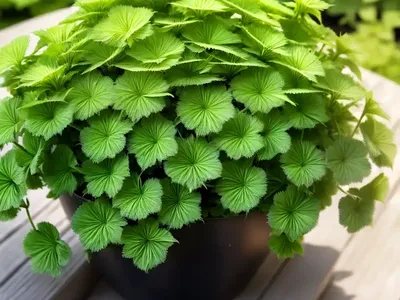
Mini Rose Bush (Miniature Rose)
A miniature rose bush, also known as a mini rose bush or dwarf rose bush, is a delightful plant that captures the imagination with its petite size and.
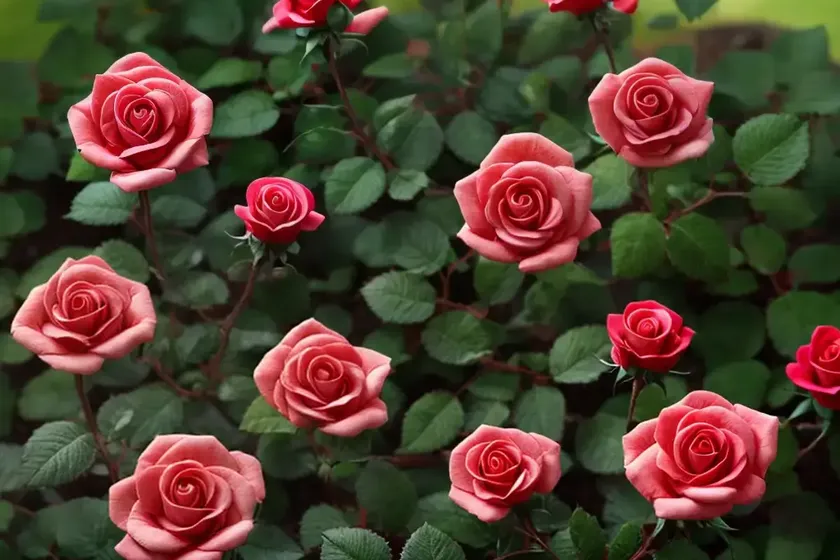

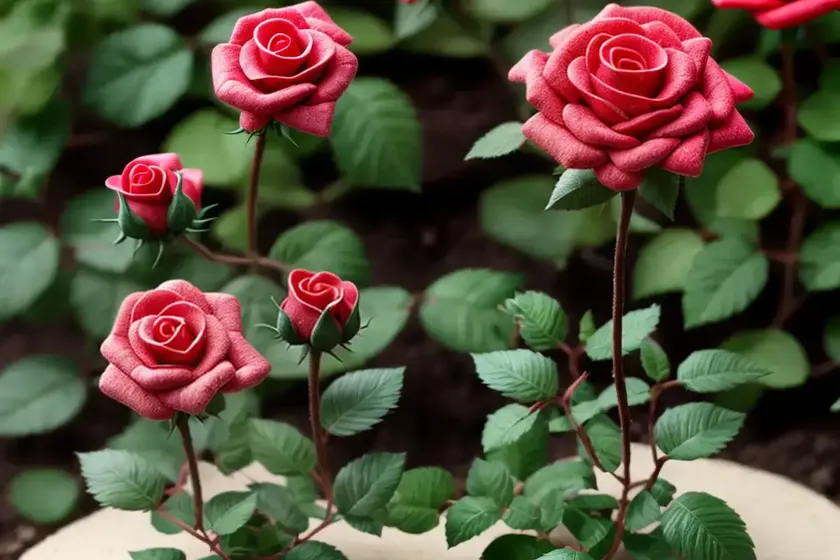
A miniature rose bush, also known as a mini rose bush or dwarf rose bush, is a delightful plant that captures the imagination with its petite size and vibrant blooms. This diminutive beauty is a popular choice for both indoor and outdoor gardening, adding a touch of elegance and charm to any space. In this comprehensive guide, we will delve into the world of the mini rose bush, exploring its cultural requirements, propagation techniques, common issues, and so much more.
What is a Mini Rose Bush?
The miniature rose, or Rosa chinensis minima, is a compact version of the traditional garden rose. Unlike its larger relatives, miniature roses boast petite blooms and dainty foliage, making them an enchanting addition to gardens, balconies, and indoor spaces. The plant typically reaches a height of 6 to 18 inches, although some varieties may grow slightly taller.
Key Takeaways – Mini Rose Bush
Before we dive into the specifics of caring for miniature rose bushes, let’s take a brief look at some key takeaways regarding their characteristics and cultivation.
- Botanical Name: Rosa chinensis minima
- Common Names: Miniature rose, mini rose, dwarf rose
- Mature Height: 6 to 18 inches
- Growth Habit: Compact, bushy
- Flower Color: Wide range of hues including red, pink, white, and yellow
- Uses: Indoor and outdoor decoration, gifts, floral arrangements
- Special Feature: Fragrant blooms in a small size
Now that we have an overview of the charming miniature rose bush, let’s explore the essential aspects of nurturing and enjoying these delightful plants.
Culture
Uses
Miniature rose bushes are cherished for their versatility and aesthetic appeal. Here are some common uses of these captivating plants:
- Indoor Decoration: Due to their compact size, miniature rose bushes make excellent indoor plants, adding a pop of color to windowsills, countertops, and desks.
- Outdoor Ornamentation: In gardens, balconies, or patio settings, miniature rose bushes serve as eye-catching features, either planted in containers or directly in the ground.
- Gifts and Floral Arrangements: The delicate blooms of miniature roses make them perfect for gifting and crafting lovely floral arrangements, bouquets, and table centerpieces.
Water
Proper watering is crucial for the health and vitality of miniature rose bushes. These plants require consistent moisture, but it’s essential to avoid overwatering, which can lead to root rot. Here are some key points to keep in mind regarding watering:
- Frequency: Water the plant deeply whenever the top inch of the soil feels dry to the touch, typically every 2 to 3 days depending on environmental conditions.
- Watering Technique: Apply water directly to the base of the plant, avoiding wetting the foliage to minimize the risk of fungal diseases.
- Drainage: Ensure that the container or the soil in which the rose bush is planted provides adequate drainage to prevent waterlogging.
Sunlight
Miniature rose bushes thrive in bright sunlight and warm conditions. Adequate exposure to sunlight is essential for robust growth and abundant flowering. Here’s what you need to know about providing the right amount of sunlight:
- Outdoor Placement: Place miniature rose bushes in a location where they receive at least 6 hours of direct sunlight each day, preferably in the morning and early afternoon.
- Indoor Lighting: When grown indoors, ensure that the plants receive ample natural light by placing them near south-facing windows or supplementing with artificial grow lights if needed.
Fertilizer
To support healthy growth and flower production, miniature rose bushes benefit from regular fertilization during the growing season. Here are some guidelines for fertilizing these petite plants:
- Fertilizer Type: Use a balanced, water-soluble fertilizer formulated specifically for roses or flowering plants.
- Frequency: Apply fertilizer every 2 to 4 weeks from early spring to mid-summer, following the manufacturer’s instructions regarding dilution and application rates.
- Discontinuation: Cease fertilization in late summer to allow the plant to gradually enter dormancy in preparation for the winter months.
Soil
The choice of soil significantly impacts the overall health and vigor of miniature rose bushes. Well-draining, nutrient-rich soil is essential to support their growth and blooming. Consider the following when selecting or preparing soil for these plants:
- Medium: Use a well-draining potting mix with good aeration and water retention capabilities when growing miniature rose bushes in containers.
- pH Level: Aim for slightly acidic soil with a pH range of 6.0 to 6.5 for optimal nutrient uptake and overall plant health.
Pruning
Pruning is a crucial aspect of miniature rose bush care, promoting tidy growth, strong flowering, and overall plant vigor. Proper pruning helps maintain the plant’s compact shape and removes dead or diseased growth. Here are some key points to remember when pruning miniature rose bushes:
- Timing: Pruning is typically performed in late winter or early spring before new growth begins, allowing the plant to channel its energy into producing new shoots and blooms.
- Technique: Use clean, sharp pruning shears to make angled cuts above outward-facing buds, removing spent blooms and thinning out crowded or crossing branches.
Propagation
Miniature rose bushes can be propagated through various methods, including stem cuttings and division. Successfully propagating these charming plants allows for the creation of new specimens to enjoy or share with friends and family. Here’s an overview of two common propagation techniques:
- Stem Cuttings: Select healthy stems with several sets of leaves, remove the lower leaves, and place the cuttings in a well-draining rooting medium to develop roots.
- Division: When transplanting mature miniature rose bushes, carefully divide the root mass into sections, ensuring that each division has ample roots and healthy growth to thrive independently.
Container Popularity
The petite size and captivating beauty of miniature rose bushes make them a popular choice for container gardening. Whether grown on balconies, patios, or as indoor plants, these charming roses captivate with their colorful blooms and compact form. Their adaptability to container cultivation further adds to their allure, creating delightful displays in small spaces.
Container Common Diseases
While miniature rose bushes flourish in containers, they may be susceptible to certain diseases commonly associated with container-grown plants. It’s essential to be aware of these potential issues to take proactive measures to prevent or address them. Some common container diseases affecting miniature rose bushes include:
- Powdery Mildew: A fungal disease that appears as a powdery white coating on the leaves, affecting plant vigor and aesthetic appeal.
- Root Rot: Overwatering or poor drainage can lead to root rot, causing the plant to decline and exhibit wilted, yellowing foliage.
Disease Diagnosis
Identifying and diagnosing diseases affecting miniature rose bushes is crucial for implementing effective treatment strategies and preventing the spread of infections. Pay close attention to the plant’s appearance and behavior to diagnose potential diseases, and consider seeking professional advice if needed.
- Visual Symptoms: Look for abnormalities such as discolored or distorted leaves, unusual spots or markings, and signs of wilting or stunted growth.
- Behavioral Cues: Consider the plant’s overall vigor, flowering pattern, and response to cultural practices, as changes in these aspects may indicate underlying health issues.
- Professional Consultation: If uncertain about a disease diagnosis or treatment approach, consult with local horticultural experts or plant pathologists for personalized guidance.
Common Pests
Miniature rose bushes, like many other ornamental plants, may fall prey to various pests that can compromise their health and appearance. Vigilance and timely pest management are essential to safeguard the plants from pest-related damage. Some common pests that may affect miniature rose bushes include:
- Aphids: Tiny, sap-sucking insects that cluster on new growth, causing distortion and yellowing of leaves.
- Spider Mites: These minuscule pests feed on plant sap, causing stippling and webbing on the foliage.
Botanist’s Tips
To help ensure the success of your miniature rose bushes, consider the following expert tips derived from the expertise of botanists and horticulturalists:
- Adequate Air Circulation: Promote airflow around the plants to discourage fungal diseases and create an optimal growing environment.
- Consistent Monitoring: Regularly inspect the plants for signs of pests, diseases, or nutrient deficiencies, addressing any issues promptly.
- Proper Pruning Tools: Use clean, sharp pruning tools to minimize the risk of spreading diseases or causing unnecessary damage to the plants.
Fun Facts
- Miniature roses have been cultivated for centuries, with evidence of their existence dating back to ancient Roman and Chinese civilizations.
- Some miniature rose varieties are renowned for their captivating fragrance, offering a delightful sensory experience.
- The charming blooms of miniature roses make them a common choice for special occasions such as weddings, anniversaries, and Valentine’s Day.
Links to External Resources
For additional information and resources on miniature rose bush care, propagation, and cultivation, consider exploring the following reputable sources:
- American Rose Society
- Royal Horticultural Society
- University Extension Websites (e.g., University of California Extension)
The miniature rose bush, with its diminutive size and captivating blooms, holds an enduring appeal for gardeners, flower enthusiasts, and anyone who appreciates the beauty of nature. By embracing the cultural requirements, propagation techniques, and pest and disease management strategies outlined in this guide, you can cultivate vibrant and thriving miniature rose bushes, enriching your indoor and outdoor spaces with their enchanting presence. Whether you’re a seasoned gardener or a novice plant enthusiast, the miniature rose bush offers a delightful opportunity to connect with the beauty and charm of the botanical world.
So, why not introduce a touch of magic into your surroundings with the miniature rose bush – a miniature marvel of nature that promises to captivate and inspire? With careful attention to its needs and a dash of creativity, you can transform your living spaces into vibrant showcases of botanical splendor, courtesy of the delightful miniature rose bush.