Mini Adam Ivy (Hedera Helix ‘Adam’)
Plants not only enhance the visual appeal of our surroundings but also bring a sense of tranquility and harmony. Among the vast array of indoor plants, the.
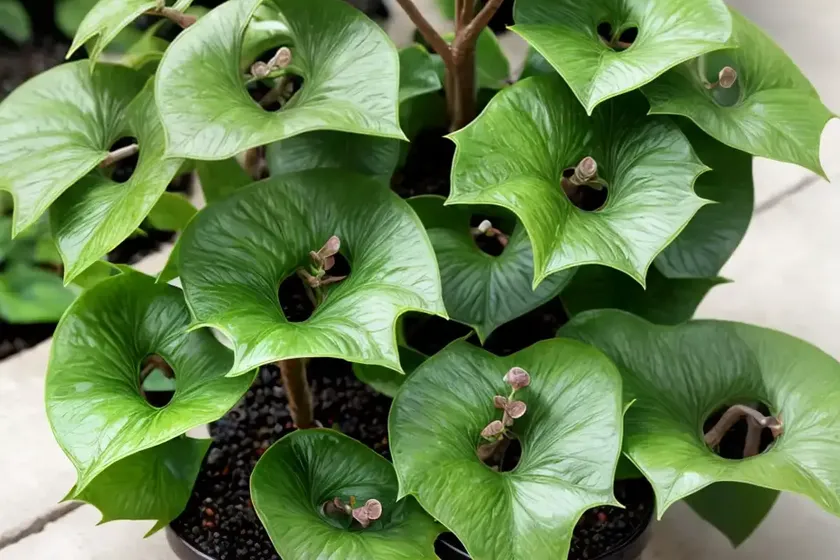
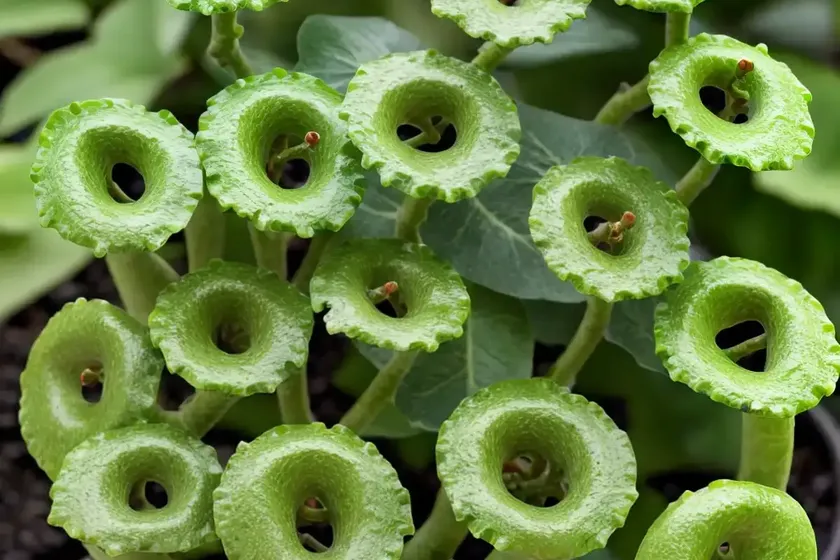
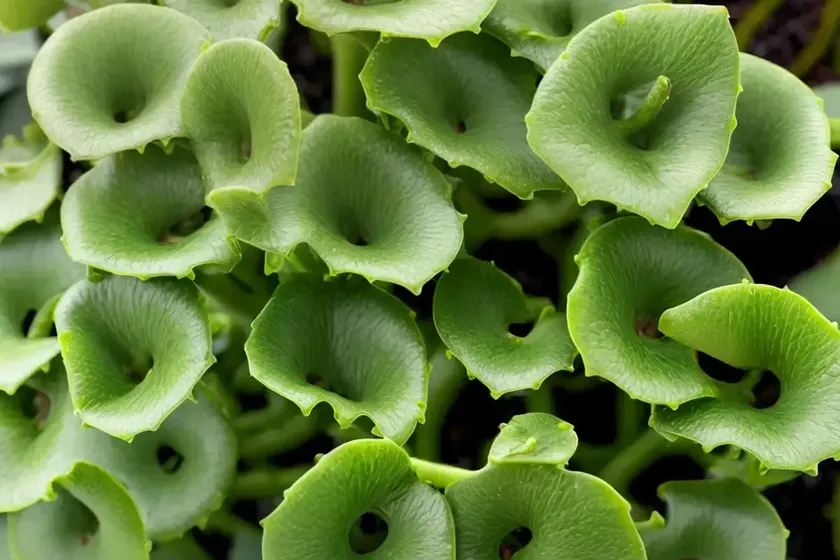
Plants not only enhance the visual appeal of our surroundings but also bring a sense of tranquility and harmony. Among the vast array of indoor plants, the Mini Adam Ivy, scientifically known as Hedera helix ‘Adam’, stands out as an elegant and versatile choice. This article aims to provide a comprehensive guide to caring for the Mini Adam Ivy, covering its cultural needs, uses, care requirements, propagation methods, common diseases, and more.
What is Mini Adam Ivy (Hedera helix ‘Adam’)?
The Mini Adam Ivy, or Hedera helix ‘Adam’, is a cultivar of the common ivy, known for its compact size and attractive foliage. It is a member of the Araliaceae family and is native to Europe and Western Asia. This miniature ivy plant is a popular choice for indoor cultivation due to its adaptability and low maintenance requirements.
Key Takeaways – Mini Adam Ivy (Hedera helix ‘Adam’)
Before delving deeper into the care and maintenance of the Mini Adam Ivy, let’s outline the key takeaways that will be covered in this comprehensive guide:
- Culture:
- Understanding the origin and characteristics of the Mini Adam Ivy.
- Uses:
- Exploring the versatile applications of this plant in indoor settings.
- Water:
- Detailed insights on watering requirements for optimal growth.
- Sunlight:
- Determining the ideal light conditions for the Mini Adam Ivy.
- Fertilizer:
- Guidance on fertilizing practices to support the plant’s health.
- Soil:
- Selecting the right soil type for planting and repotting.
- Pruning:
- Techniques for maintaining the plant’s shape and promoting growth.
- Propagation:
- Methods for propagating new Mini Adam Ivy plants.
- Container Popularity:
- Exploring the suitability of containers for this plant.
- Common Diseases:
- Identifying potential diseases and their management.
- Common Pests:
- Strategies for pest control and prevention.
- Botanist’s Tips:
- Expert recommendations for successful Mini Adam Ivy care.
- Fun Facts:
- Intriguing and lesser-known insights about the Mini Adam Ivy.
- Links to External Resources:
- Accessing additional information and resources for plant care.
Understanding the cultural background of the Mini Adam Ivy can provide valuable insights into its native habitat and growth patterns.
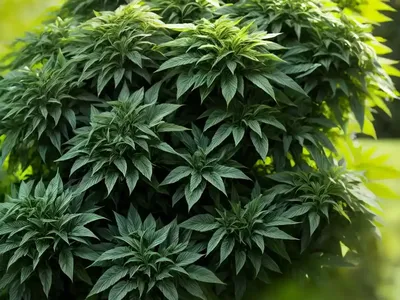
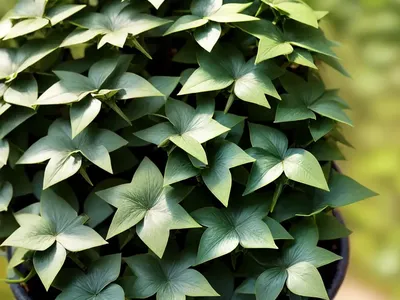
The Mini Adam Ivy (Hedera helix ‘Adam’) is a compact evergreen plant that belongs to the larger Hedera helix species. It is a cultivar that is specifically bred for its small size, making it an ideal choice for indoor cultivation. The plant is characterized by its distinctive deep green leaves and its ability to trail or climb when provided with suitable support.
The Mini Adam Ivy (Hedera helix ‘Adam’) has various practical and aesthetic uses, making it a popular choice among indoor plants:
- Indoor Décor: The Mini Adam Ivy is well-suited for indoor spaces, adding a touch of greenery and elegance to homes, offices, and public spaces.
- Vertical Gardens: Its trailing nature makes it an excellent choice for vertical gardens, creating stunning natural displays in limited spaces.
- Hanging Baskets: Due to its cascading growth habit, the Mini Adam Ivy is an ideal candidate for hanging baskets, adding a lush and vibrant touch to elevated settings.
- Terrariums: Its compact size and adaptability make it a perfect fit for terrariums, bringing a sense of tranquility to enclosed miniature ecosystems.
- Natural Privacy Screens: When grown outdoors, the Mini Adam Ivy can be used to create natural privacy screens, providing a green alternative to traditional fencing.
- Air Purification: Like many other houseplants, the Mini Adam Ivy contributes to indoor air purification by removing certain toxins and improving air quality.
- Low-Light Conditions: This plant thrives in low-light conditions, making it suitable for areas with limited natural light exposure.
Understanding the diverse applications of the Mini Adam Ivy can help in determining the most suitable placement and use of this versatile plant in different settings.
Watering is a critical aspect of Mini Adam Ivy care, as it directly impacts the plant’s health and growth. Understanding the water requirements and best practices for watering is essential for maintaining a thriving Mini Adam Ivy.
- Water Requirements: The Mini Adam Ivy prefers consistently moist soil. It is important to water the plant when the top inch of the soil feels dry to the touch. However, it’s crucial to avoid overwatering, as this can lead to root rot and other issues.
- Watering Frequency: During the growing season (spring and summer), aim to water the Mini Adam Ivy more frequently, ensuring that the soil remains evenly moist without becoming waterlogged. In the winter months, reduce the watering frequency, allowing the soil to partially dry out between waterings.
- Watering Method: When watering the Mini Adam Ivy, it is advisable to water the soil directly at the base of the plant, allowing the water to be absorbed evenly. Avoid wetting the foliage excessively, as this can lead to fungal diseases.
Consistently monitoring the soil moisture and adapting the watering frequency based on seasonal changes is crucial for ensuring the well-being of the Mini Adam Ivy.
As with any plant, the Mini Adam Ivy’s sunlight requirements play a significant role in its overall health and growth. Understanding its preferences for light conditions is essential for providing an optimal environment.
- Light Requirements: The Mini Adam Ivy thrives in bright, indirect light. It can tolerate some degree of direct sunlight, especially in the morning or late afternoon, but prolonged exposure to intense sunlight can cause leaf browning and damage.
- Low-Light Tolerance: One of the key advantages of the Mini Adam Ivy is its ability to thrive in low-light conditions, making it a suitable choice for indoor spaces with limited natural light.
- Placement: When choosing a location for the Mini Adam Ivy, aim for areas with filtered light or moderate shade. North-facing or east-facing windows typically provide an ideal balance of light for this plant.
By understanding the Mini Adam Ivy’s light preferences, it becomes possible to create a suitable environment that promotes healthy and vigorous growth.
Proper fertilization is essential for supporting the Mini Adam Ivy’s growth and maintaining its overall health. Choosing the right type of fertilizer and applying it at the appropriate times is crucial for optimal results.
- Fertilizer Type: When selecting a fertilizer for the Mini Adam Ivy, opt for a balanced, water-soluble fertilizer that is specifically formulated for indoor plants. Look for a fertilizer with balanced N-P-K (nitrogen, phosphorus, potassium) ratios to support overall growth and foliage development.
- Fertilizing Schedule: During the growing season (spring and summer), fertilize the Mini Adam Ivy every 4-6 weeks to provide essential nutrients. Reduce or discontinue fertilization in the fall and winter months when the plant is in a period of reduced growth.
- Application Method: Dilute the fertilizer to half the recommended strength to avoid over-fertilization, which can lead to salt buildup in the soil. Apply the diluted fertilizer to the soil, ensuring that it is evenly distributed around the base of the plant.
Applying fertilizer in moderation and following a consistent schedule is essential for supporting the Mini Adam Ivy’s nutritional needs without causing harm due to over-fertilization.
Selecting the appropriate type of soil is crucial for providing the Mini Adam Ivy with the right growing medium to support its root development and overall health.
- Soil Mix: The ideal soil mix for the Mini Adam Ivy should be well-draining and rich in organic matter. A combination of peat-based potting soil with added perlite or coarse sand can provide a suitable growing medium, ensuring adequate aeration and moisture retention.
- Moisture Retention: The soil should be capable of retaining moisture without becoming waterlogged. It’s essential to avoid overly compacted or heavy soils, as they can impede root growth and lead to drainage issues.
- pH Level: The optimal soil pH for Mini Adam Ivy cultivation ranges from slightly acidic to neutral (pH 6.0-7.0). Regular monitoring of the soil pH can help in maintaining a favorable growing environment for the plant.
Choosing the right soil mix and ensuring proper drainage are fundamental aspects of Mini Adam Ivy care, contributing to the plant’s overall well-being.
Pruning plays a significant role in maintaining the Mini Adam Ivy’s shape, controlling its growth, and promoting a lush and dense foliage display. Understanding the key principles of pruning is essential for successful plant care.
- Pruning Frequency: Regular pruning can help manage the Mini Adam Ivy’s growth and prevent it from becoming overly leggy or sparse. Aim to prune the plant every few months, especially during the growing season, to maintain its desired shape.
- Pruning Technique: Use clean, sharp pruning shears to trim back overgrown or unruly stems. Remove any dead or yellowing foliage to maintain the plant’s appearance and encourage the growth of healthy new leaves.
- Training and Shaping: The Mini Adam Ivy can be trained to grow in a specific direction or along a support structure, such as a trellis or wire frame. Gently guide the plant and prune as needed to achieve the desired growth pattern.
Pruning the Mini Adam Ivy not only enhances its aesthetic appeal but also promotes overall plant health by allowing for improved air circulation and light penetration.
Understanding the methods for propagating the Mini Adam Ivy is valuable for expanding your plant collection and sharing this beautiful cultivar with others. Several propagation techniques can be used to create new plants from existing Mini Adam Ivy specimens.
- Stem Cuttings: Propagation from stem cuttings is a common method for creating new Mini Adam Ivy plants. Select a healthy stem tip and take a cutting just below a leaf node. Place the cutting in a container of water or moistened potting mix, and roots will develop over time.
- Division: If the Mini Adam Ivy has become dense and established, it can be divided into separate plants. Gently remove the plant from its container, and carefully separate the root ball into sections, ensuring that each section has healthy roots and foliage.
- Layering: Layering is another propagation method where a stem is encouraged to root while still attached to the parent plant. Simply bend a healthy stem downward, make a small incision or remove a portion of the outer bark, and secure the wounded area in contact with soil. Roots will develop at the wounded site, and the rooted portion can be separated to form a new plant.
By exploring different propagation methods, it becomes possible to create new Mini Adam Ivy plants and expand your indoor plant collection with ease.
The Mini Adam Ivy’s compact size and trailing nature make it an ideal candidate for container cultivation. Choosing the right container and understanding its care requirements is essential for creating a thriving environment for the plant.
- Container Size: Select a container that provides ample room for the Mini Adam Ivy’s root system while allowing for some additional growth. A container with drainage holes is essential to prevent waterlogging and ensure proper root aeration.
- Drainage Considerations: When planting the Mini Adam Ivy in a container, consider using a layer of gravel or broken pottery at the bottom to enhance drainage. This can prevent water from pooling at the bottom of the container and causing root rot.
- Repotting: As the Mini Adam Ivy grows, it may require repotting into a slightly larger container to accommodate its increasing root system. Periodically check the plant’s root growth and consider repotting every 1-2 years as needed.
Understanding the importance of appropriate containers and proper care techniques is crucial for maintaining the Mini Adam Ivy’s health and vitality in a container setting.
While the Mini Adam Ivy is generally resilient, it may be susceptible to certain diseases if its growing conditions are not adequately managed. Recognizing common diseases and their symptoms is essential for timely intervention and control.
- Fungal Leaf Spot: This common fungal disease can affect the Mini Adam Ivy, causing dark, water-soaked spots to develop on the leaves. Ensure that the plant is not overwatered, and provide adequate air circulation to prevent the spread of fungal pathogens.
- Powdery Mildew: Powdery mildew appears as a powdery white coating on the plant’s foliage. It is often the result of high humidity and poor air circulation. Reduce humidity levels and ensure proper ventilation to prevent powdery mildew.
- Root Rot: Overwatering and waterlogged soil can lead to root rot in the Mini Adam Ivy. Symptoms include yellowing and wilting of the leaves. Ensure that the plant’s soil is well-draining, and adjust the watering frequency to prevent excessive moisture around the roots.
Vigilant monitoring of the Mini Adam Ivy’s foliage and overall health can help in identifying and managing common diseases before they escalate.
When diagnosing potential diseases affecting the Mini Adam Ivy, it’s essential to closely observe the plant’s symptoms and consider its growing conditions.
- Leaf Examination: Inspect the Mini Adam Ivy’s foliage for any signs of discoloration, spots, or abnormal growth patterns. Dark spots, wilting, or unusual browning may indicate the presence of a fungal or bacterial disease.
- Soil Assessment: Check the plant’s soil for moisture levels and drainage. If the soil is excessively wet or waterlogged, it may indicate potential issues such as root rot, which can affect the plant’s overall health.
- Environmental Conditions: Consider the plant’s growing environment, including humidity levels, temperature, and light exposure. Inadequate ventilation, high humidity, or extreme temperature fluctuations can contribute to the development of certain diseases.
Thoroughly evaluating the Mini Adam Ivy’s symptoms and its growing conditions can provide valuable clues for accurate disease diagnosis and targeted management.
While the Mini Adam Ivy is generally resilient against pests, certain insects may pose a threat to its health. Understanding common pests and implementing effective pest control measures is essential for safeguarding the plant.
- Aphids: Aphids are small, soft-bodied insects that feed on the sap of plants, including the Mini Adam Ivy. They can cause leaf distortion, yellowing, and the secretion of sticky honeydew. Use a strong stream of water or insecticidal soap to remove aphids from the plant.
- Spider Mites: Spider mites are tiny pests that can cause stippling, webbing, and yellowing of the Mini Adam Ivy’s foliage. Increase humidity levels and use insecticidal soap to control spider mite infestations.
- Mealybugs: Mealybugs are small, white, cottony insects that tend to congregate on the undersides of leaves and the stems of the Mini Adam Ivy. Use a cotton swab dipped in rubbing alcohol to remove and control mealybug populations.
Regular monitoring and prompt intervention can help in managing pest infestations and preventing significant damage to the Mini Adam Ivy.
Drawing upon expert insights and recommendations can provide valuable guidance for successful Mini Adam Ivy care. Here are some botanist-approved tips and best practices for cultivating this elegant plant:
- Consistent Monitoring: Regularly monitor the Mini Adam Ivy’s growth, foliage, and overall health to detect any issues early on and implement appropriate care.
- Balanced Watering: Practice balanced watering by keeping the soil evenly moist without allowing it to become waterlogged. Adjust the watering frequency based on seasonal changes and the plant’s specific requirements.
- Preventative Care: Emphasize preventative care measures to minimize the risk of diseases and pests. This includes providing adequate ventilation, maintaining proper humidity levels, and ensuring good air circulation.
- Gentle Pruning: When pruning the Mini Adam Ivy, use sharp, clean pruners to avoid causing unnecessary damage to the plant. Focus on gentle shaping and maintenance pruning to promote healthy growth.
- Regular Fertilization: Consistently fertilize the Mini Adam Ivy during the growing season to provide essential nutrients for vigorous foliage development and overall plant health.
By incorporating these botanist-approved tips into your Mini Adam Ivy care routine, you can create an optimal environment for the plant’s growth and well-being.
Delving into the fascinating world of the Mini Adam Ivy reveals intriguing and lesser-known facts about this popular plant:
- The Mini Adam Ivy is also known by the common names “Dwarf Ivy” and “Miniature Ivy” due to its compact size and small leaves.
- Hedera helix, the species to which the Mini Adam Ivy belongs, is known for its ability to purify indoor air by removing certain pollutants and toxins.
- The Mini Adam Ivy is often used as a trailing plant in hanging baskets and elevated planters, showcasing its versatility and adaptability to various growing conditions.
- In addition to its decorative and ornamental uses, the Mini Adam Ivy has historical significance and has been featured in various cultural and literary references throughout the centuries.
Exploring these fun facts can deepen your appreciation for the Mini Adam Ivy and its unique characteristics, enriching your understanding of this beloved plant.
To further expand your knowledge of Mini Adam Ivy (Hedera helix ‘Adam’) care and cultivation, consider exploring the following external resources:
- Royal Horticultural Society – Growing Ivy (Hedera)
- University of Florida IFAS Extension – Hedera helix, English Ivy
- Missouri Botanical Garden – Hedera helix
These external resources provide valuable insights and in-depth information on the cultivation, care, and characteristics of the Mini Adam Ivy, enhancing your expertise in plant care and horticulture.
In conclusion, the Mini Adam Ivy (Hedera helix ‘Adam’) is a versatile and elegant plant that can thrive in various indoor settings. By understanding its cultural requirements, optimal care practices, and potential uses, you can create an ideal environment for this captivating plant to flourish. With a combination of attentive care, regular monitoring, and a touch of botanical creativity, the Mini Adam Ivy can enrich indoor spaces and bring a sense of natural beauty to its surroundings.