Ming Aralia (Polyscias Fruticosa)
In the world of indoor gardening, the Ming Aralia (Polyscias fruticosa) stands out as a popular and elegant choice for many plant enthusiasts..
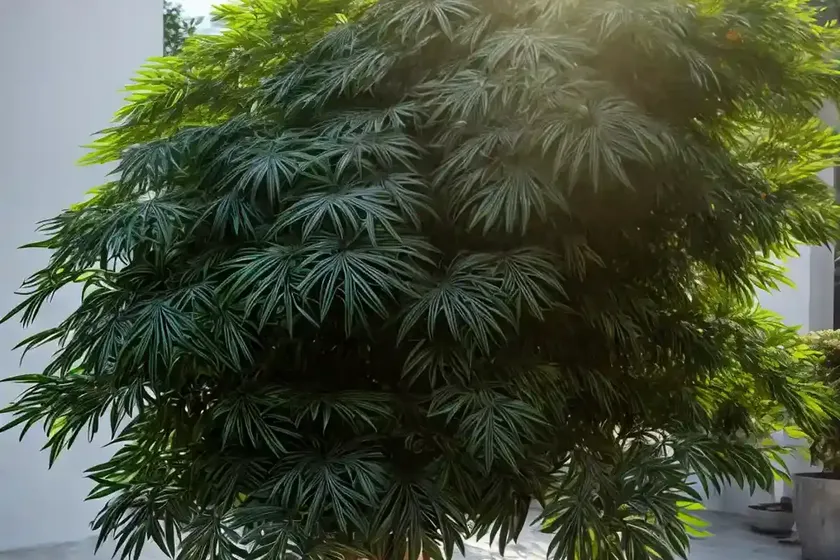
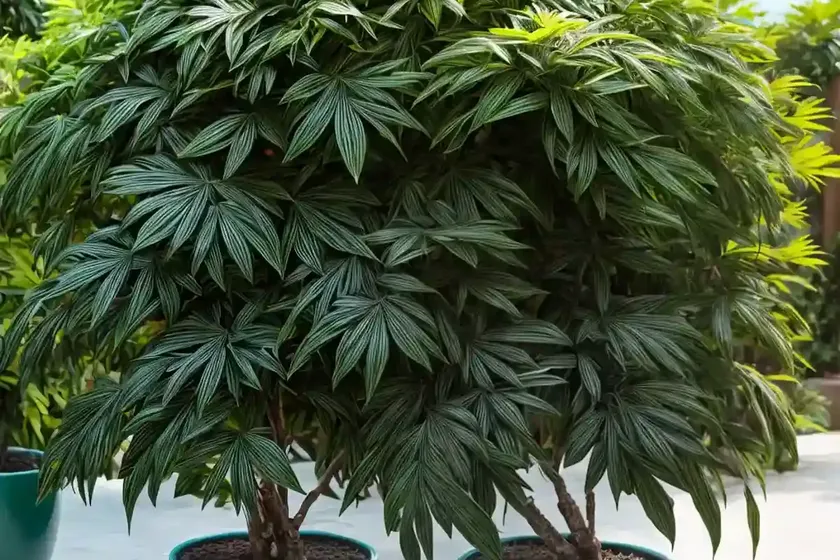
In the world of indoor gardening, the Ming Aralia (Polyscias fruticosa) stands out as a popular and elegant choice for many plant enthusiasts. Characterized by its delicate foliage and graceful appearance, this plant has garnered attention for its versatility and low-maintenance nature. Whether you are a seasoned indoor gardener or a novice looking to bring some greenery into your home, the Ming Aralia is an excellent choice. In this comprehensive guide, we will delve into the various aspects of caring for and cultivating the Ming Aralia, covering everything from its basic needs to troubleshooting common issues.
What is Ming Aralia (Polyscias fruticosa)?
The Ming Aralia, scientifically known as Polyscias fruticosa, is a member of the Araliaceae family, which includes other well-known plants such as the Schefflera and the Ginseng Ficus. Originating from the Pacific Islands and Southeast Asia, this tropical plant exhibits distinctive traits that make it a sought-after addition to indoor spaces.
Key Takeaways
Before we delve into the specifics of caring for the Ming Aralia, it’s important to highlight some key takeaways about this captivating plant:
- Scientific Name: Polyscias fruticosa
- Common Names: Ming Aralia, Ming Aralia Plant, Polyscias Plant
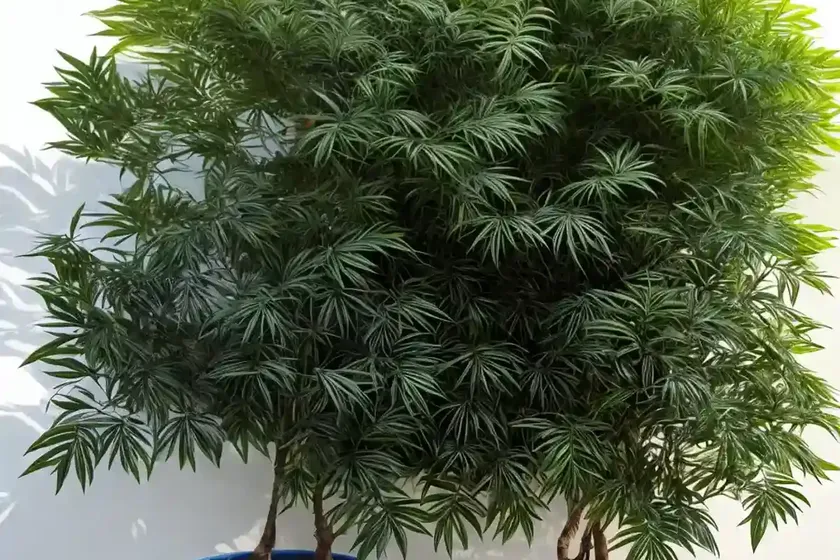
- Growth Habit: Upright, branching shrub
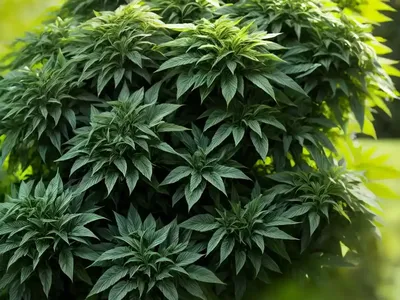
- Foliage: Finely divided, feathery leaves
- Uses: Ornamental houseplant, air purifier
Now, let’s explore the essential aspects of caring for Ming Aralia, including its cultural requirements, common uses, and potential challenges that you might encounter.
Culture
Water
When it comes to watering the Ming Aralia, it’s essential to strike a balance. Over-watering can lead to root rot and other issues, while underwatering can cause the plant to wilt and suffer. As a general rule, it is best to water the Ming Aralia when the top inch of the soil feels dry to the touch. The frequency of watering will depend on factors such as the size of the pot, the ambient temperature, and the humidity levels in your environment. It’s crucial to avoid waterlogging the soil, as this can have detrimental effects on the plant’s health.
Sunlight
In its natural habitat, the Ming Aralia thrives in bright, indirect light. When cultivating this plant indoors, it is crucial to provide it with ample sunlight without subjecting it to direct, intense rays. Placing the Ming Aralia near a north- or east-facing window can offer the ideal balance of light exposure. However, it’s important to monitor the plant’s response to its lighting conditions and make adjustments if you notice signs of stress, such as leaf scorching or fading.
Fertilizer
Fertilizing the Ming Aralia is essential for promoting healthy growth and vibrant foliage. During the plant’s active growing season in spring and summer, use a balanced, water-soluble fertilizer at half the recommended strength every month. In autumn and winter, when the plant’s growth slows down, you can reduce the frequency of fertilization to once every two months. Ensure that the fertilizer is applied to moist soil to prevent any potential damage to the plant’s roots.
Soil
A well-draining, nutrient-rich potting mix is ideal for the Ming Aralia. Look for a high-quality commercial potting soil that provides excellent aeration and drainage. Adding a small amount of perlite to the mix can further improve its drainage properties. It’s important to repot the Ming Aralia every 2-3 years to refresh the soil and provide the plant with adequate space for growth.
Pruning
Pruning can help maintain the Ming Aralia’s desired shape and prevent overcrowding. Regularly removing any yellowing or damaged leaves can promote the plant’s overall health and appearance. Additionally, you can trim back leggy growth to encourage a more compact and bushy form. When pruning, ensure that you use clean, sterilized tools to prevent the spread of diseases.
Propagation
The Ming Aralia can be propagated through stem cuttings, making it possible to expand your plant collection or share cuttings with fellow gardening enthusiasts. To propagate the Ming Aralia, select a healthy stem cutting with at least a few leaves and nodes. Place the cutting in a well-draining potting mix, keep it consistently moist, and provide gentle bottom warmth to encourage root development. With proper care, the cutting should develop roots within a few weeks, marking the beginning of a new Ming Aralia plant.
Container Popularity
The popularity of the Ming Aralia as a container plant stems from its graceful appearance, adaptability to indoor environments, and relatively low-maintenance requirements. Whether placed in a living room, office, or bedroom, the Ming Aralia can serve as an elegant and refreshing addition to any indoor space. Its compact size makes it suitable for smaller containers, while its upright growth habit allows it to fit seamlessly into various design aesthetics.
Common Diseases
While the Ming Aralia is generally resilient, it can be susceptible to certain diseases and issues. Understanding the common diseases and ailments that may affect your plant can help you take proactive measures to maintain its health and vitality.
Disease Diagnosis
- Root Rot: Overwatering and poorly draining soil can lead to root rot, which is characterized by wilting, yellowing leaves, and a foul odor emanating from the soil. To prevent root rot, ensure that the plant’s pot has drainage holes and adjust your watering practices accordingly.
- Leaf Spot: Leaf spot diseases can manifest as dark, water-soaked lesions on the plant’s foliage. These issues are often caused by fungal or bacterial pathogens favored by excessive moisture and poor air circulation. Maintaining proper watering practices and ensuring good air circulation around the plant can help prevent leaf spot diseases.
Common Pests
The Ming Aralia can fall victim to common indoor plant pests, such as spider mites, aphids, and mealybugs. Regularly inspecting the plant for signs of pest infestations, including webbing, stippling on leaves, and sticky residues, can help you identify and address pest issues at an early stage. Implementing integrated pest management strategies, including organic insecticidal soaps or horticultural oils, can effectively control pest populations while minimizing the impact on the plant and its surroundings.
Botanist’s Tips
As a plant scientist with a passion for indoor gardening, I have encountered various plant species and have gathered valuable insights into their care and cultivation. When it comes to the Ming Aralia, here are some practical tips to ensure that your plant thrives:
- Monitor Soil Moisture: Use a simple moisture meter to gauge the moisture levels in the soil and adjust your watering frequency accordingly.
- Rotate the Plant: Periodically rotate the Ming Aralia to ensure even growth and prevent it from leaning toward the light source.
- Inspect for Pests: Regularly inspect the undersides of the leaves and the stem crevices for signs of pest activity, and take prompt action if pests are detected.
- Consider Humidity: If your indoor environment is particularly dry, consider using a humidifier or placing a pebble tray filled with water beneath the plant to increase the ambient humidity.
- Observe New Growth: Keep an eye on new growth patterns and adjust the plant’s care regimen based on its response to its environment.
Fun Facts
- The Ming Aralia is known for its air-purifying capabilities, effectively removing common indoor pollutants and enhancing air quality.
- In Feng Shui, the Ming Aralia is considered to bring positive energy and prosperity to its surroundings, making it a popular choice for enhancing the energy flow in living and work spaces.
Links to External Resources
For further information and resources on Ming Aralia care and cultivation, I recommend exploring the following links:
- The Spruce – How to Grow Ming Aralia Plants
- Gardenista – Ming Aralia, Polyscias Fruticosa
- Bloomscape – Polyscias Fruticosa
- Plant Care Today – Care and Growing the Ming Aralia
Conclusion
In conclusion, the Ming Aralia (Polyscias fruticosa) is a captivating and versatile plant that has earned its place as a beloved choice for indoor gardening enthusiasts. By understanding the plant’s cultural requirements, uses, and potential challenges, you can create an optimal environment for your Ming Aralia to thrive. Whether you are drawn to its graceful foliage, air-purifying properties, or Feng Shui significance, the Ming Aralia has much to offer as a beautiful and beneficial addition to your indoor space. With proper care and attention, you can enjoy the elegance and vitality of this remarkable plant for years to come.
As you embark on your journey with the Ming Aralia, remember to observe and respond to your plant’s needs, enriching your experience as a caretaker of nature’s wonders. Happy Ming Aralia gardening!
As a plant scientist, I hope this comprehensive guide provides you with valuable insights and practical knowledge on caring for the Ming Aralia. Should you have any further questions or require additional information, feel free to reach out. Happy gardening!