Michaelmas Daisy (Aster ‘Celeste’)
What is the Michaelmas Daisy?
Michaelmas daisies, also known as Asters, are a beautiful variety of late-season blooming perennial flowering plants that belong to the Asteraceae family. They are known for their vibrant colors and attractive foliage, making them a popular choice for gardeners looking to add a splash of color to their landscape towards the end of the growing season.
One particular cultivar that stands out amongst the Michaelmas Daisy varieties is the Aster ‘Celeste’. This variety is cherished for its stunning blooms and has gained popularity among plant enthusiasts for its unique characteristics and versatility in garden design.
In this comprehensive guide, we will delve into the various aspects of the Michaelmas Daisy (Aster ‘Celeste’) – from its culture and uses, to its propagation, common diseases, and more. Whether you are a seasoned gardener or a novice enthusiast, this guide will provide you with valuable insights into the world of Michaelmas daisies.
Key Takeaways – Michaelmas Daisy (Aster ‘Celeste’)
Before we dive into the specifics of Aster ‘Celeste’ care and cultivation, let’s take a quick look at the key takeaways for this exquisite flowering plant:
- The Michaelmas Daisy, Aster ‘Celeste’, is a late-season blooming perennial flowering plant with stunning colors and attractive foliage.
- It is a versatile plant that can be used in various garden designs, from borders and meadows to containers and floral arrangements.
- Proper care for Aster ‘Celeste’ involves providing the right water, sunlight, soil, and fertilizer, as well as regular pruning and maintenance.
- The plant is relatively low-maintenance and can attract pollinators while being deer-resistant and drought-tolerant.
- Understanding the common diseases and pests that can affect Michaelmas Daisy plants is crucial for ensuring their health and longevity in the garden.
Now, let’s explore each of these key takeaways in greater detail to gain a deeper understanding of the beautiful Michaelmas Daisy, Aster ‘Celeste’, and how best to care for it.
Culture
Cultivating Michaelmas Daisies like the Aster ‘Celeste’ requires an understanding of their cultural requirements, including their preferred growing conditions, uses, and maintenance practices.
Uses
The Michaelmas Daisy, particularly the Aster ‘Celeste’, offers a myriad of uses in garden design and floral arrangements. Some of the common uses of this stunning plant include:
- Garden borders and meadows: Michaelmas Daisies are often used to create beautiful borders and add color to meadow landscapes, especially during the late summer and fall seasons.
- Container gardening: Aster ‘Celeste’ is well-suited for container gardening, allowing individuals with limited garden space to enjoy its vibrant blooms and foliage.
- Floral arrangements: The long-lasting blooms of Michaelmas Daisies make them a popular choice for cut flower arrangements, adding a touch of elegance to indoor spaces.
- Wildlife habitat: These plants are known for attracting pollinators, making them a valuable addition to any garden seeking to support local wildlife.
Water
The water requirements for Aster ‘Celeste’ are relatively moderate. It is essential to provide consistent moisture, especially during the plant’s active growth period. However, it is crucial to ensure proper drainage to prevent waterlogging, which can lead to root rot and other moisture-related issues.
Sunlight
Michaelmas Daisies thrive in full sun to partial shade, making them adaptable to a wide range of garden environments. However, they tend to produce more prolific blooms when provided with ample sunlight.
Fertilizer
When it comes to fertilizer, Michaelmas Daisies like the Aster ‘Celeste’ benefit from a balanced, slow-release fertilizer applied in early spring. This helps promote healthy growth and abundant flowering during the growing season.
Soil
Well-draining soil with a slightly acidic to neutral pH is ideal for Michaelmas Daisies. Amending the soil with organic matter can improve its texture and fertility, providing an optimal growing medium for these plants.
Pruning
Pruning plays a vital role in maintaining the health and appearance of Michaelmas Daisies. In early summer, it is advisable to prune the plants to encourage bushier growth and prevent them from becoming leggy. Additionally, deadheading spent blooms can promote continuous flowering.
Propagation
Propagation of Michaelmas Daisies, including the Aster ‘Celeste’, can be achieved through division or from seeds. Division is typically carried out in spring, while seed propagation can be done in late winter or early spring.
Container Popularity
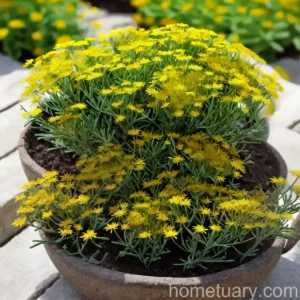
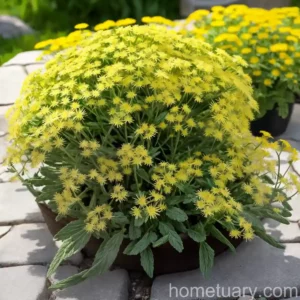
Aster ‘Celeste’ is a popular choice for container gardening due to its compact growth habit and vibrant blooms. Growing this variety in containers allows for greater flexibility in garden design and is an excellent option for those with limited outdoor space.
Common Diseases
Michaelmas Daisies, including the Aster ‘Celeste’, are susceptible to certain diseases that can impact their overall health and vitality. It is essential for gardeners to be aware of these potential issues and take proactive measures to prevent and manage them effectively.
Disease Diagnosis
Some of the common diseases that may affect Michaelmas Daisies include:
- Powdery mildew: This fungal disease can lead to the development of a powdery white coating on the leaves, affecting the plant’s ability to photosynthesize and thrive.
- Aster yellows: This phytoplasma disease can cause stunted growth, yellowing of leaves, and abnormal flower development in Michaelmas Daisies.
- Leaf spot: Various fungal pathogens can cause leaf spot, leading to the formation of dark spots on the foliage and potential defoliation if left unaddressed.
Disease Prevention
Implementing preventive measures is crucial for minimizing the risk of diseases affecting Michaelmas Daisies. Some effective strategies include:
- Providing adequate air circulation: Ensuring good airflow around the plants can help reduce the likelihood of fungal diseases, such as powdery mildew.
- Avoiding overhead watering: Watering at the base of the plants and in the morning allows foliage to dry quickly, reducing the risk of diseases like leaf spot.
- Monitoring plant health: Regular inspections can help detect early signs of disease, allowing for prompt intervention and management.
Common Pests
In addition to diseases, Michaelmas Daisies may also face challenges from various pests that can impact their growth and flowering potential. Understanding these pests and their management is essential for maintaining the health of the plants.
Botanist’s Tips
- Introducing beneficial insects: Encouraging the presence of beneficial insects, such as ladybugs and lacewings, can help naturally control pest populations in the garden.
- Mulching with organic materials: Applying organic mulch around Michaelmas Daisies can create a habitat for beneficial organisms while also helping to retain soil moisture and suppress weed growth.
Fun Facts
- The name “Michaelmas Daisy” is derived from the plant’s tendency to bloom around the time of the Feast of Michael and All Angels, which falls on September 29th.
- Certain cultivars of Michaelmas Daisies, including Aster ‘Celeste’, are known for their attractive fragrance, making them not only visually appealing but also a delightful sensory addition to the garden.
Links to External Resources
For further information on Michaelmas Daisy varieties, including Aster ‘Celeste’, and their care and cultivation, you may find the following external resources helpful:
- The Royal Horticultural Society (RHS): An invaluable source of information on gardening, with articles and guides on cultivating Michaelmas Daisies and other flowering plants.
- American Society for the Prevention of Cruelty to Animals (ASPCA): A useful resource for identifying and managing common pests and diseases that may affect Michaelmas Daisies in the garden.
- National Gardening Association: An online community and resource center for gardeners, offering insights into the cultivation and care of various plant species, including Michaelmas Daisies.
By leveraging the knowledge and expertise shared in these external resources, you can further enhance your understanding of Michaelmas Daisy varieties and elevate your gardening practices.
As we conclude this detailed guide on the Michaelmas Daisy (Aster ‘Celeste’), it is evident that this lovely perennial flowering plant holds a special place in the hearts of gardeners and nature enthusiasts. With its vibrant blooms, adaptable nature, and multiple uses in garden design, the Aster ‘Celeste’ continues to captivate and inspire individuals seeking to create stunning outdoor spaces.
Whether you are looking to cultivate a thriving border of Michaelmas Daisies, create eye-catching floral arrangements, or simply introduce a touch of late-season elegance to your garden, the Aster ‘Celeste’ offers versatility and charm that are sure to leave a lasting impression. Embracing the cultural practices, disease prevention strategies, and pest management techniques outlined in this guide can empower you to enjoy the beauty of Michaelmas Daisies to the fullest while ensuring their health and longevity in the garden.
With the right knowledge, care, and appreciation for these remarkable plants, you can embark on a rewarding journey of cultivating Michaelmas Daisies, including the exquisite Aster ‘Celeste’, and relish in the colorful splendor they bring to your outdoor sanctuary.
Remember – every bloom of a Michaelmas Daisy, such as the Aster ‘Celeste’, is a testament to nature’s artistry and the joy it brings to those who behold it.
Happy gardening!