Plant Scientist’s Guide: Mexican Plum (Prunus mexicana)
In the world of horticulture, Mexican plum (Prunus mexicana) is a beloved and valuable tree with a wide range of uses and benefits. Native to North America, this beautiful tree has significant cultural, ecological, and medicinal significance. As a plant scientist, I am thrilled to present this comprehensive guide to Mexican plum including its cultivation, uses, maintenance, diseases, and much more. Join me as we explore the world of Mexican plum and uncover its wonders!
What is Mexican Plum?
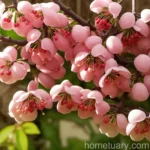
Mexican plum, scientifically known as Prunus mexicana, is a deciduous tree that belongs to the family Rosaceae. It is a native tree in the United States, primarily found in the southern and central regions. Mexican plum is highly valued for its ornamental qualities, delectable fruits, and ecological contributions. The tree typically reaches a height of 15-35 feet and has a rounded crown with glossy green leaves. In early spring, Mexican plum adorns itself with beautiful clusters of fragrant white flowers, making it a sight to behold.
Key Takeaways – Mexican Plum (Prunus mexicana)
Before delving deeper into the world of Mexican plum, let’s highlight some key takeaways about this remarkable tree:
- Scientific Name: Prunus mexicana
- Common Names: Mexican plum, Bigtree plum, and others
- Native Habitat: Southern and central regions of the United States
- Cultural Significance: Valued for its ornamental, ecological, and medicinal uses
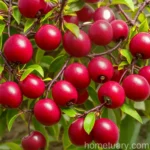
- Fruits: Edible plum-like fruits with tart-sweet flavor
- Flowers: Clusters of fragrant white flowers in early spring
Now, let’s explore the various aspects of Mexican plum and how to successfully cultivate and care for this wonderful species.
Cultivation
Cultivating Mexican plum can be a rewarding experience, whether it’s for its ornamental beauty, delicious fruits, or ecological contributions. When considering the cultivation and maintenance of Mexican plum, several key factors need to be taken into account, including water, sunlight, soil, and more.
Uses
Mexican plum holds diverse uses ranging from ornamental landscaping to culinary delights. Let’s explore some of its primary uses:
- Ornamental Beauty: Mexican plum is a popular choice for ornamental landscaping due to its beautiful flowers and vibrant foliage.
- Fruits: The plum-like fruits of Mexican plum are not only delicious but can also be used in a variety of culinary applications, including jams, jellies, and desserts.
- Wildlife Habitat: The tree provides valuable food and shelter for wildlife, making it an essential component of a biodiverse landscape.
Water
Proper watering is essential for the healthy growth of Mexican plum. The tree generally prefers well-draining soil and regular watering, especially during its initial establishment phase. Once established, Mexican plum is moderately drought-tolerant, making it suitable for various climate conditions.
Sunlight
Mexican plum thrives in full sun to partial shade, making it a versatile tree for different landscaping settings. When planting Mexican plum, it is important to provide adequate sunlight for optimal growth and fruit production.
Fertilizer
Applying a balanced fertilizer in early spring can support healthy growth and fruit development in Mexican plum. A slow-release fertilizer specifically formulated for fruit trees can provide the necessary nutrients for robust growth and abundant fruiting.
Soil
The ideal soil for Mexican plum is well-draining and rich in organic matter. While the tree can adapt to various soil types, it prefers slightly acidic to neutral soil pH. Conducting a soil test can provide valuable insights into the soil composition and any necessary amendments.
Pruning
Pruning plays a crucial role in shaping the growth of Mexican plum and promoting fruit production. Regular pruning, preferably in late winter or early spring, helps maintain the tree’s shape, remove dead or diseased wood, and encourage the growth of healthy new branches.
Propagation
There are several methods for propagating Mexican plum, including seed propagation and vegetative propagation. While seed propagation is possible, it often results in variability in fruit quality. Grafting or budding onto rootstock of the same species or a closely related species can ensure the retention of desirable traits.
Container Popularity
With the right care and maintenance, Mexican plum can thrive in a container, making it a popular choice for container gardening. Selecting a large container with adequate drainage and using high-quality potting mix can provide a suitable environment for Mexican plum to grow and fruit.
Common Diseases
Like any plant, Mexican plum is susceptible to certain diseases that can impact its overall health and vitality. Understanding the common diseases and their management is essential for maintaining healthy Mexican plum trees.
Disease Diagnosis
Sudden changes in leaf color, unusual spots or lesions on leaves, wilting, or stunted growth can be signs of disease in Mexican plum. Identifying the specific symptoms and patterns can aid in diagnosing the underlying disease and implementing appropriate measures.
Common Pests
Several pests can pose a threat to Mexican plum, including aphids, plum curculio, and scale insects. Regular inspection of the tree and the presence of pests can help in early detection and prompt intervention to prevent extensive damage.
Botanist’s Tips
To ensure the successful cultivation and care of Mexican plum, consider the following botanist’s tips:
- Regular Monitoring: Keep a close eye on the tree for any signs of stress, disease, or pest infestations.
- Pruning Practices: Employ proper pruning techniques to maintain the tree’s structure and promote fruit production.
- Soil Management: Monitor the soil moisture and quality to provide an optimal growing environment for Mexican plum.
- Integrated Pest Management: Utilize environmentally-friendly pest control methods to minimize the impact of pests on Mexican plum.
Fun Facts
To add a touch of intrigue to the world of Mexican plum, here are some fun and fascinating facts about this captivating tree:
- Mexican plum is considered a valuable nitrogen-fixing tree, contributing to soil fertility.
- The tree’s fragrant flowers attract a variety of pollinators, including bees and butterflies.
- Mexican plum fruits are a favorite among native wildlife, including birds and small mammals.
- The leaves of Mexican plum emit a pleasant fragrance when crushed, adding to its sensory appeal.
Links to External Resources
Now that we’ve embarked on a journey to understand Mexican plum in all its glory, it’s important to have access to reliable external resources for further exploration. Here are some valuable resources to expand your knowledge of Mexican plum:
- USDA Plants Database
- Missouri Botanical Garden – Prunus mexicana
- Lady Bird Johnson Wildflower Center – Prunus mexicana
By leveraging these resources, you can delve deeper into the botanical intricacies and practical applications of Mexican plum, enriching your understanding of this incredible species.
In conclusion, Mexican plum (Prunus mexicana) stands as a testament to the intertwining of nature, culture, and horticulture. Its beauty, resilience, and valuable contributions to ecosystems make it a cherished addition to landscapes and a source of inspiration for plant enthusiasts. Whether you’re drawn to its stunning spring blooms, delectable fruits, or ecological significance, Mexican plum carries a legacy that continues to captivate and enrich our botanical world. As a plant scientist, I encourage you to explore the wonders of Mexican plum and embrace the profound connections it fosters within the natural world. Happy gardening!
Research Links:
– USDA Plants Database
– Missouri Botanical Garden – Prunus mexicana
– Lady Bird Johnson Wildflower Center – Prunus mexicana