Mexican-heather (Cuphea Hyssopifolia)
Welcome to a comprehensive guide to Mexican-heather (Cuphea hyssopifolia)! In this article, we will explore the botanical characteristics, cultural.
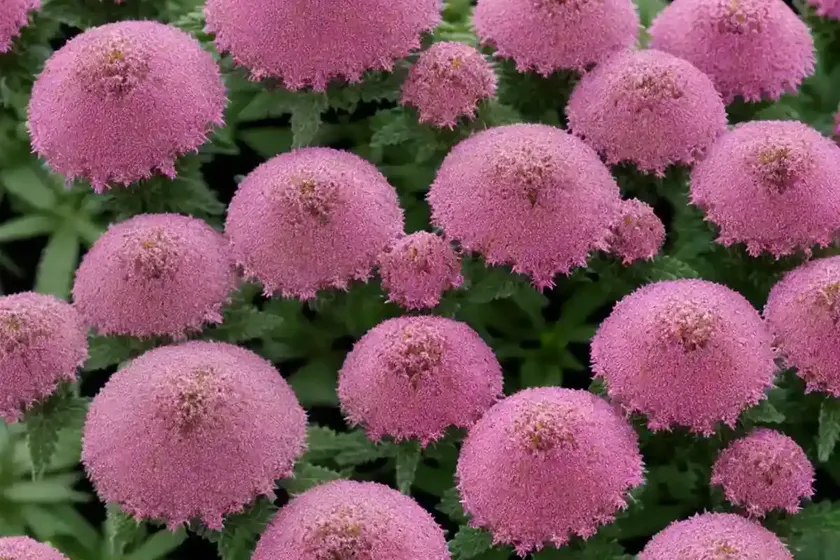
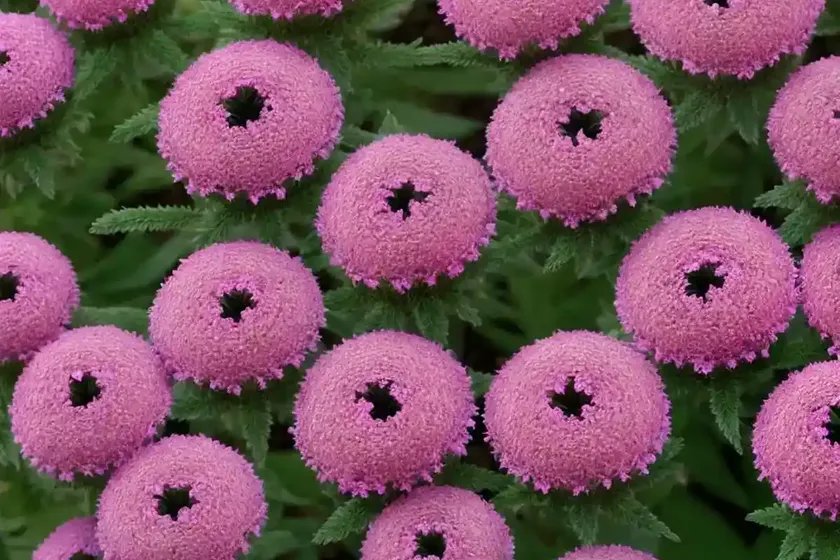
Welcome to a comprehensive guide to Mexican-heather (Cuphea hyssopifolia)! In this article, we will explore the botanical characteristics, cultural requirements, and practical uses of this beautiful flowering plant. Whether you are a seasoned gardening enthusiast or a novice plant caretaker, this guide aims to provide you with the essential knowledge to successfully grow, nurture, and enjoy the splendor of Mexican-heather.
What is Mexican-Heather (Cuphea hyssopifolia)?
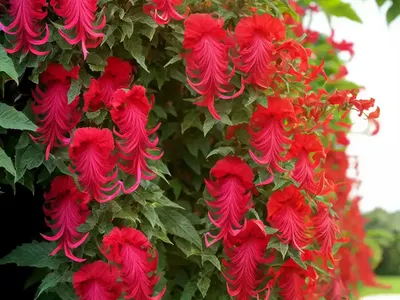
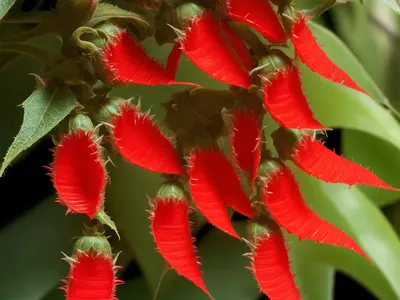
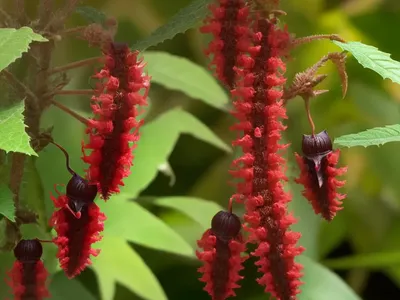
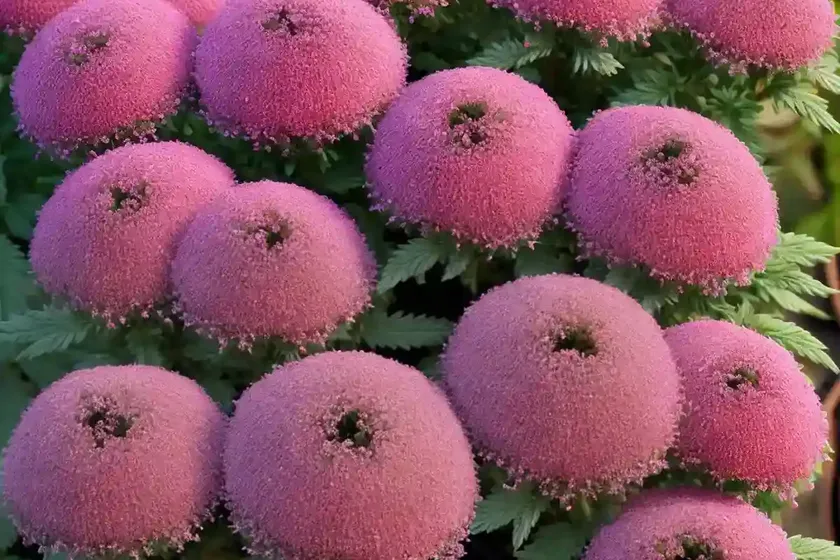
Mexican-heather, scientifically known as Cuphea hyssopifolia, is a charming and versatile flowering plant that belongs to the Lythraceae family. This species is native to Mexico and Honduras and is renowned for its profusion of small, tubular flowers that blossom in an array of vibrant colors, including shades of pink, purple, and white. Mexican-heather is appreciated for its compact growth habit and dainty foliage, making it a popular choice for various landscaping and gardening applications.
Key Takeaways – Mexican-Heather (Cuphea hyssopifolia)
Before delving deeper into the intricacies of Mexican-heather cultivation, let’s outline the key takeaways of this remarkable plant:
- Scientific Name: Cuphea hyssopifolia
- Common Name: Mexican-heather
- Family: Lythraceae
- Native Range: Mexico and Honduras
- Plant Type: Perennial flowering shrub
- Growth Habit: Compact, bushy
- Flower Colors: Pink, purple, white
- Uses: Ornamental landscaping, container gardening, floral arrangements
- Notable Characteristics: Abundant flowering, attractive foliage, low maintenance
Now, let’s delve into the critical aspects of Mexican-heather care, including its cultural needs, uses, and potential challenges that caretakers may encounter.
Mexican-Heather (Cuphea hyssopifolia) Culture
Cultivating Mexican-heather successfully involves understanding and meeting its specific cultural requirements. From sunlight exposure to soil composition, each element plays a crucial role in nurturing healthy and vibrant growth. Let’s explore the essential aspects of Mexican-heather culture in detail.
Sunlight
Mexican-heather thrives in locations with ample sunlight, making it an excellent choice for gardens and landscapes that receive full to partial sun exposure. Ideally, the plant should receive at least 6-8 hours of direct sunlight daily to support robust growth and prolific blooming. In regions with intense summer heat, providing partial shade during the hottest part of the day can prevent leaf scorch and maintain the plant’s vigor.
Water
Like many flowering plants, adequate and consistent moisture is vital for Mexican-heather to flourish. However, it’s crucial to strike a balance, as excessive waterlogging can lead to root rot and other moisture-related issues. When establishing Mexican-heather in the garden or container, ensure proper drainage to prevent water stagnation. During the growing season, regular watering is necessary, especially during dry spells, to sustain healthy foliage and abundant flowering.
Fertilizer
To encourage vigorous growth and profuse blooming, incorporating a balanced fertilizer regimen is essential for Mexican-heather. A complete, slow-release fertilizer formulated for flowering shrubs can be applied during the spring and early summer months. Additionally, supplementing with a liquid bloom booster fertilizer during the active growing season can further enhance the plant’s flowering capacity and overall vitality.
Soil
Mexican-heather thrives in well-draining, fertile soil that provides adequate aeration to the root system. A loamy or sandy soil with a slightly acidic to neutral pH range (6.0-7.0) is well-suited for this species. When planting Mexican-heather in containers, using a high-quality potting mix specifically designed for flowering plants can promote optimal growth and blooming performance.
Pruning
Regular pruning and grooming contribute to the overall health and aesthetic appeal of Mexican-heather. Pruning can help maintain a compact growth habit, stimulate new growth, and remove spent flowers to encourage continuous blooming. Additionally, removing any diseased or damaged foliage is vital in preventing the spread of diseases and maintaining the plant’s vigor.
Mexican-Heather (Cuphea hyssopifolia) Uses
Mexican-heather is a versatile plant with a range of practical and ornamental uses in various gardening and landscaping settings. Its adaptability and aesthetic appeal make it a valuable addition to diverse horticultural applications. Let’s explore the primary uses of Mexican-heather:
-
Ornamental Landscaping: Mexican-heather’s compact growth habit and colorful blooms make it an excellent choice for border plantings, mass plantings, and accentuating garden beds. Its low maintenance nature and prolonged flowering season further add to its appeal in ornamental landscapes.
-
Container Gardening: Due to its manageable size and vibrant blooms, Mexican-heather is well-suited for container gardening. It can be featured in patio containers, hanging baskets, and mixed planters, adding a touch of elegance and charm to outdoor living spaces.
-
Floral Arrangements: The dainty flowers of Mexican-heather are popular in floral arrangements, providing a delicate and cheerful accent to bouquets and centerpieces. The long-lasting blooms and varied color options make it a sought-after choice for both professional florists and home gardeners.
Mexican-Heather (Cuphea hyssopifolia) Propagation
Propagating Mexican-heather allows for the expansion of its presence in gardens and landscapes, as well as the preservation of specific cultivars. Understanding the propagation methods and best practices is integral to successfully propagating and maintaining the genetic diversity of this captivating plant. Let’s explore the primary methods of Mexican-heather propagation:
Seed Propagation
Growing Mexican-heather from seeds offers an opportunity to produce a new generation of plants while preserving specific characteristics of the parent plant. When propagating from seeds, follow these key steps:
-
Seed Collection: Gather mature seed capsules from the Mexican-heather plant once they have dried and turned brown. Extract the small, dark seeds from the capsules.
-
Seed Starting: Sow the seeds in a well-draining, seed-starting mix. Maintain consistent moisture and warmth to facilitate germination. Once the seedlings have developed sufficient growth, they can be transplanted into individual containers or garden beds.
Stem Cutting Propagation
Utilizing stem cuttings as a propagation method can yield consistent and reliable results, allowing for the creation of genetically identical clones of the parent plant. Here’s a basic guide to propagating Mexican-heather through stem cuttings:
-
Cutting Selection: Select healthy, non-flowering stems for the cuttings, ensuring they are approximately 4-6 inches in length. Remove any lower leaves to expose a node for rooting.
-
Rooting Medium: Plant the cuttings in a well-draining rooting medium, such as a mix of perlite and peat moss. Maintain high humidity and warmth to encourage root development.
-
Rooting Hormone (Optional): Applying a rooting hormone to the cut ends of the stems can expedite the rooting process and enhance the overall success rate of propagation.
-
Transplanting: Once the cuttings have developed a robust root system, they can be transplanted into individual pots or directly into the garden.
Division
Dividing established Mexican-heather plants is another viable method of propagation, particularly when seeking to rejuvenate overgrown specimens or expand the plant’s presence in the landscape. When dividing Mexican-heather, ensure that each division contains a sufficient root system and foliage to support its establishment as a new individual plant.
Mexican-Heather (Cuphea hyssopifolia) Container Popularity
The adaptability and visual appeal of Mexican-heather make it a popular choice for container gardening enthusiasts. Its compact growth habit and prolific flowering nature lend themselves well to various container sizes and styles, offering versatile options for displaying this charming plant. The following factors contribute to the popularity of Mexican-heather in container gardening:
-
Space Efficiency: Mexican-heather’s compact size makes it an ideal candidate for small to medium-sized containers, allowing individuals with limited space to enjoy its beauty on patios, balconies, or windowsills.
-
Colorful Display: The vibrant and abundant flowers of Mexican-heather add a delightful burst of color to container arrangements, creating eye-catching focal points in outdoor living spaces.
-
Seasonal Flexibility: Given the proper care and maintenance, Mexican-heather can thrive in containers throughout the growing season, offering continuous blooms and ornamental appeal.
-
Companion Planting: Combining Mexican-heather with other complementary plants in containers allows for creative and dynamic arrangements, providing a wealth of design possibilities for gardening enthusiasts.
Mexican-Heather (Cuphea hyssopifolia) Common Diseases
While Mexican-heather is generally resilient to many common plant diseases, certain environmental conditions and cultural practices can predispose it to specific ailments. Recognizing the symptoms and preventative measures for common diseases is crucial in maintaining the health and vigor of Mexican-heather. Let’s explore some of the prevalent diseases that may affect this species:
Leaf Spot Diseases
Leaf spot diseases, caused by various fungal pathogens, can manifest as dark or discolored spots on the foliage of Mexican-heather. These diseases thrive in moist and humid conditions, making proper air circulation and watering practices essential for prevention.
Powdery Mildew
Powdery mildew can occur on the leaves of Mexican-heather, presenting as a powdery, white coating. This fungal disease thrives in warm and dry conditions, making it crucial to maintain moderate humidity levels and adequate spacing to minimize its impact.
Root Rot
Excessive soil moisture or poor drainage can lead to root rot in Mexican-heather, causing the roots to decay and impede the plant’s overall health. Implementing proper watering practices and ensuring well-draining soil are key preventative measures against this damaging condition.
Botrytis Blight
Botrytis blight, commonly known as gray mold, can affect the flowers and foliage of Mexican-heather, resulting in a fuzzy gray mold on the affected plant parts. Promoting good air circulation and promptly removing any diseased plant material can limit the spread of this fungal disease.
Disease Diagnosis
Diagnosing diseases in Mexican-heather involves careful observation of the plant’s symptoms and a thorough assessment of its growing conditions. When encountering potential disease issues, consider the following steps for accurate diagnosis and effective management:
-
Symptom Identification: Observe and document the specific symptoms present on the plant, including leaf discoloration, wilting, or unusual growth patterns.
-
Environmental Review: Evaluate the environmental factors surrounding the plant, such as moisture levels, sunlight exposure, and airflow, as these elements can influence disease development.
-
Cultural Practices: Review the plant’s watering regimen, soil conditions, and overall care routine to identify any potential stressors or imbalances that may predispose it to diseases.
-
Professional Consultation: If uncertainty persists regarding the disease diagnosis or appropriate treatment, seeking guidance from a horticultural professional or plant pathology expert can provide valuable insights and management recommendations.
Mexican-Heather (Cuphea hyssopifolia) Common Pests
Despite its resilience, Mexican-heather can encounter pest pressures that demand proactive management strategies. Understanding the common insects and pests that may target this species is crucial for implementing preventive measures and minimizing potential damage. Let’s explore some of the primary pests that may affect Mexican-heather:
Aphids
Aphids are small, sap-sucking insects that can infest the tender growth of Mexican-heather, causing distortion of leaves and potential wilting. Regularly inspecting the plant for early signs of aphid infestation and employing natural predators or targeted insecticidal treatments can help control their population.
Whiteflies
Whiteflies are tiny, white-winged insects that may cluster on the undersides of Mexican-heather leaves, feeding on plant sap and excreting honeydew. Introducing natural predators, such as ladybugs or lacewings, and utilizing insecticidal soap can aid in managing whitefly infestations.
Spider Mites
Spider mites are arachnids that can wreak havoc on Mexican-heather by puncturing plant tissues and causing stippling and discoloration of leaves. Regularly misting the foliage to increase humidity and using horticultural oils can deter and suppress spider mite populations.
Caterpillars
Certain caterpillar species may target Mexican-heather, feeding on foliage and potentially causing defoliation. Manual removal of caterpillars, particularly in their early stages, and applying Bacillus thuringiensis (Bt) as a biological control can effectively manage caterpillar infestations.
Botanist’s Tips
As a plant scientist, I have curated a selection of practical and insightful tips to aid in the successful cultivation of Mexican-heather. These tips encompass a range of considerations, from plant care practices to creative uses and beneficial partnerships for this captivating species.
Tip 1: Integrate Companion Plants
Embrace the beauty of companion planting by pairing Mexican-heather with complementary species that enhance its visual appeal and ecological value. Consider combining it with pollinator-attracting plants, such as salvias and coneflowers, or incorporating low-growing groundcovers for a dynamic and harmonious garden palette.
Tip 2: Emphasize Water Conservation
Leverage the drought tolerance of Mexican-heather to create water-wise landscapes and gardens with reduced irrigation needs. Incorporating this species in xeriscaping designs and arid habitats contributes to sustainable gardening practices and environmental stewardship.
Tip 3: Explore Floral Symbolism
Delve into the symbolic meanings and cultural associations of Mexican-heather to infuse depth and significance into floral arrangements and garden designs. Embracing its potential as a meaningful and expressive element contributes to the artistry of horticultural expression.
Tip 4: Foster Wildlife Interaction
Encourage the presence of beneficial insects and wildlife by incorporating Mexican-heather into butterfly gardens, wildlife habitats, and pollinator-friendly landscapes. Its nectar-rich flowers and favorable growth attributes can attract and sustain diverse wildlife populations, enriching the ecological balance of the garden.
Tip 5: Celebrate Horticultural Heritage
Acknowledge the historical and indigenous significance of Mexican-heather by exploring its traditional uses, folklore, and medicinal properties. Engaging with the cultural heritage of this plant fosters a deeper appreciation and connection to its botanical essence.
Fun Facts
Uncover the captivating and lesser-known facets of Mexican-heather through an assortment of captivating fun facts that illuminate its charm and allure:
- The genus name “Cuphea” is derived from the Greek words “kyphos,” meaning “bent,” and “zeugos,” meaning “a pair,” alluding to the unique shape of the flower petals in some Cuphea species.
- Mexican-heather is known for its prolonged blooming season, often producing flowers from spring through fall, adding enduring splendor to garden landscapes.
- In traditional medicine, Mexican-heather has been utilized for its purported therapeutic properties, with applications ranging from digestive aid to wound healing.
Links to External Resources
For those seeking additional insights and resources on Mexican-heather (Cuphea hyssopifolia) and related topics, the following external links offer valuable information and diverse perspectives:
- The Spruce: Mexican Heather Plant Profile
- University of Florida IFAS Extension: Cuphea hyssopifolia
- Missouri Botanical Garden: Cuphea hyssopifolia
- Royal Horticultural Society: Cuphea hyssopifolia
We hope that this comprehensive guide has equipped you with the knowledge and inspiration to cultivate Mexican-heather (Cuphea hyssopifolia) with confidence and appreciation. Whether you are drawn to its ornamental allure, ecological benefits, or historical significance, Mexican-heather embodies a diverse tapestry of botanical fascination and practical utility within the realm of horticulture. May your journey with Mexican-heather be filled with flourishing gardens, captivating floral arrangements, and a deepened connection to the enchanting world of plants.
Note: The information provided in this guide is intended for educational and informational purposes only. Individual plant care practices and environmental considerations may vary based on specific regional and climatic factors. Always consult local gardening experts for tailored guidance and recommendations.