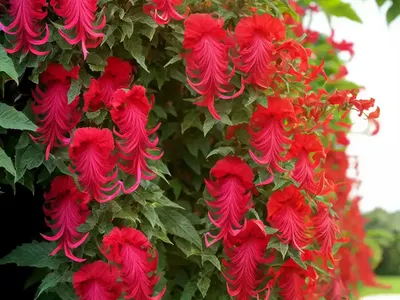
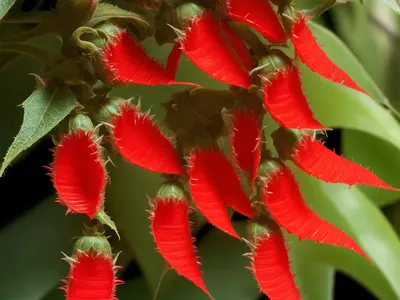
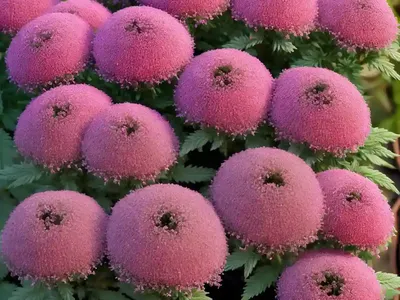
Cuphea Llavea (Bat-Faced Cuphea)
Plants have been an integral part of human life since the beginning of time. They provide us with food, medicine, and a connection to the natural world. In.
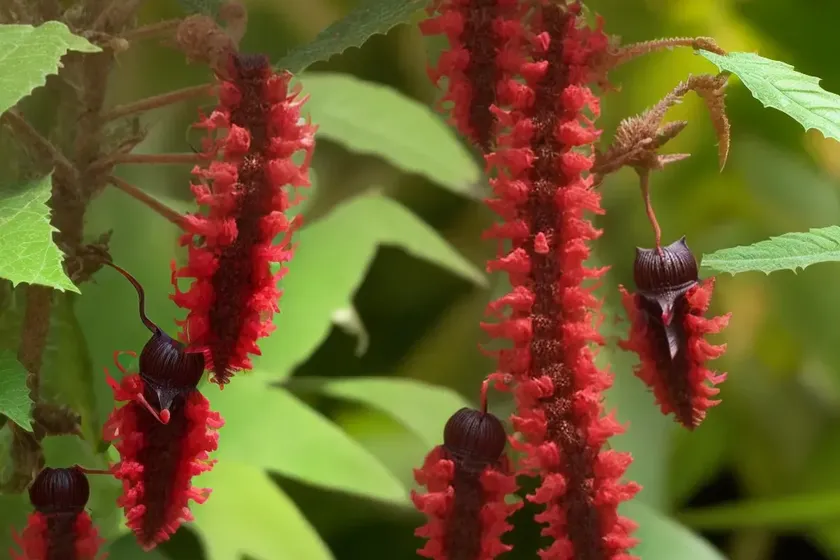
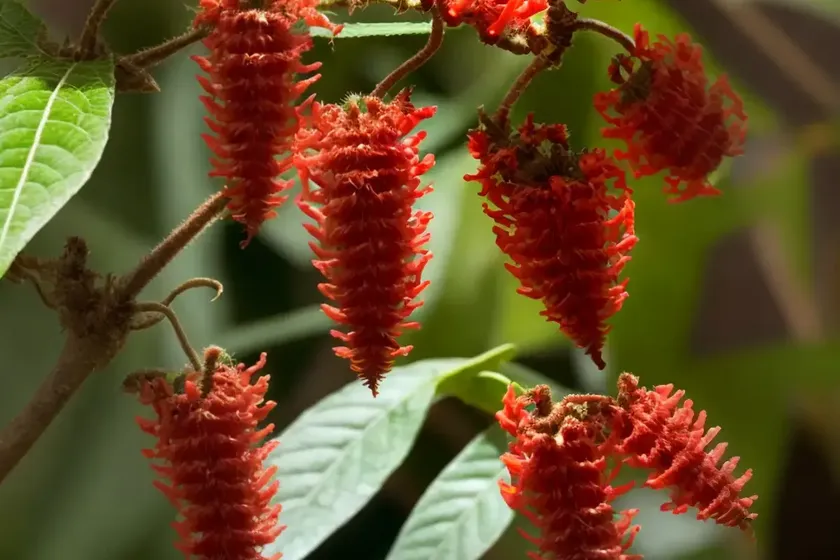
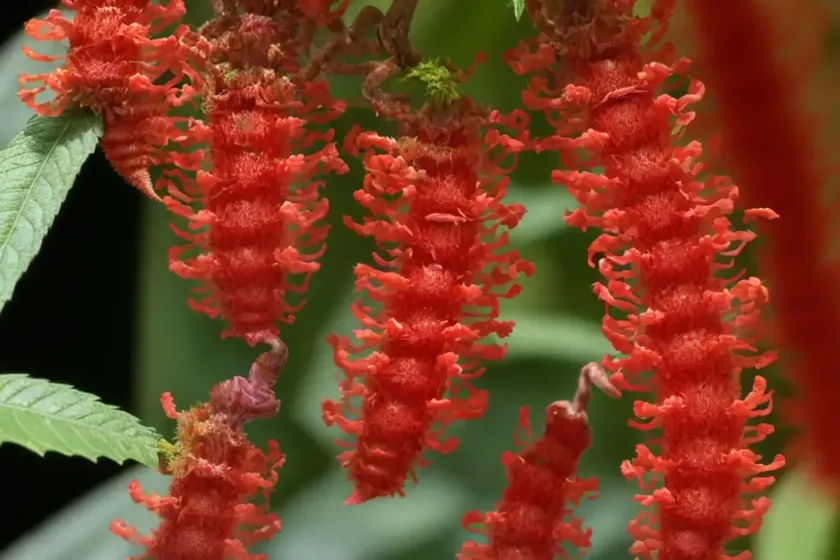
Plants have been an integral part of human life since the beginning of time. They provide us with food, medicine, and a connection to the natural world. In this article, we will delve into the intriguing world of Cuphea llavea, commonly known as Bat-Faced Cuphea. We will explore its unique characteristics, its requirements for growth, its uses, and much more. By the end of this journey, you will have a comprehensive understanding of this fascinating plant and how to care for it.
What is Cuphea llavea (Bat-Faced Cuphea)?
Cuphea llavea, also known as the Bat-Faced Cuphea, is a captivating species that belongs to the genus Cuphea within the family Lythraceae. This perennial plant is native to Mexico and Central America, where it thrives in warm, tropical climates. The unique feature that sets Cuphea llavea apart is its remarkable flowers, which bear a striking resemblance to the face of a bat, hence the common name “Bat-Faced Cuphea.” This plant is an excellent addition to gardens and landscapes, adding a touch of whimsy and beauty with its distinctive blooms.
Key Takeaways – Cuphea llavea (Bat-Faced Cuphea)
Before we delve deeper into the world of Cuphea llavea, let’s take a quick look at some key takeaways about this fascinating plant.
- Scientific Name: Cuphea llavea
- Common Name: Bat-Faced Cuphea
- Family: Lythraceae
- Native Habitat: Mexico and Central America
- Growth Habit: Perennial
- Special Feature: Unique flowers resembling a bat’s face
Now that we have a general overview of Cuphea llavea, let’s explore its cultivation, uses, and gardening tips to help you nurture this extraordinary plant with care and expertise.
Culture
Understanding the cultural needs of Cuphea llavea is fundamental to its successful growth and development. From soil requirements to pruning techniques, each aspect plays a crucial role in ensuring the well-being of this enchanting plant.
Uses
The uses of Cuphea llavea extend beyond its aesthetic appeal. Here are some common applications of this delightful plant:
- Garden Ornament: The unique and eye-catching flowers of Cuphea llavea make it a popular choice for ornamental gardening.
- Wildlife Habitat: The nectar-rich blooms of the Bat-Faced Cuphea attract various pollinators, including hummingbirds and butterflies, making it a valuable addition to wildlife gardens.
- Container Plant: Its compact growth habit makes Cuphea llavea well-suited for container gardening, allowing urban and small-space gardeners to enjoy its charm.
Water
Proper watering is essential for the healthy growth of Cuphea llavea. This plant has specific water needs that should be met to ensure its vigor and vitality.
| Watering Requirements for Cuphea llavea |
|---|
| – Water Needs: Moderate |
| – Soil Moisture: Well-Drained |
| – Frequency: Regular, but Allow Soil to Dry Slightly Between Watering |
| – Avoid Overwatering: Yes |
Sunlight
Cuphea llavea thrives in bright, sunny conditions, and adequate sunlight is crucial for its flowering and overall health.
| Sunlight Requirements for Cuphea llavea |
|---|
| – Sun Exposure: Full Sun to Partial Shade |
| – Optimal Light: At least 6-8 Hours of Direct Sunlight Daily |
| – Shade Tolerance: Moderate |
Fertilizer
Providing the right nutrients is essential for the optimal growth and blooming of Cuphea llavea. Here are some guidelines for fertilizing this remarkable plant:
- Fertilizer Type: Balanced, All-Purpose Fertilizer
- Fertilizing Schedule: Apply a Slow-Release Fertilizer in Spring and Mid-Summer
- Avoid Over-Fertilization: Yes
- Organic Options: Compost, Well-Aged Manure
Soil
The right soil conditions are crucial for the health and vitality of Cuphea llavea. Here’s what you need to know about soil requirements for this unique plant:
- Soil Type: Well-Drained, Loamy Soil
- pH Range: Slightly Acidic to Neutral (pH 6.0 – 7.0)
- Soil Amendments: Organic Matter, Perlite for Improved Drainage
Pruning
Regular pruning helps maintain the compact and tidy growth of Cuphea llavea and encourages continual flowering. Key points to consider when pruning this plant include:
- Pruning Timing: Spring or Early Summer
- Pruning Techniques: Remove Spent Flowers, Shape the Plant as Desired
- Pruning Frequency: As Needed to Maintain Form and Size
- Tool Sanitization: Use Clean, Sharp Pruning Equipment
Propagation
The propagation of Cuphea llavea can be an enjoyable process for plant enthusiasts. Here are some methods for propagating this captivating plant:
- Propagation Methods: Seeds, Stem Cuttings
- Seed Propagation: Direct Sowing in Spring, Surface-Sow Seeds in Well-Draining Soil
- Cutting Propagation: Take 4-6 inch Stem Cuttings, Dip in Rooting Hormone, Plant in Starter Pots
Container Popularity
Cuphea llavea’s compact growth habit and beautiful blooms make it a popular choice for container gardening. Its suitability for containers opens up a world of possibilities for urban and small-space gardeners.
Container Common Diseases
While Cuphea llavea is generally resilient to diseases, being vigilant about potential issues can help maintain its health. Here are some common diseases that may affect Bat-Faced Cuphea in a container:
- Powdery Mildew
- Root Rot (Due to Overwatering)
- Leaf Spot Diseases
Disease Diagnosis
Powdery Mildew: Identified by the powdery white spots on leaves, stems, and flowers.
Root Rot: Symptoms include wilting, yellowing leaves, and a foul odor from the soil.
Leaf Spot Diseases: Characterized by dark or discolored spots on the leaves, often surrounded by a yellow halo.
Common Pests
Cuphea llavea is relatively resistant to pests, but occasional insect visitors may still pose a threat to its well-being. Common pests that may affect Bat-Faced Cuphea include:
- Aphids
- Spider Mites
- Whiteflies
Botanist’s Tips
As a plant scientist, I have some valuable tips to offer for the successful cultivation of Cuphea llavea:
- Hummingbird Magnet: Cuphea llavea’s vibrant flowers are a favorite among hummingbirds, making it an excellent choice for hummingbird gardens.
- Renew Bloom: Deadheading spent flowers encourages Cuphea llavea to produce new blooms continuously.
- Overwintering: In colder climates, overwinter Cuphea llavea indoors or in a greenhouse to protect it from freezing temperatures.
Fun Facts
Let’s uncover some intriguing and fun facts about Cuphea llavea:
- Pollinator Paradise: The unique flowers of Cuphea llavea are a paradise for pollinators, attracting bees, butterflies, and hummingbirds to the garden.
- Medicinal Uses: In traditional herbal medicine, Cuphea species have been used for their anti-inflammatory and digestive properties, hinting at potential medicinal uses.
- Color Variations: While the typical color of Cuphea llavea’s flowers is a vibrant reddish-purple, some cultivated varieties may display color variations, including pink and white blooms.
Links to External Resources
To further expand your knowledge and expertise in growing and caring for Cuphea llavea, I recommend exploring the following external resources:
In Conclusion
In this extensive guide, we have uncovered the enchanting world of Cuphea llavea, delving into its cultural needs, uses, and intriguing facts. Whether you’re a seasoned gardener or a plant enthusiast looking to expand your botanical repertoire, the Bat-Faced Cuphea offers an exceptional opportunity to explore the wonders of the plant world. By understanding its unique characteristics and following the tips provided, you can cultivate and nurture Cuphea llavea to thrive in your garden, bringing joy and beauty to your outdoor space. Happy gardening!