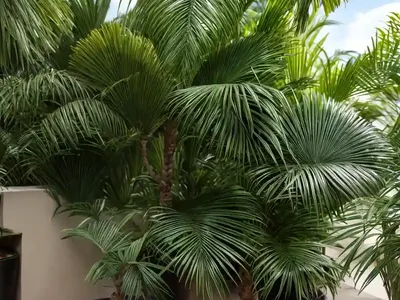
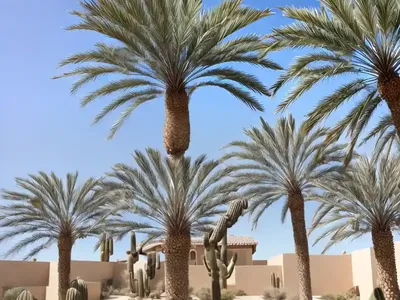
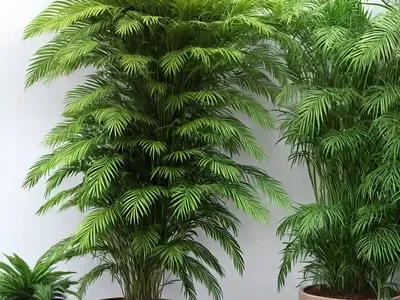
Mexican Fan Palm (Washingtonia Robusta)
Plants have always had a significant impact on human lives, providing us with food, oxygen, and aesthetic pleasure. Among the plethora of plant species.
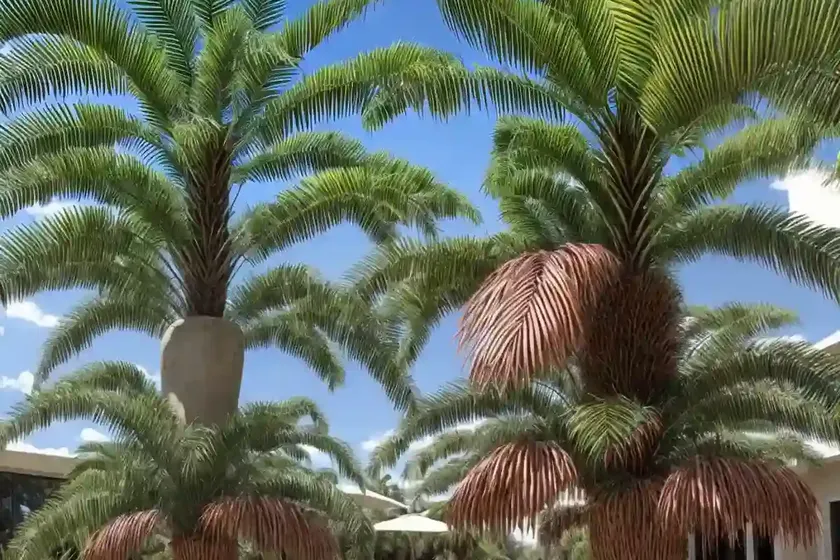
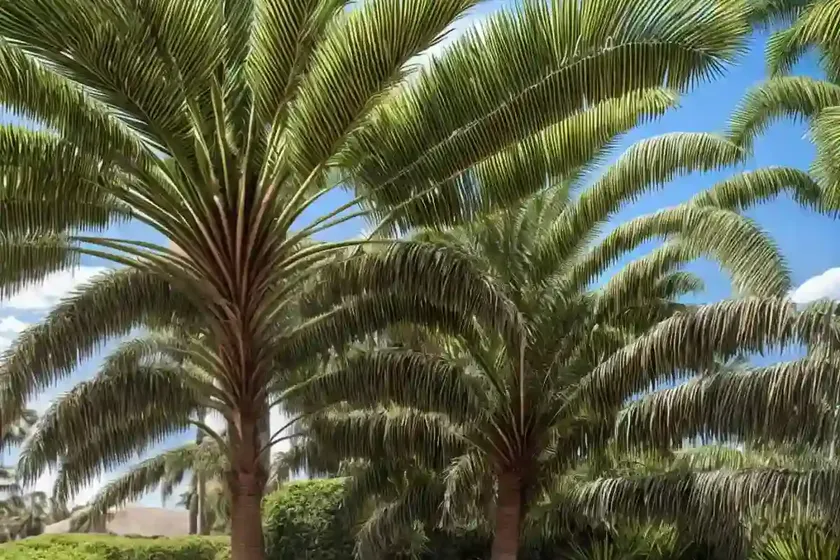
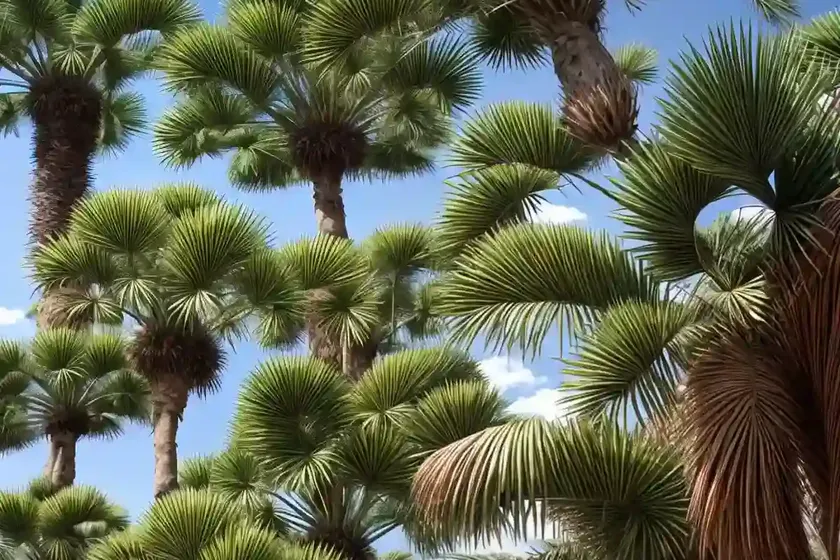
Plants have always had a significant impact on human lives, providing us with food, oxygen, and aesthetic pleasure. Among the plethora of plant species, Mexican Fan Palm stands out as a majestic and iconic species. In this article, we will delve deep into the characteristics, care routine, propagation methods, and interesting facts about the Mexican Fan Palm, scientifically known as Washingtonia Robusta.
What is Mexican Fan Palm (Washingtonia Robusta)?
Mexican Fan Palm, or Washingtonia Robusta, is a regal and stately palm native to the Mexican states of Sonora and Baja California Sur. It showcases a slender and graceful form with a towering trunk and lush, fan-shaped fronds. In its natural habitat, it can reach towering heights, standing as a testament to its resilience and magnificence.
Mexican Fan Palm Characteristics
The Mexican Fan Palm is known for its striking features and characteristics, which make it a popular choice for landscaping and urban adornment. Key characteristics include:
- Height: It has the potential to soar to great heights, reaching up to 100 feet under the right conditions.
- Trunk: The trunk of the Mexican Fan Palm is slender, grey in color, and marked by the remnants of old fronds.
- Leaves (Fronds): The fronds are fan-shaped and can grow up to 9-15 feet in length, adding to the palm’s dramatic appearance.
- Fruits and Flowers: Inconspicuous small white flowers appear on long inflorescence, followed by small black fruits.
These distinctive traits contribute to the allure of the Mexican Fan Palm, making it a highly sought-after choice for landscaping and ornamental planting in various regions.
Key Takeaways – Mexican Fan Palm (Washingtonia Robusta)
Before diving deeper into the world of Mexican Fan Palms, it’s essential to gain a high-level understanding of what this article covers. The key takeaways include the following aspects of Washingtonia Robusta:
- Culture: Understanding the Native and Adapted Establishment and Growth of the Plant
- Uses: Exploring the Different Applications of Mexican Fan Palm in Landscaping and Other Areas
- Water: Learning about the Optimal Watering Practices for Mexican Fan Palms
- Sunlight: Apprehending the Sunlight Requirements for Healthy Growth
- Fertilizer: Identifying the Right Nutrient Supplements for Mexican Fan Palm
- Soil: Understanding the Soil Needs to Ensure the Plant’s Health
- Pruning: Mastering the Art of Pruning Mexican Fan Palms
- Propagation: Unveiling the Techniques for Propagating Mexican Fan Palm
- Container Popularity: Discussing the Feasibility of Growing in Containers
- Common Diseases and Pests: Recognizing and Addressing the Potential Threats
- Botanist’s Tips: Insights and Recommendations from Experts
- Fun Facts: Uncovering Interesting and Intriguing Aspects of Mexican Fan Palm
With these key takeaways in mind, let’s embark on a journey into the world of Mexican Fan Palms.
Culture
Understanding the cultural requirements of Mexican Fan Palms is crucial for ensuring their optimal growth and development. Let’s delve into the essential elements of the plant’s culture.
Native Habitat
Mexican Fan Palms, native to regions of northwestern Mexico, are well-adapted to arid and semi-arid environments. In their natural habitat, these palms thrive in sandy, well-draining soils and endure high temperatures and low precipitation levels. Understanding the native habitat of the Mexican Fan Palm provides valuable insights into replicating favorable conditions for its growth in other regions.
Adaptive Features
The adaptability of Mexican Fan Palms makes them suitable for a wide range of environments, from coastal regions to inland areas. Their tolerance to drought and wind, along with their ability to thrive in various soil types, positions them as a versatile and resilient species.
Growth Rate
Mexican Fan Palms are known for their relatively fast growth rate, especially in their early years. This rapid growth makes them an ideal choice for those seeking to create a tropical or Mediterranean ambiance in their landscaping projects. Understanding the growth rate of Mexican Fan Palms is essential for planning and designing outdoor spaces.
Uses
The majestic allure and striking appearance of Mexican Fan Palms make them a popular choice for various applications. Let’s explore the diverse uses of Washingtonia Robusta.
Landscaping
One of the primary uses of Mexican Fan Palms is in landscaping. Their tall, slender trunks and expansive fronds make them an iconic feature in parks, gardens, and urban landscapes. They are often used to create focal points, offer shade, or line avenues, adding a touch of elegance and tropical appeal to outdoor spaces.
Outdoor Planting
Mexican Fan Palms are frequently planted in outdoor settings, such as public parks, residential landscapes, and commercial areas. Their adaptability to different soil types and conditions, coupled with their rapid growth, makes them a sought-after choice for creating a lush and verdant ambiance in outdoor settings.
Indoor Planting
While they are predominantly known for outdoor landscaping, Mexican Fan Palms can also thrive as indoor plants when provided with adequate light and space. Their graceful and evergreen fronds add a touch of natural beauty to interior spaces, making them a favored choice for interior decorators and plant enthusiasts.
Privacy Screen
The dense and towering fronds of Mexican Fan Palms make them an excellent choice for creating privacy screens or barriers. When strategically planted, they can shield outdoor areas from direct sunlight, wind, or unwanted views, providing both aesthetic and functional benefits.
Urban Gardening
In urban environments, Mexican Fan Palms serve as a vital component of green spaces, providing a semblance of nature within bustling cityscapes. Their ability to thrive in various conditions, including air pollution and limited space, makes them a valuable addition to urban gardening initiatives.
Understanding the diverse uses of Mexican Fan Palms sheds light on their versatile nature and the myriad ways in which they contribute to the aesthetics and functionality of outdoor and indoor spaces.
Water
Appropriate watering is essential for the health and vitality of Mexican Fan Palms. Understanding the water requirements and best practices for watering these majestic palms is crucial for their well-being.
Watering Frequency
Mexican Fan Palms are relatively drought-tolerant once established, making them suitable for arid and semi-arid climates. However, they benefit from regular watering, especially during their initial establishment phase. It is important to water them deeply to encourage robust root development and drought resistance.
Soil Moisture Check
Regularly checking the soil moisture is essential to ensure that Mexican Fan Palms receive adequate water without becoming waterlogged. This can be achieved by manually inspecting the soil moisture levels, using a soil moisture meter, or employing smart irrigation systems designed to cater to the specific needs of the palms.
Seasonal Variations
Watering frequency may need to be adjusted based on seasonal variations, with increased watering during hot and dry periods and reduced watering during cooler, wetter seasons. Understanding the seasonal water needs of Mexican Fan Palms is crucial for maintaining their health and vitality throughout the year.
Sunlight
As with most plants, sunlight plays a pivotal role in the growth and development of Mexican Fan Palms. Understanding their sunlight requirements is essential for ensuring their optimal health and vigor.
Full Sun Exposure
Mexican Fan Palms thrive in full sun exposure, basking in the bright, direct sunlight for the majority of the day. Their natural habitat in Mexico provides insights into the intensity and duration of sunlight that promotes their healthy growth, which can be replicated in other regions with similar sunlight patterns.
Indoor Light Needs
While Mexican Fan Palms thrive in full sun outdoors, adequate indoor lighting is crucial for their well-being when grown as houseplants. Placing them near bright windows or using supplemental grow lights can help meet their light requirements when grown indoors.
Understanding the sunlight needs of Mexican Fan Palms enables plant enthusiasts and landscapers to create optimal growing conditions, supporting the palms’ lush foliage and robust growth.
Fertilizer
Proper fertilization is essential for enhancing the growth and vitality of Mexican Fan Palms. Understanding the nutrient requirements and best practices for fertilizing these palms is crucial for their long-term health.
Nutrient Needs
Mexican Fan Palms benefit from a balanced and slow-release fertilizer that provides essential nutrients, including nitrogen, phosphorus, and potassium. Additionally, micronutrients can be included to address specific deficiencies and support overall plant health.
Fertilization Schedule
A consistent and measured approach to fertilization is key to promoting the optimal growth of Mexican Fan Palms. Fertilizing in the spring and summer months, when the palms are actively growing, can help boost their nutrient intake and support the development of lush fronds.
Organic Alternatives
Organic fertilization options, such as compost or well-rotted manure, can be used to supplement the nutrient needs of Mexican Fan Palms. These natural amendments provide a source of slow-release nutrients, enrich the soil, and promote beneficial microbial activity.
Understanding the nutrient requirements and best practices for fertilizing Mexican Fan Palms empowers plant enthusiasts to create a nurturing environment that supports the palms’ vigorous growth and robust foliage.
Soil
The soil composition and quality play a pivotal role in the overall health and growth of Mexican Fan Palms. Understanding the soil requirements and best practices for soil management is essential for fostering optimal conditions for the palms to thrive.
Well-Draining Soil
Mexican Fan Palms thrive in well-draining soil that prevents waterlogging and promotes healthy root development. Sandy or loamy soils with good drainage characteristics are ideal for creating an environment conducive to the palms’ growth.
pH Range
The pH level of the soil is an important consideration when cultivating Mexican Fan Palms. A slightly acidic to slightly alkaline soil pH range is generally suitable for these palms, promoting nutrient uptake and overall plant health.
Soil Amendments
Incorporating organic matter, such as compost or aged manure, into the soil can improve its structure, fertility, and water-holding capacity. Mulching with organic materials also helps maintain soil moisture and suppress weed growth around the base of the palms.
Understanding the soil requirements and best practices for soil management is crucial for establishing favorable growing conditions that support the robust growth and vitality of Mexican Fan Palms.
Pruning
Pruning is an essential aspect of Mexican Fan Palm maintenance, contributing to their overall health, aesthetics, and safety. Understanding the pruning techniques and best practices facilitates the proper care and upkeep of these majestic palms.
Frond Removal
Regular removal of dead or brown fronds not only maintains the visual appeal of Mexican Fan Palms but also prevents potential hazards. Careful pruning of fronds is essential to avoid damage to the trunk and promote the growth of healthy new fronds.
Inflorescence Removal
After flowering, the inflorescence of Mexican Fan Palms can be pruned to enhance the overall appearance of the palms. Removal of spent inflorescence supports the allocation of energy towards new growth and frond development.
Pruning Height
When pruning Mexican Fan Palms, it is important to exercise caution and use appropriate equipment, especially when working at heights. Engaging the services of professional arborists or tree care specialists may be necessary for safe and effective palm pruning.
Understanding the pruning techniques and best practices for Mexican Fan Palms empowers plant enthusiasts and landscapers to promote the palms’ aesthetics, safety, and overall well-being.
Propagation
The propagation of Mexican Fan Palms allows for the expansion of their presence in landscapes and gardens. Understanding the propagation methods and best practices for Washingtonia Robusta enables plant enthusiasts to multiply these iconic palms.
Seed Propagation
Propagating Mexican Fan Palms from seeds involves collecting ripe seeds and germinating them under favorable conditions. This method allows for the genetic diversity of the palms and can be a rewarding way to propagate new plants.
Offsets Division
Offset division, also known as division propagation, involves separating and planting the offshoots or offsets that develop at the base of mature Mexican Fan Palms. This method offers a relatively quick and reliable way to propagate genetically identical plants.
Tissue Culture
Tissue culture, while less commonly practiced by home gardeners, is a method used by commercial nurseries to propagate Mexican Fan Palms on a larger scale. This technique involves the propagation of plants from small sections of tissue under sterile laboratory conditions.
Understanding the propagation methods and best practices for Mexican Fan Palms unlocks opportunities for creating new plants and expanding the presence of these iconic palms in various landscapes and gardens.
Container Popularity
While Mexican Fan Palms are primarily known for their impact in outdoor landscapes, their increasing popularity as container plants presents new opportunities for plant enthusiasts and homeowners. Understanding the feasibility and best practices for growing Mexican Fan Palms in containers allows for their inclusion in diverse settings.
Container Size
Selecting sufficiently large containers is crucial for accommodating the vigorous growth and expansive root systems of Mexican Fan Palms. Large, sturdy containers with adequate drainage holes provide the necessary space and support for the palms.
Soil Considerations
Using well-draining, nutrient-rich potting mix designed for palm plants is essential when cultivating Mexican Fan Palms in containers. This soil medium supports healthy root development and overall plant growth in a confined environment.
Positioning
Placing containers of Mexican Fan Palms in locations that receive ample sunlight and airflow is crucial for their well-being. Proper positioning ensures that the palms have access to the light and air circulation necessary for their healthy growth.
Understanding the feasibility and best practices for growing Mexican Fan Palms in containers opens up new possibilities for incorporating these majestic palms into various outdoor and indoor settings.
Common Diseases
Mexican Fan Palms, while relatively resilient, are susceptible to certain diseases that can affect their health and appearance. Understanding the common diseases and their diagnosis is essential for implementing timely and effective remedies.
Fusarium Wilt
Fusarium wilt, caused by the soil-borne fungus Fusarium oxysporum, can lead to wilting, yellowing, and eventual death of fronds. Diagnosis of this disease involves assessing the symptoms and conducting laboratory tests to confirm the presence of the pathogen.
Graphiola Leaf Spot
Graphiola leaf spot, caused by the fungus Graphiola phoenicis, manifests as yellow to brown spots on the lower leaf surface. Diagnosis involves visual inspection and, if necessary, microscopic examination for the presence of characteristic fungal structures.
Pest-Related Disorders
Some disorders that affect Mexican Fan Palms, such as frond distortion and stunting, may be caused by pests like mites and scales. Timely and accurate diagnosis of these pest-related disorders is crucial for implementing appropriate pest management strategies.
Understanding the symptoms and diagnostic methods for common diseases allows for the prompt and effective management of health issues that may affect Mexican Fan Palms.
Disease Diagnosis
Diagnosing diseases that affect Mexican Fan Palms involves observing the symptoms, conducting tests, and, if necessary, seeking assistance from plant health professionals. Understanding the diagnostic process is crucial for determining the appropriate course of action to mitigate the impact of diseases.
Visual Symptoms
Careful observation of visual symptoms, such as wilting, discoloration, or spots on the fronds, provides valuable insights into potential diseases affecting Mexican Fan Palms. These symptoms serve as initial indicators that prompt further investigation.
Laboratory Tests
In cases where visual symptoms are inconclusive, conducting laboratory tests, such as pathogen isolation or DNA analysis, may be necessary to accurately identify the causal agent of the disease. These tests provide definitive evidence for targeted disease management.
Professional Consultation
Seeking the expertise of botanists, plant pathologists, or certified arborists can help in the accurate diagnosis of diseases affecting Mexican Fan Palms. Their knowledge and experience enable them to identify and address plant health issues effectively.
Understanding the diagnostic process for diseases affecting Mexican Fan Palms equips plant enthusiasts and landscapers to take proactive measures in preserving the health and vitality of these majestic palms.
Common Pests
While Mexican Fan Palms are relatively resistant to pests, they can still fall victim to certain insect infestations that affect their overall health and appearance. Understanding the common pests and effective pest management strategies is essential for preserving the well-being of these iconic palms.
Spider Mites
Spider mites, tiny arachnids that feed on plant sap, can cause stippling and webbing on the fronds of Mexican Fan Palms. Implementing measures, such as regular spraying with insecticidal soap, can effectively manage spider mite infestations.
Scales
Scales, small and immobile insects that attach themselves to the fronds and stems of plants, can affect Mexican Fan Palms. Control measures, including the use of horticultural oil or insecticidal sprays, can help in managing scale infestations and protecting the health of the palms.
Palm Weevils
Palm weevils, such as the notorious South American palm weevil (Rhynchophorus palmarum), pose a serious threat to Mexican Fan Palms by tunneling into their trunks and causing substantial damage. Early detection and intervention, often with the assistance of pest control professionals, are crucial for managing palm weevil infestations.
Understanding the common pests and effective pest management strategies allows for the timely and targeted intervention to preserve the health and vitality of Mexican Fan Palms.
Botanist’s Tips
Insights and recommendations from botanists and plant experts provide valuable guidance for the care and maintenance of Mexican Fan Palms. Incorporating their tips and best practices into the cultivation and management of these majestic palms helps ensure their long-term health and vigor.
Soil Testing
Regular soil testing allows for the assessment of nutrient levels and pH, guiding the appropriate adjustments to maintain optimal soil conditions for Mexican Fan Palms. Botanists often recommend periodic soil testing as a proactive measure to address potential nutrient deficiencies or imbalances.
Integrated Pest Management
Adopting an integrated pest management approach, which combines cultural, biological, and chemical control methods, is often recommended by botanists for effectively managing pest issues that may affect Mexican Fan Palms. This holistic approach aims to minimize pesticide use while maintaining plant health.
Proper Pruning Techniques
Botanists emphasize the importance of using proper pruning techniques to maintain the health and safety of Mexican Fan Palms. This includes the careful removal of dead or diseased fronds and avoiding excessive pruning that can stress the palms.
Incorporating insights and recommendations from botanists empowers plant enthusiasts and landscapers with valuable knowledge to support the optimal growth and well-being of Mexican Fan Palms.
Fun Facts
Exploring the intriguing and captivating aspects of Mexican Fan Palms unveils a world of fascinating and delightful fun facts about these iconic palms. Let’s delve into the world of fun facts that make Mexican Fan Palms a truly remarkable species.
Bird-Friendly Habitat
Mexican Fan Palms serve as excellent habitats for various bird species, providing nesting sites and refuge for avian wildlife. Their towering fronds and sturdy trunks create a welcoming environment for birds, contributing to the biodiversity of landscapes.
Urban Icon
Due to their graceful and striking appearance, Mexican Fan Palms are often regarded as urban icons in cities and towns around the world. Their presence adds a touch of elegance and natural beauty to urban landscapes, making them a recognizable feature of city skylines.
Drought-Resistant Giants
Mexican Fan Palms, despite their regal appearance, are remarkably drought-resistant, making them an ideal choice for arid and semi-arid climates. Their ability to thrive in water-scarce environments underscores their resilience and adaptability.
Tropical Ambiance
The presence of Mexican Fan Palms can instantly evoke a tropical ambiance, transporting individuals to exotic locales with