Mexican Clover (Richardia scabra): A Comprehensive Guide
The world of plants is incredibly diverse and filled with fascinating species that contribute to the ecological balance and provide a myriad of benefits to humanity. One such intriguing plant is the Mexican Clover, scientifically known as Richardia scabra. This resilient and versatile plant species holds cultural, medicinal, and ecological significance while being a valuable addition to gardens and landscapes.
In this comprehensive guide, we will delve deep into the characteristics and uses of Mexican Clover. From its cultural significance to its cultivation requirements and ecological benefits, we will explore every aspect of this remarkable plant.
What is Mexican Clover (Richardia scabra)?
Mexican Clover, or Richardia scabra, is a delicate yet robust plant that belongs to the Rubiaceae family. It is a low-growing herbaceous perennial with a spreading growth habit, making it an excellent ground cover in various landscapes. This plant is native to Mexico and is known by several common names including Mexican wild clover, and Richardia weed.
Key Takeaways
Before we embark on a detailed exploration of Mexican Clover, let’s take a glance at some of the key aspects and takeaways associated with this plant.
- Scientific Name: Richardia scabra
- Common Names: Mexican clover, Mexican wild clover, Richardia weed
- Characteristics: Low-growing, spreading growth habit
- Cultural Significance: Traditional medicinal uses, folklore
- Ecological Benefits: Wildlife habitat, nitrogen fixation
- Garden Uses: Ground cover, erosion control, ornamental plant
Now that we have a brief overview of Mexican Clover, let’s delve into its various aspects in detail.
Culture
Understanding the cultural significance of Mexican Clover, both in traditional uses and folklore, provides valuable insight into the deep-rooted connections between humans and this plant.
Traditional Uses
Mexican Clover has been an integral part of traditional medicine and folklore in Mexico and other regions where it is native. The plant has been utilized for its medicinal properties for various ailments, owing to its natural compounds that possess therapeutic benefits.
The leaves of Mexican Clover have been traditionally employed for their astringent and diuretic properties, often used in the treatment of urinary conditions and as a remedy for diarrhea. Additionally, the plant has been recognized for its potential in addressing skin disorders and promoting healing.
Folklore and Symbolism
In folklore, Mexican Clover may have held symbolic meanings within local traditions and cultural practices. It is not uncommon for plants to be woven into stories, beliefs, and rituals, representing themes of resilience, growth, or healing. Exploring the folklore surrounding Mexican Clover unveils the intricate relationship between humans and this plant.
Uses
The versatility of Mexican Clover extends beyond its cultural significance to encompass a range of practical uses, making it a valuable addition to gardens, landscapes, and even culinary applications.
Garden and Landscape
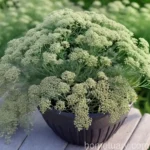
Mexican Clover’s low-growing and spreading nature makes it an ideal choice for ground cover in gardens and landscapes. Its ability to form a dense mat of foliage offers effective weed suppression and erosion control, while also contributing to a visually appealing and lush environment.
In addition to its ornamental value, Mexican Clover’s ability to tolerate various soil conditions and its nitrogen-fixing properties further enhance its utility in sustainable gardening practices. The plant’s drought-tolerance and low-maintenance nature make it an attractive choice for eco-friendly landscaping solutions.
Medicinal and Culinary
Beyond its ornamental and ecological uses, Mexican Clover may also offer potential medicinal and culinary benefits. Exploring the traditional and contemporary applications of this plant in natural remedies and culinary practices sheds light on its diverse roles.
The leaves of Mexican Clover, with their historically recognized astringent and diuretic properties, may have contemporary relevance in herbal medicine and natural remedies. Furthermore, exploring the culinary uses, if any, of Mexican Clover adds to the breadth of its potential applications.
Water
Understanding the water requirements of Mexican Clover is fundamental to successfully cultivating and maintaining this plant. As an integral aspect of plant care, efficient water management facilitates optimal growth and overall health.
Mexican Clover typically thrives in well-draining soil and exhibits moderate water needs. Understanding the plant’s response to varying water conditions enables gardeners and horticulturists to make informed decisions regarding irrigation and watering practices.
Water Requirements
Coming from its natural habitat in Mexico, Mexican Clover demonstrates an adaptation to varying moisture levels, exhibiting moderate drought-tolerance once established. However, consistent watering, particularly during prolonged dry spells, is essential for supporting healthy growth and maintaining the plant’s vitality.
Overwatering may result in waterlogged soil and adversely impact the plant’s health, potentially leading to root rot and other moisture-related issues. Conversely, prolonged periods of insufficient moisture can stress the plant, affecting its appearance and overall vigor.
Sunlight
The role of sunlight in the growth and development of plants is paramount, and Mexican Clover is no exception. Understanding the plant’s sunlight requirements is essential for optimizing its performance in various growing environments.
Sunlight Requirements
Mexican Clover generally thrives in full to partial sun, requiring at least six hours of direct sunlight per day for robust growth and flowering. Adequate exposure to sunlight not only promotes vigorous foliage development but also encourages the production of delicate, white flowers that adorn the plant during the blooming season.
Partial shade may also be tolerated by Mexican Clover, particularly in regions with intense heat and sunlight, as it can help mitigate excessive heat stress and maintain the plant’s overall health. However, consistent and ample sunlight remains an essential factor for ensuring the plant’s vitality and longevity.
Fertilizer
Supplementing the soil with appropriate nutrients through fertilization plays a crucial role in the cultivation of plants such as Mexican Clover. Understanding the nutritional requirements and suitable fertilization practices is integral to supporting the plant’s growth and overall performance.
Nutritional Needs
Mexican Clover typically thrives in well-drained, nutrient-rich soil. While the plant demonstrates a degree of adaptability to various soil conditions, providing sufficient nutrients through organic matter and balanced fertilization can significantly enhance its growth and resilience.
A balanced, slow-release fertilizer with a slightly higher phosphorus content can be beneficial during the early stages of growth and establishment. As the plant matures, a general-purpose, well-balanced fertilizer that includes micronutrients can effectively support its overall health and promote abundant foliage and flowering.
Soil
The soil serves as the foundation for plant growth, providing essential support, nutrients, and aeration. Understanding the soil preferences and requirements of Mexican Clover is fundamental in creating an optimal growing environment for this plant.
Soil Preferences
Mexican Clover thrives in well-drained, fertile soil with a slightly acidic to neutral pH level. The plant exhibits adaptability to varying soil textures, including loamy, sandy, or clay-based soils, making it suitable for a wide range of growing conditions.
Ensuring adequate soil moisture retention while preventing waterlogging is crucial for supporting healthy root development and overall plant vigor. Incorporating organic matter, such as compost or well-rotted manure, can further enhance the soil structure and nutrient content, promoting the robust growth of Mexican Clover.
Pruning
Pruning plays a pivotal role in the maintenance and aesthetic shaping of plants, and Mexican Clover can benefit from strategic pruning practices. Understanding the principles and techniques of pruning facilitates the optimal growth and appearance of this plant.
Pruning Techniques
Mexican Clover responds well to regular light pruning, particularly during the growing season, to maintain a compact and tidy appearance. Trimming excessive growth and removing dead or damaged foliage can promote airflow and reduce the risk of disease, contributing to the overall health of the plant.
Additionally, selectively pruning spent flowers and leggy stems can encourage repeat blooming and stimulate new growth, prolonging the ornamental value of Mexican Clover. Pruning should be carried out with sanitized tools to minimize the risk of transmitting diseases and ensure clean, precise cuts.
Propagation
Propagating Mexican Clover through suitable methods allows for the expansion of its presence in gardens and landscapes. Understanding the propagation techniques and considerations is instrumental in successfully cultivating new plants from existing ones.
Propagation Methods
Mexican Clover can be propagated through division and stem cuttings. Division involves carefully separating the plant into smaller sections, each with sufficient root mass, and transplanting them into prepared soil. This method is ideally carried out during the plant’s active growth period, providing the new divisions with ample time to establish and develop.
Alternatively, stem cuttings can be taken from healthy, vigorous stems and rooted in a suitable growing medium. Selecting non-flowering stems and ensuring the use of sharp, sanitized cutting tools can enhance the success rate of this propagation method, ultimately producing new plants with desirable traits.
Container Popularity
The adaptability and compact growth habit of Mexican Clover render it suitable for container cultivation, offering an array of benefits for gardeners and horticulture enthusiasts alike.
Container Gardening
Mexican Clover thrives in containers, making it an excellent choice for gardeners with limited space or those seeking to accentuate their outdoor living areas with greenery. Its low-maintenance nature and attractive foliage make it a popular option for creating visually appealing container arrangements.
Containers also offer greater control over the growing conditions, allowing for optimized soil composition, moisture management, and sunlight exposure. Additionally, Mexican Clover’s ability to cascade over the edges of containers adds a cascading, lush element to potted displays, enhancing their ornamental appeal.
Common Diseases
Like any other plant, Mexican Clover may be susceptible to certain diseases and ailments that can impact its health and appearance. Understanding the common diseases and their appropriate diagnosis is crucial for implementing effective disease management strategies.
Disease Identification
Mexican Clover may be vulnerable to fungal diseases such as powdery mildew and leaf spot, particularly under conditions of high humidity and poor airflow. Symptoms of powdery mildew include the development of white, powdery patches on the foliage, while leaf spot manifests as dark, concentric lesions on the leaves.
Early detection and prompt intervention are essential in mitigating the spread and severity of these diseases. Implementing cultural practices that promote good air circulation, such as proper spacing and pruning, and avoiding overhead watering can help minimize the risk of fungal infections.
Common Pests
Pests pose a potential threat to the health and vitality of Mexican Clover, necessitating vigilant monitoring and appropriate pest management measures to preserve the plant’s well-being.
Pest Management
Mexican Clover may be prone to infestations by aphids, spider mites, and whiteflies, which can adversely impact the plant’s foliage and overall vigor. Aphids, characterized by their small size and tendency to cluster on young shoots and undersides of leaves, can be managed through the application of insecticidal soap or horticultural oil.
Spider mites, indicated by the fine webbing they produce and their diminutive size, can be mitigated through consistent monitoring and the use of water sprays to dislodge and reduce their presence. Whiteflies, recognizable by their small, white appearance and characteristic flight when disturbed, may be controlled by employing natural predators such as ladybugs or through the use of reflective mulches to deter infestations.
Botanist’s Tips
Drawing from the expertise of botanists and horticulturists yields valuable insights and tips for the successful cultivation and care of Mexican Clover.
Expert Recommendations
- Well-Drained Soil: Ensure that Mexican Clover is planted in well-drained soil to prevent waterlogging and root-related issues.
- Regular Monitoring: Regularly monitor the plant for signs of pests, diseases, or nutrient deficiencies, taking prompt action when necessary to maintain its health.
- Light Pruning: Engage in light pruning throughout the growing season to promote a neat and compact growth habit while encouraging continuous blooming.
Fun Facts
Uncovering intriguing and lesser-known facts about Mexican Clover provides a deeper appreciation for this remarkable plant and its ecological, cultural, and ornamental significance.
Fascinating Insights
- Nitrogen Fixation: Mexican Clover exhibits nitrogen-fixing properties, contributing to soil fertility and supporting the growth of neighboring plants.
- Wildlife Habitat: The dense foliage of Mexican Clover serves as a valuable habitat and food source for various small wildlife, further enhancing its ecological importance.
Links to External Resources
For further exploration and in-depth understanding of Mexican Clover, the following external resources provide valuable information and insights:
- Mexican Clover: A Versatile Ground Cover
- Richardia scabra: Medicinal and Culinary Applications
- Ecological Significance of Mexican Clover in Sustainable Landscapes
In conclusion, the multifaceted nature of Mexican Clover, encompassing its cultural, ecological, and ornamental attributes, solidifies its position as an invaluable plant with diverse applications and benefits. Through the integration of its traditional uses, sustainable gardening practices, and role in supporting local ecosystems, Mexican Clover stands as a testament to the rich tapestry of plant life and its significance in our world.
As we continue to explore and appreciate the botanical wonders around us, Mexican Clover remains a shining example of the interconnectedness between plants, humanity, and the natural world.
By delving into the various aspects of Mexican Clover, from its cultural significance to its ecological contributions, this guide aims to provide a comprehensive understanding of Richardia scabra and its diverse uses. Whether in garden landscapes, traditional medicine, or as a valuable component of sustainable gardening, Mexican Clover stands as a testament to the richness and versatility of plant life.
This comprehensive guide offers insights into the cultural, ornamental, and ecological significance of Mexican Clover, empowering enthusiasts and horticulturists to appreciate and cultivate this remarkable plant with a deeper understanding of its attributes and potential applications.
Disclaimer: This blog post is for informational purposes only and does not constitute professional advice. Always consult with a qualified horticulturist or botanist for personalized recommendations regarding the cultivation and care of plants.
This article is intended for general informational purposes only and does not address specific circumstances. It is not intended to constitute professional advice or recommendations. The information contained herein is provided “as is” and “as available” without any express or implied warranty of any kind.