Mediterranean Mallow (Malva Cretica)
Mediterranean Mallow, scientifically known as Malva cretica, is a stunning perennial plant that holds great significance in horticulture, landscaping, and.
Mediterranean Mallow, scientifically known as Malva cretica, is a stunning perennial plant that holds great significance in horticulture, landscaping, and even traditional medicine. Its vibrant flowers, drought-tolerant nature, and various uses make it a popular choice for gardeners and botanists alike.
In this comprehensive guide, we will delve into the characteristics, cultivation, uses, care requirements, and much more about the Mediterranean Mallow. From its native habitat to its ecological importance, this article aims to provide valuable insights for enthusiasts, horticulturists, and nature lovers.
What is Mediterranean Mallow (Malva cretica)?
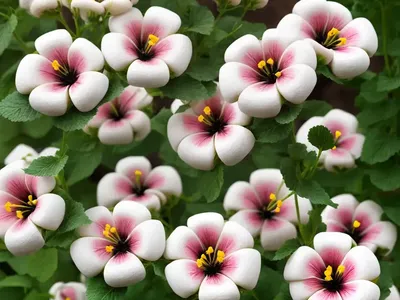
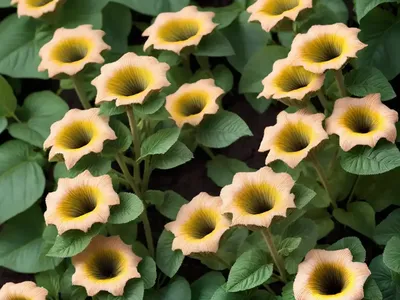
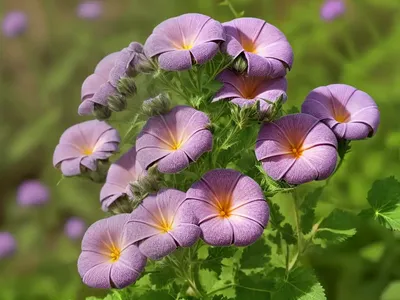
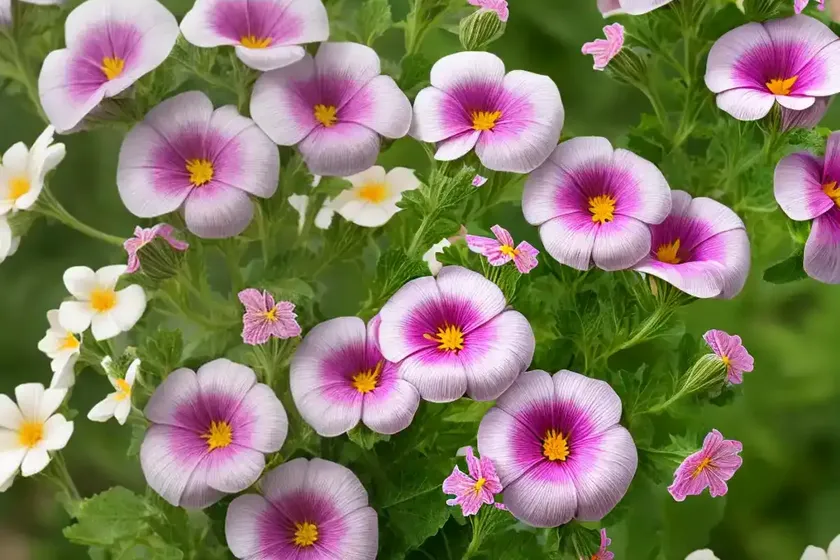
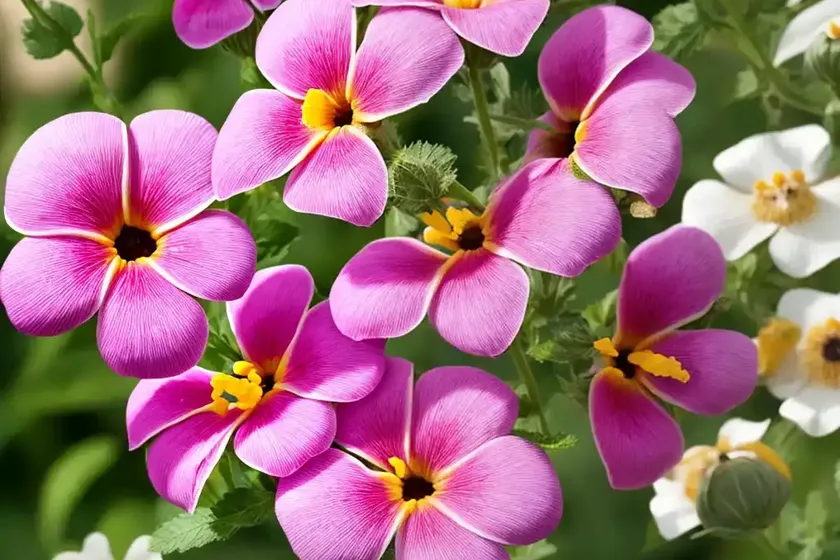
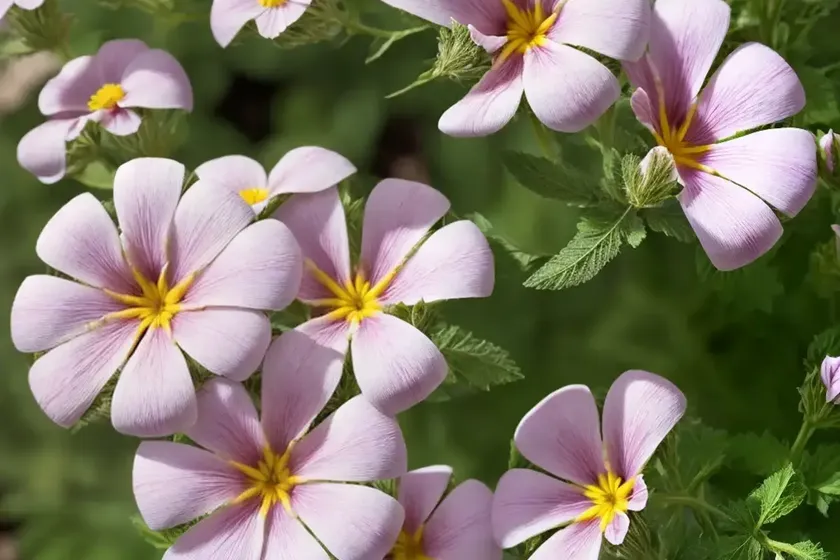
Mediterranean Mallow, or Malva cretica, belongs to the Malvaceae family and is native to the Mediterranean region. This herbaceous perennial plant is known for its ornamental value, with beautiful flowers that range in color from pale pink to deep purple. It has a long history of traditional uses, including medicinal and culinary applications, and it also plays a vital role in supporting local wildlife and ecosystems.
Key Takeaways
Before we delve into the various aspects of Mediterranean Mallow, let’s take a quick look at the key takeaways that will be covered in this guide:
- Plant Name: Mediterranean Mallow (Malva cretica)
- Cultivation: Understanding the cultural requirements for growing healthy Mediterranean Mallow.
- Uses: Exploring the diverse uses of this plant, from medicinal properties to landscaping applications.
- Care Requirements: Detailed insights into the water, sunlight, fertilizer, soil, and pruning needs of Malva cretica.
- Propagation: Learning about the various methods of propagating Mediterranean Mallow.
- Container Gardening: Tips for growing this plant in containers and its popularity in container gardening.
- Common Diseases and Pests: Identifying potential issues and effective management strategies.
- Botanist’s Tips: Expert tips and recommendations for successful cultivation and maintenance.
- Fun Facts: Interesting and lesser-known facts about Mediterranean Mallow.
Now that we have an overview of what to expect, let’s start by understanding the cultural aspects of Mediterranean Mallow.
Culture
Cultural requirements play a vital role in the successful growth and development of Mediterranean Mallow. Understanding its preferences for light, water, soil, and other environmental factors is essential for creating a thriving habitat. Let’s explore the cultural aspects of Malva cretica in detail.
Water
Mediterranean Mallow exhibits moderate drought tolerance once established, making it well-suited for regions with dry and arid climates. However, during the initial establishment phase and periods of prolonged drought, providing regular moisture is essential for promoting healthy growth and flowering.
- Water Requirements:
- Newly planted Mediterranean Mallow should be watered regularly to help the root system establish itself. Once established, the plant can tolerate moderately dry conditions but benefits from occasional deep watering, especially during extended periods of drought.
- It’s important to avoid overwatering, as excessive moisture can lead to root rot and other issues. Adequate drainage is essential to prevent waterlogged soil.
Sunlight
In its natural habitat, Mediterranean Mallow thrives in full sun to partial shade. Adequate sunlight is crucial for promoting robust growth, enhancing flower production, and ensuring the overall health of the plant.
- Sunlight Needs:
- For best results, aim to provide Mediterranean Mallow with at least 6-8 hours of direct sunlight per day. In hotter climates, afternoon shade can help protect the plant from excessive heat and sunburn.
Fertilizer
While Mediterranean Mallow is relatively low-maintenance, providing appropriate nutrients can support its vigor and blooming capacity. A balanced fertilizer applied at the right time can contribute to better overall performance.
- Fertilization:
- Use a balanced, slow-release fertilizer in early spring to encourage healthy growth and flower production. Avoid excessive application of nitrogen, as this can promote vegetative growth at the expense of flowering.
Soil
Well-draining soil with good fertility is essential for Mediterranean Mallow. While it can adapt to various soil types, ensuring proper drainage is crucial for preventing waterlogged conditions, which can be detrimental to the plant’s health.
- Soil Requirements:
- Aim for a loamy, well-draining soil with a slightly acidic to neutral pH (6.0-7.0). Amending heavy clay soils with organic matter can improve drainage and create a more favorable growing environment for Malva cretica.
Uses
Mediterranean Mallow offers a wide range of uses, making it a versatile and valuable addition to gardens, landscapes, and even traditional medicinal practices. Let’s explore the diverse applications of Malva cretica.
Medicinal Properties
In traditional medicine, various parts of the Mediterranean Mallow plant have been used to prepare herbal remedies. The leaves and flowers are often steeped to create infusions that are believed to have soothing and anti-inflammatory properties.
- Traditional Medicine:
- The extract of Malva cretica has been used in traditional medicine to alleviate symptoms of respiratory issues, digestive discomfort, and skin irritations. It is revered for its gentle, soothing effects.
Landscaping and Ornamental Value
With its attractive foliage and showy flowers, Mediterranean Mallow makes an excellent ornamental plant for gardens and landscapes. Its prolonged blooming period and tolerance to dry conditions add to its desirability in landscaping projects.
- Landscaping:
- Mediterranean Mallow can be used as a colorful border plant, a feature in mixed perennial beds, or as a naturalized element in cottage gardens. Its ability to attract pollinators and wildlife further enhances its value in ecological landscaping designs.
Culinary Uses
The young leaves of Malva cretica are edible and have a mild flavor. They can be incorporated into salads or cooked as a leafy green vegetable. While not as commonly utilized in modern culinary practices, Mediterranean Mallow has historical significance as a source of nourishment.
- Edible Uses:
- The tender leaves of Mediterranean Mallow can be added to salads for a touch of green freshness. They can also be sautéed lightly as a nutritious addition to various dishes.
Now that we’ve explored the uses of Mediterranean Mallow, let’s delve into the essential details for successfully growing and caring for this plant.
Care Requirements
Understanding and addressing the specific care needs of Mediterranean Mallow are essential for nurturing healthy and vibrant specimens. From watering routines to pruning techniques, each aspect contributes to the overall well-being of the plant.
Pruning
Pruning is an important aspect of caring for Mediterranean Mallow, especially for maintaining its shape, controlling size, and promoting ample flowering. Proper pruning techniques can also help improve air circulation, which can contribute to the plant’s overall health.
- Pruning Techniques:
- In early spring, prune back any winter-damaged or dead growth to encourage new shoots and a tidy appearance. Deadheading spent flowers throughout the growing season can prolong the blooming period and prevent self-seeding.
Propagation
Mediterranean Mallow can be propagated through various methods, including seeds, division, and stem cuttings. Understanding the different propagation techniques can offer gardeners flexibility in expanding their plantings of Malva cretica.
- Propagation Methods:
- Seeds: Sow seeds in a well-draining growing medium in the early spring or fall. Keep the seeds consistently moist until germination occurs.
- Division: Established clumps can be divided in early spring to create new plants. Ensure that each division has sufficient roots and shoots to support its growth.
- Stem Cuttings: Select healthy, non-flowering stems for propagation. Dip the cut ends in rooting hormone and plant them in a suitable growing medium, providing the necessary warmth and humidity for root development.
Container Gardening
Mediterranean Mallow can thrive in containers, offering an excellent option for gardeners with limited space or those looking to create vibrant displays on patios, balconies, or other outdoor areas.
- Container Requirements:
- Choose a container with adequate drainage holes to prevent waterlogging. Use a well-draining potting mix and ensure that the plant receives sufficient sunlight to support healthy growth and flowering.
Popularity in Container Gardening
The compact growth habit and ornamental features of Mediterranean Mallow make it a popular choice for container gardening. Its ability to thrive in confined spaces while still providing colorful blooms and ecological benefits increases its appeal to enthusiasts and urban gardeners.
- Display Options:
- Mediterranean Mallow can be featured in standalone containers, combined with other compatible plants in mixed planters, or used to create a striking focal point on a deck or patio.
Common Diseases and Pests
As with any plant, Mediterranean Mallow is susceptible to certain diseases and pests that can affect its health and appearance. Recognizing the symptoms and implementing effective management strategies are crucial for maintaining vigorous and resilient specimens.
Disease Diagnosis
Mediterranean Mallow may be prone to fungal diseases such as powdery mildew and rust, especially in humid conditions or overcrowded plantings. Regular inspection and prompt intervention can help prevent the spread of these issues.
- Symptoms and Management:
- Powdery Mildew: Look for white, powdery patches on the leaves. Improve air circulation, avoid overhead watering, and consider fungicidal treatments if the issue persists.
- Rust: Monitor for orange-brown pustules on the undersides of leaves. Remove and destroy affected plant parts, and consider fungicidal treatments if necessary.
Common Pests
While Mediterranean Mallow is relatively resistant to major pest attacks, it may still encounter occasional insect visitors such as aphids, spider mites, and caterpillars. Vigilance and natural control methods can help manage these pests effectively.
- Pest Control:
- Aphids and Spider Mites: Regularly inspect the plant for signs of infestation, and use a strong blast of water or insecticidal soap to dislodge and control these pests.
- Caterpillars: Handpick larger caterpillars and consider introducing biological controls or targeted treatments for heavy infestations.
Botanist’s Tips
Drawing on expert insights and practical recommendations can greatly enhance the success and enjoyment of growing Mediterranean Mallow. Here are some valuable tips for cultivating and caring for Malva cretica:
- Tip 1: Ensure that the planting site offers well-draining soil, as Mediterranean Mallow is sensitive to waterlogged conditions.
- Tip 2: Incorporate a layer of organic mulch around the base of the plant to help retain soil moisture and regulate root temperature.
- Tip 3: Consider interplanting Mediterranean Mallow with complementary species to create visually appealing and ecologically beneficial garden plots.
- Tip 4: Encourage regular airflow around the plant by providing adequate spacing and avoiding overcrowding with neighboring vegetation.
- Tip 5: Monitor the soil moisture levels closely during periods of extended heat or drought, and adjust watering routines accordingly to support the plant’s resilience.
Fun Facts
Uncover some intriguing and captivating facts about Mediterranean Mallow that add to its allure and significance:
- Fact 1: The genus name “Malva” is derived from the Greek word “malakos,” which means soft, in reference to the soothing properties of the plant.
- Fact 2: Mediterranean Mallow has a rich folklore history, with associations to love, protection, and healing in various cultures.
- Fact 3: The flowers of Malva cretica are known to attract an array of pollinators, contributing to biodiversity and ecological balance in natural settings.
Links to External Resources
For further exploration and in-depth information about Mediterranean Mallow, consider accessing the following resources:
- Royal Horticultural Society – Malva cretica
- Missouri Botanical Garden – Malva cretica
- University of Florida IFAS Extension – Malva cretica
Wrapping Up
Mediterranean Mallow (Malva cretica) is undoubtedly a captivating and versatile plant with a rich tapestry of uses and ecological contributions. From its vibrant flowers to its therapeutic properties, this perennial herbaceous plant offers a multitude of benefits to gardeners, wildlife, and the environment.
By understanding its care requirements, uses, and cultural preferences, enthusiasts and horticulturists can unlock the full potential of Mediterranean Mallow in their gardens, landscapes, and even in traditional applications. With its resilience, alluring blooms, and ecological value, Malva cretica continues to enthrall and inspire those who appreciate the beauty and significance of plant life.
Remember, when adding Mediterranean Mallow to your garden or landscape, you are not just enriching the surroundings with its charm, but also contributing to the local ecosystem and preserving a plant with a fascinating history and diverse capabilities.