High Mallow (Malva Sylvestris)
Plants have been an integral part of human civilization since ancient times. Not only do they provide aesthetic beauty to our surroundings, but they also.
Plants have been an integral part of human civilization since ancient times. Not only do they provide aesthetic beauty to our surroundings, but they also offer a myriad of benefits ranging from medicinal uses to ecological significance. In this blog, we will delve into the captivating world of High Mallow (Malva sylvestris), exploring its cultural significance, cultivation techniques, medicinal uses, and much more.
What is High Mallow (Malva sylvestris)?
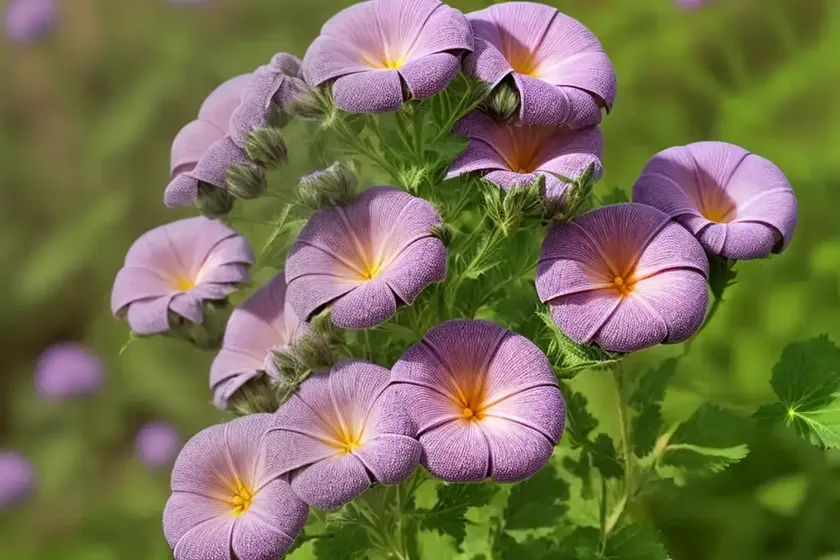
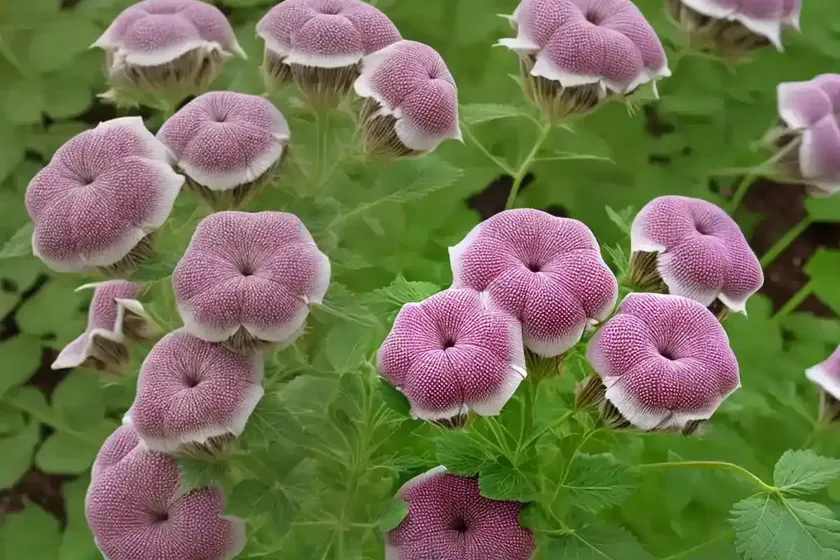
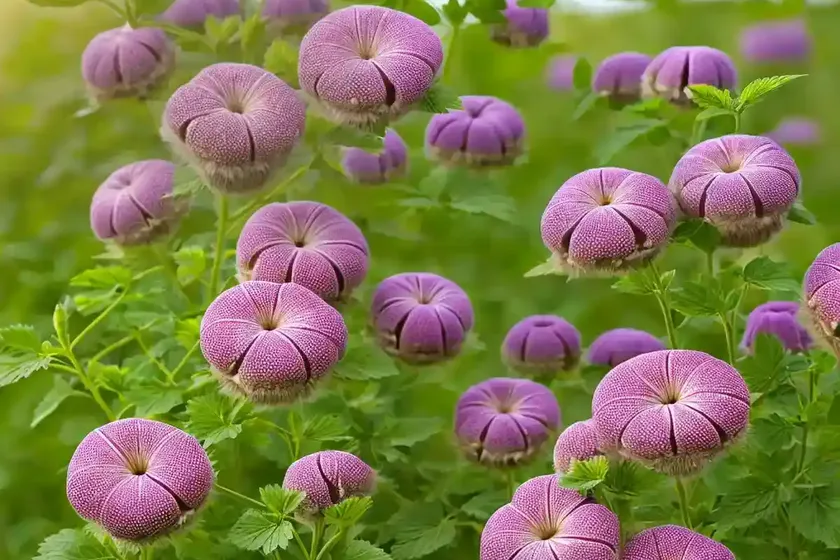
High Mallow, scientifically known as Malva sylvestris, is a species of the Mallow family, Malvaceae. This herbaceous perennial plant is native to Europe, Western Asia, and North Africa, and has naturalized in many other parts of the world. High Mallow is renowned for its beautiful lavender to deep purple hued flowers that bloom in the summer, creating a spectacle in gardens and natural landscapes.
Plant Description
- Common Name: High Mallow
- Scientific Name: Malva sylvestris
- Family: Malvaceae
- Habitat: Native to Europe, Western Asia, and North Africa
- Flowering Period: Summer
- Growth Habit: Herbaceous perennial
- Growth Stages: Germination, Vegetative Growth, Flowering, Seed Formation
High Mallow is characterized by its palmately lobed leaves and attractive, cup-shaped flowers. It is widely cultivated for its ornamental value, as well as for its historical uses in traditional medicine and culinary applications. Let’s explore the key takeaways and characteristics of this enchanting plant.
Key Takeaways – High Mallow (Malva sylvestris)
High Mallow, with its rich historical legacy and versatile uses, offers numerous key takeaways that intrigue botanists, herbalists, and gardening enthusiasts alike. From its herbal remedies to its appeal in folklore, the plant holds a unique position in the world of flora. Here are the key takeaways of High Mallow:
-
Medicinal Uses: Malva sylvestris is renowned for its extensive medicinal uses in herbal remedies, especially for respiratory health and digestive ailments.
-
Cultural Significance: This plant has a rich historical and cultural significance, being used in traditional medicine, folklore, and mythology.
-
Ornamental Value: High Mallow is cultivated for its aesthetic appeal in gardens, adding a touch of natural beauty with its vibrant blooms.
-
Ethnobotanical Importance: The plant holds significance in traditional and indigenous practices, contributing to its ethnobotanical importance.
-
Environmental Benefits: Malva sylvestris offers ecological benefits, supporting wildlife and contributing to the overall biodiversity of its habitat.
With these key takeaways in mind, let’s explore the specifics of cultivating and caring for High Mallow, from its cultural uses to its requirements for growth.
Culture
Uses
High Mallow (Malva sylvestris) holds significance in various domains, including:
-
Medicinal Uses: The plant has a long history of medicinal uses, with the flowers, leaves, and roots being used for treating respiratory ailments, digestive disorders, and as a natural remedy for skincare.
-
Culinary Applications: In certain cultures, the leaves of High Mallow are used in culinary preparations, adding a nutritious and flavorful element to dishes.
-
Ornamental Value: High Mallow is cultivated as an ornamental plant, adorning gardens with its distinctive foliage and captivating flowers.
Water
High Mallow thrives in well-drained, moist soil. Adequate watering is essential, especially during dry spells, to ensure the plant’s vigor and continuous flowering.
Sunlight
Malva sylvestris flourishes in full sun to partial shade. It benefits from receiving at least 6 hours of sunlight daily for optimal growth and blooming.
Fertilizer
For cultivation in gardens, a balanced fertilizer application in the spring can promote healthy growth and abundant flowering. Organic fertilizers or slow-release formulations are ideal for sustaining the plant’s nutrient requirements.
Soil
The plant prefers fertile, loamy soil with good drainage. It can adapt to various soil types but thrives in moderately rich, well-drained soil.
Pruning
Regular deadheading of spent flowers can extend the blooming period of High Mallow. Additionally, removing any diseased or damaged parts can promote overall plant health and appearance.
Propagation
High Mallow can be propagated by seeds or division. Seeds can be sown directly in the garden or started indoors for later transplanting. Division of mature clumps in spring or fall can also be an effective propagation method.
Container Popularity
High Mallow is suitable for container cultivation, especially for individuals with limited outdoor space. Its ornamental value and relatively low maintenance make it a popular choice for container gardening.
Container Common Diseases
While High Mallow is relatively disease-resistant, it may occasionally be susceptible to:
-
Powdery Mildew: A fungal disease that appears as a powdery white substance on the leaves and stems, affecting the plant’s vigor and aesthetics.
-
Rust: Another fungal disease that manifests as orange, powdery spots on the undersides of leaves, potentially leading to leaf yellowing and defoliation.
Disease Diagnosis
If symptoms of powdery mildew or rust are observed, it is essential to promptly diagnose and treat the affected plants. Proper air circulation, adequate spacing, and proper watering can help prevent these diseases. Fungicidal treatments may be warranted in severe cases.
Common Pests
High Mallow is generally resistant to pests, but it may attract certain insects such as aphids and spider mites at times. Regular monitoring of the plant and employing natural pest control methods can effectively manage such infestations without the need for chemical interventions.
Botanist’s Tips
Botanists and gardening enthusiasts can benefit from the following tips for cultivating and caring for High Mallow (Malva sylvestris):
-
Companion Planting: High Mallow can complement a variety of garden plants and flowers, offering both aesthetic value and potentially beneficial interactions with its companion species.
-
Mulching: Applying mulch around the base of the plant can help retain soil moisture, suppress weed growth, and provide insulation to the root system.
-
Wildlife Gardening: High Mallow’s attractiveness to pollinators and other beneficial insects makes it a valuable addition to wildlife-friendly gardens and naturalistic landscapes.
Fun Facts
High Mallow, apart from its practical uses, possesses several intriguing and fun facts that enrich its botanical allure:
-
Symbolism: In certain cultures, High Mallow holds symbolic significance, representing attributes such as resilience, healing, and beauty.
-
Historical Uses: Throughout history, High Mallow has been utilized for various purposes, ranging from culinary and medicinal applications to its role in folklore and traditional practices.
-
Ethnopharmacological Properties: The plant’s chemical composition contributes to its ethnopharmacological significance, with potential therapeutic properties attributed to its phytochemical constituents.
These fun facts add depth to the fascination surrounding this captivating plant, making it a subject of interest for plant enthusiasts, historians, and nature lovers alike.
Links to External Resources
For further exploration of High Mallow (Malva sylvestris) and related topics, the following external resources offer valuable information:
- Malva sylvestris: A Medicinal Plant with Valuable Properties
- Cultivation Techniques for High Mallow (Malva sylvestris)
- High Mallow Tea and its Health Benefits
- Traditional Uses of Malva sylvestris in Herbal Remedies
- High Mallow: A Versatile Plant in Ethnobotany
High Mallow encompasses a diverse array of aspects, from its cultivation techniques to its rich cultural and medicinal heritage. Exploring these resources can deepen one’s understanding of the plant’s significance and broaden insights into its multifaceted uses and attributes.
In conclusion, High Mallow (Malva sylvestris) captivates with its enchanting blooms, rich history, and versatile applications. From its role in traditional medicine to its appeal in gardens, the plant embodies a wealth of botanical charm and practical benefits. Whether admired for its ornamental value or sought after for its medicinal properties, High Mallow continues to enchant and inspire a deep appreciation for the natural world.
Intrigued by the allure of High Mallow? Its natural remedies, folklore, and ethnopharmacological properties offer a fascinating journey into the realms of herbal medicine and traditional practices. Unveiling the depths of this enchanting plant reveals a tapestry of historical significance and contemporary uses, enriching the botanical landscape and enriching the lives of those who cultivate and cherish it.