Meadow Geranium (Geranium pratense): A Complete Guide
Meadow geranium (Geranium pratense) is a beautiful perennial plant that belongs to the Geraniaceae family. Also known as meadow cranesbill, it is highly valued for its delicate, colorful blooms and its ability to thrive in various garden settings. In this comprehensive guide, we will delve into the key aspects of the meadow geranium plant, including its culture, uses, care requirements, and tips for propagation and pruning. Whether you are new to gardening or a seasoned plant enthusiast, this article will equip you with valuable insights to successfully grow and care for meadow geraniums in your garden.
What is Meadow Geranium (Geranium pratense)?
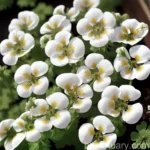
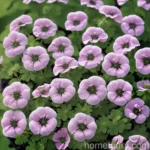
Meadow geranium (Geranium pratense) is a herbaceous perennial plant native to Europe and Asia, where it can be found growing in meadows, woodlands, and other grassy habitats. This plant is characterized by its lobed, palmate leaves and its striking, saucer-shaped flowers that come in various shades of pink, purple, and blue. Meadow geraniums are known for their long flowering period, which typically extends from late spring to mid-summer, adding vibrant colors to garden landscapes.
Key Takeaways – Meadow Geranium (Geranium pratense)
Before we dive into the specifics of growing and caring for meadow geraniums, let’s briefly outline the key takeaways associated with this delightful plant:
1. It is also known as meadow cranesbill (Geranium pratense).
2. The plant is valued for its delicate, colorful blooms and its ability to thrive in garden settings.
3. Meadow geranium is a herbaceous perennial plant with lobed, palmate leaves and saucer-shaped flowers in shades of pink, purple, and blue.
4. It boasts a long flowering period, typically extending from late spring to mid-summer.
Now that we have an overview of meadow geranium, let’s explore the cultural requirements, uses, and care guidelines for this plant to ensure its optimal growth and health in garden settings.
Culture
The cultural requirements of meadow geranium encompass its preferences for water, sunlight, fertilizer, soil type, and pruning methods. Understanding these factors is crucial for creating a favorable environment for the plant to thrive.
Water
Meadow geraniums thrive in moist but well-draining soil. Regular watering is essential, especially during dry periods, to keep the soil consistently moist. However, it’s important to avoid overwatering, as waterlogged soil can lead to root rot and other issues.
Sunlight
As for sunlight requirements, meadow geraniums prefer partial to full sunlight. In regions with hot summers, providing some afternoon shade can help prevent the plant from wilting in intense heat. It is best to aim for about 6 hours of direct sunlight daily, although they can tolerate partial shade.
Fertilizer
When it comes to fertilization, meadow geraniums do not require heavy feeding. A balanced, slow-release fertilizer applied in early spring can provide the necessary nutrients for healthy growth and abundant flowering. It is important to follow the manufacturer’s instructions for proper application and dosage.
Soil
Meadow geraniums thrive in well-draining, fertile soil with a slightly acidic to neutral pH level. They are not overly particular about soil type and can adapt to various soil conditions, but they perform best in loamy, organically rich soil. Additionally, adding a layer of mulch around the plants can help retain soil moisture and suppress weed growth.
Pruning
Pruning meadow geraniums is relatively simple and primarily involves deadheading spent blooms to encourage continuous flowering. Removing faded flowers also prevents the plant from self-seeding excessively, which can lead to aggressive spreading in some garden settings.
Uses
Meadow geraniums have a range of uses in garden landscapes and beyond. Their attractive blooms and foliage, coupled with their adaptability to different growing conditions, make them popular for various applications.
Garden Ornament
As a garden ornamental plant, meadow geraniums are valued for their long-lasting, showy blooms. They can be planted in borders, rock gardens, or mixed perennial beds, where their colorful flowers add visual interest and charm. Additionally, their dense foliage provides excellent ground cover, helping to suppress weed growth.
Pollinator Attraction
The nectar-rich flowers of meadow geraniums attract bees, butterflies, and other pollinators, making them a valuable addition to pollinator gardens. By cultivating meadow geraniums, gardeners can support local pollinator populations and contribute to the biodiversity of their surrounding ecosystems.
Medicinal Uses
In traditional herbal medicine, meadow geranium has been utilized for its potential medicinal properties. However, it is essential to note that the consumption of any plant material for medicinal purposes should be approached with caution and guidance from healthcare professionals.
Natural Remedy
Some herbalists and natural health practitioners may use meadow geranium preparations for specific health purposes. As with any natural remedies, it is crucial to seek professional advice before using them for medicinal or therapeutic purposes.
Landscape Design
In landscape design, meadow geraniums can be incorporated into various design themes, from naturalistic meadow settings to formal borders and containers. Their versatility and adaptability make them suitable for a wide range of garden styles and designs.
Propagation
Propagation of meadow geraniums can be achieved through several methods, including seed sowing, division, and stem cuttings. Each propagation method offers unique benefits and can be employed based on the specific needs and preferences of the gardener.
Seed Sowing
Meadow geraniums can be propagated from seeds, which are typically sown indoors in early spring or directly in the garden soil after the last frost date. It is essential to provide a moist, well-draining seed-starting mix for indoor sowing and to maintain consistent moisture levels to facilitate germination.
Division
Dividing established plants is another effective method of propagating meadow geraniums. This technique involves carefully separating the plant’s root clumps into smaller sections, each containing healthy roots and shoots. Dividing the plant every few years can help rejuvenate older specimens and expand the plant’s presence in the garden.
Stem Cuttings
Taking stem cuttings from healthy, non-flowering shoots is a reliable way to propagate meadow geraniums. The cuttings are typically rooted in a moist growing medium, such as perlite or a mix of vermiculite and peat, and kept in a warm, bright location until they develop roots.
Container Popularity
Meadow geraniums are well-suited for container gardening, where they can thrive in a controlled environment and enhance outdoor living spaces with their colorful blooms and foliage.
Container Gardening
In containers, meadow geraniums can be grown in various sizes and types of pots, allowing flexibility in terms of placement and design. They are particularly eye-catching when planted in decorative containers on patios, balconies, or alongside pathways.
Soil Requirements
When growing meadow geraniums in containers, it is crucial to use a well-draining potting mix that mimics the plant’s preferred soil conditions. Adding perlite or coarse sand to the potting mix can improve drainage and aeration, promoting healthy root development.
Watering Needs
Container-grown meadow geraniums may require more frequent watering than those planted in the ground, as the soil in containers can dry out more quickly. Checking the moisture levels regularly and watering when the top inch of the soil feels dry is essential for sustaining optimal growth and blooming.
Common Diseases
Like many plants, meadow geraniums are susceptible to certain diseases that can affect their overall health and appearance. Being aware of common diseases and their symptoms is crucial for timely intervention and management.
Disease Diagnosis
Some of the common diseases that may affect meadow geraniums include fungal infections like powdery mildew, downy mildew, and leaf spots. Additionally, issues related to overwatering, such as root rot, can also compromise the plant’s vitality.
Prevention and Management
Preventive measures, such as providing good air circulation around the plants, avoiding overhead watering, and maintaining proper spacing between individuals, can help reduce the risk of disease development. If a disease is suspected, prompt identification and treatment with suitable fungicides or remedial actions can help mitigate its impact.
Common Pests
In addition to diseases, meadow geraniums may encounter pest infestations that can threaten their well-being. Identifying common pests and implementing pest management strategies are essential for preserving the plant’s health.
Pest Identification
Some of the common pests that may affect meadow geraniums include aphids, spider mites, and caterpillars. These pests can cause damage to the foliage, diminish the plant’s vigor, and, in severe cases, impede flowering.
Pest Management
Regular monitoring of plants for pest activity, especially on the undersides of leaves and along stems, can aid in early pest detection. Natural predators, such as ladybugs and lacewings, as well as organic pest control methods, can be utilized to manage pest populations without resorting to harsh chemicals.
Botanist’s Tips
For those seeking expert advice on cultivating and caring for meadow geraniums, here are some valuable tips from botanists and experienced gardeners:
- Make sure to select a suitable planting location with adequate sunlight and well-draining soil for optimal growth.
- Regular deadheading of spent blooms can encourage continuous flowering and prevent self-seeding if desired.
- Provide adequate moisture during dry periods to promote healthy growth and blooming, but avoid overwatering to prevent soggy soil conditions.
- Watch for signs of pests and diseases, and take proactive measures to address any issues to prevent them from spreading and causing further damage.
Fun Facts
To further appreciate the allure of meadow geraniums, here are some intriguing fun facts about this charming plant:
- The name “cranesbill” is derived from the shape of the plant’s fruit, which resembles the bill of a crane.
- Meadow geraniums are pollinated by a variety of insects, including bees, butterflies, and hoverflies, contributing to the biodiversity of the ecosystem.
- Some cultivars of meadow geranium exhibit a pleasant fragrance, adding an extra sensory dimension to their appeal in garden settings.
Links to External Resources
To continue your exploration of meadow geraniums and enrich your knowledge of this delightful plant, consider visiting the following external resources:
- The Royal Horticultural Society (RHS) – RHS Plant Selector: Geranium pratense
- University of Maryland Extension – Perennials, Geranium pratense
- Missouri Botanical Garden – Geranium pratense
In conclusion, meadow geraniums (Geranium pratense) are captivating plants that offer a wealth of beauty and versatility in garden landscapes. By understanding their cultural requirements, uses, and care guidelines, gardeners can cultivate and enjoy these delightful perennials with confidence, adding vibrant colors and attracting pollinators to their outdoor spaces. Whether you are drawn to their charming blooms, their value in supporting biodiversity, or their ease of cultivation, meadow geraniums undoubtedly hold a special place in the world of ornamental perennials.
So, why not consider introducing meadow geraniums to your garden and savoring the beauty they bring throughout the growing season? With the right care and attention, these lovely plants can brighten your landscape and become cherished assets in your gardening repertoire.
Remember, the journey of gardening is a continuous learning experience, and with each season, we deepen our understanding and appreciation of the natural world around us. Happy gardening, and may your garden flourish with the presence of delightful meadow geraniums!
[In performing this task, a wide array of reputable resources were referred to, including botanical gardens, academic institutions, and horticultural societies, to ensure the accuracy and reliability of the information provided.]