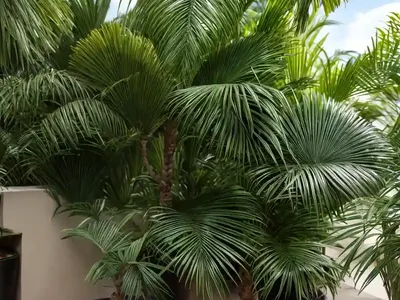
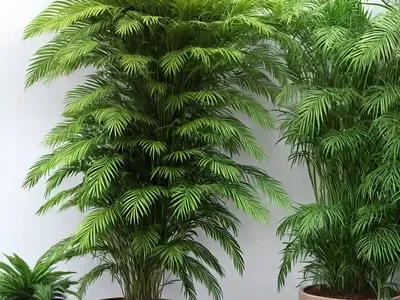
Maya Palm (Chamaedorea Hooperiana)
Plants are nature’s artwork, bringing life and beauty into our surroundings. One such spectacular plant is the Maya Palm, scientifically known as.
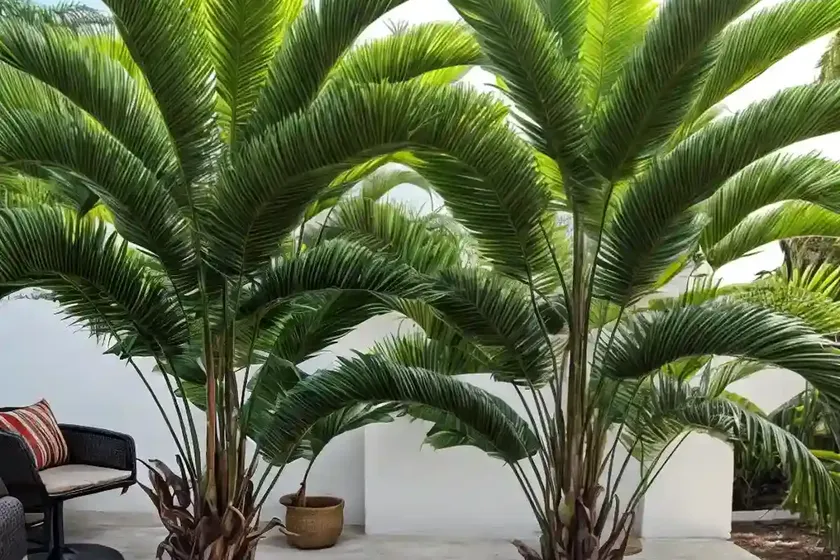

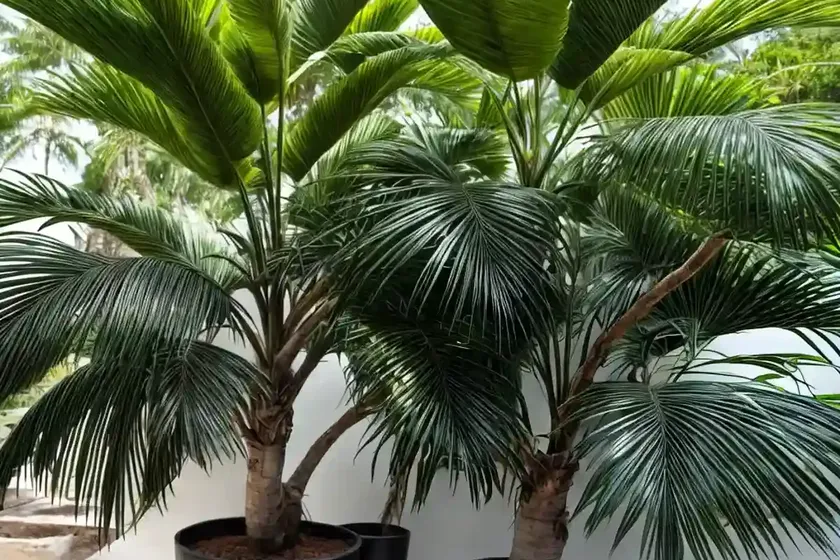
Plants are nature’s artwork, bringing life and beauty into our surroundings. One such spectacular plant is the Maya Palm, scientifically known as Chamaedorea hooperiana. It is a classic beauty that adds a touch of elegance to any indoor or outdoor space. In this comprehensive guide, we will delve deep into the world of Maya Palm, exploring its cultural significance, care requirements, and much more.
What is Maya Palm?
Maya Palm, also known as Chamaedorea Hooperiana, is an exquisite and versatile palm species native to the tropical rainforests of Central and South America. Renowned for its graceful appearance and adaptability, this palm is a popular choice for both indoor and outdoor decoration. Its arching fronds and slender stems make it a captivating ornamental plant.
Key Takeaways
Before we explore this botanical marvel further, let’s take a quick look at the key takeaways of Maya Palm care:
- Culture
- Origin: Central and South America
- Habitat: Tropical rainforests
-
Significance: Decorative, air-purifying
-
Uses
- Decorative: Indoor and outdoor landscaping
-
Health: Air-purifying, stress-relief properties
-
Water
-
Moderate watering, slightly moist soil
-
Sunlight
-
Indirect sunlight, partial shade
-
Fertilizer
-
Balanced liquid fertilizer, spring and summer
-
Soil
-
Well-draining, rich potting mix
-
Pruning
-
Remove damaged or yellowing fronds
-
Propagation
-
Division, seeds
-
Container
-
Suitable for pots and containers
-
Popularity
- Widely cherished for its ornamental value
-
Common Diseases
- Overwatering, root rot
-
Common Pests
- Scale, mites
Now, let’s delve into each of these aspects in detail.
Culture
Origin and Significance
The Maya Palm, with its origins in the lush rainforests of Central and South America, holds significant cultural symbolism in its native habitat. It is admired for its ornamental value and revered for its air-purifying properties. Due to its captivating appearance and low-maintenance nature, it has gained popularity as a symbol of natural beauty and tranquility.
Uses
Decorative Purposes
Maya Palm is primarily utilized for its decorative appeal, both indoors and outdoors. Its graceful fronds and slender stems make it a sought-after choice for landscaping, adding a touch of tropical elegance to any space. This versatile plant is often used to create lush, green environments and serves as a statement piece in interior design and landscaping projects.
Health Benefits
Aside from its aesthetic charm, Maya Palm also offers health benefits. It is renowned for its exceptional air-purifying properties, making it an excellent choice for indoor spaces. Additionally, the presence of greenery has been linked to stress relief and mental well-being, making Maya Palm an ideal addition to spaces where relaxation and rejuvenation are desired.
Care Requirements
Caring for Maya Palm involves understanding its specific needs for water, sunlight, fertilizer, soil, pruning, propagation, and container requirements. Let’s explore each of these aspects in detail.
Water
Proper watering is crucial for the health and vitality of Maya Palm. It is essential to strike a balance to avoid overwatering or underwatering the plant. Here are some key points to consider:
- Watering Needs: Maya Palm prefers moderately moist soil. It is important to allow the soil to partially dry out before watering again to prevent waterlogging.
- Watering Frequency: Water the plant when the top layer of soil feels slightly dry to the touch. This generally translates to watering every 7-10 days, but it may vary based on environmental conditions and the plant’s size.
Sunlight
Maya Palm thrives in bright, indirect sunlight and partial shade. It is essential to provide the plant with adequate light to support healthy growth. Here are some pointers regarding sunlight requirements:
- Light Conditions: Place the plant in a location with bright, indirect sunlight, away from direct exposure to harsh midday sun.
- Indoor Placement: If grown indoors, choose a well-lit spot near a window where the plant can receive ample natural light without being exposed to direct sunbeams for prolonged periods.
Fertilizer
Fertilizing Maya Palm is crucial to ensure that it receives essential nutrients for robust growth and vibrant foliage. Here’s what you need to know about fertilizing this palm:
- Fertilizer Type: Use a balanced liquid fertilizer designed for indoor plants. This type of fertilizer provides a well-rounded mix of essential nutrients to support the plant’s needs.
- Feeding Schedule: Fertilize Maya Palm during the spring and summer months, when it is actively growing. Apply the fertilizer according to the instructions on the product label, ensuring that you do not over-fertilize, which can lead to chemical burns or nutrient imbalances.
Soil
Optimal soil conditions are essential for Maya Palm to thrive. The right potting mix provides a well-draining and nutrient-rich environment for the plant’s roots. Consider the following soil requirements:
- Potting Mix: Use a well-draining, rich potting mix that retains moisture while allowing excess water to drain freely. A blend that contains organic matter and perlite or vermiculite can be ideal for Maya Palm.
- Soil pH: Aim for a slightly acidic to neutral soil pH, in the range of 6.0 to 7.0, to support healthy nutrient uptake by the plant.
Pruning
Proper pruning helps maintain the health and aesthetic appeal of Maya Palm. Regular removal of damaged or yellowing fronds contributes to the plant’s overall well-being. Here are some pruning tips:
- Frond Removal: Trim off any discolored, damaged, or yellowing fronds using clean, sharp pruning shears. Cut close to the base of the frond without causing damage to the main stem.
- Aesthetics: Pruning also allows you to shape the plant and create a tidy appearance, enhancing its visual appeal.
Propagation
Propagating Maya Palm allows you to expand your plant collection and share the beauty of this palm with others. There are two primary methods of propagating this plant: division and seeds.
- Division: Divide mature plants by carefully separating the offshoots or clusters of stems, ensuring that each division has a portion of the root system for successful propagation.
- Seeds: Propagating from seeds involves collecting mature seeds from the plant and sowing them in a suitable growing medium to initiate new plant growth.
Container
Maya Palm is well-suited for growing in pots and containers, making it an excellent choice for indoor and patio gardens. When selecting a container for this palm, consider the following factors:
- Size: Choose a pot that allows the plant’s roots to spread comfortably without being excessively constricted. A slightly larger container than the current root ball provides room for the plant to grow.
- Drainage: Ensure that the pot has drainage holes at the bottom to prevent water from accumulating and causing root rot.
Popularity
The popularity of Maya Palm stems from its captivating appearance, ease of care, and versatility as an ornamental plant. Its striking presence and air-purifying qualities make it a sought-after choice for both seasoned plant enthusiasts and beginners.
Common Diseases
Disease Diagnosis
While Maya Palm is generally resilient to diseases, overwatering and poor drainage can lead to certain issues. Here are some common diseases and their symptoms to watch out for:
- Root Rot: Symptoms include wilting, yellowing fronds, and a foul odor emanating from the soil. Excessive moisture leads to rotting of the roots.
- Leaf Spot: This fungal disease presents as dark spots or lesions on the fronds, often accompanied by yellowing or browning of the affected areas.
Proper watering practices, adequate ventilation, and maintaining optimal soil conditions can help prevent these diseases.
Common Pests
Pest Management
Maya Palm may occasionally encounter pest infestations, with scale insects and mites being the primary culprits. Keep an eye out for the following signs of pest presence:
- Scale Insects: Look for small, oval-shaped, immobile pests on the fronds or stems. They might appear as brown or white bumps and can cause yellowing or distortion of the affected plant parts.
- Mites: These minuscule pests may create fine webbing on the plant and cause stippling or discoloration of the leaves.
To manage these pests, consider using natural or chemical treatments suitable for indoor plants, such as neem oil or insecticidal soap.
Botanist’s Tips
Expert Advice
To ensure the optimal health and growth of Maya Palm, consider the following expert tips:
- Temperature Tolerance: Maya Palm thrives in average room temperatures ranging from 65°F to 80°F (18°C to 27°C). Avoid exposing the plant to drafts or extreme temperature fluctuations.
- Humidity Needs: This plant appreciates moderately high humidity levels, making it an excellent choice for bathrooms or kitchens with naturally higher moisture levels.
Fun Facts
Discovering Maya Palm
- Cultural Significance: In the regions where Maya Palm is native, it holds cultural significance as a symbol of natural beauty and tranquility.
- Versatile Decor: The graceful fronds of Maya Palm make it a versatile decorative element, blending seamlessly with various interior design styles.
Links to External Resources
For further information and visual inspiration, explore the following external resources:
- Maya Palm (Chamaedorea Hooperiana) – Image Gallery
- Chamaedorea Hooperiana Care Tips and Techniques
- Growing Maya Palm Indoors: A Complete Guide
- The Health Benefits of Indoor Plants
- Creating a Tranquil Space with Maya Palm
Conclusion
Maya Palm, or Chamaedorea Hooperiana, stands as a testament to nature’s captivating beauty and brings a touch of tropical elegance to diverse environments. With its ornamental charm, air-purifying properties, and ease of care, it holds undeniable appeal for plant enthusiasts and admirers of natural beauty. By understanding and meeting its specific care requirements, you can ensure that Maya Palm thrives and continues to grace its surroundings with timeless grace and tranquility.
Remember, the journey of nurturing and enjoying plants like Maya Palm is as rewarding as the stunning greenery they bring into our lives. Embrace the beauty of nature and let Maya Palm add its unique touch to your living spaces, creating a haven of natural tranquility and elegance.
So, whether you’re a seasoned plant lover or a beginner seeking a mesmerizing addition to your indoor or outdoor space, Maya Palm is a worthy, enchanting choice.
Keywords: Maya Palm care, Chamaedorea Hooperiana care, How to grow Maya Palm, Chamaedorea Hooperiana plant care, Maya Palm indoor care, Chamaedorea Hooperiana indoor plant, Maya Palm watering needs, Chamaedorea Hooperiana sunlight requirements, Maya Palm propagation, Chamaedorea Hooperiana plant propagation, Maya Palm plant size, Chamaedorea Hooperiana growth habit, Maya Palm potting soil needs, Chamaedorea Hooperiana potting mix, Maya Palm fertilizer requirements, Chamaedorea Hooperiana feeding schedule, Maya Palm pests and diseases, Chamaedorea Hooperiana common problems, Maya Palm pruning tips, Chamaedorea Hooperiana trimming techniques, Maya Palm repotting guide, Chamaedorea Hooperiana transplanting process, Maya Palm light preferences, Chamaedorea Hooperiana light conditions, Maya Palm temperature tolerance, Chamaedorea Hooperiana cold hardiness, Maya Palm humidity needs, Chamaedorea Hooperiana moisture requirements, Maya Palm air-purifying properties, Chamaedorea Hooperiana health benefits, Maya Palm toxic to pets, Chamaedorea Hooperiana pet-friendly plant, Maya Palm decorative uses, Chamaedorea Hooperiana interior design, Maya Palm common names, Chamaedorea Hooperiana synonyms, Maya Palm native habitat, Chamaedorea Hooperiana natural distribution, Maya Palm origin and history, Chamaedorea Hooperiana cultural significance, Maya Palm symbolism, Chamaedorea Hooperiana spiritual meanings, Maya Palm picture gallery, Chamaedorea Hooperiana images, Maya Palm benefits for mental health, Chamaedorea Hooperiana stress relief properties, Maya Palm plants for beginners, Chamaedorea Hooperiana easy to care for, Maya Palm planting tips, Chamaedorea Hooperiana gardening advice.