Mauritius Hemp (Furcraea Foetida)
Mauritius Hemp, scientifically known as Furcraea foetida, is a stunning succulent plant that holds both ornamental and practical uses. With its impressive.
Introduction
Mauritius Hemp, scientifically known as Furcraea foetida, is a stunning succulent plant that holds both ornamental and practical uses. With its impressive size, distinct foliage, and versatile applications, this plant offers an array of benefits to gardeners, landscapers, and environmental enthusiasts. In this comprehensive guide, we will delve deep into the various facets of the Mauritius Hemp plant, including its characteristics, cultivation, care tips, and extensive range of uses.
Plant Name: “Mauritius Hemp (Furcraea foetida)”
Family: Asparagaceae
Natural Habitat: Native to the Caribbean and northern South America, particularly in warmer regions.
Environment: Prefers tropical and subtropical climates. Thrives in coastal areas and is often cultivated in both gardens and wild landscapes.
Key Takeaways – Mauritius Hemp (Furcraea foetida)
Mauritius Hemp, or Furcraea foetida, is an exceptional plant known for its diverse applications and adaptability to various environments. Below are the key takeaways that will be elaborated on in this comprehensive guide:
- Mauritius Hemp Characteristics
- Cultivation of Furcraea foetida
- Mauritius Hemp Benefits and Uses
- Growth Requirements
- Disease and Pest Management
- Propagation Techniques
- Container Gardening
- Botanist’s Tips and Fun Facts
- Links to External Resources
Mauritius Hemp Characteristics
Furcraea foetida, commonly known as Mauritius Hemp, is a striking plant with several noteworthy characteristics. Understanding its features will provide valuable insight into its cultivation and potential uses.
-
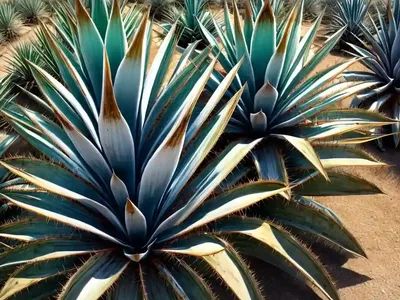
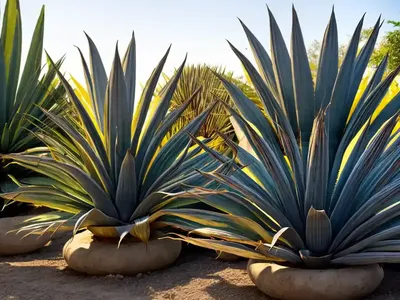
Appearance: The Mauritius Hemp plant is characterized by its large rosettes of rigid, sword-shaped, green leaves. These leaves can grow up to 10 feet long, giving the plant a commanding presence. The margins of the leaves are typically adorned with small teeth or spines, adding to its ornamental appeal.
-
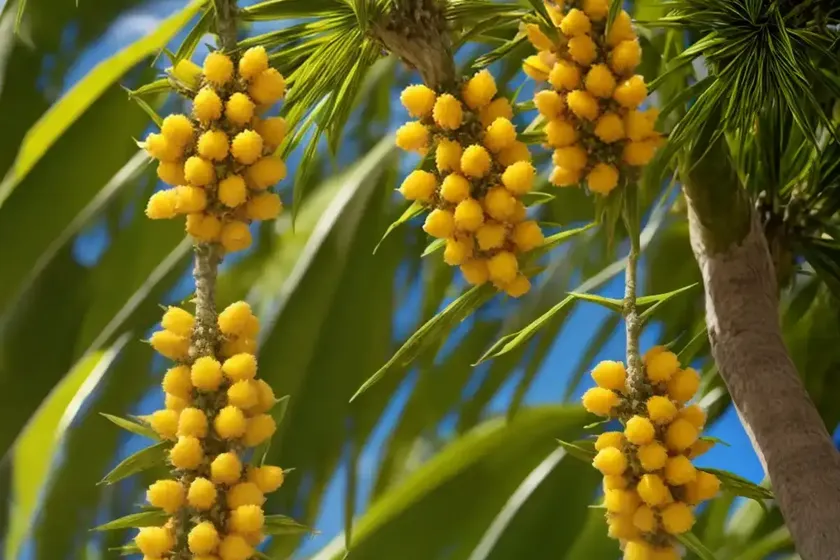
Flowering: In its mature stage, Mauritius Hemp produces a towering inflorescence, which can reach impressive heights of up to 26 feet. The flowers are bell-shaped, greenish-white, and are borne on a thick, sturdy stem. This inflorescence is a remarkable sight and adds to the overall visual appeal of the plant.
-
Adaptability: One of the most remarkable features of Furcraea foetida is its adaptability. It can thrive in a range of soil types and environmental conditions, making it a reliable choice for diverse landscaping and gardening projects.
-
Fiber Content: The leaves of the Mauritius Hemp plant contain strong and durable fibers, which have historically been used for various practical applications such as rope-making and textiles.
Cultivation of Furcraea foetida
Water
Mauritius Hemp is renowned for its drought tolerance and can survive extended periods with minimal water. While it appreciates occasional watering, it is crucial to allow the soil to dry out between waterings to prevent waterlogged conditions, which can lead to root rot. During its active growth phase, regular but moderate watering is recommended, ensuring that excess water can freely drain from the pot or soil.
Sunlight
This plant thrives in full sun to partial shade. In its natural habitat, Mauritius Hemp is often found in coastal regions where it receives plenty of sunlight. When cultivated as a landscape plant or in a garden setting, it should ideally be placed in a location that receives several hours of direct sunlight each day.
Fertilizer
Mauritius Hemp does not have high nutritional demands and can thrive in relatively nutrient-poor soils. Occasional fertilization with a balanced, water-soluble fertilizer during the growing season can help support its growth. However, it is important to avoid excessive fertilization, as this can lead to the accumulation of salts in the soil, which may harm the plant.
Soil
A well-draining soil mix is essential for the successful cultivation of Furcraea foetida. It is recommended to use a cactus or succulent potting mix, or a blend of regular potting soil with perlite or coarse sand to improve drainage. In landscaping settings, well-draining soil with good aeration is crucial to prevent waterlogging and root rot.
Mauritius Hemp Benefits and Uses
The Mauritius Hemp plant offers a wide range of benefits and practical applications, making it a valuable addition to gardens, landscapes, and even industrial settings.
-
Ornamental Plant: With its striking appearance and commanding presence, Mauritius Hemp is often used as a focal point in garden landscapes and as a statement plant in large containers.
-
Fiber Production: The strong and durable fibers obtained from the leaves of Furcraea foetida have historically been used for rope-making, textiles, and crafts. These fibers are highly prized for their strength and versatility.
-
Erosion Control: Due to its robust and extensive root system, Mauritius Hemp is utilized for erosion control on slopes, embankments, and coastal areas. Its ability to stabilize soil and prevent erosion makes it an invaluable asset in landscaping and environmental conservation projects.
-
Medicinal Properties: Traditional medicine systems have utilized various parts of the Mauritius Hemp plant for their purported medicinal properties. The leaves and sap of the plant have been employed in traditional remedies for a range of ailments.
-
Wildlife Attraction: The large inflorescence of Furcraea foetida attracts pollinators such as bees, butterflies, and birds, contributing to the biodiversity of its surrounding ecosystem.
-
Biofuel Feedstock: With the increasing focus on sustainable energy sources, the biofuel potential of Mauritius Hemp is being explored. The plant’s high biomass productivity and adaptability to diverse environments make it a promising candidate for biofuel production.
Growth Requirements
Furcraea foetida has specific growth requirements that are crucial for its successful cultivation. Understanding these requirements and providing appropriate care is essential for the plant’s health and vitality.
Pruning
Mauritius Hemp generally does not require extensive pruning. However, the removal of dead or damaged leaves can enhance the plant’s appearance and overall vigor. It is important to use sharp, clean tools to avoid causing unnecessary damage to the plant.
Propagation
Propagation of Mauritius Hemp can be achieved through several methods, including division of offsets, seed propagation, and leaf cuttings. The most common and reliable method is the division of offsets, which involves separating the young plantlets that form around the base of mature plants.
Container Popularity
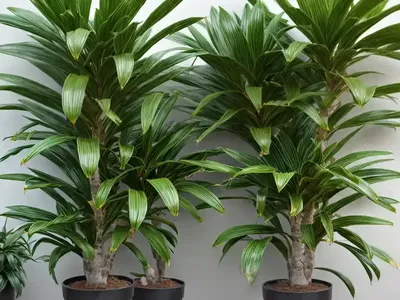
Due to its adaptability and striking appearance, Mauritius Hemp is a popular choice for container gardening. Its impressive size and architectural form make it a compelling option for large containers and planters, whether as a stand-alone specimen or as part of a larger display.
Common Diseases
While Mauritius Hemp is known for its resilience, it can be susceptible to certain diseases and pests, particularly under unfavorable growing conditions. Understanding the common diseases and their symptoms is crucial for effective management and prevention.
-
Leaf Spot: Fungal leaf spot diseases may affect the foliage of Furcraea foetida, causing brown or black spots on the leaves. Preventive measures such as proper sanitation and adequate air circulation can help mitigate these diseases.
-
Root Rot: Overwatering or poorly drained soil can lead to root rot, which manifests as wilting, yellowing, or mushy roots. Adjusting the watering frequency and improving soil drainage are essential for preventing this condition.
-
Pests: While not as prone to pest infestations as many other plants, Mauritius Hemp can occasionally be affected by common pests such as aphids, scale insects, and mealybugs. Regular monitoring and prompt intervention are key to managing these pests.
Disease Diagnosis
Diagnosing and effectively managing diseases in Mauritius Hemp requires careful observation and prompt intervention. Understanding the signs and symptoms of common diseases is critical for timely treatment and prevention of further spread.
Common Pests
Pests such as aphids, scale insects, and mealybugs are among the common pests that may affect Mauritius Hemp. While these infestations are often manageable, timely detection and targeted control measures are essential to prevent damage to the plant.
Botanist’s Tips and Fun Facts
Botanist’s Tips
-
Temperature Tolerance: Mauritius Hemp is tolerant of a wide range of temperatures, making it suitable for cultivation in varying climate zones. However, it may require protection from frost in colder regions.
-
Container Size: When cultivating Mauritius Hemp in containers, it is important to select a sizeable container with adequate drainage holes to accommodate its extensive root system.
-
Sap Irritation: The sap of Furcraea foetida can be irritating to the skin and eyes. Caution should be exercised when handling the plant, and protective gloves should be worn to prevent contact with the sap.
Fun Facts
-
Majestic Inflorescence: The towering inflorescence of Mauritius Hemp is a remarkable sight, often reaching heights that rival nearby trees.
-
Historical Uses: The durable fibers obtained from the leaves of Furcraea foetida have been used for centuries in the production of ropes, twines, and coarse textiles.
-
Cultural Significance: In various cultures, the Mauritius Hemp plant holds traditional and ceremonial significance, often associated with resilience and versatility.
-
Sustainable Plant: With its adaptability, low maintenance requirements, and diverse uses, Mauritius Hemp exemplifies sustainable and multifunctional plant-based resources.
External Resources
For further information on Mauritius Hemp (Furcraea foetida), its cultivation, uses, and environmental benefits, the following resources are invaluable:
- Plant Names Database
- United States Department of Agriculture – Plants Database
- World Checklist of Selected Plant Families
- International Union for Conservation of Nature Red List
- Botanical Society of America
In conclusion, Mauritius Hemp (Furcraea foetida) is a remarkable plant with an intriguing blend of ornamental, practical, and environmental attributes. Its adaptability, striking appearance, and diverse uses make it a significant member of the plant kingdom, deserving attention from botanical enthusiasts, conservationists, and agricultural practitioners alike. By understanding its unique characteristics and embracing its multifaceted potential, we can appreciate the valuable contributions of the Mauritius Hemp plant to our natural and cultivated landscapes.