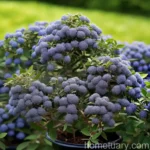
Marsh Mermaid-weed (Proserpinaca Palustris): A Comprehensive Guide
Plants play a crucial role in maintaining the ecological balance of our planet. They provide oxygen, food, and habitat for a diverse range of organisms. Additionally, they contribute to environmental stability by mitigating the effects of climate change. In this article, we will delve into the world of the Marsh Mermaid-weed (Proserpinaca Palustris), understanding its characteristics, growth requirements, care guide, and its role in aquatic ecosystems.
What is Marsh Mermaid-weed (Proserpinaca Palustris)?
Marsh Mermaid-weed, scientifically known as Proserpinaca Palustris, is a delicate, aquatic plant that thrives in wetland environments. It belongs to the family Haloragaceae and is native to North America. This plant is characterized by its submerged or emergent growth habit, making it an ideal choice for aquariums, ponds, and natural wetlands.
Key Takeaways
Let’s start by highlighting some key takeaways about Marsh Mermaid-weed:
Marsh Mermaid-weed Benefits
– Natural filtration plant
– Suitable for aquascaping
– Integral part of wetland restoration
Proserpinaca Palustris Growth Requirements
– Prefers nutrient-rich water
– Flourishes in moderate sunlight
– Thrives in slightly acidic to neutral pH levels
How to Grow Marsh Mermaid-weed
– Choose appropriate water depth
– Regularly prune and maintain water quality
– Propagation through stem cuttings
Marsh Mermaid-weed in Aquariums
– Provides oxygenation
– Enhances visual appeal
– Allows for natural substrate growth
Proserpinaca Palustris for Ponds
– Promotes water clarity
– Creates a natural habitat for aquatic life
– Contributes to nutrient cycling
Culture
Understanding the cultural requirements of Marsh Mermaid-weed is essential for successfully incorporating it into aquatic environments.
Uses
The uses of Marsh Mermaid-weed are varied and valuable, whether as a decorative addition in aquariums, a natural filtration system in ponds, or a contributor to wetland restoration.
Water
Water Quality
Marsh Mermaid-weed thrives in nutrient-rich water, making it a beneficial addition to ponds and aquariums. It aids in nutrient cycling, helps maintain good water quality, and promotes the overall health of aquatic ecosystems.
Water Depth
When growing Marsh Mermaid-weed, it’s important to ensure the water depth is suitable for its submerged or emergent growth habit. In aquariums, ensure that the plant receives adequate water circulation to support its growth.
Sunlight
Light Requirements
Marsh Mermaid-weed flourishes in moderate sunlight. When cultivating this plant, provide it with filtered or indirect light to promote healthy growth and prevent potential damage from excessive sunlight exposure.
Fertilizer
As a nutrient-loving plant, Marsh Mermaid-weed benefits from a balanced fertilizer regimen. However, in natural ecosystems such as ponds, it often obtains the necessary nutrients from the surrounding environment. In aquariums, using a specialized aquatic plant fertilizer can support its growth and vitality.
Soil
In its natural habitat, Marsh Mermaid-weed is often found in shallow water with a substrate of rich, organic muck. When cultivated in aquariums, a nutrient-rich substrate can benefit its growth. Ensuring a stable substrate that provides appropriate anchorage for the plant is essential for its successful cultivation.
Pruning
Regular pruning is essential for maintaining the health and visual appeal of Marsh Mermaid-weed. When cultivating this plant, consider the following pruning tips:
- Remove any decaying or damaged foliage to maintain water quality.
- Trim overgrown stems to promote a compact and lush growth habit.
- Prune the plant periodically to prevent overcrowding and ensure adequate water circulation.
Propagation
Marsh Mermaid-weed can be propagated through stem cuttings, making it a viable option for expanding its presence in aquatic environments.
Propagation Tips
– Select healthy stems for propagation.
– Place the cuttings in a suitable environment with appropriate water and light conditions for successful root development.
Container Popularity
Given its adaptability to water environments, Marsh Mermaid-weed is popularly cultivated in containers, especially in home aquariums and aquatic gardening setups.
Container
When cultivating Marsh Mermaid-weed in containers, consider the following factors to ensure its optimal growth:
- Choose an appropriately sized container to accommodate the plant’s growth habit.
- Use a nutrient-rich substrate to provide essential nutrients and support root development.
- Maintain consistent water parameters to create a stable environment for the plant.
Common Diseases
Understanding the common diseases that can affect Marsh Mermaid-weed is crucial for maintaining its health and vitality.
Disease Diagnosis
Algae Overgrowth
In aquatic environments, Marsh Mermaid-weed can sometimes be susceptible to algae overgrowth. Monitoring and controlling the nutrient levels and light exposure can help prevent and address this issue.
Fungal Infections
Fungal infections can occur in Marsh Mermaid-weed, particularly in stagnant water conditions. Maintaining good water circulation and a clean growing environment can help prevent fungal issues.
Common Pests
While Marsh Mermaid-weed is relatively resistant to pests, it may occasionally encounter certain pests in aquatic environments.
Snails
In aquariums and ponds, snails can sometimes feed on Marsh Mermaid-weed, causing damage to the foliage. Implementing natural or manual pest control methods can help manage snail populations.
Insect Larvae
Certain aquatic insect larvae may feed on the submerged parts of the plant. Monitoring the plant for any signs of insect infestation and implementing appropriate control measures can help protect the plant from damage.
Botanist’s Tips
As a plant scientist with a passion for aquatic flora, here are some additional tips for cultivating and caring for Marsh Mermaid-weed:
- Monitor water parameters regularly to ensure optimal conditions for the plant’s growth.
- Provide adequate space for the plant to spread and grow, allowing for its natural habit to flourish.
- Incorporate Marsh Mermaid-weed as part of a diverse aquatic ecosystem to promote biodiversity and ecological balance.
Fun Facts
Understanding the unique characteristics and ecological significance of Marsh Mermaid-weed can further enhance our appreciation for this fascinating plant:
- It is named “Mermaid-weed” due to its underwater growth habit and graceful appearance in aquatic environments.
- Marsh Mermaid-weed plays a vital role in nutrient cycling and water purification in natural wetlands.
Links to External Resources
For more in-depth information about Marsh Mermaid-weed, its cultivation, and its role in aquatic ecosystems, consider exploring the following resources:
In conclusion, Marsh Mermaid-weed (Proserpinaca Palustris) stands as a testament to the diverse and captivating world of aquatic flora. Its unique growth habits, cultural requirements, and ecological benefits make it a valuable addition to aquariums, ponds, and natural wetlands. By understanding and appreciating the intricacies of this plant, we can foster a deeper connection to the wondrous world of aquatic ecosystems and the vital role of plants within them.