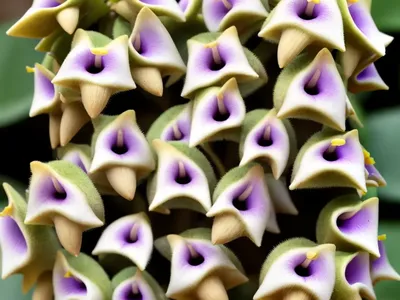
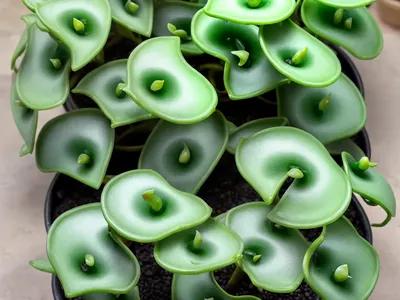
Maroon Carolina Milkvine (Matelea Carolinensis)
Plants, with their diverse forms, colors, and characteristics, are not only essential to the survival of all living organisms, but they also add beauty and.
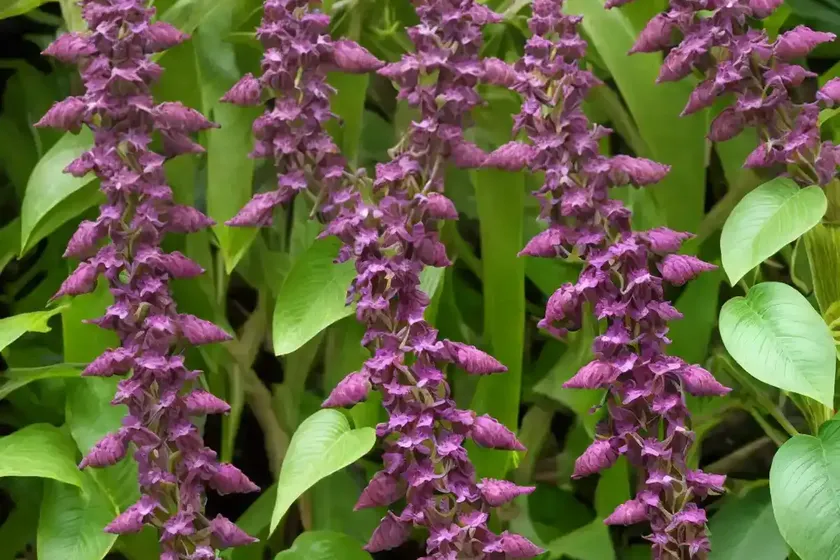
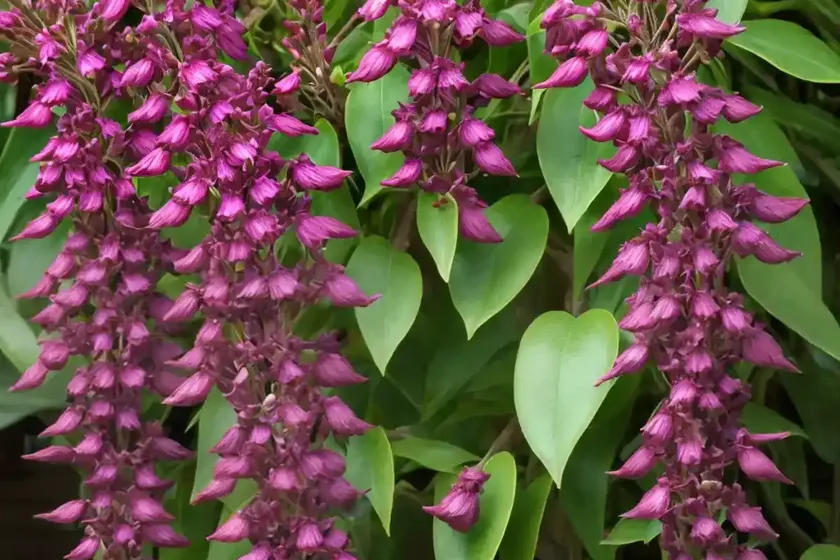
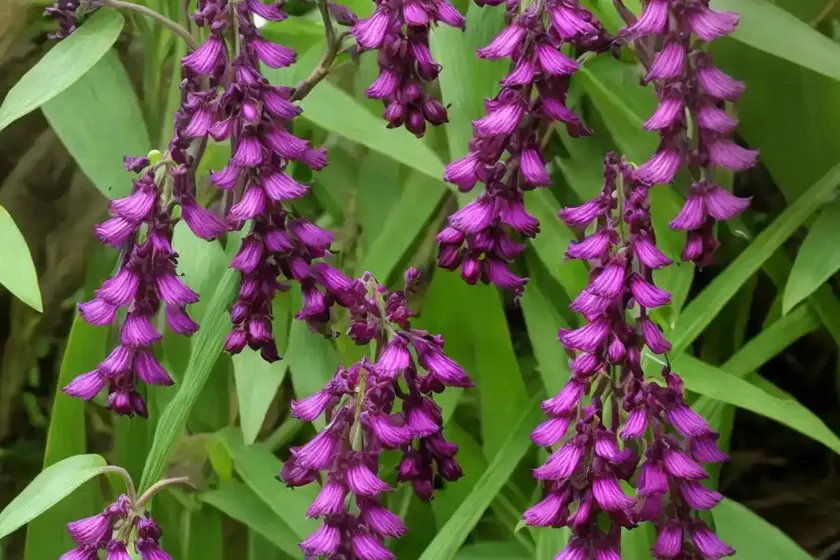
Plants, with their diverse forms, colors, and characteristics, are not only essential to the survival of all living organisms, but they also add beauty and tranquility to our surroundings. Among the myriad of plant species, the Maroon Carolina Milkvine (Matelea Carolinensis) stands out with its unique characteristics, uses, and benefits. In this comprehensive guide, we will delve into the various aspects related to this intriguing plant, ranging from its cultivation and care to its ecological importance and conservation efforts.
What is Maroon Carolina Milkvine (Matelea Carolinensis)?
The Maroon Carolina Milkvine (Matelea Carolinensis) is a native North American perennial vine belonging to the Asclepiadaceae family. With its striking maroon flowers and intriguingly shaped leaves, this vine species adds an enchanting quality to the landscapes where it thrives. The plant is also commonly known as Carolina Milkvine, Maroon Milkvine, or simply Milkvine.
Carolina Milkvine Characteristics
-
Botanical Features: The Maroon Carolina Milkvine exhibits thin, twining vine-like stems that can reach lengths of up to 10 feet. The leaves are typically heart-shaped or ovate, and the flowers are characterized by their maroon or reddish-brown color.
-
Ecological Importance: As a native plant species, the Carolina Milkvine plays a significant role in supporting local ecosystems by providing food and shelter for various wildlife species, including insects and birds.
-
Cultural Significance: In addition to its ecological importance, the Maroon Carolina Milkvine holds cultural and symbolic significance, featuring in traditional folklore and being utilized for its natural dyeing properties.
Carolina Milkvine Habitat
The native habitat of the Maroon Carolina Milkvine encompasses the southeastern United States, where it thrives in well-drained, sandy or loamy soils within the understory of open woodlands, along woodland edges, and in disturbed areas.
Key Takeaways – Maroon Carolina Milkvine (Matelea Carolinensis)
Before delving into the details of cultivation, care, and uses of the Maroon Carolina Milkvine, let’s unravel the key takeaways that will guide us through the comprehensive exploration of this fascinating plant.
-
Carolina Milkvine Plant Family: The Maroon Carolina Milkvine belongs to the Asclepiadaceae family, known for its diverse range of climbing and non-climbing plants, many of which possess unique structural adaptations.
-
Propagation and Cultivation: Understanding the methods and requirements for propagating and cultivating the Maroon Carolina Milkvine is essential for maintaining and promoting the growth of this species.
-
Uses in Landscaping: The Carolina Milkvine offers unique design possibilities in landscaping due to its twining vine structure and distinctive maroon-colored flowers.
-
Conservation Efforts: Given the ecological importance of native plant species like the Maroon Carolina Milkvine, conservation efforts play a vital role in preserving biodiversity and sustaining natural habitats.
Culture
Water
Sunlight
Fertilizer
Soil
Uses
Landscaping
The Maroon Carolina Milkvine offers unique design possibilities in landscaping, especially in naturalistic or wildflower gardens. Its twining vine structure and striking maroon flowers can be utilized to add texture, color, and vertical interest to outdoor spaces.
Natural Dye
The Maroon Carolina Milkvine has been historically used for its natural dyeing properties. The deep maroon color of its flowers can be extracted to create natural dyes for textiles, providing an eco-friendly alternative to synthetic dyes.
Wildlife Habitat
In its natural habitat, the Carolina Milkvine provides food and habitat for various wildlife species, such as the larvae of butterfly and moth species. By cultivating this plant, gardeners can contribute to supporting local ecosystems and promoting biodiversity.
Water
When it comes to cultivating the Maroon Carolina Milkvine, proper watering practices play a crucial role in ensuring its health and growth. Understanding the water requirements and best practices for maintaining soil moisture can greatly contribute to the successful cultivation of this unique vine species.
Watering Needs
The Maroon Carolina Milkvine typically thrives in well-drained soils, and while it is relatively drought-tolerant once established, regular watering is essential for promoting healthy growth and flowering. During the active growing season, providing moderate and consistent moisture is beneficial, especially during periods of prolonged drought.
Soil Moisture
Maintaining moderate soil moisture is key to supporting the growth and vigor of the Maroon Carolina Milkvine. However, it is important to avoid waterlogged conditions, as excessive moisture can lead to root rot and other water-related issues. Mulching the soil around the base of the plant can help in retaining soil moisture and regulating soil temperature.
Watering Practices
-
Establishment Phase: During the initial establishment phase, it is crucial to provide regular watering to ensure that the roots become well-established in the soil.
-
Seasonal Adjustments: Adapting the watering frequency based on seasonal changes, such as reducing water during cooler months and increasing it during periods of active growth, can help in maintaining optimal soil moisture levels.
Irrigation Methods
To effectively water the Maroon Carolina Milkvine, consider utilizing drip irrigation or soaker hoses to deliver water directly to the root zone, thereby minimizing water wastage and promoting efficient water uptake by the plant.
Sunlight
As with many plants, sunlight is a critical factor influencing the growth, flowering, and overall health of the Maroon Carolina Milkvine. Understanding the specific sunlight requirements of this vine species is essential for providing an optimal growing environment and promoting its ornamental and ecological value in the landscape.
Sunlight Requirements
The Maroon Carolina Milkvine thrives in full to partial sunlight, requiring a minimum of 6 hours of direct sunlight per day for healthy growth and prolific flowering. While it can tolerate some shade, insufficient sunlight may result in reduced flowering and overall vigor.
Morning vs. Afternoon Sun
Consider the orientation of the planting site to optimize sunlight exposure. The Maroon Carolina Milkvine benefits from receiving morning sunlight, which helps in drying the foliage and reducing the risk of fungal diseases. Additionally, providing some protection from intense afternoon sun can be beneficial in hotter climates.
Sun Exposure Adjustment
In regions with hot summers, providing some afternoon shade or using light-filtering shade cloth can help in protecting the plant from excessive heat stress while still allowing it to receive the required amount of sunlight for photosynthesis.
Indoor Cultivation
For indoor cultivation, ensure that the Maroon Carolina Milkvine is placed in a location where it can receive bright, indirect sunlight for a significant portion of the day. South or west-facing windows are often suitable for providing adequate sunlight indoors.
Fertilizer
Proper fertilization is a fundamental aspect of plant care, and the Maroon Carolina Milkvine is no exception. Using the right fertilization methods and schedules can significantly contribute to promoting healthy growth, lush foliage, and abundant flowering in this unique vine species.
Fertilization Timing
Applying fertilizer during the active growing season, typically in spring and early summer, can provide the Maroon Carolina Milkvine with the necessary nutrients to support its growth and blooming. Avoid fertilizing during the dormant or winter months when the plant’s metabolic activity is reduced.
Fertilizer Selection
Utilizing a balanced, slow-release fertilizer with a formulation such as 10-10-10 can provide the Maroon Carolina Milkvine with a steady supply of essential macronutrients, including nitrogen (N), phosphorus (P), and potassium (K), as well as micronutrients.
Application Method
When applying fertilizer, evenly distribute it around the base of the Maroon Carolina Milkvine, ensuring that it is incorporated into the soil surface. It is important to avoid direct contact of the fertilizer with the plant’s stems and foliage, as this can lead to fertilizer burn.
Organic Fertilizers
Using organic fertilizers, such as compost, well-decomposed manure, or organic-based commercial fertilizers, can provide a natural and slow-release source of nutrients for the Maroon Carolina Milkvine while also improving soil structure and microbial activity.
Consideration for Container Cultivation
For Maroon Carolina Milkvines cultivated in containers, regular fertilization is particularly important, as the limited soil volume may result in faster nutrient depletion. Employ a liquid fertilizer diluted to half-strength every 4-6 weeks during the growing season for container-grown plants.
Soil
Understanding the soil preferences and requirements of the Maroon Carolina Milkvine is essential for creating an optimal growing environment that supports its health, vigor, and blooming. By choosing the right soil type and providing suitable amendments, gardeners can significantly contribute to the successful cultivation of this unique vine species.
Soil Composition
The Maroon Carolina Milkvine thrives in well-drained, slightly acidic to neutral soils with a pH range of 6.0 to 7.0. To improve soil structure and drainage, consider incorporating organic matter, such as compost or well-rotted leaf mold, into the planting area.
Soil Texture
A loamy soil texture, characterized by a balanced mix of sand, silt, and clay particles, is ideal for the Maroon Carolina Milkvine. This type of soil provides good drainage while retaining adequate moisture and nutrients for the plant’s growth.
Amendment for Heavy Soils
In areas with heavy clay soils that may impede drainage, adding coarse sand and organic matter can help in improving soil aeration and reducing the risk of waterlogging, creating a more favorable growing environment for the Carolina Milkvine.
Container Soil Mix
For container cultivation, utilize a well-draining potting mix formulated for flowering vines or ornamental plants. A mix containing components such as peat moss, perlite, and compost can provide an ideal balance of aeration, moisture retention, and nutrient availability for the Maroon Carolina Milkvine.
Soil pH Adjustment
If the native soil pH is outside the recommended range for the Maroon Carolina Milkvine, consider adjusting it using appropriate soil amendments. Incorporating agricultural lime to raise pH or elemental sulfur to lower pH can help in creating an optimal growing environment for this plant species.
Pruning
Pruning the Maroon Carolina Milkvine is an essential aspect of its maintenance, allowing for the control of growth, shaping, and promotion of flowering. By employing appropriate pruning techniques, gardeners can ensure the plant’s health, vigor, and ornamental value within the landscape.
Timing of Pruning
Perform pruning tasks during the late winter or early spring, before the onset of active growth, to remove any dead, damaged, or overgrown portions of the Maroon Carolina Milkvine. Minor pruning may also be done throughout the growing season to maintain the desired shape and size.
Deadheading
Regularly remove spent flowers by deadheading to encourage continued blooming and prevent the formation of seed pods. This practice helps in directing the plant’s energy towards producing new flowers, thereby prolonging the flowering period of the Carolina Milkvine.
Thinning
Thinning out crowded or tangled growth can help in improving air circulation, reducing the risk of disease, and promoting overall plant health. Focus on removing excess stems to maintain an open and well-ventilated canopy.
Shape Maintenance
By selectively pruning the Maroon Carolina Milkvine, gardeners can control its growth and shape, training it to climb on trellises, obelisks, or other supporting structures. Regularly guide the vine’s growth using gentle tying and positioning to achieve the desired form in the landscape.
Cautionary Pruning
Exercise caution when pruning the Maroon Carolina Milkvine, as it contains milky sap that may cause skin irritation or allergic reactions in some individuals. Wear appropriate protective gloves and clothing when performing pruning and handling tasks.
Propagation
Understanding the methods and best practices for propagating the Maroon Carolina Milkvine is essential for maintaining and promoting the growth of this unique vine species. By employing appropriate propagation techniques, gardeners can expand their plant collection and contribute to the conservation of native plant species.
Seed Propagation
Collect ripe seed pods from the Maroon Carolina Milkvine and extract the seeds for propagation. Sow the seeds in well-drained seed starting mix in early spring, maintaining consistent moisture and providing indirect light for germination. Transplant the seedlings into individual pots once they develop a few sets of true leaves.
Stem Cuttings
Take 4- to 6-inch stem cuttings from healthy, actively growing shoots of the Maroon Carolina Milkvine during the growing season. Remove the lower leaves and insert the cuttings into a well-draining rooting medium. Maintain high humidity and provide gentle bottom heat for successful root development.
Layering
Encourage natural layering by gently bending a flexible stem of the Maroon Carolina Milkvine to the ground and securing it in place with a small mound of soil. Over time, roots will develop at the point of contact with the soil, allowing the stem to be separated and transplanted as a new individual plant.
Division
For established Maroon Carolina Milkvine plants, division can be employed to propagate new plants. Carefully dig up the plant, ensuring to preserve as much of the root system as possible, and then divide it into sections with healthy shoots and roots. Replant the divisions in suitable locations for continued growth.
Time for Propagation
Engage in propagation activities during the active growing season when the Maroon Carolina Milkvine demonstrates vigorous growth and active metabolic activity. Providing appropriate growing conditions and regular monitoring is essential for successful propagation outcomes.
Container Cultivation
The Maroon Carolina Milkvine can be successfully cultivated in containers, providing an opportunity to showcase its unique ornamental and ecological qualities in various outdoor and indoor settings. By following specific guidelines for container cultivation, gardeners can create stunning displays and contribute to the conservation of native plant species.
Container Selection
Choose a sturdy, well-draining container with ample drainage holes to prevent waterlogging and root rot. Consider the ultimate size of the Maroon Carolina Milkvine and select a container that allows for adequate root development and stability as the plant grows.
Potting Mix
Utilize a high-quality, well-draining potting mix specifically formulated for flowering vines or ornamental plants. A mix that contains components such as peat moss, perlite, and compost can provide an optimal balance of aeration, moisture retention, and nutrient availability for the Carolina Milkvine.
Watering Considerations
Monitor the moisture levels of the container-grown Maroon Carolina Milkvine carefully, ensuring that the soil does not remain overly dry or waterlogged. Adjust the watering frequency based on environmental conditions, such as temperature and humidity, to maintain optimal soil moisture levels.
Sunlight Exposure
Position the container in a location that receives a minimum of 6 hours of direct sunlight per day, ensuring that the Maroon Carolina Milkvine has access to the required light for healthy growth and flowering. In hot climates, providing some protection from intense afternoon sun may be beneficial.
Support Structures
Due to its twining growth habit, the Maroon Carolina Milkvine benefits from the presence of support structures within the container, such as trellises, stakes, or bamboo poles. Regularly guide the vine’s growth and secure it to the supporting structures to maintain an upright and well-distributed canopy.
Overwintering
In regions with frost or freezing temperatures, provide protection for the container-grown Maroon Carolina Milkvine during the winter months. Consider moving the container to a sheltered location or insulating it with suitable materials to prevent cold damage to the plant.
Popularity
The Maroon Carolina Milkvine, with its unique maroon flowers and twining vine structure, has gathered attention among gardeners, landscapers, and conservationists alike. Its ornamental and ecological significance has contributed to its popularity as a desirable addition to landscapes and native plant gardens.
Ornamental Value
The striking maroon flowers of the Carolina Milkvine, in addition to its twining growth habit, contribute to its ornamental appeal in garden landscapes. The unique coloration and shape of the flowers make it a standout feature in naturalistic and native plant gardens.
Ecological Importance
Due to its native status and role in supporting local ecosystems, the Maroon Carolina Milkvine has gained popularity among conservationists and wildlife enthusiasts. By cultivating this plant, individuals contribute to maintaining biodiversity and preserving native plant species.
Native Plant Gardens
Incorporating the Maroon Carolina Milkvine into native plant gardens and naturalistic landscapes has become a popular trend, driven by the emphasis on promoting sustainable and ecologically beneficial plantings. Its adaptability and ecological contributions make it a valuable addition to such settings.
Education and Awareness
As the awareness of native plant species and their importance in sustaining local ecosystems continues to grow, the Maroon Carolina Milkvine has emerged as a species of interest in educational and outreach programs focused on ecological conservation and habitat restoration.
Common Diseases
While the Maroon Carolina Milkvine is generally resistant to many common plant diseases, it may be susceptible to certain issues under unfavorable growing conditions or environmental stress. Understanding the symptoms, causes, and management of common diseases is essential for safeguarding the health and vitality of this vine species.
Fungal Diseases
-
Powdery Mildew: Fuzzy white patches on the leaves and stems, often accompanied by distorted growth.
-
Leaf Spot: Circular or irregular spots on the leaves, which may develop concentric rings and cause leaf yellowing and premature dropping.
Bacterial Diseases
- Bacterial Blight: Water-soaked lesions on the leaves, which may turn brown or black, leading to extensive tissue damage.
Disease Management
-
Cultural Practices: Implementing proper cultural practices, such as maintaining good air circulation, avoiding overwatering, and practicing proper sanitation, can help in preventing the onset and spread of diseases.
-
Fungicidal Treatment: When necessary, applying fungicidal treatments according to label instructions can help in managing fungal diseases. Consider using organic or botanical-based fungicides for eco-friendly options.
Disease Diagnosis
Diagnosing potential diseases affecting the Maroon Carolina Milkvine involves observing the plant’s symptoms, identifying causal agents, and implementing appropriate management strategies. By carefully assessing the signs of disease and understanding their underlying causes, gardeners can effectively address issues and safeguard the plant’s health.
Symptom Observation
Carefully examine the foliage, stems, and flowers of the Maroon Carolina Milkvine for any signs of abnormality, such as discoloration, spots, lesions, or distorted growth. Note the location and severity of the symptoms to aid in accurate diagnosis.
Causal Agents
Identify the potential pathogens or environmental factors that may be contributing to the observed symptoms. Consider factors such as moisture levels, air circulation, and recent weather conditions that may favor the development of diseases.
Laboratory Analysis
When necessary, collect samples of affected plant material, such as leaves or stems, and send them to a diagnostic laboratory for analysis. A professional diagnosis can help