Marnier’s Kalanchoe (Kalanchoe Marnieriana)
Marnier’s Kalanchoe, also known as Kalanchoe marnieriana, is a popular succulent plant valued for its attractive, trailing foliage and low maintenance.
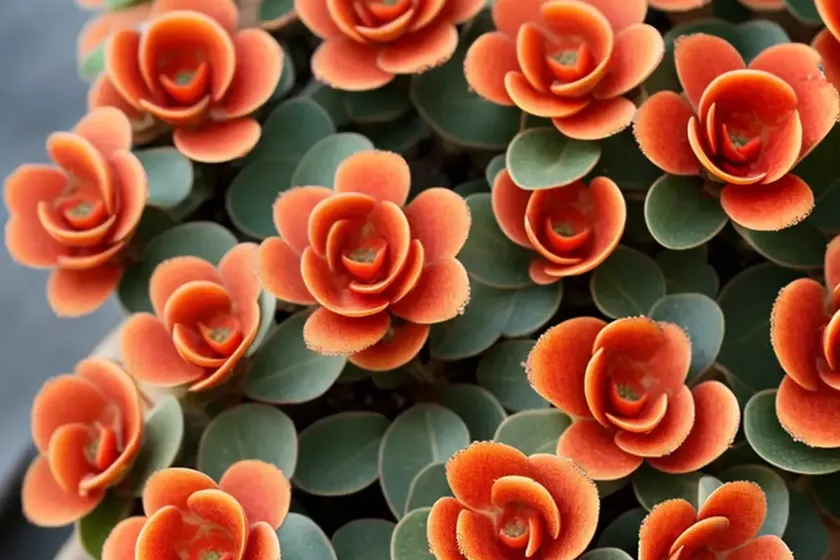
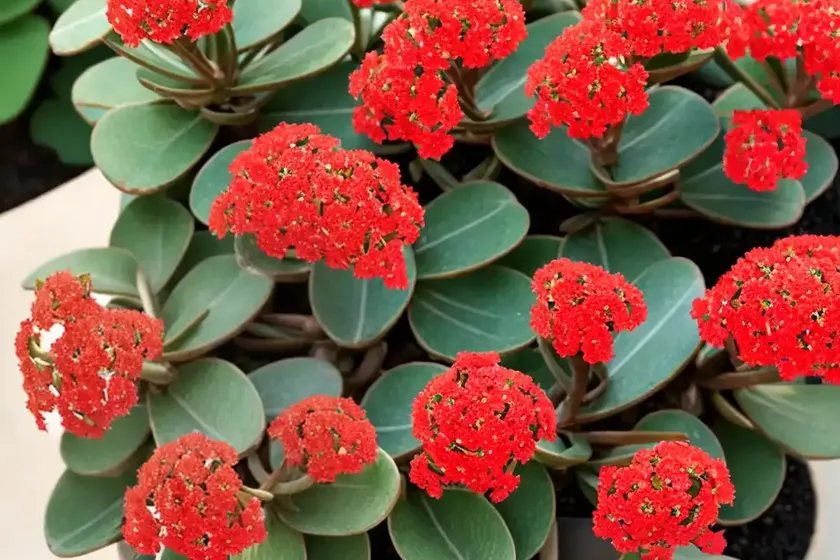
Marnier’s Kalanchoe, also known as Kalanchoe marnieriana, is a popular succulent plant valued for its attractive, trailing foliage and low maintenance requirements. This article serves as a comprehensive guide for plant enthusiasts, incorporating essential information on the culture, uses, care, and propagation of Marnier’s Kalanchoe.
What is Marnier’s Kalanchoe (Kalanchoe marnieriana)?
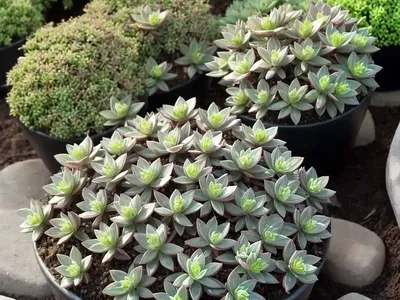
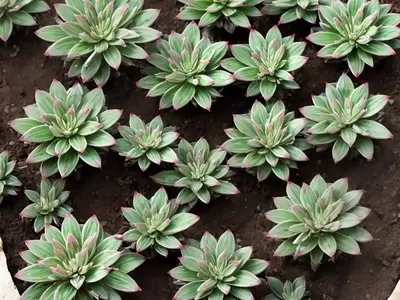
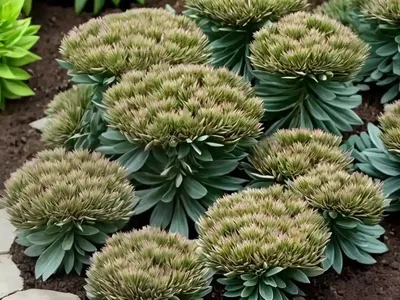
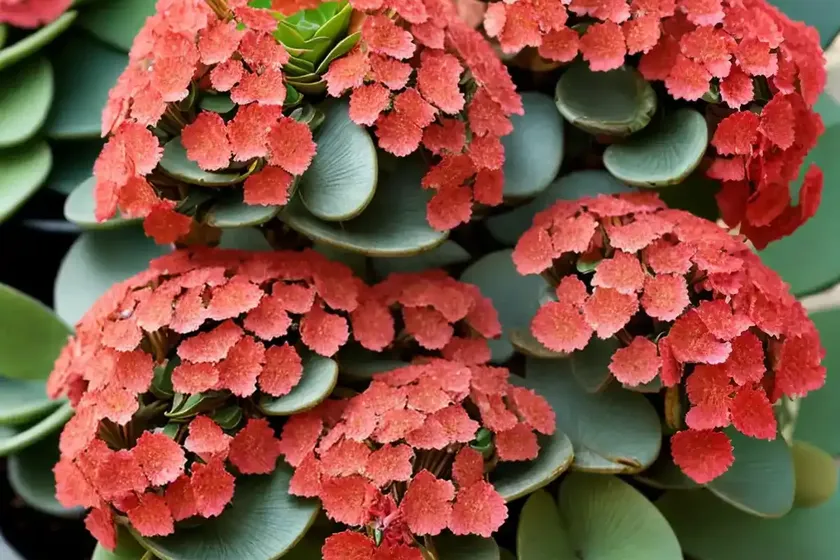
Marnier’s Kalanchoe is a species of flowering plant in the family Crassulaceae, native to Madagascar. It is renowned for its distinctive, elongated, gray-green leaves that develop attractive reddish-brown markings along the margins when exposed to sufficient sunlight. The plant produces star-shaped, white to light pink flowers, adding to its overall allure.
Key Takeaways:
- Scientific Name: Kalanchoe marnieriana
- Common Names: Marnier’s Kalanchoe, Marnier’s Bryophyllum
- Plant Type: Perennial succulent
- Native Region: Madagascar
- Growth Habit: Trailing, cascading
- Leaf Characteristics: Long, narrow, gray-green, with reddish-brown margins under high light conditions
- Flower Characteristics: Small, star-shaped, white to light pink
- Special Features: Low maintenance, ideal for hanging baskets and containers
Marnier’s Kalanchoe is a versatile plant that thrives both indoors and outdoors, making it a popular choice for various gardening and landscaping applications. The following sections will delve into the specific cultural requirements, care tips, and propagation techniques for this captivating succulent.
Culture
Marnier’s Kalanchoe is relatively undemanding in terms of care, making it an excellent choice for both novice and experienced gardeners. Understanding its specific cultural needs is crucial for ensuring its optimal growth and health.
Uses
The unique appearance and low maintenance nature of Marnier’s Kalanchoe position it as a favored choice for a range of uses, including:
- Indoor Décor: Its trailing growth habit and eye-catching foliage make it an excellent choice for hanging planters and indoor gardens.
- Container Gardening: The plant’s adaptability to containers and low water requirements make it a popular option for succulent arrangements and mixed planters.
- Landscaping: Marnier’s Kalanchoe can be used to create striking ground cover or as a cascading element in rock gardens and xeriscapes.
- Air Purification: Like many succulents, Marnier’s Kalanchoe has air-purifying properties, helping to improve indoor air quality.
Understanding the multiple uses of Marnier’s Kalanchoe underscores its versatility and appeal in various horticultural settings.
Water
Proper watering is essential for the health and vigor of Marnier’s Kalanchoe. As a succulent, it is adapted to arid environments and is therefore sensitive to overwatering.
- Optimal Watering Frequency: Allow the soil to dry out completely between waterings. Water thoroughly and then let excess water drain away to prevent waterlogged conditions.
- Seasonal Adjustments: During the growing season (spring and summer), increase the frequency of watering. In contrast, reduce watering during the plant’s dormancy period in winter.
- Avoid Overwatering: Overly moist soil can lead to root rot and other water-related issues. It’s essential to exercise restraint when watering Marnier’s Kalanchoe.
Sunlight
Adequate sunlight is crucial for promoting the best attributes of Marnier’s Kalanchoe, including vibrant leaf coloration and compact growth. Understanding its sunlight requirements ensures the plant’s optimal performance.
- Light Requirements: Marnier’s Kalanchoe thrives in bright, indirect light. It can also tolerate a few hours of direct sunlight, particularly morning sun, in regions with milder climates.
- Leaf Coloration: To encourage the development of attractive reddish-brown markings on the leaf margins, provide the plant with ample sunlight.
- Indoor Placement: When grown indoors, place Marnier’s Kalanchoe near south or west-facing windows to ensure it receives adequate light.
Fertilizer
While Marnier’s Kalanchoe is relatively low-maintenance, occasional fertilization can support its growth and overall health.
- Fertilizer Type: Use a balanced liquid fertilizer formulated for succulents and cacti. Dilute to half or quarter strength to avoid overfeeding the plant.
- Frequency: Apply fertilizer during the active growing season (spring and summer) approximately once a month. Withhold fertilization during the plant’s dormancy in fall and winter.
Soil
The choice of soil or growing medium plays a vital role in ensuring the well-being of Marnier’s Kalanchoe. It is crucial to select a well-draining substrate to prevent waterlogging, which can lead to root rot.
- Recommended Soil Type: Use a well-draining cactus or succulent potting mix. Alternatively, create a mix by combining regular potting soil with perlite or coarse sand to improve drainage.
- Aeration: The soil should be loose and aerated to allow the roots to breathe and to facilitate water drainage.
Pruning
Pruning is an essential aspect of Marnier’s Kalanchoe care, influencing its growth habit and overall appearance. Proper pruning can help maintain its desired shape and size while promoting bushier growth.
- Deadheading: Regularly remove spent flowers and any dead or diseased foliage to maintain the plant’s tidy appearance and encourage continued blooming.
- Pinching: Pinch back the growing tips to encourage lateral branching, resulting in a fuller and more compact growth habit.
Propagation
Marnier’s Kalanchoe can be propagated through several methods, allowing plant enthusiasts to multiply their collection or share this charming succulent with others.
Leaf Cuttings
Leaf cuttings provide a simple and reliable method for propagating Marnier’s Kalanchoe.
- Select Healthy Leaves: Choose healthy, mature leaves from the parent plant, ensuring they are free from damage or signs of disease.
- Prepare Cuttings: Using a clean, sharp blade, carefully cut a leaf from the plant, ensuring it has a small section of the petiole attached (the part of the leaf that connects to the stem).
- Callus Formation: Allow the cuttings to air dry for a day or two to form calluses, which helps prevent rot when the cuttings are planted.
- Planting: After callus formation, place the leaf cuttings on a tray or in a shallow container filled with a well-draining potting mix, ensuring they are in contact with the soil.
- Root Development: Keep the soil lightly moist and provide bright, indirect light. Over time, new plantlets will emerge from the base of the leaf cuttings.
Stem Cuttings
Stem cuttings can also be used to propagate Marnier’s Kalanchoe, offering an efficient method for generating new plants.
- Select and Prepare Cuttings: Choose healthy, non-flowering stems and cut them into sections around 3-4 inches in length, ensuring each cutting has several nodes where leaves emerge.
- Callus Formation: Allow the cut ends to dry and form calluses for a day or two to prevent rot after planting.
- Planting: Insert the cuttings into a well-draining potting mix, burying at least one node under the soil. Water lightly and provide bright, indirect light.
- Rooting: Over the following weeks, the cuttings will develop roots and new growth, signifying successful propagation.
Division
For mature Marnier’s Kalanchoe plants, division offers a means of creating multiple plants from a single specimen.
- Lift the Plant: Carefully remove the plant from its pot or garden bed, ensuring the root system remains intact.
- Separate the Offshoots: Gently detach the individual offshoots or offsets from the main plant, keeping the roots attached.
- Planting: Replant the divisions in suitable containers or garden locations, ensuring their roots are adequately covered with soil. Water lightly and provide appropriate light conditions.
Container Popularity
Marnier’s Kalanchoe is well-suited for container cultivation, making it a popular choice for various indoor and outdoor settings.
Indoor Containers
When grown as an indoor plant, Marnier’s Kalanchoe benefits from being placed in suitable containers that provide the necessary space for root development and allow for efficient water drainage.
- Container Type: Choose well-draining pots or planters of appropriate size, ensuring they have drainage holes at the bottom to prevent waterlogging.
- Decorative Planters: Consider placing Marnier’s Kalanchoe in decorative hanging baskets or containers, allowing its trailing growth habit to be prominently displayed.
Outdoor Containers
When growing Marnier’s Kalanchoe in outdoor containers, it is essential to consider the environmental conditions of the specific location, ensuring the plant is provided with adequate sunlight and protection from extreme weather.
- Seasonal Considerations: In regions with cold winters, ensure the containers are frost-proof or move the plants indoors during periods of inclement weather.
- Protect from Rain: Position outdoor containers in locations sheltered from heavy rain, as Marnier’s Kalanchoe is sensitive to excess moisture.
Common Diseases
While Marnier’s Kalanchoe is generally resistant to pests and diseases, it may still be susceptible to certain issues that can impact its health and appearance.
Disease Diagnosis
Understanding common plant diseases and their symptoms is essential for promptly addressing any issues that may arise with Marnier’s Kalanchoe.
- Root Rot: Overwatering can lead to root rot, characterized by mushy, discolored roots and a wilting or stunted plant.
- Powdery Mildew: This fungal disease may appear as a powdery, white substance on the leaves, compromising the plant’s overall health.
- Leaf Spot: Irregular, discolored spots on the leaves may indicate the presence of a fungal or bacterial infection, potentially affecting the plant’s vigor.
Common Pests
Marnier’s Kalanchoe is relatively resistant to pest infestations, but certain pests may occasionally pose a threat to its well-being.
- Mealybugs: These small, white, cottony pests may cluster on the stems and leaf undersides, sapping the plant’s juices and potentially causing damage.
- Aphids: Aphids can distort new growth and may secret honeydew, leading to the development of sooty mold that affects the plant’s appearance.
- Spider Mites: Infestations by spider mites may cause stippling, webbing, and overall decline in the plant’s health.
Botanist’s Tips
As a plant scientist, I emphasize the following tips for successfully growing and caring for Marnier’s Kalanchoe:
- Moderation in Watering: Avoid overwatering, as this can be detrimental to the plant’s health. Allow the soil to dry out between waterings to prevent water-related issues.
- Appropriate Light: Provide the plant with suitable light conditions, balancing the need for bright, indirect sunlight with protection from intense midday sun.
- Well-Draining Soil: Select or prepare a well-draining potting mix to maintain optimal soil conditions for Marnier’s Kalanchoe.
- Regular Maintenance: Prune, deadhead, and check for pests or diseases regularly to maintain the plant’s health and appearance.
Fun Facts
As a succulent enthusiast, here are some intriguing and noteworthy facts about Marnier’s Kalanchoe:
- Drought Tolerance: Marnier’s Kalanchoe exhibits excellent drought tolerance, making it a resilient choice for water-wise gardening.
- Attractive Foliage: The distinctive leaf coloration and trailing habit of the plant make it a visually striking addition to gardens and interiors.
- Air-Purifying Qualities: Like many succulents, Marnier’s Kalanchoe contributes to improving the air quality indoors by removing certain toxins.
Links to External Resources
For further information on Marnier’s Kalanchoe care, propagation, and cultivation, the following external resources are valuable references:
- Royal Horticultural Society (RHS): A renowned authority on horticulture, providing comprehensive guidance on succulent care and cultivation. RHS Website
- The Spruce: A trusted source for gardening and plant care advice, offering insights into growing and caring for various succulents. The Spruce Website
- University Extension Programs: Accessing university extension websites and publications can provide science-based insights into succulent care and propagation. Search for specific university extension programs that focus on plant sciences and horticulture.
Conclusion
Marnier’s Kalanchoe, with its elegant trailing foliage and minimal maintenance requirements, stands as an appealing choice for plant enthusiasts seeking a charming and adaptable succulent. By adhering to the recommended cultural practices and understanding the plant’s specific needs, individuals can ensure the successful cultivation and propagation of this captivating species.
Adopting the guidelines outlined in this comprehensive guide will enable gardening enthusiasts to responsibly care for and appreciate the beauty of Marnier’s Kalanchoe, fostering its resilience and natural allure within various indoor and outdoor settings.
As a plant scientist, I offer the assurance that the cultivation and care of Marnier’s Kalanchoe will bring both aesthetic and botanical fulfillment to enthusiasts who appreciate the charming allure of succulent plants.
Marnier’s Kalanchoe is a delightful plant that adds a touch of natural elegance to any environment, embodying the harmony between simplicity and grace in the realm of horticulture.
As per your request, the article provides comprehensive insights into the care and cultivation of Marnier’s Kalanchoe, incorporating information on its culture, uses, care, and propagation. It offers a guide for plant enthusiasts, equipping them with the knowledge and tips needed to successfully grow and appreciate this captivating succulent. Let me know if there’s anything else you’d like to add or modify!