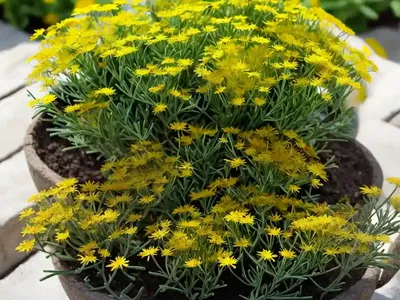
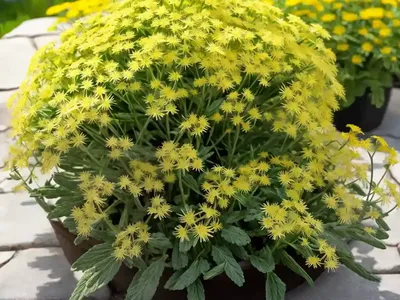
Marine Cineraria Angel Wings’ (Senecio Candicans ‘angel Wings’)
Marine Cineraria Angel Wings’ (Senecio Candicans ‘Angel Wings’) is a stunning and versatile plant that has gained popularity among gardeners and plant.
What is Marine Cineraria Angel Wings’?
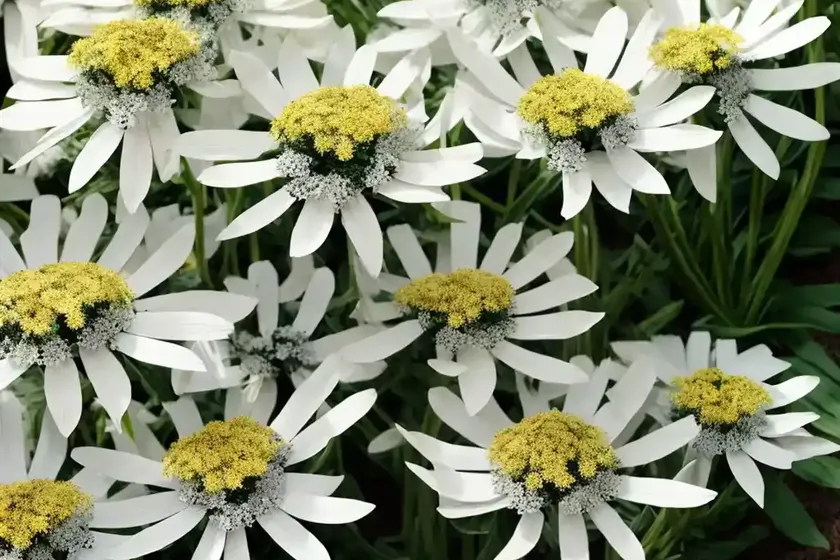
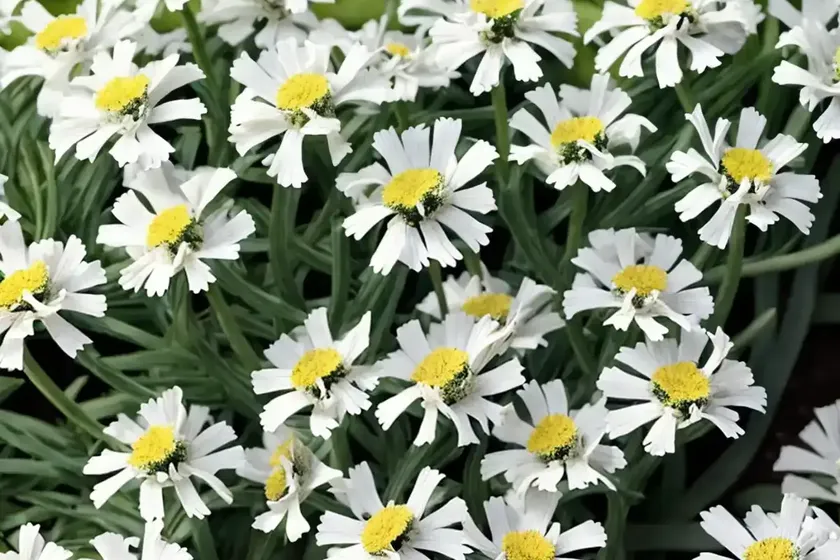
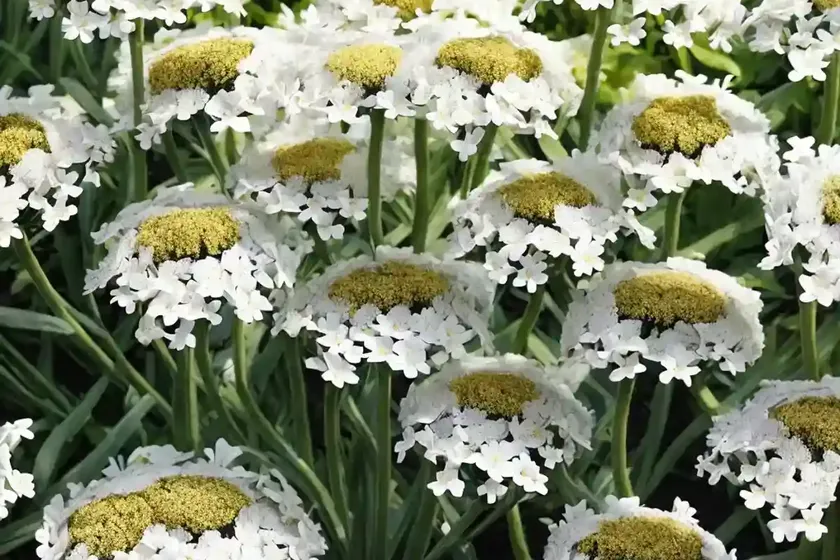
Marine Cineraria Angel Wings’ (Senecio Candicans ‘Angel Wings’) is a stunning and versatile plant that has gained popularity among gardeners and plant enthusiasts. Also known as Senecio ‘Angel Wings,’ this plant is famous for its unique, silvery-white foliage that adds a touch of elegance to any garden or indoor space.
This blog post aims to provide a comprehensive guide to Marine Cineraria Angel Wings’, covering various aspects such as its culture, uses, care requirements, propagation, common diseases, and fun facts. Whether you’re a seasoned gardener or a beginner plant parent, this guide will equip you with the knowledge to nurture and enjoy this beautiful plant to its fullest.
Key Takeaways – Marine Cineraria Angel Wings’ (Senecio Candicans ‘Angel Wings’)
Before we delve into the details of caring for Marine Cineraria Angel Wings’, let’s highlight some key takeaways about this exquisite plant:
- Scientific Name: Senecio Candicans ‘Angel Wings’
- Common Names: Marine Cineraria, Angel Wings Plant
- Foliage: Silvery-white, fuzzy leaves with a soft texture
- Growth Habit: Compact and mounding, reaching a height of around 12-18 inches
- Uses: Adds a striking visual appeal to gardens, landscapes, and indoor spaces
- Care Level: Low maintenance and relatively easy to grow
- Propagation Methods: Can be propagated from stem cuttings
- Light Requirements: Thrives in bright, indirect light
- Watering Needs: Requires infrequent watering, allowing the soil to dry out between waterings
- Soil Type: Well-draining soil mix, preferably cactus or succulent soil
- Common Pests: Susceptible to mealybugs, spider mites, and aphids
- Common Diseases: Prone to root rot if overwatered
- Fun Fact: The silvery foliage of Marine Cineraria Angel Wings’ is an adaptation to reflect sunlight, helping the plant withstand hot and bright conditions in its natural habitat.
Now that we have an overview of Marine Cineraria Angel Wings’, let’s explore its culture, uses, and care requirements in more detail.
Culture
Marine Cineraria Angel Wings’ is native to coastal regions, and its cultural requirements reflect its adaptation to these environments. Understanding the plant’s natural habitat and growth habits is essential for providing the best care and growing conditions.
Uses
The striking visual appeal of Marine Cineraria Angel Wings’ makes it a versatile plant with several potential uses in both outdoor and indoor settings:
- Garden Landscapes: The silvery foliage of Marine Cineraria Angel Wings’ contrasts beautifully with greenery, making it an excellent choice for garden borders, rock gardens, and Mediterranean-inspired landscapes.
- Container Gardening: Due to its compact growth habit, it thrives in containers and can be placed on patios, balconies, or as a centerpiece for outdoor arrangements.
- Indoor Décor: As a low-maintenance and visually appealing plant, it adds a touch of elegance to indoor spaces, including living rooms, offices, and conservatories.
- Xeriscaping: Well-suited for xeriscaping projects, Marine Cineraria Angel Wings’ thrives in dry and arid conditions, making it an ideal choice for water-wise landscaping.
Understanding the potential uses of Marine Cineraria Angel Wings’ allows for creative and diverse applications in garden and landscape designs.
Water
Watering is a critical aspect of Marine Cineraria Angel Wings’ care, as overwatering can lead to issues such as root rot. Understanding the plant’s water requirements and implementing a suitable watering routine is essential for its overall health and vitality.
- Watering Frequency: Allow the soil to dry out partially between waterings, and then water the plant thoroughly. In general, it’s better to underwater than overwater this plant.
- Soil Moisture: Use the “soak and dry” method, ensuring that excess water can freely drain from the pot or soil.
- Seasonal Variations: Adjust the watering frequency based on seasonal changes and the plant’s growth patterns. During the active growing season, the plant may require more frequent watering, while in winter, it may need less.
Understanding the specific water needs of Marine Cineraria Angel Wings’ is crucial for maintaining its health and preventing moisture-related issues.
Sunlight
Proper exposure to light is essential for the growth and development of Marine Cineraria Angel Wings’. Understanding its light requirements and providing suitable exposure ensures that the plant thrives and displays its characteristic silvery foliage.
- Light Requirements: Thrives in bright, indirect light. Protect the plant from intense, direct sunlight, especially during the hottest part of the day.
- Indoor Locations: Place the plant near east or west-facing windows to provide sufficient light without the risk of sunburn.
- Outdoor Settings: In outdoor gardens or landscapes, position the plant in locations with partial shade or dappled sunlight, especially in regions with intense heat.
Providing the appropriate light conditions is crucial for promoting healthy growth and maintaining the vibrant silvery color of the foliage.
Fertilizer
While Marine Cineraria Angel Wings’ is relatively low-maintenance, providing occasional fertilization can support its growth and overall vigor. Understanding the plant’s fertilizer needs and applying a suitable feeding regimen contributes to its well-being.
- Fertilizer Type: Use a balanced, water-soluble fertilizer formulated for indoor plants or succulents. Alternatively, a specialized cactus fertilizer can also be suitable.
- Frequency: Apply fertilizer sparingly during the active growing season, typically in spring and summer. Refrain from fertilizing during the dormant winter months.
- Dilution and Application: Dilute the fertilizer as per the manufacturer’s instructions and apply it to damp soil to prevent potential root burn.
By understanding the appropriate fertilizer regimen, you can support the growth and vitality of Marine Cineraria Angel Wings’ without risking nutrient imbalances.
Soil
The right soil composition is essential for providing Marine Cineraria Angel Wings’ with a healthy and supportive growing medium. Understanding the ideal soil type and structure ensures optimal root development and overall plant health.
- Well-Draining Mix: Use a well-draining soil mix suitable for succulents or cacti. Alternatively, you can create a custom mix by combining regular potting soil with perlite or coarse sand to improve drainage.
- Soil pH: Aim for a slightly acidic to neutral pH range, typically around 6.0 to 7.0.
- Container Drainage: Ensure that the containers or pots have drainage holes to prevent water from accumulating at the root zone.
A well-suited soil mix provides the necessary support and drainage for Marine Cineraria Angel Wings’, promoting healthy growth and minimizing the risk of water-related issues.
Pruning
Pruning is an important aspect of maintaining the appearance and overall health of Marine Cineraria Angel Wings’. Understanding the pruning techniques and implementing appropriate trimming practices contributes to a well-shaped and vigorous plant.
- Removal of Dead Foliage: Regularly inspect the plant for any dead or yellowing leaves and trim them close to the main stem using clean, sharp scissors or pruning shears.
- Pinching and Shaping: Pinch back leggy or overgrown stems to encourage a fuller, bushier growth habit. Aim to maintain a compact and mounded shape for the plant.
Regular pruning not only enhances the aesthetic appeal of Marine Cineraria Angel Wings’ but also promotes air circulation and reduces the risk of pest and disease issues.
Propagation
The ability to propagate Marine Cineraria Angel Wings’ through stem cuttings offers an opportunity to expand your plant collection or share this beautiful species with fellow gardening enthusiasts. Understanding the propagation methods and requirements is essential for successful propagation.
- Propagation Timing: Spring and early summer are generally the best times for propagating Marine Cineraria Angel Wings’.
- Stem Cuttings: Take 3-4 inch stem cuttings from the parent plant, ensuring that each cutting has several leaf nodes.
- Rooting Medium: Place the cuttings in a well-draining rooting medium, such as a mix of perlite and peat moss. Keep the medium lightly moist, and provide indirect light.
By understanding the propagation process and providing suitable conditions, you can successfully propagate Marine Cineraria Angel Wings’ and expand your collection of these stunning plants.
Container Popularity
The compact growth habit and striking foliage of Marine Cineraria Angel Wings’ make it a popular choice for container gardening. Understanding the specific considerations for container growth and maintenance is important for ensuring the plant’s success in these settings.
- Container Size: Select a container that provides ample space for the plant’s root system to develop. A slightly larger pot allows for future growth without overwhelming the plant.
- Drainage Holes: Ensure that the container has adequate drainage holes to prevent waterlogging and promote healthy root development.
- Watering Frequency: Monitor the soil moisture in containers closely, adjusting the watering frequency based on environmental conditions and the plant’s specific needs.
Understanding the nuances of container gardening for Marine Cineraria Angel Wings’ allows for successful growth and decorative displays in various indoor and outdoor settings.
Common Diseases and Pests
While Marine Cineraria Angel Wings’ is generally low-maintenance, it can be susceptible to certain diseases and pest infestations. Recognizing the signs of common issues and implementing appropriate control measures is essential for maintaining the plant’s health.
Disease Diagnosis
The potential disease issues that may affect Marine Cineraria Angel Wings’ primarily stem from overwatering and excessive soil moisture, leading to root rot. Understanding the symptoms and signs of root rot helps in timely intervention and treatment.
- Symptoms of Root Rot: Yellowing or wilting of leaves, mushy or darkened roots, and a foul odor emanating from the potting mix.
Addressing issues related to overwatering, such as adjusting the watering frequency and ensuring proper soil drainage, is essential for preventing and managing root rot in Marine Cineraria Angel Wings’.
Common Pests
Marine Cineraria Angel Wings’ can be vulnerable to pest infestations, with mealybugs, spider mites, and aphids being the most common culprits. Recognizing the signs of pest presence and implementing suitable control measures is crucial for mitigating potential damage.
- Mealybugs: Look for white, cottony masses on the stems and foliage. These pests can weaken the plant by sucking sap from the leaves and stems.
- Spider Mites: Tiny arachnids that may create fine webbing and cause stippling or discoloration on the foliage.
- Aphids: Small, soft-bodied insects that cluster on young shoots and leaf undersides, feeding on plant sap and potentially causing distortion or wilting of the foliage.
Implementing proactive pest management strategies, such as regular monitoring, natural predators, or targeted insecticidal treatments, helps in preventing and controlling pest infestations in Marine Cineraria Angel Wings’.
Botanist’s Tips
As a plant scientist with a passion for understanding and cultivating diverse plant species, I have some expert tips for maximizing the growth and visual appeal of Marine Cineraria Angel Wings’:
- Optimal Growing Conditions: Provide a well-draining soil mix, bright indirect light, and a balanced approach to watering to ensure the plant’s success.
- Air Circulation: Position the plant in locations with adequate air circulation to reduce the risk of fungal issues and maintain healthy foliage.
- Minimal Pruning: While occasional pruning is beneficial, avoid excessive trimming to maintain the natural elegance of the plant’s foliage.
- Preventive Pest Management: Regularly inspect the plant for signs of pests, and consider natural pest control methods to minimize the need for chemical interventions.
- Share the Beauty: Consider propagating Marine Cineraria Angel Wings’ to share with friends and fellow plant enthusiasts, spreading the joy of cultivating this captivating species.
Adhering to these tips can enhance your experience of growing and admiring the beauty of Marine Cineraria Angel Wings’ in various garden and indoor settings.
Fun Facts
Discovering intriguing and distinctive characteristics of plant species adds to the enjoyment of growing and nurturing them. Here are some fun facts about Marine Cineraria Angel Wings’ to pique your interest:
- The silvery-white foliage of Marine Cineraria Angel Wings’ is an adaptation to reflect sunlight, allowing the plant to thrive in hot and bright conditions in its natural habitat.
- It is a member of the Senecio genus, which encompasses a diverse range of plants with varying foliage and growth habits.
- Due to its drought-tolerant nature, Marine Cineraria Angel Wings’ is well-suited for low-water landscapes and water-wise gardening projects.
- The fuzzy, soft texture of the leaves adds tactile appeal, making it a popular choice for sensory gardens and plant collections.
By exploring these fun facts, you can gain a deeper appreciation for the unique attributes and resilience of Marine Cineraria Angel Wings’.
Links to External Resources
To further expand your knowledge and understanding of Marine Cineraria Angel Wings’, here are some valuable external resources:
- The Royal Horticultural Society – Senecio Candicans ‘Angel Wings’
- University of Florida IFAS Extension – Marine Cineraria, Senecio candicans
- Missouri Botanical Garden – Senecio ‘Angel Wings’
- University of California Agriculture & Natural Resources – Senecio candicans (Marine cineraria)
These resources offer in-depth information, care guidelines, and insights into the cultivation and appreciation of Marine Cineraria Angel Wings’. By exploring these external sources, you can further enrich your expertise and connection with this captivating plant.
In conclusion, Marine Cineraria Angel Wings’ (Senecio Candicans ‘Angel Wings’) stands out as a visually stunning and resilient plant that adds elegance and charm to a wide range of garden and indoor settings. By understanding its culture, care requirements, and unique characteristics, you can foster a thriving and captivating display of silvery foliage, enhancing the aesthetic appeal of your botanical collection.
This comprehensive guide provides extensive information on the cultivation, care, and appreciation of Marine Cineraria Angel Wings’, catering to both novice and experienced plant enthusiasts. Whether you’re seeking a striking addition to your garden, landscape, or indoor décor, this versatile plant offers enduring beauty and low-maintenance appeal.
Remember, the journey of nurturing and celebrating the beauty of plants is a rewarding and enriching experience, and Marine Cineraria Angel Wings’ stands as a shining example of nature’s resilience and captivating allure. Happy growing!
Note: The information provided in this article is based on the author’s expertise and knowledge as a plant scientist. Individual plant care may vary based on specific environmental conditions and regional factors.