Mandevilla X Amabilis ‘Alice Du Pont’)
The Mandevilla x amabilis ‘Alice du Pont’ is a stunningly beautiful and versatile plant that has gained immense popularity among gardening enthusiasts..
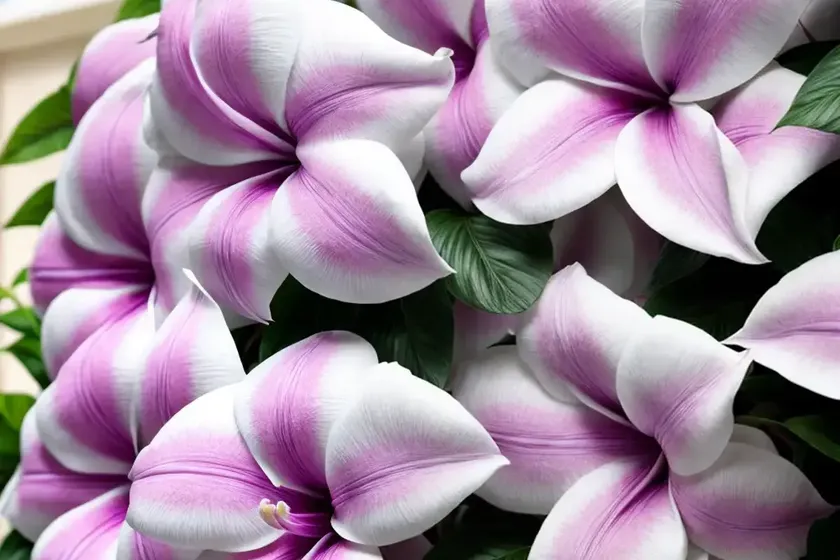
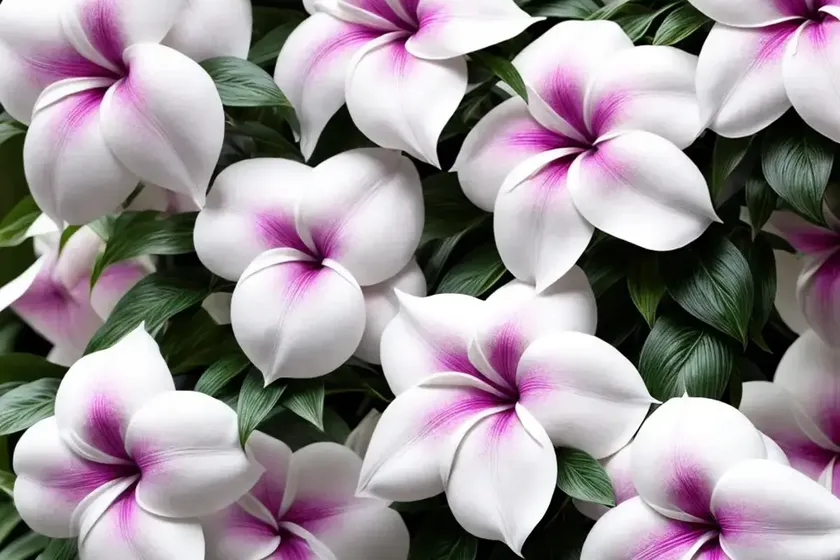
The Mandevilla x amabilis ‘Alice du Pont’ is a stunningly beautiful and versatile plant that has gained immense popularity among gardening enthusiasts. With its vibrant flowers and lush foliage, this plant adds a touch of elegance and tropical charm to any indoor or outdoor space. In this comprehensive guide, we will delve into everything you need to know about the Mandevilla x amabilis ‘Alice du Pont’, from its cultural requirements and uses to its propagation and common diseases. Whether you’re a seasoned gardener or a novice plant enthusiast, this guide will equip you with the knowledge and skills to care for and grow this gorgeous plant successfully.
What is Mandevilla x amabilis ‘Alice du Pont’?
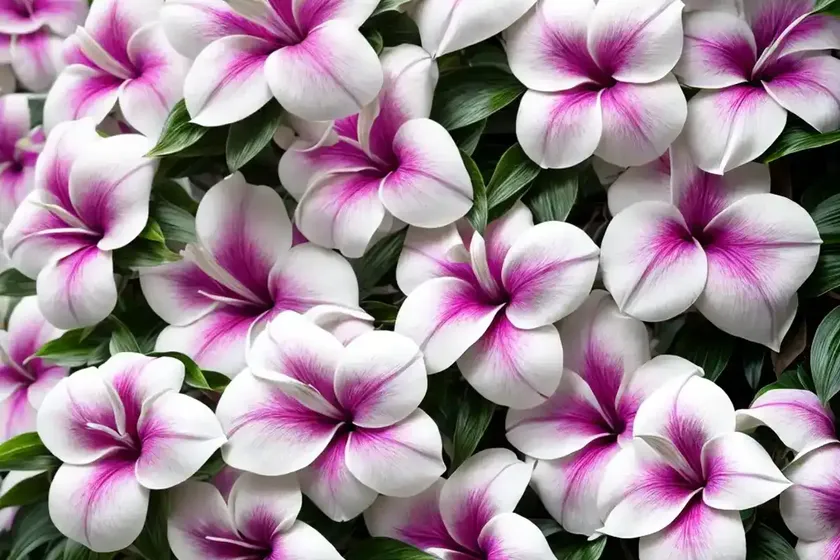
The Mandevilla x amabilis ‘Alice du Pont’ is a cultivar of the Mandevilla vine, known for its captivating trumpet-shaped flowers and vigorous climbing habit. This hybrid variety, also referred to as Alice du Pont Mandevilla, is prized for its prolific blooming and ability to thrive in various growing conditions. The plant is characterized by its glossy, dark green leaves and large, showy blossoms that come in shades of pink, red, and white.
Key Takeaways
- Plant Name: Mandevilla x amabilis ‘Alice du Pont’
- Botanical Name: Mandevilla x amabilis
- Common Names: Mandevilla vine, Alice du Pont plant
- Plant Type: Climbing vine
- Uses: Ornamental, landscaping, container gardening
- Cultural Requirements: Adequate water, sunlight, fertilizer, well-draining soil
- Propagation: Stem cuttings
- Common Diseases: Fungal diseases, root rot
- Common Pests: Aphids, whiteflies
In the following sections, we will explore in detail the cultural requirements, uses, propagation methods, and common issues associated with the Mandevilla x amabilis ‘Alice du Pont’, providing valuable insights and practical tips for successful cultivation.
Culture
Cultivating the Mandevilla x amabilis ‘Alice du Pont’ requires careful attention to its specific cultural requirements. From water and sunlight to soil and fertilizer, providing the appropriate growing conditions is crucial for the plant’s health and blooming potential.
Water
Proper watering is essential for the health and vitality of Mandevilla x amabilis ‘Alice du Pont’. The plant thrives in moist, well-drained soil and requires regular watering, especially during the growing season. It is important to avoid overwatering, as waterlogged soil can lead to root rot and other issues.
- Watering Tips
- Water the plant when the top inch of the soil feels dry to the touch.
- During the growing season, water thoroughly, allowing excess water to drain away.
- Reduce watering frequency in winter when the plant is in a dormant state.
Sunlight
Mandevilla x amabilis ‘Alice du Pont’ flourishes in bright, indirect sunlight and warm temperatures. Adequate light is crucial for encouraging prolific flowering and vigorous growth. When grown outdoors, the plant benefits from partial shade to protect it from intense sun exposure, especially during the hottest part of the day.
- Sunlight Requirements
- Provide bright, indirect light for at least 6-8 hours a day.
- Shield the plant from direct afternoon sun, especially in hot climates.
- When grown indoors, place the plant near a sunny window or provide supplemental grow lights.
Fertilizer
Applying a balanced fertilizer is key to promoting flowering and maintaining the overall health of Mandevilla x amabilis ‘Alice du Pont’. A regular feeding schedule during the growing season will provide the plant with essential nutrients for robust growth and abundant blooms.
- Fertilizing Guidelines
- Use a balanced, water-soluble fertilizer with a higher phosphorus content to encourage flowering.
- Apply fertilizer every 2-4 weeks during the growing season.
- Dilute the fertilizer to half strength to avoid overwhelming the plant with nutrients.
Soil
The right soil type is essential for the well-being of Mandevilla x amabilis ‘Alice du Pont’. It thrives in well-draining, fertile soil that retains moisture without becoming waterlogged. A high-quality potting mix with organic matter is recommended for container-grown plants, while garden beds can be amended with compost to enhance soil structure and fertility.
- Soil Requirements
- Use a well-draining potting mix with added perlite or sand for aeration.
- Maintain a slightly acidic to neutral pH range (6.0-7.0) for optimal growth.
- Ensure good airflow around the roots to prevent soil compaction.
Pruning
Pruning plays a crucial role in shaping and maintaining the growth of Mandevilla x amabilis ‘Alice du Pont’. Regular pruning not only helps control the plant’s size and shape but also encourages branching and stimulates new growth. Additionally, removing spent flowers and dead or damaged foliage promotes the overall health and appearance of the plant.
- Pruning Tips
- Prune the plant in early spring to remove any dead or overgrown branches.
- Pinch back the growing tips to encourage bushier growth and more flower production.
- Remove faded blooms to promote continuous flowering throughout the season.
Propagation
Propagating Mandevilla x amabilis ‘Alice du Pont’ allows you to expand your plant collection or share this beautiful vine with fellow gardening enthusiasts. Stem cuttings are the most common and effective method of propagation, and with the right techniques, you can successfully cultivate new plants from established specimens.
- Propagation Steps
- Take 6-8 inch long stem cuttings from healthy, vigorous growth.
- Remove the lower leaves and dip the cut end in rooting hormone.
- Plant the cuttings in a well-draining potting mix and keep them consistently moist in a warm, bright location.
- After roots develop, transplant the new plants into individual containers or garden beds.
Container Popularity
The Mandevilla x amabilis ‘Alice du Pont’ is highly sought after for container gardening, thanks to its elegant vine structure and stunning blooms. When grown in containers, this plant adds vibrant color and a tropical ambiance to patios, balconies, and indoor spaces. Its vigorous climbing habit makes it an ideal choice for adorning trellises, arbors, and other vertical structures.
Container Care Tips
- Select a spacious container with adequate drainage holes to accommodate the plant’s roots.
- Use a well-draining potting mix and consider adding perlite or vermiculite for improved aeration.
- Provide sturdy support for the vine to climb, such as a trellis or a decorative obelisk.
- Regularly check the soil moisture in containers, as they tend to dry out faster than garden beds.
Common Diseases and Pests
Despite its resilience, Mandevilla x amabilis ‘Alice du Pont’ is susceptible to certain diseases and pests that can affect its growth and vitality. Understanding these common issues and proactively addressing them is essential for maintaining the plant’s health.
Disease Diagnosis
Fungal diseases, including powdery mildew and leaf spot, can affect Mandevilla x amabilis ‘Alice du Pont’ under certain conditions. These diseases often manifest as discolored or distorted leaves, with powdery white patches or dark lesions. Proper cultural practices, such as adequate air circulation and controlled watering, can help prevent fungal infections.
- Preventive Measures
- Ensure good airflow around the plant by avoiding overcrowding and excessive foliage.
- Water the plant at the base to prevent splashing water on the leaves, which can encourage fungal growth.
- Prune and dispose of any affected plant parts to prevent the spread of diseases.
Common Pests
Aphids, whiteflies, and spider mites are among the common pests that may target Mandevilla x amabilis ‘Alice du Pont’. These tiny insects can cause damage by feeding on the plant’s sap, leading to stunted growth and leaf discoloration. Regular monitoring and prompt intervention are essential for managing pest infestations.
- Pest Control Methods
- Use a strong blast of water to dislodge aphids and whiteflies from the plant.
- Apply insecticidal soap or neem oil to control and repel common pests.
- Isolate heavily infested plants to prevent the spread of pests to healthy specimens.
Botanist’s Tips
As a botanist, I have observed the remarkable adaptability and resilience of the Mandevilla x amabilis ‘Alice du Pont’ in various growing conditions. This plant thrives when provided with the right balance of care and attention, and its breathtaking blooms never fail to captivate both seasoned gardeners and casual observers.
Cultural Recommendations
- Incorporate regular pruning into the plant care routine to maintain its shape and encourage new growth.
- Provide a stable climbing structure for the vine to showcase its elegant cascading growth habit.
- Monitor closely for signs of pests and diseases, addressing any issues promptly and effectively.
Fun Facts
- The Mandevilla x amabilis ‘Alice du Pont’ is native to South America and belongs to the family Apocynaceae.
- Its trumpet-shaped flowers are known for their delightful fragrance, attracting butterflies and hummingbirds to the garden.
- The plant’s vibrant blooms symbolize love, passion, and elegance, making it a popular choice for romantic landscapes and decorative arrangements.
Links to External Resources
For further information on Mandevilla x amabilis ‘Alice du Pont’ and related topics, you can explore the following resources:
- American Society for the Prevention of Cruelty to Animals (ASPCA) – Toxic and Non-Toxic Plants: Mandevilla
- The Old Farmer’s Almanac – How to Grow Mandevilla
- University of Florida IFAS Extension – Mandevilla spp.
- Royal Horticultural Society (RHS) – Mandevilla and Dipladenia
- Missouri Botanical Garden – Mandevilla x amabilis ‘Alice du Pont’
In conclusion, the Mandevilla x amabilis ‘Alice du Pont’ stands as a testament to nature’s beauty and resilience, captivating all who have the pleasure of encountering it. By embracing its unique cultural requirements and harnessing its inherent charms, you can create a stunning botanical display that enriches both indoor and outdoor spaces.
Whether you choose to cultivate it as a potted specimen, an ornamental climber, or a focal point in your landscape, the ‘Alice du Pont’ Mandevilla will reward you with its breathtaking blooms and enduring allure. Embrace the joy of nurturing this remarkable plant and witness its graceful transformation throughout the seasons, becoming a living testament to the artistry of nature.