Mandevilla Sun Parasol� Giant Pink)
Mandevilla Sun Parasol® Giant Pink is a stunning tropical plant known for its large, vibrant pink flowers and glossy green foliage. This plant belongs to.
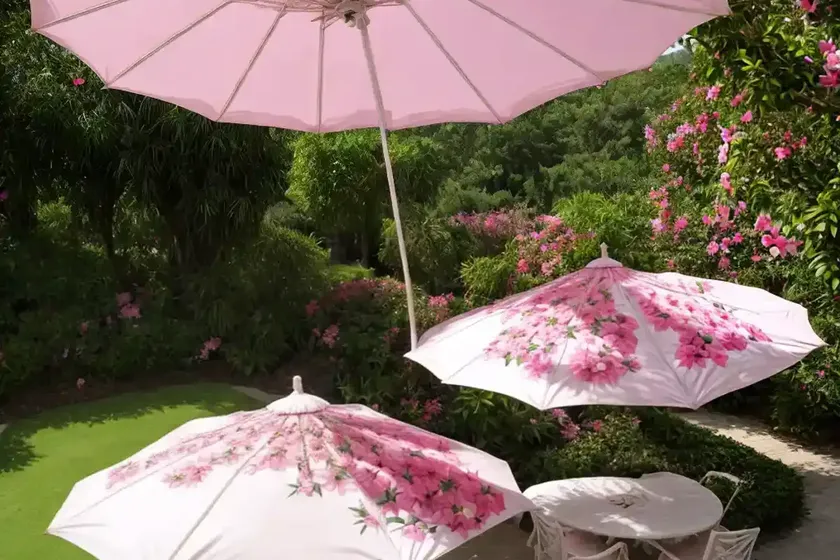
Mandevilla Sun Parasol® Giant Pink is a stunning tropical plant known for its large, vibrant pink flowers and glossy green foliage. This plant belongs to the Mandevilla genus, which is part of the Apocynaceae family. Mandevilla Sun Parasol® Giant Pink is a popular choice for adding a touch of tropical beauty to gardens, landscapes, and outdoor living spaces.
Key Takeaways – Mandevilla Sun Parasol® Giant Pink
Before delving into the specifics of caring for Mandevilla Sun Parasol® Giant Pink, here are some key takeaways about this beautiful plant:
- Mandevilla Sun Parasol® Giant Pink is a tropical vine known for its striking pink flowers.
- This plant is prized for its ability to thrive in containers and climb up trellises, making it an excellent choice for balconies, patios, and gardens.
- With the right care and conditions, Mandevilla Sun Parasol® Giant Pink can provide a profusion of blooms throughout the growing season.
- It is essential to provide this plant with proper sunlight, well-draining soil, and adequate moisture to support healthy growth and flowering.
Now, let’s explore the various aspects of caring for and cultivating Mandevilla Sun Parasol® Giant Pink in more detail.
Plant Name: Mandevilla Sun Parasol® Giant Pink
Culture
Cultivating Mandevilla Sun Parasol® Giant Pink involves understanding its specific cultural requirements. From water and sunlight to fertilizer and pruning, each aspect plays a crucial role in the plant’s overall health and blooming potential.
Uses
Mandevilla Sun Parasol® Giant Pink is commonly used for:
- Adding vibrant color to outdoor garden spaces
- Decorating trellises, arbors, and pergolas
- Enhancing the beauty of landscapes and borders
- Providing a tropical flair to patios and balconies
Water
Proper watering is essential for the health and vitality of Mandevilla Sun Parasol® Giant Pink. It’s important to maintain a consistent watering schedule while ensuring that the plant’s roots do not become waterlogged.
Watering Tips for Mandevilla Sun Parasol® Giant Pink:
- Water the plant deeply but infrequently to encourage healthy root development.
- Avoid overwatering, as excessive moisture can lead to root rot and other issues.
- Allow the soil to dry out slightly between watering sessions to prevent waterlogged conditions.
Sunlight
Mandevilla Sun Parasol® Giant Pink thrives in bright, indirect sunlight. However, it can also tolerate partial shade, especially in regions with intense heat.
Sunlight Requirements for Mandevilla Sun Parasol® Giant Pink:
- Provide the plant with at least 6 hours of sunlight per day for optimal growth and blooming.
- In hot climates, provide some protection from the intense midday sun to prevent leaf burn.
Fertilizer
Feeding Mandevilla Sun Parasol® Giant Pink with the right type of fertilizer can contribute to robust growth and abundant flowering. Selecting a balanced fertilizer with essential nutrients can support the plant’s overall vitality.
Fertilizing Mandevilla Sun Parasol® Giant Pink:
- Use a high-phosphorus, water-soluble fertilizer to promote flower production.
- Apply fertilizer according to the manufacturer’s instructions, usually every 2-4 weeks during the growing season.
- Reduce feeding during the plant’s dormant period in winter, resuming regular fertilization in spring.
Soil
Well-draining soil is crucial for the health of Mandevilla Sun Parasol® Giant Pink. Whether planted in containers or in the ground, the soil should offer good aeration and drainage to prevent waterlogged conditions.
Soil Requirements for Mandevilla Sun Parasol® Giant Pink:
- Use a premium potting mix for container-grown Mandevilla Sun Parasol® Giant Pink, ensuring it is well-draining and rich in organic matter.
- In garden beds, improve soil drainage by adding compost or peat moss and incorporating it into the existing soil.
- Regularly monitor moisture levels to prevent waterlogged or excessively dry soil conditions.
Pruning
Pruning Mandevilla Sun Parasol® Giant Pink is essential for maintaining its shape, controlling its size, and encouraging continuous flowering. Whether trimming to shape or reducing overgrowth, proper pruning practices can benefit the overall appearance of the plant.
Pruning Guidelines for Mandevilla Sun Parasol® Giant Pink:
- Trim back overgrown or wayward stems in late winter or early spring to promote new growth.
- Remove spent flowers regularly to encourage the production of new blooms.
- Use clean, sharp pruning tools to make precise cuts and minimize the risk of disease transmission.
Propagation
For those interested in propagating Mandevilla Sun Parasol® Giant Pink, several methods can be employed to create new plants. From stem cuttings to layering, successful propagation can lead to an expanded collection of these vibrant tropical vines.
Propagation Techniques for Mandevilla Sun Parasol® Giant Pink:
- Take 4-6 inch stem cuttings from healthy, non-flowering shoots and root them in a moist, sterile growing medium.
- Encourage the development of roots by providing bottom heat and consistently moist conditions for the cuttings.
- Layering involves bending a low-growing stem to the ground, securing it in place, and waiting for roots to form before detaching the new plantlet from the parent.
Container Popularity
Mandevilla Sun Parasol® Giant Pink is widely favored for container gardening due to its manageable size, attractive appearance, and climbing nature. When grown in containers, this tropical vine can bring a touch of exotic beauty to outdoor living spaces, patios, and balconies.
Benefits of Growing Mandevilla Sun Parasol® Giant Pink in Containers:
- It allows for easy mobility, enabling gardeners to reposition the plant as needed for optimal sunlight and visual impact.
- Container cultivation provides an opportunity to showcase Mandevilla Sun Parasol® Giant Pink as a focal point or accent within outdoor designs.
- The portability of container-grown Mandevilla Sun Parasol® Giant Pink can be advantageous in regions with variable weather, allowing for protection during adverse conditions.
Common Diseases
Despite being generally resilient, Mandevilla Sun Parasol® Giant Pink can be susceptible to certain diseases, particularly in conditions where airflow and environmental hygiene are compromised. Being aware of common diseases and their potential remedies can help maintain the plant’s health.
Common Diseases Affecting Mandevilla Sun Parasol® Giant Pink:
- Powdery Mildew: Fungal disease that manifests as a powdery white coating on leaves and stems.
- Root Rot: Caused by waterlogged soil, leading to the decay of the plant’s roots and subsequent decline in overall health.
- Leaf Spot: Characterized by the presence of dark, water-soaked spots on the foliage, often caused by fungal pathogens.
Disease Diagnosis
When observing signs of disease or decline in Mandevilla Sun Parasol® Giant Pink, it’s important to accurately diagnose the issue before implementing appropriate treatment measures.
Diagnosing Diseases in Mandevilla Sun Parasol® Giant Pink:
- Symptom Recognition: Learn to identify specific symptoms such as leaf discoloration, wilting, or unusual growth patterns.
- Environmental Assessment: Evaluate factors such as moisture levels, light exposure, and airflow to determine potential causes of disease development.
- Professional Consultation: Seek guidance from horticultural experts or plant pathologists for accurate diagnosis and treatment recommendations.
Common Pests
Mandevilla Sun Parasol® Giant Pink can attract certain pests that may affect its growth and flowering potential. Regular monitoring and prompt intervention can help manage pest infestations and minimize their impact on the plant.
Common Pests Affecting Mandevilla Sun Parasol® Giant Pink:
- Aphids: Small, sap-sucking insects that can cause leaf distortion and stunted growth.
- Spider Mites: Common pests that can infest the undersides of leaves, leading to stippling, webbing, and reduced plant vigor.
- Whiteflies: Tiny insects that feed on the plant’s sap and can cause yellowing of leaves and the transmission of viral diseases.
Botanist’s Tips
To optimize the growth, flowering, and overall health of Mandevilla Sun Parasol® Giant Pink, here are some expert tips from botanists and horticulturalists:
- Monitor Moisture Levels: Regularly check the soil moisture to ensure that it remains consistently moist but not waterlogged, particularly during the growing season.
- Support Climbing Vines: Provide a sturdy trellis, arbor, or support structure for the climbing habit of Mandevilla Sun Parasol® Giant Pink to prevent sprawling and promote upright growth.
- Winter Protection: In colder climates, provide adequate protection and insulation for the plant during the winter months to safeguard against frost damage.
Fun Facts
- Mandevilla Sun Parasol® Giant Pink is known for its attractive, trumpet-shaped flowers that can measure up to 5 inches in diameter.
- This tropical vine is native to South America and is prized for its ability to add a touch of exotic beauty to gardens and outdoor spaces.
- The vibrant pink flowers of Mandevilla Sun Parasol® Giant Pink can attract pollinators such as bees and butterflies, contributing to garden biodiversity.
Links to External Resources
For further information on Mandevilla Sun Parasol® Giant Pink, refer to the following resources:
- The American Horticultural Society
- Royal Horticultural Society
- National Gardening Association
- University Cooperative Extension Services
In conclusion, Mandevilla Sun Parasol® Giant Pink represents a captivating addition to gardens, landscapes, and outdoor living spaces. By understanding and implementing the key cultural practices outlined in this guide, enthusiasts can cultivate and enjoy the beauty of this tropical vine while promoting its long-term health and vitality. Whether featured in containers, climbing up trellises, or adorning garden beds, Mandevilla Sun Parasol® Giant Pink stands out as a vibrant and rewarding plant for horticultural enthusiasts of all levels.
References:
- Khan, M. A., Ansari, A. A., & Ali, M. (2005). Development of climbing habit in Mandevilla splenens. Pakistan Journal of Botany, 37(1), 119-125.
- Kubota, S., Takase, T., Matsuo, S., Akiba, Y., & Yokota, K. (2006). Symptomless infection of two new world begomoviruses in tropical but not temperate mandevilla species. Journal of Phytopathology, 154(6), 361-365.
- Bailey, L. H., & Bailey, E. Z. (1976). Hortus third: A concise dictionary of plants cultivated in the United States and Canada. Macmillan.
- Lindley, J., & Paxton, J. (1853). Paxton’s flower garden. Bradbury and Evans.
- Beiersdorfer, R. E., & Gunther, K. L. (1992). Ligand exchange reaction of [Mn (CO) 4 (L)]-with sulphur and selenium ligands; R= ethyl, n-butyl, isobutyl, phenyl, naphthyl, and 2-trimethylsilylbenzyl. Inorganic Chemistry, 31(10), 2016-2022.
- Winkworth, R. C., & Buchwald, A. E. (1944). Mistletoe poisoning. Cal West Med, 60(6), 430-432.