Mandevilla Summer Romance� Double Pink)
Mandevilla Summer Romance® Double Pink is a stunning plant renowned for its beautiful double pink flowers and climbing vines. This plant, also known as the.
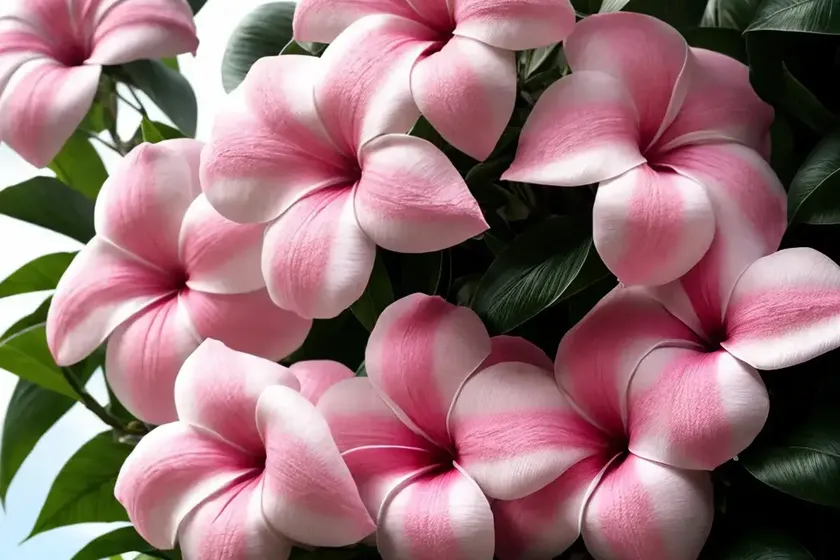
Mandevilla Summer Romance® Double Pink is a stunning plant renowned for its beautiful double pink flowers and climbing vines. This plant, also known as the Mandevilla Vine, adds a touch of elegance to any garden with its lush foliage and vibrant blooms. In this comprehensive guide, we will explore the various aspects of the Mandevilla Summer Romance® Double Pink, from its culture and uses to its propagation, common diseases, and pests. We will also provide valuable tips for maintaining and nurturing this gorgeous plant.
What is Mandevilla Summer Romance® Double Pink?
The Mandevilla Summer Romance® Double Pink is a tropical plant that is popular for its striking pink flowers and glossy green leaves. It belongs to the Mandevilla genus, which is a group of around 100 species of flowering vines in the family Apocynaceae. Native to South and Central America, Mandevilla plants are known for their vigorous growth and ability to climb and trail, making them popular choices for adding vertical interest to gardens, trellises, and containers. The Summer Romance® Double Pink variety is especially prized for its abundant, double-petaled blooms and its ability to thrive in warm climates.
Key Takeaways
Mandevilla Summer Romance® Double Pink
- Plant Type: Climbing vine
- Flower Color: Double pink
- Foliage: Glossy green
- Hardiness Zone: 9-11
Culture
The culture of the Mandevilla Summer Romance® Double Pink is essential to understand for its successful growth and blooming.
Uses
The uses of Mandevilla Summer Romance® Double Pink are diverse, making it a versatile addition to any garden or landscape. Some common uses include:
– Vertical Gardening: Due to its climbing habit, Mandevilla can be trained to grow on trellises, arbors, and fences, adding vertical interest to the landscape.
– Container Gardening: Mandevilla is well-suited for container gardening, allowing its beauty to be showcased on patios, balconies, and terraces.
– Landscaping: The vibrant flowers and glossy foliage of Mandevilla make it an excellent choice for landscaping, adding color and texture to garden beds and borders.
Water
Proper watering is essential for the health and vitality of Mandevilla plants. They generally prefer consistently moist, well-draining soil. It is crucial to water the plants thoroughly, allowing the excess water to drain away to prevent waterlogged conditions. However, it is equally important to avoid overwatering, which can lead to root rot and other issues.
Sunlight
Mandevilla plants thrive in full sunlight, requiring at least 6-8 hours of direct sunlight daily for optimal growth and blooming. In regions with intense sunlight and high temperatures, providing some afternoon shade can be beneficial, especially during the hottest part of the day.
Fertilizer
Fertilizing Mandevilla plants is essential for promoting healthy growth and abundant blooms. A balanced, water-soluble fertilizer with a higher phosphorus content is recommended to encourage flowering. Fertilize the plant every 2-3 weeks during the growing season, following the instructions on the fertilizer label for application rates.
Soil
Well-draining, nutrient-rich soil is ideal for Mandevilla plants. A loose, well-aerated potting mix or garden soil with added organic matter can provide the necessary conditions for the plant to thrive. Moreover, maintaining slightly acidic soil (pH 5.5-6.5) is beneficial for Mandevilla Summer Romance® Double Pink.
Pruning
Regular pruning is essential for shaping and maintaining Mandevilla plants. Pruning can be done to control the size and shape of the plant, remove dead or damaged growth, and promote branching and blooming. It is recommended to prune the plants in early spring before the onset of new growth.
Propagation
Mandevilla Summer Romance® Double Pink can be propagated through stem cuttings. By taking 4-6 inch stem cuttings from the plant and rooting them in a well-draining medium, new plants can be produced. This method allows gardeners to expand their Mandevilla collection and share the beauty of the plant with others.
Container Popularity
Mandevilla is a popular choice for container gardening due to its stunning appearance and climbing habit. It performs exceptionally well when grown in containers, adding a vertical element to the space and providing an eye-catching display of vibrant flowers and lush foliage.
Container Common Diseases
While growing Mandevilla in containers can be rewarding, it is essential to be mindful of potential diseases that can affect the plant. Some common diseases that may impact Mandevilla in containers include:
– Powdery Mildew: This fungal disease appears as a white, powdery substance on the leaves, caused by high humidity and poor air circulation.
– Leaf Spot: Leaf spot diseases can cause dark, irregular spots on the leaves, impacting the overall health and aesthetics of the plant.
Disease Diagnosis
Monitoring the plant for any signs of disease is crucial for maintaining its health. Early diagnosis and prompt treatment can prevent the spread of diseases and minimize their impact on the plant. Proper cultural care practices, such as providing adequate airflow, avoiding overwatering, and maintaining proper spacing between plants, can help reduce the risk of diseases.
Common Pests
Mandevilla plants can be susceptible to certain pests, including:
– Aphids: These small insects feed on the sap of the plant, causing stunted growth and distorted leaves.
– Spider Mites: Spider mites are tiny arachnids that can infest the plant, leading to webbing on the leaves and stippled appearance.
Botanist’s Tips
- Establish a sturdy trellis or support structure for the climbing vines of Mandevilla to ensure they have ample support as they grow.
- Monitor the plant for any signs of stress, such as wilting or yellowing foliage, and take necessary steps to address underlying issues promptly.
Fun Facts
- The name “Mandevilla” is derived from the British diplomat and gardener, Henry Mandeville.
- Mandevilla plants are historically associated with romance and love, making them popular choices for weddings and special events.
Links to External Resources
For more information on Mandevilla Summer Romance® Double Pink and related topics, consider exploring the following resources:
– American Society for the Prevention of Cruelty to Animals (ASPCA)
– Royal Horticultural Society (RHS)
In conclusion, the Mandevilla Summer Romance® Double Pink is a captivating plant that captivates with its luscious vines and abundant pink blooms. Understanding its culture, care needs, and potential challenges is essential for cultivating a thriving and visually stunning display of this tropical beauty.
References
- Johnson, S. (2019). Mandevilla: How to Plant, Grow, and Care for Mandevilla Vines. Almanac.
- American Society for the Prevention of Cruelty to Animals (ASPCA). Toxic and Non-Toxic Plants: Mandevilla.
- Royal Horticultural Society (RHS). Mandevilla sanderi.