Mandevilla Splendens (Shining Mandevilla)
Mandevilla splendens, commonly known as Shining Mandevilla, is a vibrant and elegant flowering vine that captivates with its stunning blooms and lush.
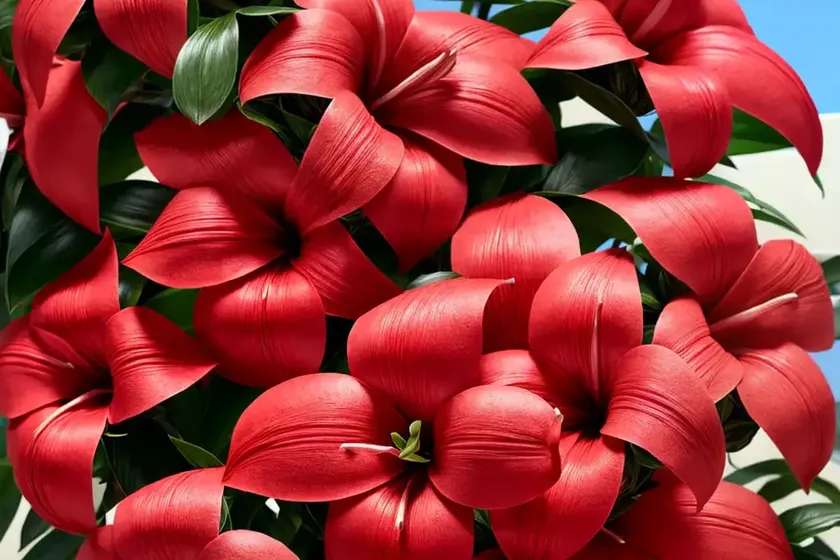
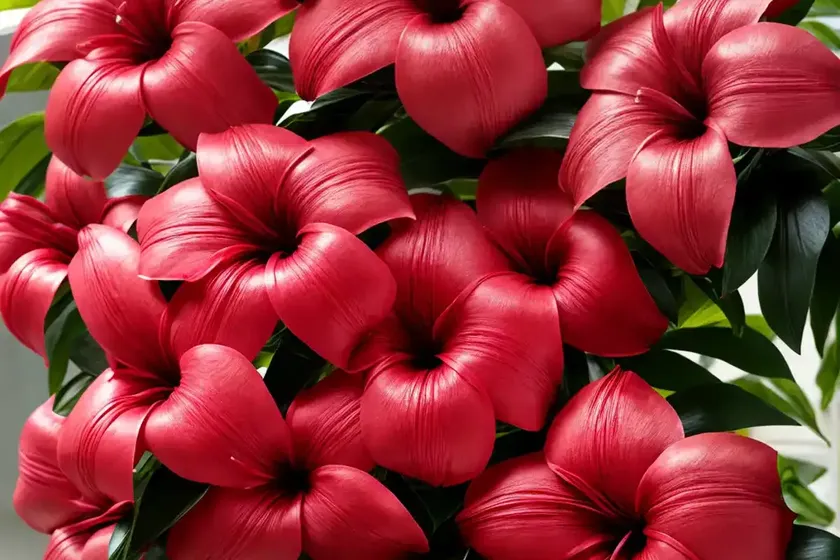
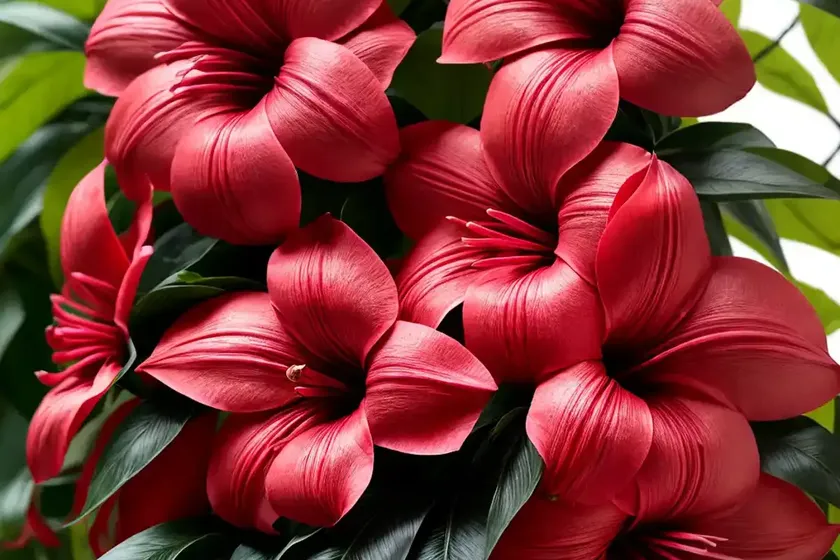
Mandevilla splendens, commonly known as Shining Mandevilla, is a vibrant and elegant flowering vine that captivates with its stunning blooms and lush foliage. This article serves as a comprehensive guide to understanding and caring for this beautiful plant. From its cultural requirements to propagation techniques, common diseases, and fun facts, we will delve into all aspects of caring for Mandevilla splendens.
What is Mandevilla splendens (Shining Mandevilla)?
Mandevilla splendens is a species of flowering vines native to South America, particularly Brazil. It is a member of the Apocynaceae family, which also includes plants like oleander and periwinkle. The genus Mandevilla is named after Henry Mandeville, a British diplomat and gardener.
This plant is renowned for its stunning, trumpet-shaped blooms that come in various shades of pink, red, and white. Its glossy, dark green leaves provide an eye-catching backdrop to the vibrant flowers, making it a popular choice for gardens, landscapes, and containers.
Key Takeaways – Mandevilla splendens (Shining Mandevilla)
– Scientific Name: Mandevilla splendens
– Common Name: Shining Mandevilla
– Family: Apocynaceae
– Native Habitat: South America, particularly Brazil
– Notable Features: Trumpet-shaped flowers, glossy green foliage
– Cultural Uses: Ornamental garden plant, container plant
– Sunlight Requirements: Full sun to partial shade
– Watering Needs: Moderate
– Soil Type: Well-draining, fertile soil
– Fertilization: Regular feeding during the growing season
– Pruning: Prune as needed to shape and control growth
– Propagation: Stem cuttings, layering
– Common Pests: Aphids, spider mites
– Common Diseases: Powdery mildew, leaf spot
Now, let’s explore each of these aspects in detail to understand how to care for and cultivate Mandevilla splendens successfully.
Culture
Uses
Mandevilla splendens is primarily cultivated as an ornamental plant due to its stunning blooms and lush foliage. It is commonly used in gardens, landscapes, and as a container plant for patios and balconies. Its climbing habit makes it ideal for trellises, arbors, and pergolas, adding vertical interest and beauty to outdoor spaces.
Water
Proper watering is essential for the health and vigor of Mandevilla splendens. While it thrives in slightly moist soil, it is crucial to avoid overwatering, as it can lead to root rot and other issues. The general guideline for watering is to allow the soil to dry slightly between waterings. This helps prevent waterlogged conditions that can be detrimental to the plant’s growth.
During the growing season, which typically spans spring to fall, regular watering is necessary. In hot climates or during periods of intense sunlight, more frequent watering may be required to maintain adequate soil moisture. As the season transitions to autumn and winter, reduce the frequency of watering to accommodate the plant’s dormancy.
Sunlight
Mandevilla splendens thrives in full sun to partial shade conditions. In regions with hot, intense sunlight, providing some afternoon shade can be beneficial, especially during the peak of summer. Adequate sunlight is essential for ensuring abundant flowering and robust growth of the plant.
When grown in containers, it is important to position them in areas that receive ample sunlight, such as south- or west-facing locations. For outdoor plantings, choosing a site with sufficient sunlight exposure and good air circulation is key to promoting the plant’s health and blooming performance.
Fertilizer
Feeding Mandevilla splendens with a balanced, water-soluble fertilizer helps support its vigorous growth and prolific blooming. During the growing season, which typically spans spring to early autumn, a regular fertilization schedule is recommended. This can be achieved by using a liquid fertilizer formulated for flowering plants, applied every two to three weeks.
It is crucial to follow the manufacturer’s guidelines for dilution and application rates to prevent overfeeding, which can lead to excessive foliage growth at the expense of flower production. Cease fertilization as the plant enters dormancy in late autumn and winter, resuming feeding when new growth emerges in spring.
Soil
The soil requirements for Mandevilla splendens involve providing well-draining, fertile soil to support its growth and blooming. A good quality potting mix that retains moisture while allowing excess water to drain away is ideal for container cultivation. Additionally, incorporating organic matter, such as compost or well-rotted manure, into the soil can enhance its fertility and texture.
When planting in the ground, ensuring that the soil is well-draining and rich in organic matter promotes healthy root development and overall vitality. Amending the soil with compost or aged organic materials can improve its structure and provide essential nutrients for the plant.
Pruning
Pruning Mandevilla splendens serves multiple purposes, including shaping the plant, controlling its size, and promoting a bushier growth habit. It is best to prune the plant in early spring before the onset of new growth, and additional maintenance pruning can be carried out as needed throughout the growing season.
When pruning, it is important to remove any dead, damaged, or diseased branches to maintain the plant’s health and appearance. Additionally, trimming back overly vigorous growth can help prevent the plant from becoming excessively leggy and promote a more compact, attractive form.
To encourage continuous blooming, it is advisable to remove spent flowers regularly. This practice, known as deadheading, redirects the plant’s energy towards producing new blooms rather than seed production, resulting in a longer flowering period.
Propagation
Propagating Mandevilla splendens can be achieved through stem cuttings or layering. Both methods offer effective ways to expand your plant collection or share this beautiful species with fellow gardening enthusiasts.
Propagation by Stem Cuttings
1. Select a healthy, non-flowering stem from the parent plant, ideally in early spring or summer.
2. Using a sharp, sterilized knife or pruners, take a 4- to 6-inch cutting from the stem, ensuring that it includes at least one or two nodes.
3. Remove the lower leaves from the cutting to expose the nodes, which are the points from which roots will develop.
4. Dip the cut end of the stem in rooting hormone to encourage the formation of roots.
Propagation by Layering
1. Choose a flexible, low-growing stem on the parent plant and gently bend it towards the ground.
2. Make a small incision or wound on the underside of the stem where it contacts the soil.
3. Secure the wounded portion of the stem to the soil with a U-shaped staple or similar device to maintain contact.
4. Over time, roots will develop at the point of contact with the soil, enabling the layered stem to establish itself as a new plant.
Regardless of the propagation method chosen, providing adequate warmth, moisture, and indirect light encourages successful rooting and establishment of the new plants. Once the cuttings or layered stems have developed a healthy root system, they can be potted in well-draining soil or transplanted into the garden.
Container Popularity
Mandevilla splendens is a popular choice for container gardening due to its climbing habit, lush foliage, and stunning blooms. When grown in containers, it can be trained to climb trellises, arbors, or other supports, adding vertical interest and beauty to outdoor spaces.
The vibrant flowers and glossy foliage make Mandevilla splendens an excellent choice for brightening up patios, decks, and balconies. Additionally, its ability to thrive in containers makes it well-suited for gardeners with limited space or those looking to create a striking focal point in their outdoor settings.
The versatility of container cultivation allows for easy repositioning of the plant to maximize sunlight exposure and aesthetic impact. By choosing an appropriately sized container and providing proper care, gardeners can enjoy the beauty of Shining Mandevilla in their outdoor living spaces.
Common Diseases
Disease Diagnosis
Mandevilla splendens can be susceptible to certain diseases, with two of the most common being powdery mildew and leaf spot.
Powdery Mildew
– Symptoms: The presence of a white, powdery coating on the leaves and stems
– Cause: Fungal infection favored by high humidity and poor air circulation
– Management: Prune affected plant parts, improve air circulation, and apply fungicidal treatments if necessary
Leaf Spot
– Symptoms: Circular or irregular spots on the leaves, often with a dark center and yellow halo
– Cause: Fungal or bacterial infection, exacerbated by prolonged leaf wetness
– Management: Remove and destroy affected leaves, avoid overhead watering, and apply appropriate fungicidal treatments as needed
Regular inspection of the plant for signs of disease, coupled with proactive measures to improve growing conditions, can help prevent the onset and spread of these and other diseases.
Common Pests
Botanist’s Tips
Mandevilla splendens may encounter several common pests, including aphids and spider mites. While these pests can cause damage to the plant, there are strategies for effectively managing and mitigating their impact.
Aphids
– Identification: Small, soft-bodied insects typically found on new growth and the undersides of leaves
– Damage: Feeding on plant sap can lead to distorted growth, yellowing leaves, and the presence of honeydew
– Control: Use a strong stream of water to dislodge aphids, apply insecticidal soap as needed, and encourage natural predators such as ladybugs
Spider Mites
– Identification: Tiny arachnids that may appear as specks on the undersides of leaves, often accompanied by webbing
– Damage: Feeding can cause stippling, yellowing, and eventually, leaf drop
– Control: Increase humidity, remove affected plant parts, and utilize insecticidal soap or horticultural oil to manage infestations
Regular monitoring of the plant for signs of pest activity, coupled with prompt intervention when necessary, can help prevent the escalation of pest issues and safeguard the health of Mandevilla splendens.
Fun Facts
- The genus Mandevilla comprises approximately 100 species, including both climbing and shrubby varieties, with diverse flower colors and forms.
- Mandevilla splendens is prized for its attractive, glossy foliage, which serves as a striking backdrop to its vibrant blooms.
- This plant is known for its vigorous growth habit, capable of scaling trellises, fences, and structures with ease.
- In its native habitat, Mandevilla splendens is pollinated by insects and is valued for its role in supporting local pollinator populations.
- The plant’s trumpet-shaped flowers are well adapted for attracting pollinators, including bees, butterflies, and hummingbirds.
Links to External Resources
- RHS – Mandevilla splendens
- Missouri Botanical Garden – Mandevilla splendens
- University of Florida IFAS Extension – Mandevilla
- Gardening Know How – Mandevilla Plant Care
- Plant Care Today – Mandevilla Plant Care: How To Care For Mandevilla Trellis Plants
In conclusion, Mandevilla splendens, or Shining Mandevilla, is a stunning plant that adds beauty and elegance to gardens, landscapes, and containers. By ensuring proper cultural practices, addressing common diseases and pests, and appreciating its remarkable qualities, gardeners can enjoy the abundant blooms and lush foliage of this captivating species.
Whether in search of a striking climber for a trellis, a vibrant container plant for a patio, or a focal point for a garden space, Mandevilla splendens offers versatility and charm that enriches any outdoor setting. With its alluring flowers, glossy leaves, and graceful growth habit, this plant continues to captivate and inspire gardeners and plant enthusiasts around the world with its natural beauty and allure.
Incorporating Mandevilla splendens into the landscape brings the enchantment of its blossoms and the vitality of its growth, making it a delightful addition to outdoor spaces where its beauty can be admired and enjoyed.
Make the most of this stunning plant by understanding its needs and potential. With the right care and attention, Mandevilla splendens will reward you with a spectacular display of colorful blooms and lush foliage, creating a captivating and enchanting atmosphere in your garden or outdoor living space.
This marks the end of our comprehensive guide to Mandevilla splendens, a truly remarkable plant that exudes beauty, grace, and captivating charm.
For any further queries or information on this remarkable plant, feel free to reach out and explore the wonderful world of Shining Mandevilla!