Mandevilla (Mandevilla Sun Parasol Hybrid)
As a plant scientist, I’m often enchanted by the diverse world of flora that surrounds us. One plant that particularly piques my interest is the.
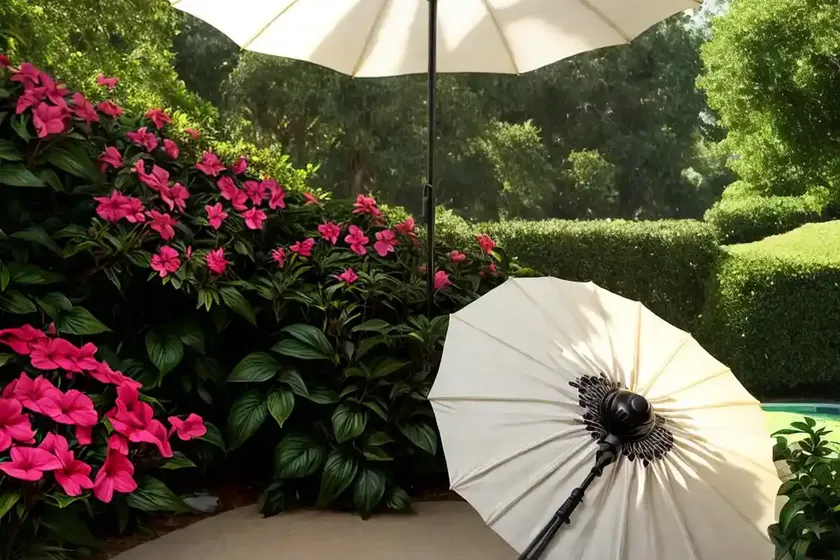
As a plant scientist, I’m often enchanted by the diverse world of flora that surrounds us. One plant that particularly piques my interest is the Mandevilla, specifically the Mandevilla Sun Parasol Hybrid variety. In this extensive guide, we’ll delve into everything you need to know about this stunning plant, from its technicalities to practical care and maintenance. Whether you’re a seasoned horticulturist or just starting your gardening journey, this comprehensive resource is designed to cater to all levels of expertise.
What is Mandevilla (Mandevilla Sun Parasol Hybrid)?
Mandevilla, botanically known as Mandevilla Sun Parasol, is a striking tropical plant distinguished by its vibrant, trumpet-shaped flowers and glossy green foliage. As a part of the dogbane family (Apocynaceae), the Mandevilla genus encompasses over 100 species of flowering vines that are native to South and Central America. The Mandevilla Sun Parasol Hybrid, in particular, is revered for its vigorous growth habit and a prolific display of colorful blooms, making it a sought-after ornamental plant for gardens, landscapes, and containers.
Key Takeaways – Mandevilla (Mandevilla Sun Parasol Hybrid)
Before we venture into the specifics of Mandevilla care and cultivation, let’s briefly touch on the key takeaways relating to this captivating vine:
Mandevilla (Mandevilla Sun Parasol Hybrid)
- Scientific Name: Mandevilla Sun Parasol
- Family: Apocynaceae
- Common Varieties: Sun Parasol Original, Sun Parasol Giant, Sun Parasol Pretty, Sun Parasol Stars and Stripes, Sun Parasol White, Sun Parasol Crimson, and more.
Culture
- Type: Perennial vine
- Hardiness Zones: 9-11
- Height: Up to 10 feet or more
- Exposure: Full sun
- Uses: Landscapes, containers, trellises, hanging baskets
Water
- Watering Needs: Regular, moderate water during growing season
- Soil Moisture: Well-draining
Sunlight
- Sun Requirements: Full sun to partial shade
- Ideal Light: 6-8 hours of direct sunlight
Fertilizer
- Fertilization: Monthly during active growth
- Fertilizer Type: Balanced, water-soluble
Soil
- Soil Type: Well-draining, fertile
- pH Level: Slightly acidic to neutral (6.0-7.0)
Pruning
- Pruning Needs: Regular to maintain shape and size
- Pruning Time: Spring
Propagation
- Methods: Stem cuttings, layering
- Propagation Time: Early spring to summer
Container Popularity
- Versatility: Well-suited for container gardening
- Container Size: Large, with sufficient support
Common Diseases
- Issues: Fungal infections, leaf spot
- Prevention: Adequate air circulation, proper watering
Disease Diagnosis
- Symptoms: Yellowing leaves, wilting, spotted foliage
- Treatment: Fungicidal sprays, removing affected foliage
Common Pests
- Pests: Aphids, spider mites, whiteflies
- Management: Insecticidal soaps, neem oil
Botanist’s Tips
- Enhancements: Regular deadheading for continuous blooms
- Support: Provide trellises or other climbing support
- Overwintering: Protect from frost; may need indoor care in colder regions
Fun Facts
- Native Habitat: South and Central America
- Attracts: Butterflies, hummingbirds
- Ingestion: Toxic if ingested
Now that we have an overview of what Mandevilla Sun Parasol Hybrid entails, we can delve into the intricate details of caring for and nurturing this exquisite plant.
Mandevilla Care: Cultivation and Maintenance Guide
Mandevilla Varieties
Mandevilla offers a wide array of breathtaking varieties, each with its own unique characteristics and flower colors. The most noteworthy among these are:
- Sun Parasol Original: Renowned for its bold pink blooms and rapid growth.
- Sun Parasol Giant: Boasts larger-than-life flowers and vibrant, eye-catching foliage.
- Sun Parasol Pretty: Showcases delicate, blush-pink flowers, perfect for adding a touch of elegance.
- Sun Parasol Stars and Stripes: Delights with striking red and white striped blooms, an exceptional addition to any garden.
These varieties, along with numerous others, cater to a range of aesthetic preferences and climatic conditions, ensuring there’s a Mandevilla for every garden.
Mandevilla Plant Care
Caring for Mandevilla necessitates a combination of attentive maintenance and suitable environmental conditions. Let’s dissect the essential aspects of successfully nurturing these tropical vines.
Sun Parasol Hybrid Care
Mandevilla Sun Parasol Hybrid demands specific care to thrive and exhibit its full splendor. This encompasses:
- Sunlight: Mandevilla thrives in full sun, requiring at least 6-8 hours of direct sunlight daily for prolific flower production.
- Watering: While Mandevilla enjoys consistent moisture, it detests waterlogged conditions. Striking a balance between adequate hydration and well-draining soil is crucial.
- Fertilization: Regular applications of balanced, water-soluble fertilizer stimulate healthy growth and abundant blooms throughout the growing season.
- Pruning: periodic pruning in spring ensures the plant maintains a tidy appearance and encourages new growth and flower production.
Mandevilla Sun Parasol Hybrid: Growing Conditions
- Hardiness Zones: Mandevilla Sun Parasol thrives in USDA hardiness zones 9-11, characterized by warm to humid climates.
- Soil: Well-draining, fertile soil with a slightly acidic to neutral pH level (6.0-7.0) is optimal for Mandevilla cultivation.
- Container Gardening: Mandevilla adapts well to container culture, provided the container is adequately sized and offers sturdy support for the vine’s climbing tendencies.
Mandevilla Sun Parasol Hybrid: Watering and Fertilizing
- Watering Requirements: Mandevilla requires regular watering, ensuring that the soil is moist but not waterlogged. During hot, dry spells, additional hydration may be necessary to prevent wilting.
- Fertilizer Application: Monthly feeding during the growing season with a balanced, water-soluble fertilizer helps sustain Mandevilla’s vigor and flowering prowess.
Mandevilla Sun Parasol Hybrid: Soil Preferences and Pruning Techniques
- Soil Characteristics: For successful cultivation, it’s imperative to grow Mandevilla in well-draining, humus-rich, and slightly acidic to neutral soil.
- Pruning Tips: Annual pruning in spring, involving the removal of leggy growth and spent flowers, promotes compact, bushy growth and enhances flower production.
Mandevilla Sun Parasol Hybrid: Propagation and Winter Care
- Propagation Methods: Stem cuttings and layering serve as effective means for propagating Mandevilla, ideally performed in early spring to midsummer.
- Winter Care: In regions experiencing frost, Mandevilla may require overwintering indoors to protect it from the cold. Ensuring a bright, cool location during this period is vital.
Mandevilla Sun Parasol Hybrid: Pest and Disease Management
Common Diseases and Prevention Strategies
Mandevilla, like many plants, is susceptible to certain diseases, primarily fungal infections and leaf spot. Preventive measures include:
- Air Circulation: Ensuring adequate airflow around the plant’s foliage mitigates the risk of fungal diseases taking hold.
- Prudent Watering: Avoid overhead watering and aim to keep the foliage dry, reducing the likelihood of fungal issues.
Disease Diagnosis and Treatment
- Symptoms: Yellowing, wilting, or spotted leaves are telltale signs of fungal infections or leaf spot.
- Treatment: To combat these issues, applying fungicidal sprays and removing affected foliage can help alleviate the problem.
Common Pests and Pest Control Measures
Mandevilla, though generally resilient, can fall victim to common garden pests such as aphids, spider mites, and whiteflies. Effective pest management strategies incorporate:
- Insecticidal Solutions: Utilizing insecticidal soaps or neem oil can help deter and control pest infestations without resorting to harsh chemicals.
Botanist’s Tips and Fun Facts
Botanist’s Tips for Successful Mandevilla Cultivation
- Deadheading Blooms: Regularly removing spent flowers not only enhances Mandevilla’s appearance but also encourages continuous blooming.
- Support Structures: Provision of sturdy trellises or other climbing support ensures Mandevilla can ascend and flourish unimpeded.
- Winter Precautions: Protective measures during winter, particularly for plants in colder regions, are essential to safeguard them from frost damage.
Fascinating Fun Facts about Mandevilla
- Native Habitat: Mandevilla hails from the lush, tropical regions of South and Central America.
- Wildlife Attraction: Its showy flowers are known to attract butterflies and hummingbirds, contributing to the garden’s ecosystem.
- Toxicity: Mandevilla possesses toxicity if ingested, warranting caution in households with pets or young children.
Links to External Resources
To further deepen your understanding of Mandevilla and explore additional resources, I recommend the following external links:
- The American Society for the Prevention of Cruelty to Animals (ASPCA) Guide to Toxic and Non-Toxic Plants
- Missouri Botanical Garden: Mandevilla (Dipladenia)
- Royal Horticultural Society (RHS) Plant Guide: Mandevilla
- University of Florida IFAS Extension: Mandevilla spp. Propagation Guidelines
- National Gardening Association: Growing Mandevilla
- University of California, Division of Agriculture and Natural Resources: Integrated Pest Management for Aphids
By exploring these resources, you can enhance your knowledge of Mandevilla and its optimal care, while also gaining insights into pest and disease management specific to this captivating vine.
In conclusion, Mandevilla Sun Parasol Hybrid stands as an enchanting addition to any garden or outdoor space, offering an exquisite blend of lush foliage and vibrant, trumpet-shaped blooms. Harnessing a comprehensive understanding of Mandevilla care, including its cultivation nuances, pest and disease management, and insightful botanist’s tips, empowers enthusiasts to cultivate this tropical gem to its fullest potential.
Remember, as with any horticultural pursuit, patience, attentiveness, and a genuine appreciation for the intricacies of plant care play fundamental roles in nurturing a thriving Mandevilla Sun Parasol Hybrid. Whether adorning a trellis, cascading from a hanging basket, or scaling a container, the radiant allure of Mandevilla is sure to captivate all who encounter it.
I trust that this comprehensive guide has equipped you with the foundational knowledge and practical insights to embark on a fulfilling journey with Mandevilla, relishing in its enduring beauty and botanical marvel.
Happy gardening!