Mandevilla Boliviensis (White Dipladenia)
Mandevilla boliviensis, also known as White Dipladenia, is a stunning climbing plant valued for its elegant, trumpet-shaped flowers. This plant is favored.
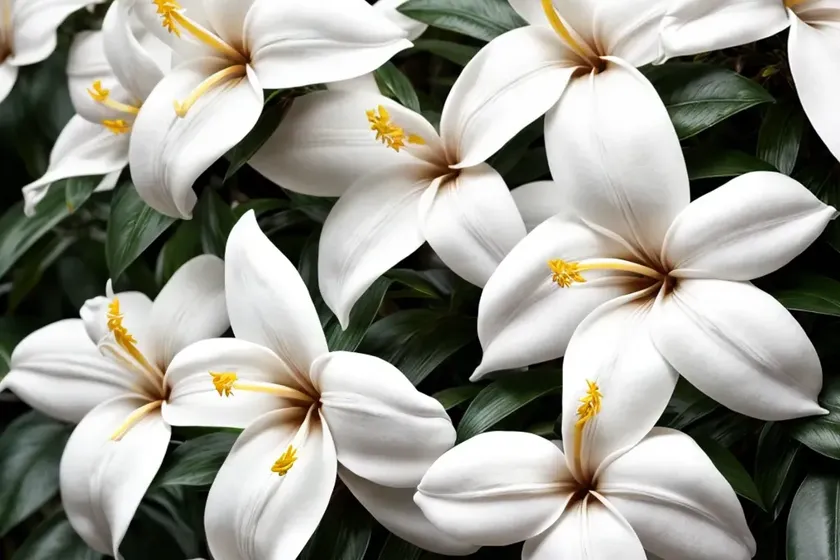
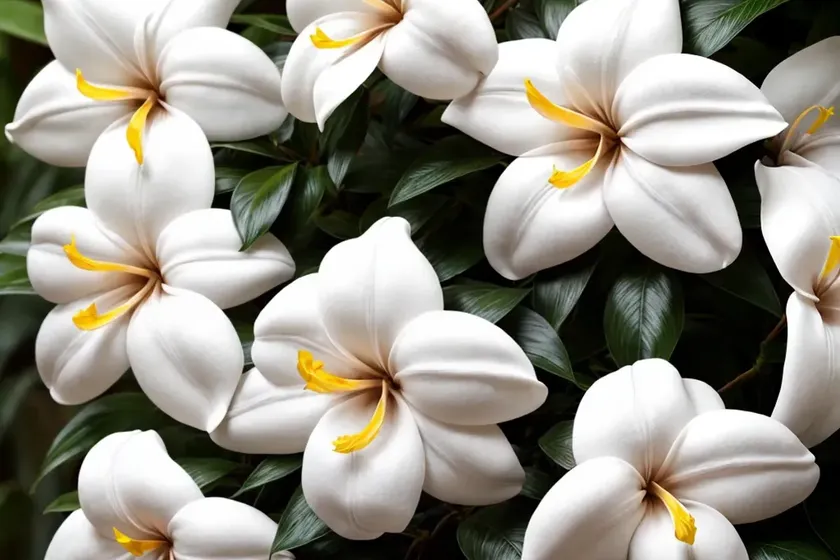
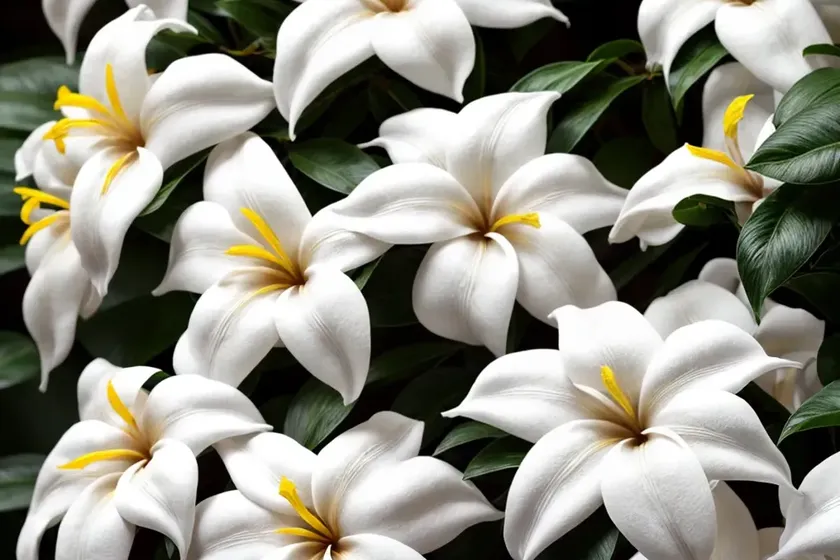
Mandevilla boliviensis, also known as White Dipladenia, is a stunning climbing plant valued for its elegant, trumpet-shaped flowers. This plant is favored by gardeners for its lush foliage, vibrant blooms, and easy-to-manage nature. In this extensive guide, we will delve into the various aspects of Mandevilla boliviensis – from its cultural requirements and propagation techniques to its common diseases and pests. Whether you’re a seasoned horticulturist or a novice plant enthusiast, this comprehensive resource will equip you with the knowledge and insights needed to cultivate and care for Mandevilla boliviensis with confidence and success.
What is Mandevilla Boliviensis (White Dipladenia)?
Mandevilla boliviensis, a member of the Apocynaceae family, is a perennial vine native to the highlands of Bolivia and Argentina. It is distinguished by its glossy green foliage and exquisite white flowers, which adorn the plant throughout the growing season. The blooms, characterized by their trumpet-like shape, exude a delightful fragrance that adds a sensory dimension to any garden or outdoor space.
The plant’s vigorous climbing habit and radiant blossoms make it a popular choice for trellises, arbors, and containers, lending a touch of tropical charm to landscapes and outdoor settings. With the right care and attention, Mandevilla boliviensis can thrive as a luxuriant vine, gracing gardens with its lush foliage and abundant, striking blooms.
Key Takeaways – Mandevilla Boliviensis (White Dipladenia)
Before delving into the specifics of cultivating and caring for Mandevilla boliviensis, let’s explore some key takeaways that encapsulate the essential aspects of this charming plant.
Cultural Aspects
- Origin: Mandevilla boliviensis is native to South America, particularly the highlands of Bolivia and Argentina.
- Family: It belongs to the Apocynaceae family, which includes a diverse array of flowering plants.
- Growth Habit: This species exhibits a vigorous climbing habit, making it ideal for trellises and other support structures.
- Flowers: The plant produces exquisite white flowers with a delightful, fragrant aroma.
Uses
- Ornamental: Mandevilla boliviensis is primarily cultivated for its ornamental value, adorning gardens and outdoor spaces with its vibrant foliage and blooms.
- Landscaping: It is an excellent choice for landscaping, adding vertical interest and a tropical ambiance to outdoor settings.
Water
- Moderate Watering: Mandevilla boliviensis prefers consistently moist soil but is susceptible to root rot in waterlogged conditions.
Sunlight
- Sun-Loving: This plant thrives in bright, indirect sunlight and requires protection from intense midday sun.
Fertilizer
- Balanced Fertilization: It responds well to regular applications of a balanced, water-soluble fertilizer during the growing season.
Soil
- Well-Draining Soil: Mandevilla boliviensis thrives in well-draining, rich, and slightly acidic soil.
Pruning
- Regular Pruning: Pruning helps manage the plant’s growth and promotes a bushier, more compact form, leading to increased flower production.
Propagation
- Cutting Propagation: Mandevilla boliviensis can be propagated from stem cuttings, allowing for the creation of new plants with desirable characteristics.
Container Popularity
- Container Gardening: Its compact growth habit makes it an excellent choice for container gardening, allowing it to grace patios, decks, and balconies with its exquisite blooms.
Common Diseases and Pests
- Disease Susceptibility: It may be vulnerable to fungal diseases such as powdery mildew and pests such as aphids and spider mites.
This succinct overview provides a glimpse into the captivating qualities and specific requirements of Mandevilla boliviensis, setting the stage for a comprehensive exploration of its care and cultivation.
Mandevilla Boliviensis (White Dipladenia) Care
Caring for Mandevilla boliviensis involves attention to various critical aspects, from watering and sunlight requirements to pruning and pest management. Let’s delve into each of these dimensions to gain a deeper understanding of how to cultivate and nurture this splendid plant.
Water
Proper watering is crucial for the health and vitality of Mandevilla boliviensis. While this plant enjoys moist soil, it is essential to strike a balance and avoid overwatering, which can lead to root rot and other moisture-related issues. Here are some key considerations for watering Mandevilla boliviensis:
- Frequency: Water the plant regularly, allowing the soil to partially dry out between waterings to prevent waterlogged conditions.
- Soil Moisture: Aim to maintain consistently moist soil without allowing the roots to sit in standing water.
- Seasonal Variations: Adjust the watering frequency according to seasonal changes, increasing water in the hotter months and reducing it during the plant’s dormant period.
Sunlight
Mandevilla boliviensis thrives in bright, indirect sunlight, making it well-suited for outdoor settings or well-lit indoor spaces. Here are essential aspects of providing the appropriate sunlight for this plant:
- Light Exposure: Provide the plant with bright, indirect sunlight, ensuring protection from intense midday sun, which can scorch the leaves.
- Indoor Placement: When grown indoors, place Mandevilla boliviensis near a sunny window with filtered sunlight to mimic its outdoor lighting requirements.
Fertilizer
Feeding Mandevilla boliviensis with a balanced fertilizer is essential for promoting healthy growth and prolific flowering. Select a suitable fertilizer and adhere to a regular feeding schedule to support the plant’s nutritional needs:
- Type of Fertilizer: Use a balanced, water-soluble fertilizer with a formula such as 10-10-10 or 20-20-20 to provide essential nutrients without promoting excessive foliage growth at the expense of blooms.
- Feeding Schedule: Apply fertilizer every two weeks during the growing season, reducing frequency during the plant’s dormant period.
Soil
The soil composition directly impacts the well-being and growth of Mandevilla boliviensis. By providing the appropriate soil conditions, you can create an optimal environment for the plant to thrive:
- Composition: Use well-draining, rich potting mix with a slightly acidic pH (6.0-6.5) to support healthy root development and nutrient absorption.
- Aeration: Incorporate perlite or coarse sand into the soil mix to enhance aeration and drainage, preventing waterlogged conditions.
Pruning
Regular pruning is an important aspect of Mandevilla boliviensis care, contributing to the plant’s overall health, shape, and flowering capacity. Proper pruning can invigorate the plant, improve its aesthetic appeal, and prevent overcrowding. Here are some key considerations for pruning this species:
- Pruning Time: Conduct pruning in late winter or early spring before the onset of new growth to encourage vigorous regrowth and blooming.
- Deadheading: Remove spent blooms regularly to promote continuous flowering and prevent seed production, which can divert energy from the plant’s growth.
- Shaping and Training: Prune to shape the plant and train its growth, guiding it along support structures to achieve an attractive form.
Propagation
Mandevilla boliviensis can be propagated through stem cuttings, allowing you to create new plants from existing ones. Propagation through cuttings enables you to preserve the desirable traits of the parent plant and expand your collection. Here’s a basic guide to propagating Mandevilla boliviensis from cuttings:
- Cutting Preparation: Take 4-6 inch cuttings from healthy, non-flowering stems, ensuring each cutting has at least two sets of leaves.
- Rooting Medium: Plant the cuttings in a well-draining rooting medium such as perlite or a mix of perlite and peat.
- Rooting Process: Keep the cuttings in a warm, humid environment with indirect light and maintain soil moisture until roots develop and the new plants are ready for transplanting.
By mastering the essential aspects of watering, sunlight provision, fertilization, soil management, pruning, and propagation, you can provide the optimal care needed for Mandevilla boliviensis to flourish and showcase its captivating beauty.
Links to External Resources
- Mandevilla Boliviensis Plant Profile – The Spruce
- Mandevilla Boliviensis Care Guide – Gardening Know How
- Mandevilla Boliviensis: A Complete Guide – Plant Care Today
- White Dipladenia Maintenance Tips – Balcony Garden Web
- Mandevilla Boliviensis Propagation Techniques – Plant Care Guide
Conclusion
Mandevilla boliviensis, with its dazzling white blooms and lush foliage, is a captivating addition to any garden or outdoor space. By understanding and implementing the appropriate cultural practices, such as watering, sunlight provision, fertilization, soil management, pruning, and propagation, you can ensure the optimal care and maintenance of this splendid plant.
Whether grown as a climber on trellises and arbors or displayed in containers as an ornamental centerpiece, Mandevilla boliviensis enriches outdoor settings with its tropical allure and graceful presence. By following the guidelines and insights provided in this comprehensive guide, you can embark on a rewarding journey of nurturing and celebrating the unparalleled beauty of Mandevilla boliviensis (White Dipladenia) in your own botanical haven.