Manchu Rose (Rosa xanthina): A Complete Guide
Welcome to our comprehensive guide on the Manchu rose, also known as Rosa xanthina. In this article, we’ll explore everything from its cultural significance to its landscaping applications, and from its medicinal uses to its propagation methods. By the end, you’ll have a deep understanding of this beautiful and versatile plant.
What is Manchu Rose (Rosa xanthina)?
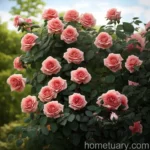
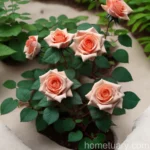
The Manchu rose, scientifically known as Rosa xanthina, is a species of wild rose native to western China. It is also commonly referred to as the Chinese yellow rose or Rosa hugonis. This deciduous shrub belongs to the Rosaceae family and is characterized by its bright yellow flowers and robust growth habit. The Manchu rose has gained popularity not only for its aesthetic appeal but also for its cultural significance and various practical uses.
Key Takeaways
Let’s first take a look at the key takeaways about Manchu rose (Rosa xanthina). This will provide an overview of the topics we’ll delve into in detail throughout this guide.
Manchu Rose (Rosa xanthina)
- Cultural Significance: The Manchu rose holds cultural significance in Chinese traditions and folklore.
- Uses: This versatile plant has been historically used for medicinal, ornamental, and practical purposes.
- Water: Understanding the water requirements for optimal growth.
- Sunlight: The ideal sunlight conditions for healthy and vibrant Manchu rose plants.
- Fertilizer: Choosing the right fertilizers to promote robust growth and prolific flowering.
- Soil: The preferred soil type and conditions for cultivating Manchu roses.
- Pruning: Techniques and timing for proper pruning to maintain plant health and shape.
- Propagation: Methods for propagating Manchu roses to expand your garden or landscape.
- Container Popularity: The suitability of growing Manchu roses in containers.
- Common Diseases: Identifying and treating diseases that can affect Manchu rose plants.
- Common Pests: Recognizing and managing pests that may harm Manchu roses.
Common Name: Manchu Rose
Scientific Name: Rosa xanthina
Other Names: Chinese Yellow Rose, Rosa hugonis
Plant Family: Rosaceae
Plant Type: Deciduous Shrub
Flower Color: Yellow
USDA Hardiness Zones: 5-9
Now, let’s delve into each of these aspects in detail.
Culture
Cultural Significance
The Manchu rose, or Rosa xanthina, holds a significant place in Chinese culture, where it has been revered for centuries. It is often associated with themes of vitality, resilience, and beauty. In Chinese folklore and literature, the yellow rose has been used as a symbol of love, happiness, and good fortune. Additionally, its prominence in traditional Chinese medicine underscores its cultural importance as a plant with medicinal properties.
Uses
Medicinal Uses
In traditional Chinese medicine, various parts of the Manchu rose plant have been utilized for their medicinal properties. The petals, leaves, and fruits contain compounds that are believed to have therapeutic benefits, including anti-inflammatory and antioxidant properties. Infusions and extracts derived from the Rosa xanthina plant have been used to address conditions such as digestive disorders, skin irritations, and respiratory ailments.
Ornamental and Landscape Uses
The vibrant yellow flowers of the Manchu rose make it a popular choice for ornamental and landscaping purposes. Its striking appearance and hardiness make it well-suited for garden beds, borders, and naturalized settings. The plant’s ability to attract pollinators adds to its appeal in garden landscapes.
Water
Water Requirements
Proper watering is essential for the healthy growth and flowering of Manchu rose plants. Understanding the water requirements of Rosa xanthina is crucial for maintaining optimal plant health. It is important to strike a balance, ensuring that the plant receives adequate moisture without being waterlogged, particularly in poorly draining soils.
Watering Guidelines for Manchu Rose (Rosa xanthina)
- Established Plants: Water deeply and less frequently, allowing the soil to dry out slightly between watering sessions.
- Newly Planted Roses: Provide regular watering to support establishment, ensuring the root ball remains consistently moist.
- Avoid Overhead Watering: Water at the base of the plant to minimize moisture on the leaves, reducing the risk of foliar diseases.
Sunlight
Sun Requirements
Manchu roses thrive in locations that receive ample sunlight. When selecting a site for planting, it is important to consider the sun exposure to ensure the plants receive the necessary light for healthy growth and abundant flowering.
Sunlight Guidelines for Manchu Rose (Rosa xanthina)
- Full Sun: Aim to plant Manchu roses in locations that receive at least 6-8 hours of direct sunlight per day for optimal flowering and overall vigor.
- Partial Shade: While the plant prefers full sun, it can tolerate some light shade, especially in regions with intense summer heat.
Fertilizer
Fertilization for Optimal Growth
Applying the right fertilizers at the appropriate times can significantly enhance the growth and flowering of Manchu rose plants. Understanding the nutritional needs of Rosa xanthina is essential for providing the necessary elements for robust and healthy development.
Fertilizer Guidelines for Manchu Rose (Rosa xanthina)
- Balanced Fertilizer: Use a balanced fertilizer with a formulation such as 10-10-10 or 5-5-5 to provide essential macronutrients.
- Application Timing: Apply fertilizer in early spring as new growth begins and again in mid-summer to support continuous blooming.
- Organic Amendments: Incorporating compost and organic matter into the soil can also provide valuable nutrients and improve soil structure.
Soil
Soil Preferences
The soil composition and structure play a vital role in the overall health and performance of Manchu rose plants. Understanding the soil preferences of Rosa xanthina is crucial for selecting appropriate planting locations and implementing soil amendments if necessary.
Soil Guidelines for Manchu Rose (Rosa xanthina)
- Well-Drained Soil: Ensure that the soil provides good drainage to prevent waterlogging, as excessively wet conditions can lead to root rot and other issues.
- pH Levels: Manchu roses generally thrive in slightly acidic to neutral soil with pH levels ranging from 6.0 to 7.0.
- Soil Amendments: Incorporating organic matter such as compost can enhance soil fertility and improve its texture, promoting healthy root development.
Pruning
Pruning Techniques
Pruning plays a crucial role in maintaining the shape, health, and flowering potential of Manchu rose plants. Proper pruning techniques can help manage overgrowth, remove damaged or diseased growth, and promote robust bloom production.
Pruning Guidelines for Manchu Rose (Rosa xanthina)
- Timing: Schedule pruning activities during the dormant season, typically in late winter or early spring before new growth emerges.
- Deadheading: Remove spent flowers to encourage continuous blooming and prevent the formation of seed pods.
- Structural Pruning: Conduct periodic structural pruning to shape the plant and remove crossing or overcrowded branches.
Propagation
Propagation Methods
Expanding your collection of Manchu rose plants can be achieved through various propagation methods. Understanding these techniques can enable you to propagate Rosa xanthina to create new plantings for your garden or share with fellow gardening enthusiasts.
Propagation Methods for Manchu Rose (Rosa xanthina)
- Softwood Cuttings: Propagate Manchu roses from softwood cuttings taken from the current season’s growth in late spring or early summer.
- Hardwood Cuttings: Utilize hardwood cuttings from mature stems taken during the dormant season for propagation.
- Division: Divide established plants during the dormant season, ensuring each division has sufficient roots and shoots to establish a new plant.
Container Popularity
Growing Manchu Roses in Containers
Manchu roses can be successfully grown in containers, allowing gardeners with limited space to enjoy the beauty and fragrance of these vibrant flowering shrubs.
Container Guidelines for Manchu Rose (Rosa xanthina)
- Container Selection: Choose large, sturdy containers with drainage holes to provide adequate space for root development and ensure proper drainage.
- Potting Mix: Use a well-draining potting mix formulated for roses or woody shrubs to support healthy growth in containers.
- Watering and Fertilization: Monitor and adjust watering and fertilization practices to accommodate the specific needs of container-grown Manchu roses.
Common Diseases
Disease Diagnosis and Management
While Manchu roses are generally resilient, they can be susceptible to certain diseases. Identifying common diseases and understanding their management is essential for maintaining the health and vitality of Rosa xanthina plants.
Common Diseases of Manchu Rose (Rosa xanthina)
| Disease | Symptoms | Management |
|---|---|---|
| Powdery Mildew | White powdery patches on leaves and stems | Improve air circulation, apply fungicidal sprays as needed |
| Black Spot | Dark spots with yellow halos on foliage | Remove and destroy affected leaves, apply fungicidal sprays |
| Rust | Rust-colored pustules on undersides of leaves | Remove and destroy infected leaves, apply fungicidal sprays |
| Botrytis Blight | Gray mold on flowers, stems, and buds | Improve air circulation, remove affected plant parts |
Common Pests
Pest Identification and Control
Being vigilant about common pests that can affect Manchu rose plants is essential for preventing infestations and minimizing potential damage.
Common Pests of Manchu Rose (Rosa xanthina)
| Pest | Symptoms | Control Measures |
|---|---|---|
| Aphids | Clusters of small, soft-bodied insects on new growth | Hose off aphids, apply insecticidal soap or neem oil sprays |
| Japanese Beetles | Shiny, metallic green beetles feeding on foliage | Handpick beetles, apply traps or insecticidal sprays |
| Spider Mites | Fine webbing and stippling on leaves | Increase humidity, apply horticultural oil sprays |
| Rose Slugs | Skeletonized leaves and dark slug-like larvae | Handpick slugs, apply insecticidal soap or pyrethrin sprays |
Botanist’s Tips
Expert Recommendations for Growing Manchu Roses
As seasoned botanists and horticulturists, we’ve compiled a set of tips to aid you in successfully growing and caring for Manchu rose (Rosa xanthina) in your garden or landscape.
Botanist’s Tips for Manchu Rose (Rosa xanthina)
- Plant Manchu roses in well-drained soil with ample sunlight for optimal growth and flowering.
- Regular watering is crucial, particularly during the establishment phase and dry periods, to support healthy root development.
- Incorporate organic matter into the soil to improve its structure and fertility, promoting overall plant health.
- Prune in late winter to early spring, removing dead or diseased growth and shaping the plant as needed to maintain its vigor.
- Monitor for common diseases and pests, implementing preventive measures and prompt treatments as necessary.
Fun Facts
Fascinating Insights about Manchu Rose (Rosa xanthina)
Explore some intriguing and lesser-known facts about the Manchu rose, shedding light on its historical, cultural, and botanical significance.
Fun Facts about Manchu Rose (Rosa xanthina)
- The Manchu rose, or Rosa xanthina, has been historically celebrated in Chinese literature and art, symbolizing resilience and joy.
- Yellow roses, including those of the Rosa xanthina species, have been associated with friendship and platonic affection in Western cultures.
- The petals of the Manchu rose have been used to create natural dyes, yielding vibrant yellow hues for various textile and craft applications.
- Manchu rose petals have also been utilized to produce fragrant essential oils used in aromatherapy and perfumery.
Links to External Resources
Further Reading and Resources on Manchu Rose (Rosa xanthina)
For additional information and insights on growing, caring, and utilizing Manchu rose plants, explore the curated selection of external resources provided below.
- American Rose Society: The American Rose Society offers a wealth of resources and articles on cultivating and appreciating roses, including species such as Rosa xanthina.
- Royal Horticultural Society: The Royal Horticultural Society provides valuable guidance on growing and maintaining roses, featuring expert advice on various rose species and cultivars.
- Missouri Botanical Garden: The Missouri Botanical Garden’s plant database offers detailed information on Rosa xanthina and its cultural and horticultural aspects.
With this comprehensive guide, you now have a wealth of knowledge about the enchanting Manchu rose (Rosa xanthina). Whether you’re planning to add this remarkable species to your garden or simply seek to deepen your understanding of its cultural and botanical significance, we hope this resource has provided valuable insights and practical tips for your horticultural endeavors.
Happy gardening!