Mammillaria Senilis (Mammillaria Senilis)
Plants, the green companions that allow us to breathe and survive, are an integral part of our environment. Among the plethora of plant species, the.
Plants, the green companions that allow us to breathe and survive, are an integral part of our environment. Among the plethora of plant species, the Mammillaria Senilis stands out as a unique and intriguing succulent. In this comprehensive guide, we will delve into the various aspects of caring for Mammillaria Senilis, also known as the Old Lady Cactus. From its natural habitat to its specific care requirements, we will cover everything you need to know to cultivate and maintain this fascinating plant.
What is Mammillaria Senilis?
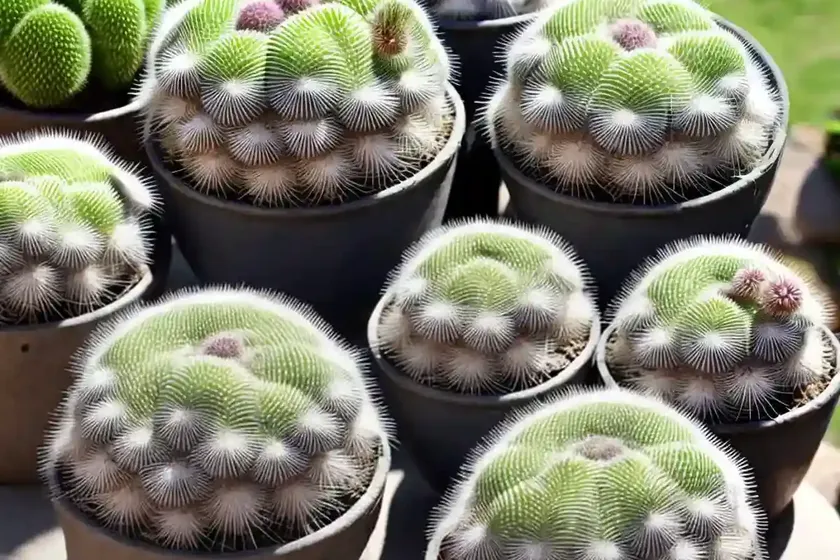
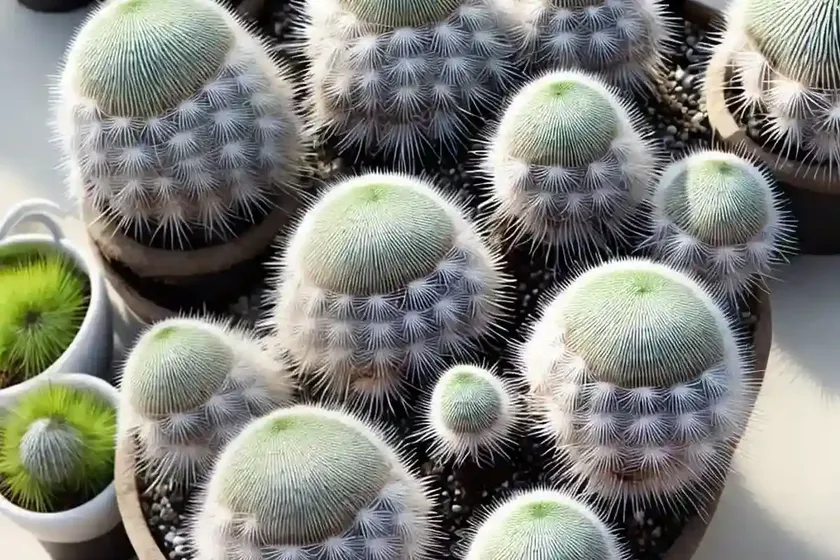
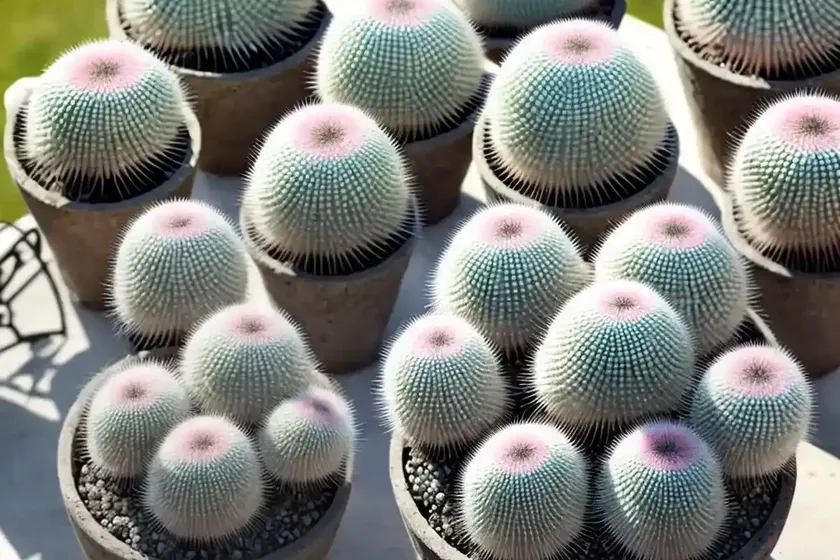
Mammillaria Senilis, commonly referred to as the Old Lady Cactus, is a species of cactus in the Cactaceae family. It is native to Mexico, specifically the states of Guanajuato and Hidalgo. This cactus is characterized by its dense covering of white, hair-like spines, giving it a distinctive “frosty” or “woolly” appearance. The cylindrical stem of the Mammillaria Senilis can reach up to 4-6 inches in height, with a diameter of around 3-4 inches. During the flowering season, which typically occurs in the spring, the Old Lady Cactus produces small, pale pink flowers that contrast beautifully with its white spines.
Key Takeaways – Mammillaria Senilis
Before we dive into the specifics of caring for Mammillaria Senilis, let’s highlight some key takeaways about this unique plant.
- Mammillaria Senilis, also known as the Old Lady Cactus, is a species of cactus native to Mexico.
- It is characterized by dense white spines that give it a fuzzy or woolly appearance.
- During the spring, it produces small, pale pink flowers.
- Proper care and maintenance are essential for the health and growth of Mammillaria Senilis, including considerations such as water, sunlight, soil, and temperature.
- Propagation of Mammillaria Senilis can be achieved through offsets, seeds, or stem cuttings.
Now that we have covered the basic introduction to Mammillaria Senilis, let’s explore the specific care requirements and cultivation techniques for this intriguing cactus.
Culture
Understanding the cultural requirements of Mammillaria Senilis is crucial for its successful cultivation. Let’s explore the key cultural considerations for this plant.
Uses
Mammillaria Senilis is primarily grown for ornamental purposes due to its unique appearance and low maintenance requirements. It is often used in succulent gardens, desert-themed landscapes, and rock gardens to add visual interest and texture. Additionally, it makes an excellent choice for potted arrangements, allowing individuals to enjoy its beauty indoors.
Water
Like many cactus species, Mammillaria Senilis has adapted to thrive in arid environments with limited water availability. It is essential to adopt a conservative watering approach to prevent issues such as root rot. During the growing season, which typically spans from spring to early fall, water Mammillaria Senilis thoroughly but allow the soil to dry out completely between waterings. In contrast, during the dormant winter months, reduce watering significantly to mimic its natural environment.
Sunlight
Mammillaria Senilis thrives in bright, direct sunlight and should be provided with ample light to support healthy growth. When grown indoors, place the cactus near a south-facing window where it can receive maximum sunlight exposure. Outdoors, ensure that it is planted in a location with full sun exposure, especially in regions with mild climates.
Fertilizer
While Mammillaria Senilis is not heavy feeder, providing it with a diluted, balanced cactus or succulent fertilizer during the growing season can help promote steady growth and flowering. Fertilize the cactus once a month during the active growing period, and refrain from fertilizing during the winter dormancy phase.
Soil
Well-draining soil is paramount for the successful cultivation of Mammillaria Senilis. Consider using a specialized cactus or succulent potting mix that offers excellent drainage capabilities. Alternatively, you can create a custom mix by combining regular potting soil with materials such as perlite, coarse sand, or pumice to enhance drainage and aeration.
Pruning
Pruning requirements for Mammillaria Senilis are minimal, primarily focused on removing any dead or decaying plant material. Use sterilized pruning tools to trim off any damaged or dried-out stems, ensuring that the cactus maintains its compact and attractive appearance.
Propagation
Mammillaria Senilis can be propagated through various methods, including offsets (pups), seeds, and stem cuttings.
Offset Propagation
One of the most common and straightforward propagation methods for Mammillaria Senilis is through the offsets it produces. These offsets, often referred to as “pups,” emerge from the base of the cactus and can be carefully removed and replanted to establish new plants. Ensure that the offsets have developed adequate root systems before detaching them from the parent plant.
Seed Propagation
For those seeking a more hands-on propagation experience, Mammillaria Senilis can be grown from seeds. Sow the seeds in a well-draining cactus mix and provide them with appropriate moisture and sunlight. Keep in mind that growing Mammillaria Senilis from seeds may take longer to produce mature plants compared to other propagation methods.
Stem Cutting Propagation
Another viable option for propagating Mammillaria Senilis is through stem cuttings. When utilizing this method, carefully remove a healthy stem segment from the main plant and allow the cut end to callous before planting it in a suitable cactus mix.
Container Popularity
Mammillaria Senilis is a popular choice for container gardening due to its compact size and appealing appearance. It thrives in containers, making it an excellent addition to indoor plant collections and succulent arrangements. When selecting a container, opt for one with drainage holes to prevent water accumulation, promoting the overall health of the cactus.
Common Diseases
While Mammillaria Senilis is relatively resilient, it is not impervious to certain diseases and issues that may affect its growth and vitality.
Disease Diagnosis
Keep an eye out for signs of common cactus ailments such as root rot, caused by overwatering or poor drainage. Symptoms of root rot include discolored, mushy, or foul-smelling roots. If detected early, addressing the issue promptly can help mitigate the damage and restore the health of the plant.
Common Pests
Mammillaria Senilis, like many cactus species, can fall victim to common pests that may infest indoor and outdoor plants.
Botanist’s Tips
To support the thriving of Mammillaria Senilis and ensure its long-term health, consider adopting the following botanist-approved tips:
- Monitor Watering Closely: Adhere to a strict watering schedule and avoid overwatering, which can be detrimental to the cactus.
- Optimize Sunlight Exposure: Provide the cactus with ample sunlight, whether grown indoors or outdoors, to promote strong growth and flowering.
- Use Well-Draining Soil: Select or create a well-draining cactus mix to provide optimal growing conditions for Mammillaria Senilis.
Fun Facts
Let’s explore some fascinating and lesser-known facts about Mammillaria Senilis:
- The white, woolly appearance of Mammillaria Senilis serves as a natural adaptation to reflect sunlight and protect the cactus from excessive heat.
- Mammillaria Senilis belongs to one of the largest cactus genera, Mammillaria, which comprises over 200 recognized species.
Links to External Resources
For further information and resources on Mammillaria Senilis, consider exploring the following links:
In conclusion, the unique characteristics and relatively low maintenance requirements of Mammillaria Senilis make it an appealing addition to any succulent collection or garden. By understanding and implementing the specific care guidelines outlined in this comprehensive guide, individuals can foster the health and vitality of this intriguing cactus, enabling it to thrive and flourish in various environments. Whether grown indoors or outdoors, Mammillaria Senilis has the potential to captivate plant enthusiasts with its striking aesthetic and resilience.