Mammillaria Hahniana (Old Lady Pincushion)
Mammillaria hahniana, commonly known as Old Lady Pincushion, is a beautiful and unique cactus that belongs to the Mammillaria genus. This plant is native.
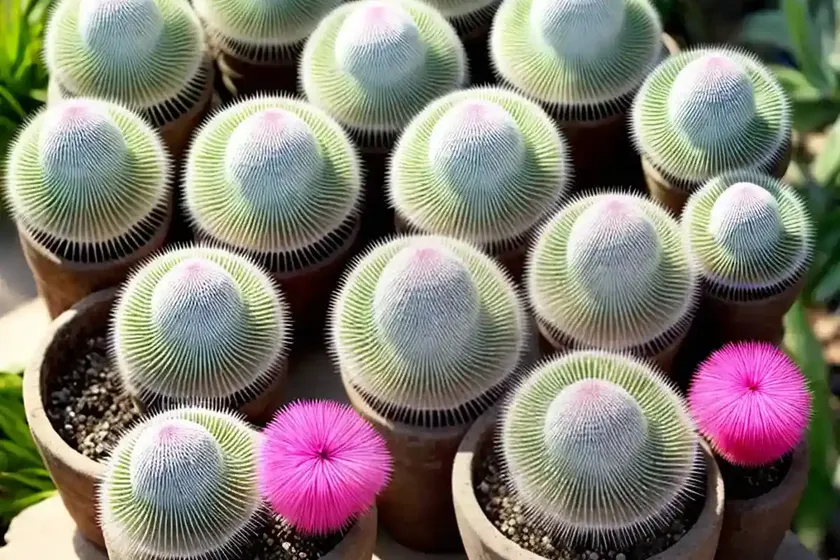
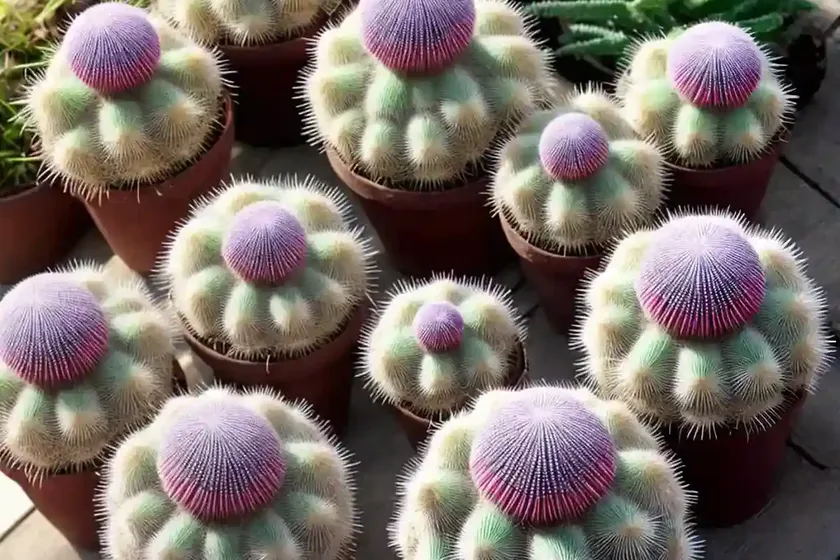
Mammillaria hahniana, commonly known as Old Lady Pincushion, is a beautiful and unique cactus that belongs to the Mammillaria genus. This plant is native to Mexico and is cherished for its eye-catching appearance and relatively low maintenance. If you’re a succulent enthusiast or just looking to add some greenery to your indoor or outdoor space, Mammillaria hahniana could be a perfect choice. In this comprehensive care guide, we will delve into every aspect of caring for this stunning plant, from its cultural requirements to common diseases and propagation techniques.
What is Mammillaria Hahniana (Old Lady Pincushion)?
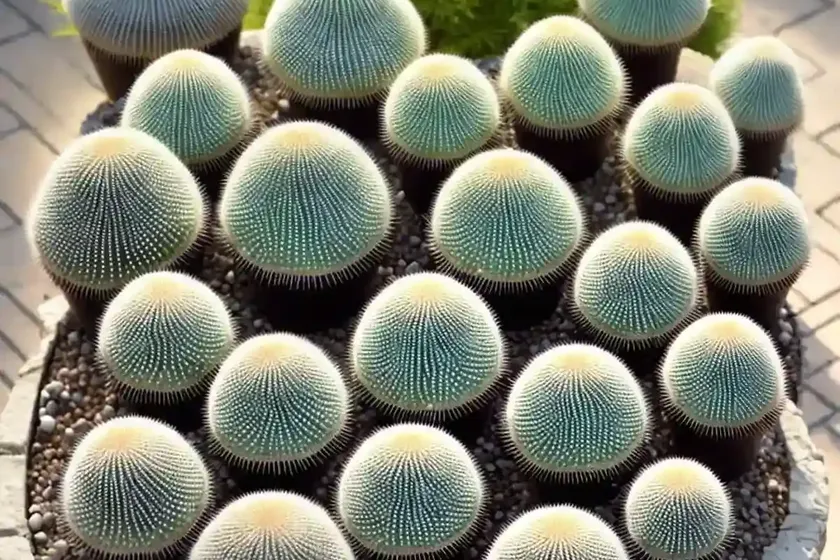
Mammillaria hahniana is a small, clumping cactus characterized by its spherical shape and dense covering of whitish radial spines. The central spines are generally reddish-brown, giving the plant a distinct appearance. During the spring, Old Lady Pincushion blooms with beautiful pink to purplish flowers, which can add a splash of color to any indoor or outdoor setting.
This cactus is a perfect choice for those who are new to succulent care due to its forgiving nature and relatively low maintenance requirements. With the right care, Mammillaria hahniana can thrive and bring joy with its unique aesthetic.
Key Takeaways – Mammillaria Hahniana (Old Lady Pincushion)
Here are the key points that we will be covering in this care guide:
- Cultural requirements
- Uses
- Watering needs
- Sunlight requirements
- Fertilization
- Soil preferences
- Pruning tips
- Propagation techniques
- Container considerations
- Popularity and Common varieties
- Common diseases and their diagnosis
- Pests and pest control
- Additional tips and fun facts
Now, let’s explore each of these aspects in detail.
Cultural Requirements for Mammillaria Hahniana
Uses
Mammillaria hahniana serves various purposes, both decorative and practical. Here are some of its uses:
- Decorative Plant: The striking appearance of the Old Lady Pincushion makes it popular as a decorative plant, both indoors and outdoors.
- Xeriscaping: Due to its low water requirements, Mammillaria hahniana is often used in xeriscaping, a landscaping technique that reduces the need for supplemental irrigation.
- Education: This cactus is also used in educational settings to teach about succulents and cacti due to its unique features and low maintenance needs.
Water
Proper watering is crucial for the health and well-being of Mammillaria hahniana. As a cactus, it is adapted to survive in arid conditions with irregular rainfall. Here are some essential guidelines for watering this plant:
- Drought-Tolerant: Mammillaria hahniana is adapted to survive periods of drought. As such, it is essential to allow the soil to dry out completely between waterings to prevent issues such as root rot.
- Summer Watering: During the active growing season in spring and summer, water the plant thoroughly when the top inch of the soil is dry to the touch. Ensure that excess water drains out of the pot to prevent waterlogged soil.
- Winter Watering: In winter, reduce watering significantly, allowing the soil to almost completely dry out between waterings. This helps mimic the plant’s natural dormancy period, promoting overall health.
Regularly monitor your Old Lady Pincushion’s watering needs, as environmental factors such as temperature and humidity can influence its water requirements.
Sunlight
Like most cacti, Mammillaria hahniana thrives in bright sunlight. Adequate light is essential for its growth and flowering. Here are some key points to consider regarding sunlight exposure:
- Indoor Care: When grown indoors, place the plant near a south or west-facing window to ensure it receives bright, indirect sunlight. Rotate the pot periodically to promote even growth.
- Outdoor Care: If grown outdoors, choose a location that provides full sun to partial shade. Ensure that the plant receives at least 6 hours of sunlight daily for optimal growth and flowering.
Avoid sudden shifts from low light to intense sunlight, as this can lead to sunburn and damage the plant. Gradually acclimate your Mammillaria hahniana to higher light levels if it has been grown in lower light conditions.
Fertilizer
Proper fertilization helps Mammillaria hahniana thrive and promote healthy growth. Here are some essential tips for fertilizing this cactus:
- Fertilizing Schedule: During the active growing season in spring and summer, feed the plant with a balanced, diluted fertilizer every 4-6 weeks. Use a fertilizer specifically formulated for cacti and succulents to provide the necessary nutrients without risking over-fertilization.
- Winter Fertilization: Reduce or completely stop fertilization during the plant’s dormant phase in winter. This allows the plant to rest and prepares it for the upcoming growing season.
Always follow the recommended dilution and frequency instructions on the fertilizer label, as over-fertilization can harm the plant.
Soil
Well-draining soil is crucial for the health and longevity of Mammillaria hahniana. The right soil mix ensures proper drainage, reducing the risk of root rot and other moisture-related issues. Consider the following tips:
- Commercial Cactus Mix: Plant Mammillaria hahniana in a well-draining commercial cactus mix or create a custom mix by combining potting soil with perlite, coarse sand, or pumice to enhance drainage.
- Avoid Waterlogged Soil: Ensure that the chosen soil mix allows excess water to drain freely and does not become compacted, which can hinder root respiration.
Periodically check the soil mix to ensure it remains well-draining and amend as needed to maintain proper moisture levels.
Pruning and Propagation
Pruning
Pruning Mammillaria hahniana is generally minimal, but it may be necessary to remove dead or damaged parts and maintain the plant’s aesthetic appeal. Here’s what you need to know about pruning this cactus:
- Deadheading: After the flowering period, you can deadhead the spent blooms to tidy up the plant and encourage new flower production in the following blooming season.
- Caution: Cacti are susceptible to infections, so always use sterilized tools when pruning to prevent the spread of diseases.
Regularly inspect your Old Lady Pincushion for any signs of damage or disease, and promptly address any issues to maintain its health.
Propagation
Mammillaria hahniana can be propagated through several methods, including offsets, seeds, and stem cuttings. Here are some guidance and an overview of the propagation process for this stunning cactus:
- Offsets (Pups): Old Lady Pincushion produces offsets, also known as pups, around its base. These can be carefully removed and potted individually to establish new plants.
- Seeds: While it may take longer to see results, Mammillaria hahniana seeds can be collected and sown to grow new plants. Keep in mind that this method requires patience and specific growing conditions to succeed.
- Stem Cuttings: In some cases, stem cuttings can be taken and rooted to create new plants. Allow the cuttings to callous before planting them in a suitable potting mix to promote root development.
Choose the propagation method that best suits your experience level and resources, and enjoy the process of creating new Old Lady Pincushion plants.
Container Considerations and Popularity
Container
When selecting a container for Mammillaria hahniana, prioritize both aesthetics and functionality. Consider the following container guidelines:
- Drainage Holes: Choose a container with drainage holes to ensure excess water can escape, preventing waterlogged soil and potential root issues.
- Material: Opt for a pot made of a breathable material, such as terracotta, to promote airflow to the roots and reduce the risk of moisture buildup.
Select a container that will accommodate the plant’s current size with some room for growth, but avoid excessively large containers, as they can retain excess moisture and lead to root rot.
Popularity and Common Varieties
Mammillaria hahniana, or Old Lady Pincushion, is a popular choice among succulent enthusiasts and is appreciated for its unique appearance and relatively low maintenance needs. While the classic Mammillaria hahniana is widely cherished, there are also variations and hybrids available within the Mammillaria genus that offer different characteristics and appeal to collectors and hobbyists.
Continue to next part…