Malva Sylvestris Var. Mauritiana ‘Zebrina’ (Zebra Mallow)
As a botanist with a passion for the diverse world of plants, I am excited to introduce you to the enchanting and versatile Malva sylvestris var..
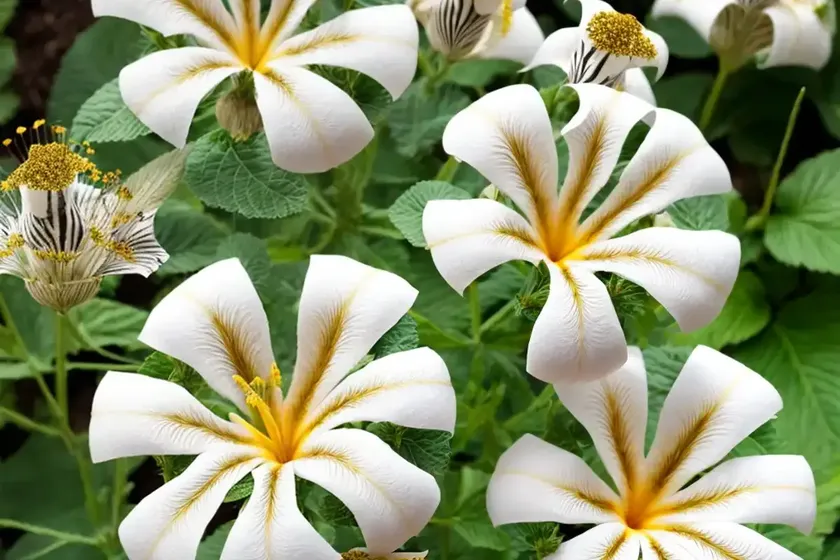
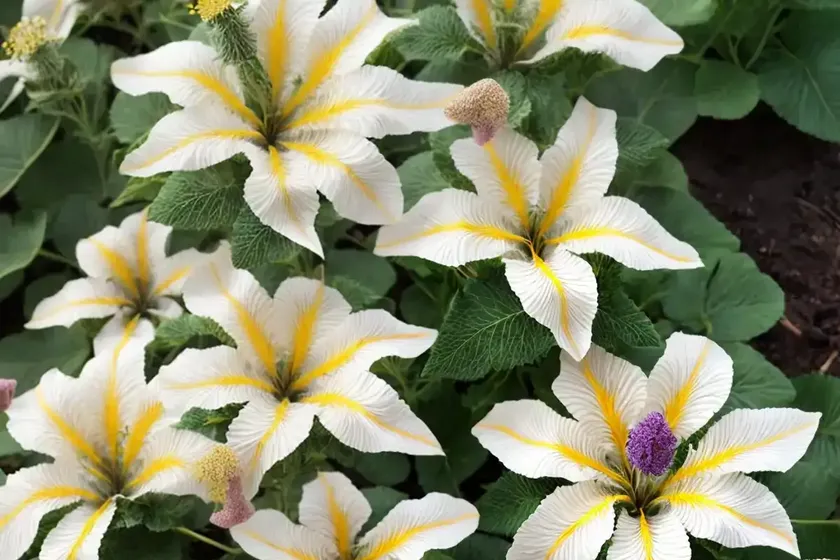
As a botanist with a passion for the diverse world of plants, I am excited to introduce you to the enchanting and versatile Malva sylvestris var. mauritiana ‘Zebrina’, more commonly known as Zebra Mallow. This unique and resilient plant belongs to the Malvaceae family and offers a multitude of uses – from ornamental purposes to medicinal applications. In this comprehensive guide, we will delve into the cultural aspects of this plant, its uses, preferred growing conditions, diseases and pests, as well as tips for propagation and care. Let’s embark on a journey through the fascinating world of the Zebra Mallow!
What is Malva sylvestris var. mauritiana ‘Zebrina’?
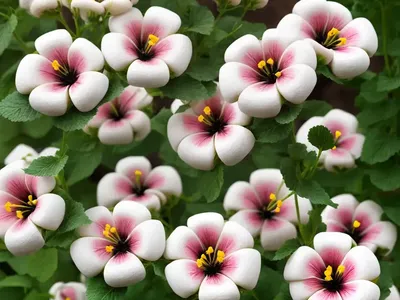
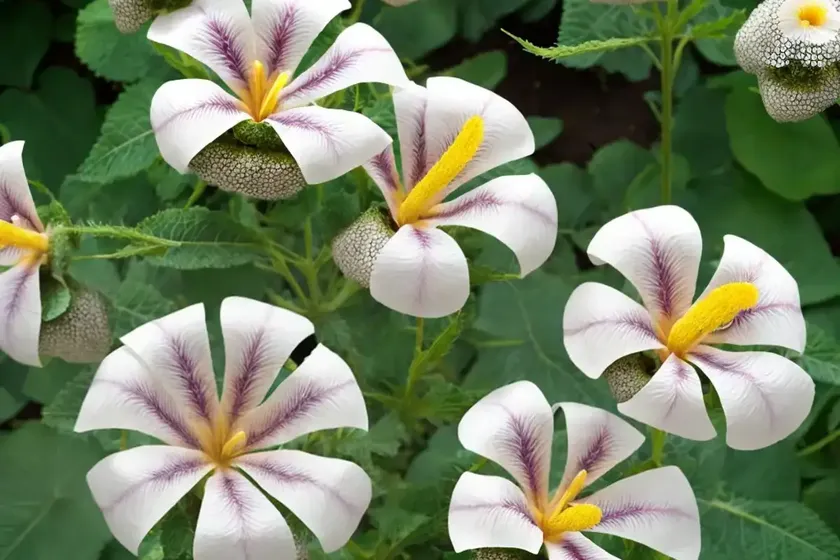
Malva sylvestris var. mauritiana ‘Zebrina’ is a striking perennial plant known for its distinctive bi-colored blooms and its ability to thrive in various environments. This cultivar is a variant of the Malva sylvestris species, which is native to Europe and Asia. The ‘Zebrina’ variety is particularly cherished for its attractive foliage and vibrant flowers, making it a popular choice for gardeners and horticulturists alike.
Key Takeaways – Malva sylvestris var. mauritiana ‘Zebrina’
Before we delve into the finer details of Zebra Mallow, here are the key takeaways about this captivating plant:
- Plant Name: Malva sylvestris var. mauritiana ‘Zebrina’ (Zebra Mallow)
- Family: Malvaceae
- Common Names: Zebra Mallow, Zebra Hollyhock
- Plant Type: Herbaceous perennial
- Native Region: Europe and Asia
- Uses: Ornamental, medicinal
- Distinctive Feature: Bi-colored blooms, attractive foliage
Now that we have an overview of the Zebra Mallow, let’s explore its cultural significance, uses, and preferred growing conditions in greater detail.
Culture
Uses
The Zebra Mallow boasts a wide range of uses, contributing to both the aesthetic appeal of gardens and landscapes as well as offering medicinal properties. Here are the primary uses of Malva sylvestris var. mauritiana ‘Zebrina’:
- Ornamental Purposes: With its eye-catching bi-colored blooms and lush foliage, ‘Zebrina’ is commonly cultivated for ornamental purposes, adding visual interest to flower beds, borders, and mixed perennial gardens.
- Medicinal Applications: The leaves of Malva sylvestris have been historically used in traditional medicine for their soothing and anti-inflammatory properties. Extracts from the plant have been utilized for treating various ailments, including respiratory and digestive issues.
Growing Conditions
Successful cultivation of Malva sylvestris var. mauritiana ‘Zebrina’ relies on providing the appropriate growing conditions to support its vigor and vitality. Let’s explore the key factors that contribute to the successful growth of Zebra Mallow.
Water
Zebra Mallow demonstrates a moderate tolerance to drought once established, making it suitable for environments with sporadic rainfall. However, regular watering is essential, especially during the initial stages of growth and flowering. When cultivating ‘Zebrina’, it is crucial to maintain consistent soil moisture, while ensuring proper drainage to prevent waterlogging.
Sunlight
This resilient perennial thrives in full sun to partial shade, exhibiting robust growth and optimal flower production in locations with ample sunlight. When selecting a site for planting, prioritize areas with at least six hours of direct sunlight to support the healthy development of Malva sylvestris var. mauritiana ‘Zebrina’.
Soil
Zebra Mallow prefers well-drained, fertile soil with a neutral to slightly alkaline pH. Additionally, the plant exhibits a degree of adaptability to different soil types, including loamy and sandy soils, as long as they offer adequate drainage. Prioritize amending heavy or compacted soils with organic matter to improve their structure and nutrient content.
Fertilizer
For Zebra Mallow, a balanced, all-purpose fertilizer applied in spring can bolster its growth and floral display. Opt for a fertilizer with a formulation such as 10-10-10 or 15-15-15, and follow the instructions provided by the manufacturer for proper application rates and techniques. It is advisable to avoid over-fertilization, as excessive nitrogen can lead to lush foliage at the expense of flower production.
Pruning
Regular pruning plays a pivotal role in maintaining the health and aesthetics of Malva sylvestris var. mauritiana ‘Zebrina’. Here are the key considerations for pruning Zebra Mallow:
- Deadheading: Removing spent blooms promotes continuous flowering and prevents the plant from diverting its energy into seed production.
- Thinning: Periodic thinning of the plant canopy encourages air circulation and reduces the risk of disease development.
- Winter Pruning: In regions with harsh winters, consider cutting back the Zebra Mallow to ground level in late fall or early spring to facilitate vigorous regrowth.
Propagation
Zebra Mallow can be propagated through various methods, including seed sowing and division. Here’s an overview of propagation techniques for Malva sylvestris var. mauritiana ‘Zebrina’:
- Seed Propagation: Start seeds indoors in early spring or sow them directly in the garden after the last frost date. Ensure good seed-to-soil contact and maintain consistent moisture for successful germination.
- Division: Divide mature clumps of Zebra Mallow in early spring to create new plants. Carefully separate the root mass and replant the divisions in suitable locations.
Container Popularity
The compact nature and ornamental appeal of Zebra Mallow make it well-suited for container gardening. When selecting containers for Malva sylvestris var. mauritiana ‘Zebrina’, prioritize options with adequate drainage holes to prevent waterlogging. Additionally, consider the following tips to optimize the container cultivation of Zebra Mallow:
- Select a well-draining potting mix with ample organic matter to support the growth of Zebra Mallow.
- Place containers in locations with sufficient sunlight to facilitate healthy development and prolific flowering.
- Monitor soil moisture levels regularly and water the plant as needed to prevent drought stress.
Now that we have explored the cultural significance, uses, and growing conditions of Zebra Mallow, let’s turn our attention to the potential challenges associated with its cultivation, including diseases and pests.
Common Diseases
Malva sylvestris var. mauritiana ‘Zebrina’ may be susceptible to certain diseases, necessitating proactive management and preventive measures to maintain its health and vigor. Here are some common diseases that may affect Zebra Mallow, along with their diagnosis and treatment approaches.
Disease Diagnosis
- Powdery Mildew: Recognized by the presence of powdery white growth on the foliage, powdery mildew can negatively impact the aesthetics and vitality of Zebra Mallow. To address this issue, consider applying fungicidal treatments or employing cultural methods such as improving air circulation around the plants.
- Leaf Spot: Characterized by dark spots on the leaves, leaf spot diseases can lead to leaf yellowing and defoliation if left unchecked. Implementing proper sanitation practices and avoiding overhead watering can aid in disease prevention.
Common Pests
While Zebra Mallow is generally resilient to pest infestations, certain insect species may pose a threat to its health and appearance. Understanding the common pests and appropriate control measures is essential for safeguarding the well-being of Malva sylvestris var. mauritiana ‘Zebrina’.
Pest Identification
- Aphids: These small, sap-sucking insects can colonize the tender growth of Zebra Mallow, potentially causing distortion and stunting. Employing natural predators, such as ladybugs, or utilizing horticultural oils can help manage aphid populations effectively.
- Spider Mites: Spider mites are known for their ability to inflict damage by piercing plant tissues and extracting fluids. Regular monitoring and early intervention using insecticidal soaps or oils can mitigate the impact of spider mites on Zebra Mallow.
Botanist’s Tips
As a botanist deeply familiar with the unique characteristics and growth requirements of Malva sylvestris var. mauritiana ‘Zebrina’, I offer the following tips to support the successful cultivation and care of this captivating plant:
- Prioritize well-drained soil and adequate sunlight to promote robust growth and prolific blooming.
- Regular deadheading and pruning can enhance the appearance and longevity of Zebra Mallow, contributing to continuous flowering.
- Monitor soil moisture levels, especially during hot and dry periods, to prevent drought-induced stress and maintain the vigor of the plant.
- Maintain proactive pest and disease management practices, including regular inspections and prompt treatment when necessary, to protect the health and aesthetics of Zebra Mallow.
Fun Facts
- The bi-colored blooms of Malva sylvestris var. mauritiana ‘Zebrina’ inspired the common name “Zebra Mallow”, reflecting the striking contrast between the petals.
- Zebra Mallow holds historical significance as a plant utilized in traditional herbal medicine for its soothing and healing properties, further enriching its cultural and medicinal value.
Links to External Resources
To further enrich your understanding of Malva sylvestris var. mauritiana ‘Zebrina’ and enhance your cultivation practices, I recommend exploring the following external resources:
- The Royal Horticultural Society – Malva sylvestris var. mauritiana ‘Zebrina’
- University of Maryland Extension – Zebra Mallow Plant Guide
- Missouri Botanical Garden – Malva sylvestris
- Perennials.com – Malva sylvestris ‘Zebrina’
With its captivating appearance, versatile uses, and cultural significance, Malva sylvestris var. mauritiana ‘Zebrina’ emerges as a captivating addition to diverse landscapes and gardens. Whether admired for its bi-colored blooms or cherished for its historical roots in traditional medicine, the Zebra Mallow stands as a testament to the enduring appeal and practical value of botanical treasures. As you venture into the realm of Zebra Mallow cultivation, may these insights and recommendations guide you towards a rewarding and enriching journey with this remarkable perennial plant.
Remember, Zebra Mallow is more than just a plant – it’s a celebration of nature’s artistry and the diverse roles that plants play in our lives. Embrace its beauty, harness its potential, and nurture the legacy of Malva sylvestris var. mauritiana ‘Zebrina’ in your own botanical pursuits.