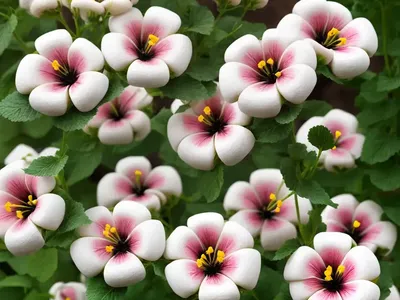
Malva Moschata F. Alba (White Musk Mallow)
Malva moschata f. alba, also known as White Musk Mallow, is a delightful flowering plant that belongs to the Malvaceae family. This perennial herb is.
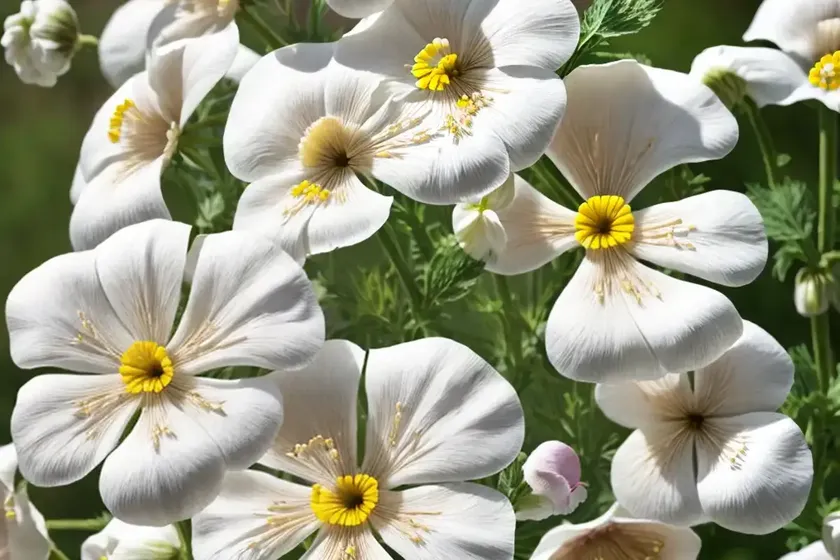
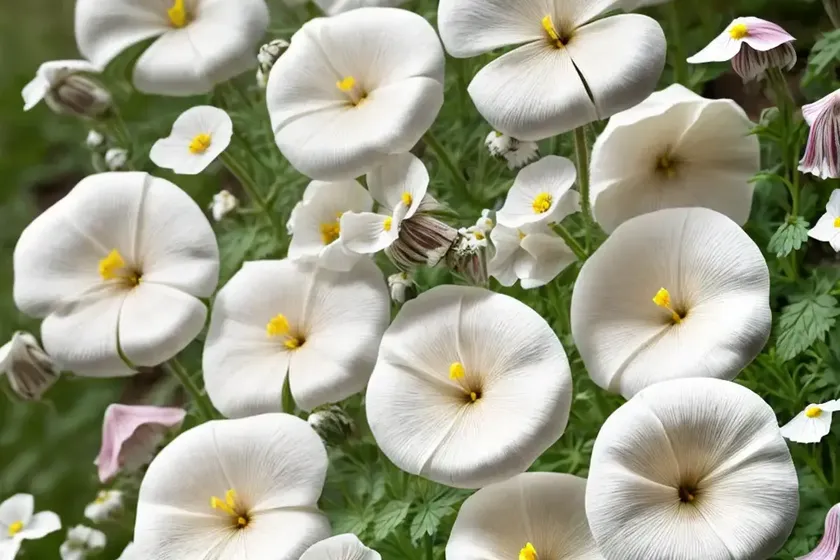
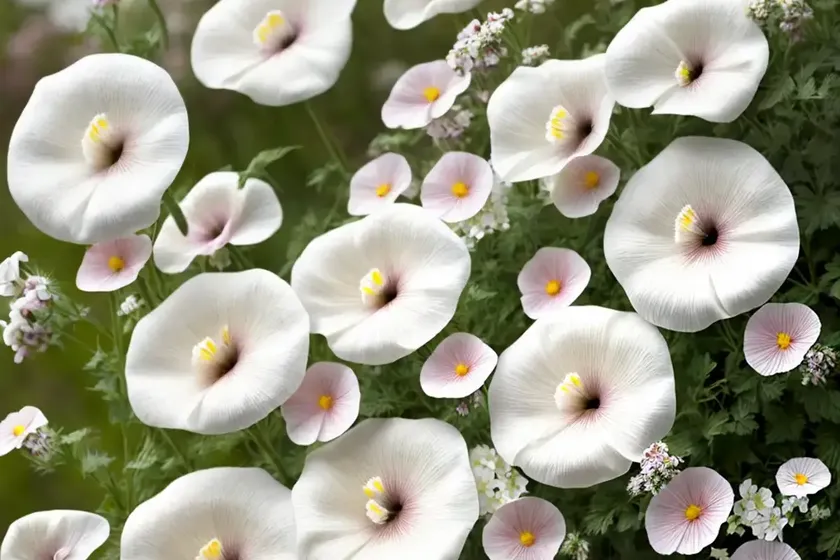
Malva moschata f. alba, also known as White Musk Mallow, is a delightful flowering plant that belongs to the Malvaceae family. This perennial herb is cherished for its elegant white flowers and its ability to thrive in various growing conditions. Whether you are a novice gardener or an experienced horticulturist, the White Musk Mallow can be a lovely addition to your garden landscape. In this comprehensive guide, we will explore the fascinating world of Malva moschata f. alba, including its culture, uses, propagation, care tips, and much more.
What is Malva moschata f. alba?
Malva moschata f. alba is a cultivar of Malva moschata, commonly known as Musk Mallow, which is native to Europe and Western Asia. This variety is prized for its stunning white flowers, which bloom during the summer months, attracting pollinators such as bees and butterflies to the garden. The plant’s delicate appearance and its adaptability to different growing conditions make it a popular choice for gardens, landscapes, and even container gardening.
Key Takeaways
Below are the key takeaways that will be discussed in detail in this blog post:
- Malva moschata f. alba Characteristics: Understanding the unique attributes of White Musk Mallow.
- Culture: Exploring the cultural requirements of Malva moschata f. alba.
- Uses: Discovering the various uses of White Musk Mallow in gardens and beyond.
- Water: Understanding the water needs of Malva moschata f. alba for optimal growth.
- Sunlight: Exploring the sunlight requirements for cultivating White Musk Mallow.
- Fertilizer: Identifying the appropriate fertilization practices for this plant.
- Soil: Understanding the soil preferences of Malva moschata f. alba.
- Pruning: Learning about the pruning techniques to maintain the plant’s shape and health.
- Propagation: Exploring the methods of propagating White Musk Mallow.
- Container Popularity: Understanding its suitability for container gardening.
- Common Diseases: Identifying potential diseases that may affect Malva moschata f. alba.
- Pests: Learning about common pests that may infest the plant.
- Botanist’s Tips: Insights from botanists on cultivating and caring for White Musk Mallow.
- Fun Facts: Interesting and lesser-known facts about Malva moschata f. alba.
- Links to External Resources: Curated links for additional information on White Musk Mallow.
Culture
Cultivating and caring for Malva moschata f. alba entails understanding and satisfying its cultural requirements. Let’s delve into the various aspects of culture that contribute to the successful growth of White Musk Mallow.
Water
Water is essential for the growth and development of Malva moschata f. alba, especially during the initial stages of planting and establishment. It is important to strike a balance, as overwatering can lead to root rot, while underwatering may cause the plant to wilt and suffer.
Watering Tips:
– Early Establishment: During the initial stages after planting, ensure that the soil is consistently moist but not waterlogged. This encourages healthy root development.
– Established Plants: Once the plant is established, water deeply but infrequently to promote deep root growth and drought tolerance. Aim for approximately 1 inch of water per week, either from rainfall or manual watering.
– Avoid Overhead Watering: When irrigating White Musk Mallow, direct the water at the base of the plant to minimize the risk of foliar diseases.
Sunlight
White Musk Mallow thrives in full sun to partial shade, making it a versatile addition to various garden settings. Adequate sunlight is crucial for promoting abundant flowering and maintaining the plant’s overall vigor.
Sunlight Requirements:
– Full Sun: Plant Malva moschata f. alba in an area that receives at least 6-8 hours of direct sunlight each day for optimal growth and blooming.
– Partial Shade: In regions with intense summer heat, providing some afternoon shade can protect the plant from heat stress while still allowing for ample sunlight in the morning.
Fertilizer
While Malva moschata f. alba is relatively low-maintenance, it can benefit from a balanced fertilizer application to support healthy growth and prolific flowering. However, it is essential to administer fertilizers judiciously to prevent overstimulation, which may lead to excessive foliage at the expense of flowers.
Fertilization Guidelines:
– Timing: Apply a balanced, all-purpose fertilizer in early spring, before the onset of the plant’s active growth phase.
– Frequency: A single annual application is often adequate for established plants. Avoid excessive fertilization, as it may result in leggy growth and reduced flowering.
– Organic Options: Consider organic fertilizers or compost as an alternative to synthetic products, promoting sustainable and environmentally friendly gardening practices.
Soil
The soil composition and structure significantly influence the health and performance of Malva moschata f. alba. Understanding the plant’s soil preferences is crucial for creating an optimal growing environment.
Soil Preferences:
– Well-Drained Soil: White Musk Mallow thrives in well-drained soil that prevents waterlogging and root suffocation.
– pH Level: The ideal soil pH for Malva moschata f. alba ranges from slightly acidic to neutral (pH 6.0-7.0), enabling efficient nutrient uptake and utilization.
– Soil Amendments: Incorporate organic matter such as compost or well-rotted manure to enhance soil fertility and structure, promoting robust growth and bloom production.
Uses
Malva moschata f. alba offers a myriad of uses and benefits, ranging from aesthetic appeal to medicinal applications. Understanding these diverse uses can enhance the appreciation for this versatile plant species.
Aesthetic Value
As an ornamental flowering plant, White Musk Mallow contributes to the visual appeal of gardens, landscapes, and naturalistic plantings. Its delicate white flowers, which often have a subtle musky fragrance, add a touch of elegance to any outdoor setting.
Garden Borders: Planting White Musk Mallow along garden borders imparts a soft, romantic charm while attracting beneficial pollinators, augmenting the overall garden ecosystem.
Cut Flowers: The long stems of Malva moschata f. alba make it an excellent candidate for cut flower arrangements, infusing indoor spaces with its graceful blooms and fragrance.
Medicinal Properties
Beyond its ornamental value, White Musk Mallow has historically been utilized for its medicinal properties. The plant contains phytochemical compounds that are attributed with various therapeutic benefits.
Traditional Medicinal Uses: In traditional herbal medicine, infusions or extracts of White Musk Mallow have been employed to alleviate respiratory ailments, soothe irritated mucous membranes, and provide mild anti-inflammatory effects.
Modern Research: While further scientific studies are needed to substantiate its medicinal efficacy, Malva moschata f. alba continues to garner interest as a potential source of bioactive compounds with pharmaceutical relevance.
Wildlife Habitat
The flowers of White Musk Mallow serve as a nectar source for pollinators, attracting bees, butterflies, and other beneficial insects to the garden. Supporting pollinator populations contributes to the overall ecological balance and biodiversity of the surrounding environment.
Butterfly Gardens: Including White Musk Mallow in butterfly gardens and pollinator-friendly landscapes can foster a thriving habitat for these winged visitors, enhancing the ecological sustainability of the garden.
Wildlife Gardens: In naturalistic or wildlife-friendly gardens, Malva moschata f. alba can act as a beacon for diverse wildlife species, enriching the landscape with their presence and activity.
Pruning
Pruning is an essential aspect of maintaining the health, appearance, and longevity of Malva moschata f. alba. Proper pruning practices can encourage new growth, shape the plant, and mitigate the risk of disease and pest infestations.
Pruning Techniques:
– Deadheading: Remove spent blooms regularly to prolong the flowering period and stimulate the production of new flower buds. This process also prevents the plant from expending energy on seed formation, directing it towards vegetative and reproductive growth.
– Thinning: Periodically thin out overcrowded stems and branches to improve air circulation and light penetration within the canopy, reducing the susceptibility to fungal diseases.
– Rejuvenation: In early spring, consider rejuvenating mature Malva moschata f. alba plants by trimming them back to promote vigorous new growth and a compact, bushy form.
Propagation
The propagation of White Musk Mallow can be achieved through several methods, allowing for the expansion of plant populations and the sharing of its beauty with others.
Propagation Techniques:
1. Seed Propagation: Harvest ripe seeds from the plant and sow them directly in prepared garden beds or containers. Maintain adequate moisture and warmth to facilitate germination.
2. Division: Divide established clumps of Malva moschata f. alba in early spring or late autumn, ensuring that each division retains healthy roots and shoots for successful establishment.
3. Softwood Cuttings: Take softwood cuttings from young, healthy shoots in late spring or early summer. Prepare the cuttings with a rooting hormone and place them in a well-draining rooting medium to develop roots.
Propagation Notes: Regardless of the chosen method, it is prudent to provide appropriate care and attention to the propagated specimens to facilitate their seamless integration into the garden or landscape.
Container Popularity
White Musk Mallow’s adaptability and aesthetic appeal also make it a sought-after choice for container gardening, catering to individuals with limited outdoor space or those seeking to add floral accents to patios, balconies, or outdoor living areas.
Container Gardening Considerations:
– Container Selection: Choose well-draining containers of adequate size to accommodate the root system and proportionate to the plant’s ultimate size. Terra cotta, resin, or wooden containers are suitable options.
– Potting Mix: Utilize a high-quality, well-draining potting mix with added organic matter to ensure optimal growth and moisture retention.
– Watering Regimen: Container-grown Malva moschata f. alba may require more frequent watering, especially during hot and dry periods, due to the limited soil volume.
– Placement: Position the containers in locations that receive adequate sunlight while providing protection from excessive heat or strong winds. Consider the plant’s growth habit and potential height when determining placement.
Common Diseases
Despite its resilience, Malva moschata f. alba may be susceptible to certain diseases, particularly under conditions of poor air circulation, excessive moisture, or environmental stress. Being aware of these potential diseases enables prompt intervention and management.
Common Diseases:
1. Powdery Mildew: This fungal disease manifests as a powdery white coating on the leaves, often occurring in humid, stagnant air conditions. Improve air circulation, and consider fungicidal treatments as needed.
2. Leaf Spot: Circular lesions with dark margins may develop on the leaves due to various fungal pathogens. Maintain good sanitation and promptly remove and dispose of affected plant parts to limit the spread of the disease.
3. Root Rot: Overly wet or poorly drained soil can lead to root rot, resulting in wilting, stunted growth, and yellowing foliage. Adjust watering practices and improve soil drainage to mitigate this issue.
Disease Diagnosis
Evaluating the symptoms and signs exhibited by an ailing Malva moschata f. alba is integral to accurately diagnosing and addressing potential diseases. Close observation and prompt action are pivotal in managing plant health effectively.
Diagnostic Considerations:
– Visual Inspection: Scrutinize the plant for abnormal leaf discoloration, spotting, wilting, and other visual cues that deviate from its typical appearance.
– Environmental Analysis: Consider environmental factors such as humidity levels, soil moisture, and air circulation, as these can influence disease development and progression.
– Professional Consultation: Seek guidance from local extension services, plant clinics, or experienced horticulturists if uncertain about disease identification or treatment options.
Common Pests
Various pests may target Malva moschata f. alba, posing potential threats to its health and vitality. Recognizing these pests and implementing suitable control measures is crucial for safeguarding the plant from infestations.
Pest Profiles:
1. Aphids: These small, soft-bodied insects may colonize the tender shoots and buds of White Musk Mallow, sucking sap and excreting honeydew. Consider natural predators, insecticidal soaps, or horticultural oils for aphid control.
2. Japanese Beetles: The adults of these beetles feed on the foliage, resulting in skeletonized leaves and aesthetic damage. Manual removal, traps, or neem oil-based products can aid in managing Japanese beetle populations.
3. Spider Mites: These tiny arachnids can cause stippling and discoloration of the foliage, particularly in hot and dry conditions. Ensure adequate watering and employ predatory mites or insecticidal miticides to combat spider mite infestations.
Botanist’s Tips
Insights and recommendations from botanists and plant experts can provide valuable guidance for cultivating and caring for White Musk Mallow, enriching the gardening experience and promoting the plant’s optimal performance.
Expert Tip: “When planting Malva moschata f. alba in the garden or landscape, prioritize a site that receives morning sun and partial afternoon shade, especially in regions with intense summer heat. This ensures an equilibrium of light exposure, preventing excessive stress on the plant while promoting robust growth and abundant flowering.”
Fun Facts
Uncover some delightful and intriguing facts about Malva moschata f. alba that showcase its exceptional charm and significance in horticulture and beyond.
- Symbolic Significance: In the language of flowers, White Musk Mallow symbolizes innocence, purity, and tranquility, making it an ideal choice for ornamental arrangements with symbolic connotations.
- Culinary Heritage: The petals of White Musk Mallow are edible and can be used as a decorative addition to salads, desserts, and beverages, offering a touch of delicacy and aesthetic appeal to culinary creations.
- Folklore Connections: In traditional folklore and herbalism, Malva moschata f. alba was esteemed for its association with healing and protection, featuring in various myths and ancient lore as a symbol of benevolent virtues and mystical properties.
Links to External Resources
For further exploration and comprehensive information on Malva moschata f. alba, refer to the following curated external resources:
- Royal Horticultural Society – Malva moschata
- University of Maryland Extension – Musk Mallow Fact Sheet
- Missouri Botanical Garden – Malva moschata Information
- American Society for the Prevention of Cruelty to Animals (ASPCA) – Toxic and Non-Toxic Plants: Musk Mallow
- United States Department of Agriculture – Plant Profile: Malva moschata
In conclusion, Malva moschata f. alba, or White Musk Mallow, captivates with its delicate white blooms, versatile uses, and adaptability to diverse growing conditions. Whether adorning garden borders, attracting pollinators, or gracing container gardens, this charming perennial plant continues to enchant gardening enthusiasts and nature enthusiasts alike. By understanding its cultural requirements, propagation techniques, disease management strategies, and more, individuals can foster the thriving growth of Malva moschata f. alba while appreciating its enduring beauty and ecological contributions.
As gardeners and plant enthusiasts, embracing the allure of White Musk Mallow enriches our horticultural experiences and underscores the inimitable splendor of the natural world.
This comprehensive blog post is authored by Plant Scientist for the enrichment and education of gardening aficionados, horticulturists, and nature enthusiasts. We celebrate the botanical marvels that grace our world while promoting sustainable and holistic approaches to plant care and cultivation. Join us in cultivating curiosity, growth, and appreciation for the green wonders that surround us.