The Common Maidenhair Fern (Adiantum Aethiopicum)
In the realm of botany, the fascination with plants extends beyond their aesthetic appeal. Exquisite foliage, intricate root systems, and various growth patterns make every plant species a subject of profound interest. Among the diverse array of plant varieties, the Common Maidenhair Fern (Adiantum Aethiopicum) stands out as an enchanting and resilient species. This blog post aims to explore the nature of the Common Maidenhair Fern, shedding light on its unique characteristics, growing requirements, and its role in horticulture and beyond.
What is a Plant?
Before delving into the specifics of the Common Maidenhair Fern, it is essential to understand the fundamental nature of plants. Plants, as a kingdom in the biological classification system, encompass a myriad of living organisms that typically produce their own food through the process of photosynthesis. They are characterized by their cellulose cell walls, lack of mobility, and the presence of chlorophyll for capturing light energy.
Plants play a vital role in the Earth’s ecosystems, serving as primary producers and providing oxygen through the process of photosynthesis. They also contribute significantly to the aesthetic appeal of natural landscapes and human-designed gardens, enriching the environment and influencing cultural practices and traditions.
Common Maidenhair Fern (Adiantum Aethiopicum): Key Takeaways
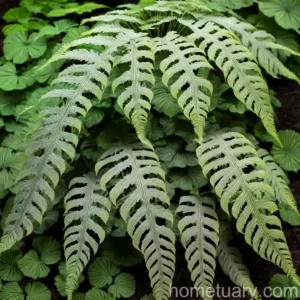
The Common Maidenhair Fern, scientifically known as Adiantum Aethiopicum, is a delightful perennial fern species that belongs to the genus Adiantum. Renowned for its delicate, fan-shaped fronds and its ability to thrive in various conditions, this fern has captured the attention of horticulturists, botanists, and gardening enthusiasts worldwide. Its distinct characteristics and versatile nature make it a compelling subject for exploration. Let’s delve into the key aspects of Common Maidenhair Fern, encompassing its culture, uses, and essential care requirements.
Culture
The culture of the Common Maidenhair Fern encompasses a broad spectrum of considerations that are crucial for its successful growth and development. From its origins to its ecological preferences, understanding the cultural aspects of this fern is fundamental for its cultivation.
Origin and Natural Habitat
The Common Maidenhair Fern is native to regions such as Australia, New Zealand, and some Pacific Islands, where it thrives in moist, shaded areas. This fern is typically found growing on forest floors, rock crevices, and along stream banks, demonstrating its affinity for humid and sheltered environments. Understanding its natural habitat provides valuable insights into recreating optimal growing conditions for this species in cultivation.
Ecological Preferences
Adiantum Aethiopicum exhibits a preference for well-draining, nutrient-rich soil and moderate moisture levels. It flourishes in shaded or partially shaded areas, making it an excellent choice for gardens with dappled sunlight or indoor spaces with limited direct sun exposure. These ecological preferences mirror the conditions found in its natural habitat, underscoring the importance of replicating such settings for its successful cultivation.
Uses
The versatile nature of the Common Maidenhair Fern transcends conventional horticultural boundaries, offering an array of practical and aesthetic uses. From landscaping to therapeutic applications, this fern adds value and beauty to diverse settings.
Horticultural Ornament
With its graceful, lacy fronds and elegant growth habit, the Common Maidenhair Fern serves as an exquisite ornamental plant. Whether as a standalone specimen in a garden or as part of a mixed planting scheme, its lush foliage and delicate appearance contribute to a soft, naturalistic aesthetic. Its use in landscaping and garden design reflects its ornamental appeal and its ability to create serene and lush environments.
Therapeutic Applications
Beyond its visual allure, the Common Maidenhair Fern holds therapeutic significance in traditional medicine and herbal practices. Certain cultures have utilized parts of the fern for medicinal purposes, attributing various properties to its constituents. While modern scientific research is ongoing to explore these potential uses, the historical and cultural significance of the fern in traditional healing practices adds an intriguing dimension to its overall utility.
Water
Proper watering is essential for the health and vitality of the Common Maidenhair Fern. The fern’s moisture requirements, watering techniques, and strategies for maintaining optimal hydration levels are key elements in its care regimen.
Moisture Requirements
Adiantum Aethiopicum thrives in consistently moist, but not waterlogged, soil. This fern favors a humid environment and benefits from regular watering to maintain adequate moisture levels in its root zone. However, it is important to avoid overwatering, as waterlogged conditions can lead to root rot and other detrimental effects. Striking a balance in moisture management is crucial for sustaining the fern’s well-being.
Watering Techniques
When watering the Common Maidenhair Fern, it is advisable to apply water at the base of the plant, ensuring that the soil is thoroughly moistened without creating standing water on the surface. Watering frequency may vary depending on environmental factors such as temperature, humidity, and the moisture retention capabilities of the soil. Observing the fern’s response to watering and adjusting the frequency and volume of water accordingly helps in achieving optimal hydration.
Humidity Considerations
In addition to direct watering, maintaining adequate humidity levels in the surrounding environment is beneficial for the Common Maidenhair Fern. This is particularly relevant when cultivating the fern indoors or in arid climates. Humidity can be augmented through methods such as misting, grouping plants together to create microclimates, or utilizing humidity trays to provide a conducive atmosphere for the fern’s growth.
Sunlight
The light requirements of the Common Maidenhair Fern are an integral aspect of its care, influencing its growth, appearance, and overall vigor. Understanding its preferences for sunlight exposure facilitates the creation of suitable growing conditions.
Light Preferences
Adiantum Aethiopicum thrives in filtered or indirect sunlight, making it well-suited for shaded areas or spots with gentle, dappled sunlight. Exposure to intense, direct sunlight should be avoided, as it can lead to leaf scorch and desiccation. The fern’s optimal growth occurs in environments where it receives adequate light without being subjected to harsh or prolonged sun exposure.
Indoor Cultivation
For indoor cultivation, placing the Common Maidenhair Fern near north or east-facing windows where it can benefit from the soft, indirect light is advisable. This positioning allows the fern to thrive in indoor environments while receiving sufficient light for its photosynthetic needs. Supplemental lighting may be considered in settings where natural light is limited, ensuring that the fern continues to receive the appropriate light levels for sustained growth.
Fertilizer
Fertilization plays a vital role in supporting the growth and development of the Common Maidenhair Fern, providing essential nutrients for its foliage and root system. Understanding the principles of fertilization and selecting suitable products are crucial for optimizing the fern’s nutritional requirements.
Nutrient Needs
Adiantum Aethiopicum benefits from a balanced fertilizer regimen aimed at providing essential macronutrients and micronutrients. As a shade-loving plant, the fern’s nutrient requirements may differ from those of sun-loving species, emphasizing the need for tailored fertilization approaches. Nitrogen, phosphorus, and potassium, along with trace elements such as iron and manganese, contribute to the overall health and vibrancy of the fern.
Fertilizer Application
Applying a granular or liquid fertilizer formulated for ferns and other shade-loving plants is recommended. A diluted, balanced liquid fertilizer can be administered at regular intervals during the growing season, following the manufacturer’s instructions regarding application rates and frequency. Care should be taken to avoid excessive fertilization, as this can lead to nutrient imbalances and potential damage to the fern’s delicate root system.
Seasonal Considerations
Adjusting the fertilization schedule to align with the Common Maidenhair Fern’s growth cycles is essential. During the active growing season, typically from spring to early autumn, the fern can benefit from regular applications of fertilizer to support its lush foliage production. As the growth rate may attenuate during the colder months, reducing or ceasing fertilization during this period allows the fern to undergo a natural slowdown in metabolic activity.
Soil
The choice of soil and its composition significantly influences the well-being of the Common Maidenhair Fern. Understanding the ideal soil type, pH considerations, and strategies for maintaining soil quality is instrumental in fostering optimal growth conditions for the fern.
Soil Type
Adiantum Aethiopicum thrives in well-draining, organically rich soil with a loamy or sandy texture. The soil should have good moisture retention capabilities while allowing excess water to drain freely. A balanced soil composition that provides aeration, water permeability, and nutrient retention supports the fern’s root development and overall vitality. Avoiding heavy, compacted soils that impede drainage is crucial for the fern’s health.
pH Considerations
The Common Maidenhair Fern favors slightly acidic to neutral soil pH in the range of 5.5 to 7.0. Maintaining an appropriate pH level facilitates the efficient uptake of essential nutrients by the fern’s roots, promoting robust growth and resilience to environmental stressors. Amending overly alkaline or acidic soils with organic matter or pH-adjusting supplements helps in creating an optimal growing medium for the fern.
Soil Quality Maintenance
Regular assessment of soil quality and structure is essential in maintaining an optimal growing environment for the Common Maidenhair Fern. Periodic soil testing, amending with organic compost, and addressing any issues related to compaction or nutrient deficiencies contribute to the long-term health and vigor of the fern. Monitoring soil moisture levels and ensuring proper drainage further supports the fern’s well-being.
Pruning
Pruning is an integral aspect of Common Maidenhair Fern care, encompassing the removal of old or damaged fronds, enhancing the fern’s appearance, and maintaining its overall health.
Frond Maintenance
As a deciduous fern, the Common Maidenhair Fern exhibits a pattern of frond growth and senescence. Pruning older, yellowing, or damaged fronds is essential for promoting new growth and preventing the accumulation of spent foliage. Careful removal of fronds, particularly those that exhibit signs of disease or pest infestation, contributes to the fern’s aesthetic appeal and minimizes potential sources of stress.
Aesthetic Shaping
Pruning also allows for the shaping and grooming of the fern, promoting a tidy, well-balanced appearance. Trimming back excessively long or unruly fronds helps in maintaining a compact growth habit and prevents the fern from appearing untidy or overgrown. Attention to detail in pruning contributes to the overall visual appeal of the fern, especially in cultivated landscapes and indoor settings.
Propagation
The propagation of the Common Maidenhair Fern involves the generation of new plants from existing specimens, allowing for the expansion of its presence in gardens and horticultural settings. Understanding the methods and techniques for fern propagation elucidates opportunities for nurturing new growth.
Division
Division is a common method for propagating Adiantum Aethiopicum, involving the separation of established clumps or rhizomes into individual plant sections. This technique is typically performed during the early spring, when the fern is exhibiting active growth and is poised for new development. Careful division of the rhizomes, ensuring that each section retains viable roots and fronds, paves the way for successful propagation.
Spore Propagation
The Common Maidenhair Fern also lends itself to propagation through spores, showcasing its unique reproductive capabilities. Spores, found on the undersides of mature fronds in structures called sori, can be collected and utilized to initiate the cultivation of new ferns. Creating a conducive environment for spore germination, such as through the use of a suitable substrate and consistent moisture levels, facilitates the propagation process.
Container Popularity
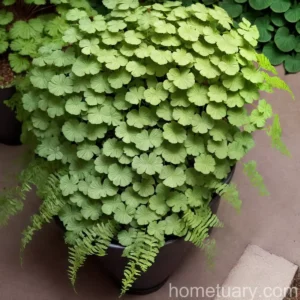
The Common Maidenhair Fern’s popularity as a container plant stems from its compact size, graceful appearance, and adaptability to indoor environments. Cultivating the fern in containers offers flexibility in placement and allows for its integration into various design schemes.
Indoor Display
Adorning indoor spaces with the lush foliage of the Common Maidenhair Fern enhances the visual appeal and introduces elements of natural greenery. Placing the fern in decorative containers, such as ceramic pots or hanging baskets, elevates its presence as a striking ornamental element. Its suitability for indoor cultivation positions it as a favored choice for container gardening enthusiasts and interior decorators alike.
Versatile Placement
The fern’s adaptability to containers enables its integration into diverse settings, from office interiors to residential balconies and patios. Its tolerance for shaded environments suits indoor spaces with limited natural light, contributing to its widespread appeal as a potted plant. Its ability to thrive in containers of varying sizes and styles facilitates creative arrangements and design flexibility.
Common Diseases
While the Common Maidenhair Fern possesses resilience in the face of environmental challenges, it is susceptible to certain diseases that warrant attention. Understanding the common diseases affecting the fern and implementing proactive measures for disease management are critical for maintaining its health.
Fungal Infections
Fungal diseases, such as leaf spot and root rot, pose potential threats to the Common Maidenhair Fern, particularly in conditions conducive to moisture retention and poor air circulation. Symptoms may manifest as dark spots on fronds, wilting foliage, or a general decline in the fern’s overall vigor. Proper moisture management, adequate spacing between plants, and the use of fungicidal treatments when necessary aid in mitigating fungal infections.
Bacterial Issues
Bacterial infections, though less common, can impact the Common Maidenhair Fern, leading to symptoms such as leaf discoloration, soft rot, and stunted growth. Addressing issues related to sanitation, water management, and the timely removal of affected foliage promotes a healthy growing environment and reduces the risk of bacterial diseases.
Disease Diagnosis
Accurate diagnosis of diseases affecting the Common Maidenhair Fern is pivotal in implementing effective treatment strategies and preventing the spread of ailments. Recognizing the symptoms, understanding causal agents, and seeking professional guidance when needed contribute to the fern’s long-term well-being.
Symptom Recognition
Vigilance in observing the fern for any signs of distress, including changes in foliage color, texture, or overall vitality, aids in early disease detection. Leaf abnormalities, wilting, or unusual growth patterns may serve as indicators of underlying health issues. Regular monitoring of the fern’s appearance supports prompt intervention in the event of disease emergence.
Professional Consultation
In cases where disease symptoms are ambiguous or persistent, consulting with plant health professionals, horticulturists, or local extension services can provide valuable insights. Expert input regarding disease diagnosis, treatment options, and preventive measures adds an additional layer of support in preserving the health of the Common Maidenhair Fern.
Common Pests
Pest infestations pose challenges to the well-being of the Common Maidenhair Fern, necessitating vigilance and proactive measures to safeguard it from potential harm. Familiarizing oneself with the common pests affecting the fern and deploying targeted pest management approaches is vital for its protection.
Aphids
Aphids, tiny sap-sucking insects, may target the undersides of the fern’s fronds, consuming plant juices and causing distortion of foliage. Their presence may also lead to the development of sooty mold, further impacting the fern’s health. Introducing natural predators, such as predatory insects or employing organic insecticidal treatments, offers effective control measures against aphid infestations.
Mealybugs
Mealybugs, characterized by their cottony, waxy appearance, can infest the Common Maidenhair Fern, resulting in stunted growth and weakening of the plant. Regular inspections of the fern, manual removal of visible mealybugs, and the application of horticultural oils serve as prudent pest management practices. Maintaining optimal growing conditions and promoting the fern’s natural resilience aids in reducing susceptibility to mealybug attacks.
Botanist’s Tips
Aspiring to cultivate the Common Maidenhair Fern effectively and sustain its thriving presence calls for insights from botanists and experts who have garnered valuable experience with this enchanting species. Their tips and recommendations offer guidance for achieving success in nurturing this fern.
Observational Care
Engaging in attentive, observational care is paramount when tending to the Common Maidenhair Fern. Regularly monitoring the fern for changes in appearance, hydration needs, and overall health allows for responsive adjustments and the early identification of potential issues. Developing a keen eye for the fern’s growth patterns and natural behaviors enhances the quality of care provided.
Graceful Maintenance
Approaching the maintenance of the Common Maidenhair Fern with a gentle, graceful touch aligns with the fern’s delicate nature. Pruning, watering, and grooming the fern with care and precision minimizes stress and promotes an outward expression of vitality and elegance. Thoughtful, deliberate actions contribute to the fern’s long-term well-being and aesthetic appeal.
Customized Care
Recognizing the nuance of individual fern specimens and tailoring care practices to their specific needs enriches the cultivation experience. Factors such as variations in light exposure, moisture retention, and growth patterns warrant personalized attention. Adapting care strategies to accommodate these nuances fosters a deeper connection with the fern and supports its continued flourishing.
Fun Facts
Amidst the practical considerations of Common Maidenhair Fern care, a collection of engaging and intriguing fun facts adds a layer of fascination and appreciation for this captivating plant species.
- The name “Maidenhair” in the fern’s common name is derived from the fine, hair-like appearance of its fronds, evoking an image of delicacy and grace.
- In some cultures, the Common Maidenhair Fern is associated with symbolism related to grace, purity, and delicate beauty, reflecting its aesthetic allure and cultural significance.
- The fern’s intricate rhizome system, responsible for anchoring the plant and absorbing nutrients, showcases a remarkable example of natural engineering and adaptation to diverse environments.
Links to External Resources
Exploring the world of the Common Maidenhair Fern extends beyond the confines of this blog post. For comprehensive insights, expert guidance, and additional information, the following external resources serve as valuable reservoirs of knowledge:
- American Fern Society
- Royal Horticultural Society – Maidenhair Ferns
- Gardening Australia – How to Grow Maidenhair Ferns
- University of Florida IFAS Extension – Ferns and Allies
- Missouri Botanical Garden – Adiantum Aethiopicum
The Common Maidenhair Fern (Adiantum Aethiopicum) captivates the imagination with its grace, resilience, and ornamental allure, offering a compelling subject for exploration and cultivation. Embracing the holistic nature of the fern, encompassing its culture, care, and broader significance, enriches the experience of those who appreciate and engage with this enchanting plant.
In the convergence of botany, horticulture, and aesthetic appreciation, the Common Maidenhair Fern stands as a testament to the enduring allure and significance of plant life, inviting enthusiasts and admirers to immerse themselves in its captivating world.
Photo by Annie Spratt on Unsplash
*Remember to always verify the specific care requirements for individual plant species from reliable sources and