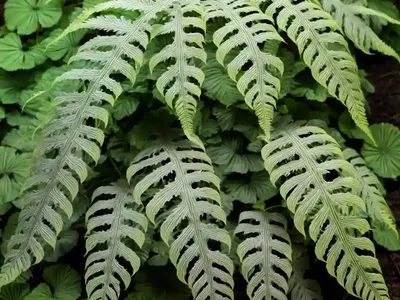
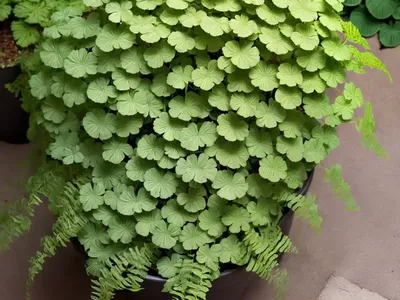
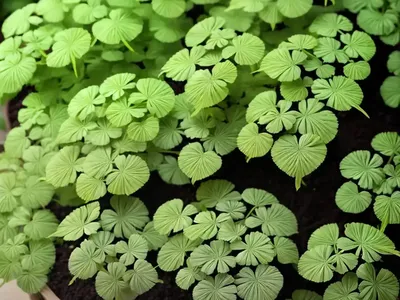
Maiden Hair Fern (Adiantum)
Maiden Hair Fern, scientifically known as Adiantum, is a delicate and beautiful plant with intricate leaves that capture the attention of plant enthusiasts.
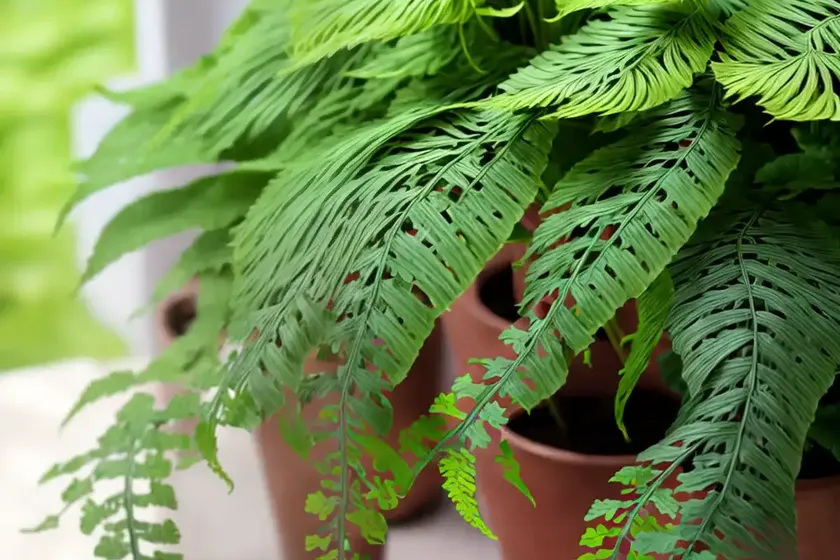
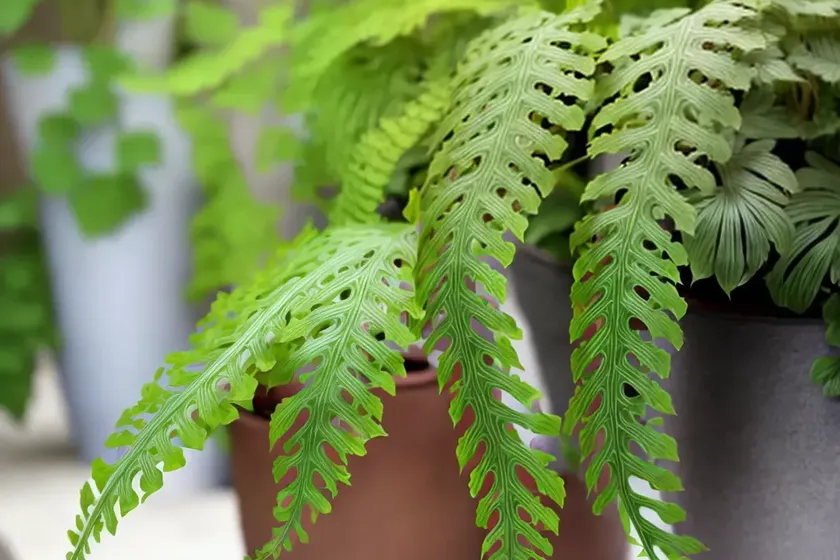
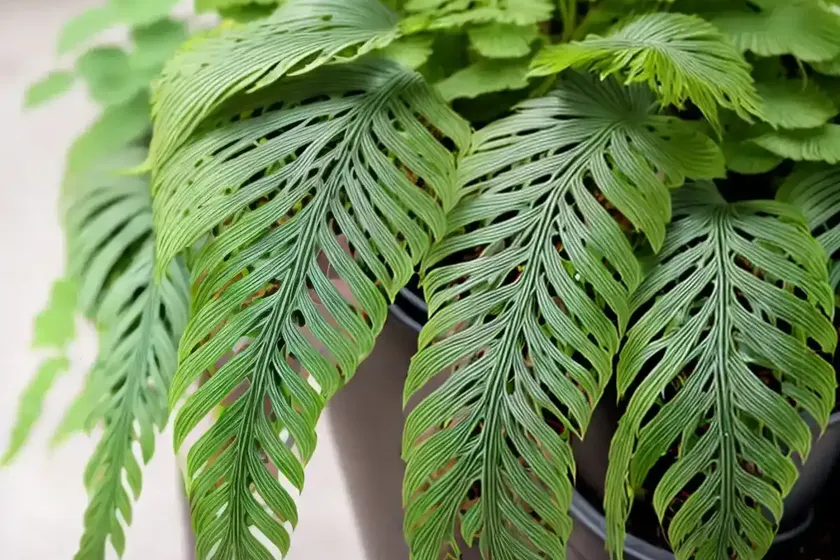
Maiden Hair Fern, scientifically known as Adiantum, is a delicate and beautiful plant with intricate leaves that capture the attention of plant enthusiasts and botanists alike. Its graceful appearance and unique characteristics make it a popular choice for both indoor and outdoor gardening, offering a touch of elegance to any space. In this comprehensive guide, we will explore the cultivation, care, and various uses of the Maiden Hair Fern, delving into its requirements, propagation methods, common diseases, and much more.
What is Plant: Maiden Hair Fern (Adiantum)
Adiantum, commonly referred to as the Maiden Hair Fern, encompasses a genus of over 250 species, predominantly found in tropical and subtropical regions across the globe. The name “Maiden Hair” is derived from the fine, hair-like appearance of the plant’s delicate fronds, which contribute to its ethereal and enchanting allure. These ferns are characterized by their distinct fan-shaped leaves, often held on wiry, dark stems, radiating a sense of sophistication and charm.
Key Takeaways – Maiden Hair Fern (Adiantum)
Before we delve into the detailed aspects of the Maiden Hair Fern, it’s essential to provide a concise overview of its key takeaways. This section serves as a quick reference point for those seeking fundamental information about this exquisite plant.
- Scientific Name: Adiantum
- Common Name: Maiden Hair Fern
- Genus: Adiantum
- Family: Pteridaceae
- Origin: Worldwide distribution, with a primary presence in tropical and subtropical regions.
- Characteristics: Delicate, fan-shaped leaves; wiry, dark stems; graceful appearance; ideal for indoor and outdoor cultivation.
- Uses: Ornamental plant, air purifier, landscaping, terrariums, and traditional medicine.
- Challenges: Prone to specific diseases and pests, sensitive to environmental conditions.
Now that we’ve established a brief introduction to the Maiden Hair Fern, let’s explore the intricate details of its culture, growth requirements, uses, and potential challenges.
Culture
Cultivating Maiden Hair Ferns entails a distinct set of cultural practices and considerations, including factors such as water requirements, sunlight exposure, fertilizer application, and soil preferences. Understanding the plant’s cultural needs is pivotal to its overall health and vitality.
Uses
Indoor Cultivation
Maiden Hair Ferns are commonly grown as indoor houseplants, adding a touch of elegance and natural beauty to interior spaces. Their lush foliage and graceful demeanor make them ideal candidates for shaded corners, bathrooms, or terrariums, where they can thrive in a humid and sheltered environment.
- Water: Maintain consistent moisture levels without overwatering. Use a well-draining potting mix to prevent waterlogging, and water when the top layer of soil begins to dry out.
- Sunlight: Prefers bright, indirect light or dappled shade. Direct sunlight can scorch the delicate foliage, leading to leaf burn and browning.
- Fertilizer: Apply a balanced liquid fertilizer at half-strength every 2-4 weeks during the growing season (spring and summer). Refrain from feeding during the dormant period.
- Soil: Well-draining, rich, and moisture-retentive soil mix comprising peat moss, perlite, and compost.
Outdoor Cultivation
In outdoor settings, Maiden Hair Ferns can thrive in sheltered gardens, under the shade of trees, or as part of a naturalistic woodland landscape. Their delicate fronds and subtle movement in the breeze add a sense of tranquility and softness to the garden environment.
- Water: Regular watering is essential, especially during dry spells or periods of high temperatures. Mulching around the base can help in conserving soil moisture.
- Sunlight: Partial to full shade. Protect from harsh midday sun, as prolonged exposure can lead to leaf damage and wilting.
- Fertilizer: Apply a balanced, slow-release fertilizer in spring to support the plant’s growth and development.
- Soil: Moist, well-draining soil with an abundance of organic matter. Amending the soil with compost or leaf mold can enhance its moisture retention and fertility.
Water
Proper watering practices play a vital role in ensuring the health and vigor of Maiden Hair Ferns. Understanding the plant’s moisture requirements and implementing a suitable watering regimen is imperative for preventing issues such as dehydration or waterlogging.
- Indoor Care: Water when the top inch of the potting mix feels slightly dry to the touch. Aim to maintain consistent moisture levels without allowing the soil to dry out entirely.
- Outdoor Care: Monitor soil moisture levels and adjust watering frequency based on weather conditions. Apply water directly to the soil to prevent excessive moisture on the foliage, which can lead to fungal diseases and rot.
Sunlight
Maiden Hair Ferns exhibit a pronounced preference for shaded or dappled light, thriving in environments with subdued sun exposure. Providing appropriate sunlight conditions is crucial to preventing leaf damage and ensuring the plant’s overall well-being.
- Indoor Placement: Position near windows that receive indirect light or in areas with subdued brightness. A northern or eastern exposure is often ideal, as it provides gentle morning light without the intensity of direct sun.
- Outdoor Environment: Choose shaded or partially shaded locations for outdoor cultivation, such as under the canopy of trees or in sheltered garden beds.
Fertilizer
Supplemental feeding with a balanced fertilizer can aid in sustaining the Maiden Hair Fern’s growth and vitality, especially during the active growing season. However, it’s essential to exercise caution and moderation when applying fertilizers to prevent potential damage to the plant’s delicate root system.
- Indoor Application: Use a water-soluble, balanced fertilizer at half-strength every 2-4 weeks during the growing season. Dilute the fertilizer to avoid overwhelming the plant with concentrated nutrients.
- Outdoor Application: Apply a slow-release fertilizer in spring, gently working it into the soil around the plant. Refrain from excessive feeding, as it can lead to salt buildup and adverse effects on the fern’s health.
Soil
Selecting an appropriate soil mix is integral to fostering an ideal growing environment for Maiden Hair Ferns, promoting robust root development and maintaining adequate moisture levels. The composition of the soil directly influences the plant’s ability to harness essential nutrients and water.
- Indoor Medium: Choose a well-draining potting mix rich in organic matter, such as peat moss, perlite, or compost. These components contribute to moisture retention while preventing waterlogging.
- Outdoor Environment: Amend the soil with organic matter, such as compost or leaf mold, to enhance its fertility and moisture-retaining capacity. Ensure good drainage to prevent water stagnation.
Pruning
Pruning is an essential aspect of Maiden Hair Fern care, enabling the removal of damaged or unsightly fronds and promoting the plant’s overall aesthetics and vigor. Proper pruning practices contribute to the fern’s long-term health and appearance.
- Dead Frond Removal: Regularly inspect the fern for any discolored, dried, or damaged fronds, and carefully prune them back at the base of the stem. Use clean, sharp scissors or pruning shears to minimize stress and damage to the plant.
- Shaping and Grooming: To maintain a neat and compact appearance, selectively trim overgrown or straggly fronds to encourage a balanced and uniform growth habit.
Propagation
The propagation of Maiden Hair Ferns allows for the expansion of one’s fern collection or the sharing of these elegant plants with others. Several methods can be employed to propagate Adiantum, each offering its unique approach and potential for success.
Spore Propagation
Maiden Hair Ferns reproduce through spores, which are produced on the undersides of their fronds. Harnessing spores for propagation requires a level of patience and precision, as it involves sowing these microscopic reproductive structures to initiate the growth of new ferns.
- Spore Collection: Select mature, brownish-colored fronds and carefully collect the spores using a paper bag or envelope.
- Propagation Medium: Prepare a suitable germination medium, such as a mixture of peat moss and perlite, and sterilize it to minimize the risk of microbial contamination.
- Sowing Spores: Sprinkle the collected spores evenly across the surface of the germination medium, ensuring uniform distribution.
- Covering and Moisturizing: Enclose the sown spores in a clear plastic container or cover to maintain high humidity levels. Mist the medium regularly to keep it moist but not waterlogged.
- Germination and Transplanting: Monitor the propagation medium for signs of spore germination, and once the young ferns develop, carefully transplant them into individual containers.
Division
Division serves as a straightforward and effective method for propagating Maiden Hair Ferns, allowing for the separation of established clumps into smaller sections, each capable of developing into a new plant.
- Established Plants: Select mature, healthy Maiden Hair Ferns with robust root systems, ideally during the active growing season.
- Root Division: Carefully lift the plant from its container or the ground, and gently tease apart the root mass into manageable segments, ensuring that each division has an adequate number of fronds and roots.
- Replanting: Plant the divided sections in their desired containers or locations, ensuring that they receive appropriate care and attention to encourage establishment and growth.
Container Popularity
Maiden Hair Ferns exhibit a notable popularity as container plants, being well-suited for indoor cultivation in pots, hanging baskets, and terrariums. Their graceful appearance and adaptability to confined spaces make them sought-after choices for those seeking to incorporate greenery into interior settings.
- Potted Plants: Cultivating Maiden Hair Ferns in pots allows for greater flexibility in placement, enabling individuals to adorn various spaces with these elegant ferns.
- Hanging Baskets: Suspended growth of the ferns in hanging baskets adds a dynamic and visually appealing element to interiors, particularly when the delicate fronds cascade gracefully over the sides of the container.
- Terrariums: The compact size and humidity requirements of Maiden Hair Ferns render them ideal candidates for inclusion in enclosed terrarium environments, where they can thrive within a controlled microclimate.
Common Diseases
Despite their ethereal beauty, Maiden Hair Ferns are susceptible to specific diseases and ailments, requiring vigilance and prompt intervention to maintain their health and longevity. Understanding these potential issues is crucial for preemptive care and effective management.
Disease Diagnosis
Identifying and diagnosing common diseases affecting Maiden Hair Ferns equips growers with the knowledge needed to implement suitable remedies and prevent the spread of ailments throughout their fern collection.
- Leaf Spotting: Fungal infections can cause the appearance of dark or water-soaked spots on the fern’s fronds, leading to leaf discoloration and deterioration.
- Powdery Mildew: The development of a powdery white coating on the leaves, often accompanied by leaf distortion and malformation, signifies the presence of powdery mildew.
- Foliar Erosion: Overwatering and poor air circulation can contribute to foliar erosion and rot, resulting in the decay of the fern’s delicate foliage.
Common Pests
Several pests pose potential threats to the well-being of Maiden Hair Ferns, necessitating proactive measures to monitor and manage their populations effectively.
- Spider Mites: These minute pests can infest the undersides of the fern’s fronds, causing stippling, webbing, and overall decline in plant health.
- Aphids: Aphid infestations may lead to stunted growth, wilting, and the presence of sticky honeydew on the fern’s foliage, attracting secondary pests such as ants.
- Scale Insects: Scale insects can latch onto the stems and fronds of the fern, sapping its vital juices and impeding its growth.
Botanist’s Tips
Experienced botanists and gardening enthusiasts often share invaluable insights and tips for successfully cultivating and caring for Maiden Hair Ferns. Drawing from their expertise can offer practical guidance and enhance one’s approach to fern cultivation.
- Humidity Management: Maintaining adequate humidity levels, especially for indoor plants, is crucial to the overall well-being of Maiden Hair Ferns. Consider utilizing humidity trays, room humidifiers, or grouping plants to create a microclimate conducive to fern growth.
- Watering Techniques: Avoid overwatering and waterlogged conditions by allowing the soil to partially dry out between watering sessions. Consistent moisture, without saturation, promotes healthy root development and foliage vigor.
- Environmental Control: Shield ferns from drafts, temperature extremes, and sudden fluctuations, as these factors can induce stress and compromise their vitality. Stable, moderate conditions foster optimal growth and resilience.
- Grooming and Pruning: Regularly inspect and groom the ferns, removing any unsightly or damaged fronds to maintain their visual appeal and redirect energy towards healthy growth.
Fun Facts
Embracing the enchanting world of Maiden Hair Ferns extends beyond their cultivation and care, inviting individuals to discover intriguing and captivating fun facts about these delightful plants.
- Symbolism: In various cultures and traditions, Maiden Hair Ferns symbolize sincerity, grace, and the embrace of nature’s tranquility, infusing spaces with a sense of calm and purity.
- Medicinal Uses: Certain species of Adiantum have been utilized in traditional medicine for their purported therapeutic properties, ranging from treating respiratory ailments to promoting hair health.
- Terrarium Delight: The compact size and frond delicacy of Maiden Hair Ferns make them prized additions to terrariums, contributing to the lush, woodland aesthetic within these enclosed glass environments.
Links to External Resources
For those seeking additional insights, advice, and resources on Maiden Hair Ferns, the following links point to credible and informative sources offering comprehensive guidance and expertise.
- American Fern Society
- The Royal Horticultural Society (RHS): Growing Maidenhair Ferns
- Gardening Know How: Maidenhair Fern Growing and Care
- University of Florida IFAS Extension: Maidenhair Fern
Conclusion
The allure of Maiden Hair Ferns extends far beyond their delicate foliage and graceful presence, encompassing a rich tapestry of culture, care, and botanical significance. By understanding the nuances of their cultivation, the challenges they may face, and the plethora of uses they offer, individuals can embrace the rewarding experience of nurturing and appreciating these captivating ferns. With an array of propagation methods, practical insights, and the charm they bring to diverse settings, Maiden Hair Ferns stand as remarkable botanical gems, enchanting and inspiring all who encounter them.
Through the dissemination of knowledge, appreciation, and thoughtful care, the timeless appeal of Maiden Hair Ferns persists, captivating hearts and spaces with their ethereal elegance, nurturing the human spirit and connecting us to the beauty of the natural world.