Magnolia salicifolia (Anise Magnolia): A Comprehensive Guide to Cultivation and Care
Magnolia salicifolia, commonly known as Anise Magnolia, is a species of flowering plant that belongs to the family Magnoliaceae. This striking plant is esteemed for its unique characteristics and has captured the interest of gardening enthusiasts and horticulturists alike. In this extensive guide, we will delve into the various aspects of Magnolia salicifolia, covering its culture, uses, care requirements, as well as maintenance practices. Whether you’re a novice gardener or a seasoned botanist, this detailed resource will equip you with the knowledge to successfully cultivate and nurture this captivating plant.
What is Magnolia salicifolia (Anise Magnolia)?
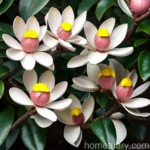
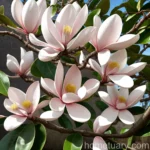
Magnolia salicifolia, originating from Southeastern China, is a deciduous tree that reaches a height of around 6 to 10 meters. It boasts elongated, willow-like leaves, and produces an abundance of fragrant, creamy-white flowers that add elegance to any landscape. The flowers of the Anise Magnolia are renowned for their distinctive scent, reminiscent of anise or a hint of vanilla, thereby giving it its common name.
Key Takeaways – Magnolia salicifolia (Anise Magnolia)
Before we delve into the intricate details of cultivating and caring for Magnolia salicifolia, let’s outline the key takeaways of this remarkable plant:
- Cultural Uses: Magnolia salicifolia is cherished for its ornamental value, serving as an exquisite focal point in gardens, parks, and avenues.
- Water Requirements: This species thrives in moist, well-drained soil and exhibits moderate water needs, especially during its establishment phase.
- Sunlight: Anise Magnolia flourishes in full to partial sunlight, requiring at least 4 to 6 hours of direct sunlight daily for optimal growth and blooming.
- Fertilization: While not overly demanding, Magnolia salicifolia benefits from a balanced fertilizer application in the early spring to support healthy growth and prolific flowering.
- Soil Preferences: It prefers slightly acidic to neutral, humus-rich soil, presenting a preference for loamy, well-draining substrates with good moisture retention.
- Pruning: Minimal pruning is required, primarily to maintain its shape and remove dead or damaged branches.
- Propagation: Anise Magnolia can be propagated through seeds or semi-hardwood cuttings, offering gardeners flexibility in expanding their plant collection.
- Container Popularity: Due to its manageable size, it is well-suited for container gardening, allowing individuals with limited space to enjoy its beauty.
- Common Diseases: Anise Magnolia is susceptible to leaf spot and other fungal diseases, necessitating proper cultural practices and vigilant monitoring.
- Common Pests: While relatively pest-resistant, occasional infestations by scale insects and aphids may occur, warranting proactive pest management.
With these key points in mind, let’s delve into the intricacies of cultivating and nurturing Magnolia salicifolia to ensure its thriving presence in your outdoor space.
Culture
Magnolia salicifolia, also known as the Willow-Leafed Magnolia, is revered for its exceptional ornamental value, accentuating landscapes with its alluring presence and fragrant blooms. Understanding its cultural uses and requirements is pivotal for successfully integrating it into diverse garden settings.
Uses
The Anise Magnolia embodies versatility in its applications, offering an array of uses that contribute to its allure in horticulture and landscaping:
- Ornamental Focal Point: As an ornamental tree, Magnolia salicifolia serves as an enchanting focal point in gardens, courtyards, and public spaces, captivating onlookers with its remarkable beauty and fragrance.
- Avenue Planting: This species is well-suited for avenue plantings and tree-lined pathways, creating a picturesque environment with its prolific flowering and elegant foliage.
- Wildlife Habitat: The fragrant blooms of Anise Magnolia attract pollinators, such as bees and butterflies, enlivening the garden ecosystem and promoting biodiversity.
- Fragrant Gardens: Its distinctive anise-scented flowers make it a sought-after addition to fragrant gardens, enriching outdoor spaces with its alluring aroma.
- Specimen Tree: Whether as a standalone focal point in a garden or as part of a curated landscape design, Magnolia salicifolia thrives as a specimen tree, commanding attention with its elegant form and captivating blooms.
Equipped with insights into its versatile uses, it’s essential to comprehend the fundamental requirements for nurturing this captivating plant.
Water
Water is a fundamental element for the thriving growth and development of Magnolia salicifolia. Understanding its water requirements and the nuances of proper irrigation practices is essential to ensure its vigor and blooming potential.
Water Needs
The Anise Magnolia displays moderate water needs, particularly during its establishment phase and prolonged dry spells. Adequate moisture is critical for fostering healthy growth and robust flowering, making attentive irrigation pivotal for its well-being.
Key considerations for watering Magnolia salicifolia include:
- Establishment Phase: During the initial stages of planting, consistent watering is essential to facilitate root establishment and mitigate transplant shock. Aim to keep the soil evenly moist, avoiding waterlogged or excessively dry conditions.
- Seasonal Variation: Adapting the watering regimen based on seasonal changes is crucial. While supplemental watering is often necessary during dry spells, it’s imperative to avoid overwatering, especially in heavy or poorly draining soils.
- Soil Moisture Monitoring: Regularly monitor the soil moisture levels, especially during warmer months, to ascertain the need for irrigation. Utilize moisture meters or conduct manual assessments to gauge soil moisture content effectively.
By maintaining a balanced approach to watering and tailoring the irrigation practices to suit its evolving needs, you can foster a flourishing Magnolia salicifolia in your garden.
Sunlight
Ample sunlight is a prerequisite for the thriving growth and prolific blooming of Magnolia salicifolia. Understanding its sunlight requirements and optimizing its exposure to light are pivotal for harnessing its ornamental potential to the fullest.
Sun Requirements
Anise Magnolia flourishes in full to partial sunlight, requiring at least 4 to 6 hours of direct sunlight daily for optimal growth and blooming. Adequate sunlight is fundamental for the following aspects of its growth:
- Floral Abundance: Ample sunlight exposure stimulates prolific flowering, enhancing the visual appeal of the Anise Magnolia with its fragrant, creamy-white blooms.
- Foliage Health: Sunlight exposure contributes to the vigor and vibrancy of its foliage, ensuring lush, healthy leaves that enrich the visual aesthetics of the plant.
- Overall Growth: Optimal sunlight facilitates robust overall growth, promoting a well-structured form and the development of new shoots and branches.
It’s imperative to identify suitable planting locations that offer the requisite sunlight exposure, enabling Magnolia salicifolia to thrive and captivate with its ornate blooms.
Fertilizer
Supplemental fertilization plays a supportive role in fortifying the growth and blooming potential of Magnolia salicifolia. Understanding its fertilizer requirements and implementing a balanced feeding regimen are essential for nurturing a healthy and vibrant Anise Magnolia.
Fertilizer Recommendations
While not excessively demanding, Anise Magnolia benefits from a balanced fertilizer application in early spring to bolster its growth and flowering. Key considerations for fertilizing Magnolia salicifolia include:
- Fertilizer Type: Utilize a balanced, slow-release fertilizer with an NPK (nitrogen, phosphorus, and potassium) ratio suited for flowering trees. Opt for formulations designed for ornamental trees or shrubs to ensure appropriate nutrient uptake.
- Application Timing: Apply the fertilizer in early spring, ideally before the onset of active growth, to provide the plant with the necessary nutrients for the upcoming season.
- Even Distribution: Ensure even distribution of the fertilizer around the drip line of the tree to facilitate uniform nutrient absorption by the roots. Avoid direct contact with the trunk to prevent potential damage.
By adhering to a balanced fertilization regimen and prioritizing the nutritional needs of Magnolia salicifolia, you can foster robust growth and abundant flowering, elevating the visual allure of your garden landscape.
Soil
Soil forms the foundation for the growth and well-being of Magnolia salicifolia, underscoring the significance of understanding its soil preferences and ensuring an optimal growing environment for this captivating species.
Soil Preferences
Anise Magnolia thrives in slightly acidic to neutral, well-drained soil with a penchant for humus-rich substrates that offer good moisture retention. Key facets of its soil preferences include:
- Acidity: Aim for a soil pH range of 5.5 to 7.0 to provide the ideal growing environment for Magnolia salicifolia. Acidic to neutral soils support optimal nutrient uptake and overall plant health.
- Drainage: Focus on well-draining soil to prevent waterlogging and facilitate adequate aeration for the roots. While Anise Magnolia appreciates moist soil, stagnant water can lead to root rot and other detrimental conditions.
- Organic Content: Humus-rich soil supports the growth and vitality of the Anise Magnolia, offering supplemental nutrients and fostering favorable soil structure.
By assessing and amending the soil composition in accordance with its preferences, you can set the stage for the robust growth and flourishing presence of Magnolia salicifolia in your outdoor space.
Pruning
Pruning is an integral aspect of maintaining the shape, vigor, and health of Magnolia salicifolia. Understanding the principles of proper pruning and integrating it into your maintenance practices are pivotal for nurturing a well-formed and blooming Anise Magnolia.
Pruning Tips
While Anise Magnolia generally requires minimal pruning, periodic interventions are beneficial for the following purposes:
- Deadwood Removal: Eliminate dead or damaged branches to enhance the overall health and aesthetics of the tree. Prune these sections back to the branch collar using sterilized pruning tools to promote prompt healing.
- Size Control: Manage the size and silhouette of the tree by selectively pruning unwanted or excessively vigorous growth. Shape the canopy as desired while maintaining the natural form of the Anise Magnolia.
- Thinning Practices: Thin out congested or crossing branches to improve air circulation within the canopy and reduce the risk of disease development. Prune selectively to preserve the natural habit of the tree.
By exercising prudence and precision in your pruning endeavors, you can sustain the vitality and elegance of Magnolia salicifolia, ensuring its continued appeal in the garden landscape.
Propagation
Propagating Magnolia salicifolia offers a rewarding avenue for expanding your plant collection and sharing the enchanting presence of Anise Magnolia with fellow gardening enthusiasts. Understanding the process of propagation and the techniques involved is essential for successful replication of this captivating species.
Propagation Methods
Anise Magnolia can be effectively propagated through the following methods:
- Seed Propagation: Harvest seeds from mature Anise Magnolia fruits and plant them in prepared seed beds or containers. Stratify the seeds to facilitate germination, maintaining consistent moisture and suitable temperatures.
- Semi-Hardwood Cuttings: Extract semi-hardwood cuttings from healthy, actively growing branches of the Anise Magnolia. Treat the cut ends with a rooting hormone and plant them in a well-draining, sterile medium to promote root development.
By employing these propagation methods and exercising patience and attentiveness, you can expand your collection of Magnolia salicifolia and share its captivating appeal with others.
Container Popularity
The compact size and ornamental allure of Magnolia salicifolia make it a favored candidate for container gardening, enabling individuals with limited space to enjoy its elegance and fragrance. Understanding the nuances of container cultivation and the considerations involved is essential for fostering a flourishing Anise Magnolia in pots or planters.
Container Gardening Tips
Optimizing the growing conditions for Magnolia salicifolia in containers entails the following key considerations:
- Container Size: Select a spacious, well-draining container that accommodates the root system of the Anise Magnolia while allowing for adequate moisture retention. The container should have drainage holes to prevent waterlogging.
- Potting Medium: Utilize a high-quality, well-aerated potting mix formulated for flowering trees or shrubs. Amend the mix with organic matter to enhance moisture retention and nutrient availability.
- Watering Regimen: Monitor the soil moisture levels closely and adjust the watering frequency based on environmental conditions and the moisture retention capacity of the potting medium.
- Sunlight Exposure: Position the containers in locations that receive the requisite sunlight for optimal growth and blooming, ensuring at least 4 to 6 hours of direct sunlight daily.
By complying with these guidelines and tailoring the cultivation practices to suit container gardening, you can relish the captivating presence of Magnolia salicifolia in confined outdoor spaces, such as patios, balconies, and terraces.
Common Diseases
Magnolia salicifolia, while renowned for its resilience, is susceptible to certain diseases that can compromise its health and ornamental value. Familiarizing yourself with the common diseases and their management strategies is pivotal for safeguarding the well-being of Anise Magnolia in your outdoor space.
Disease Diagnosis
Key diseases that may afflict Magnolia salicifolia include:
- Leaf Spot: Characterized by the appearance of dark, irregular spots on the foliage, leaf spot diseases can weaken the plant and affect its visual appeal. Ensure proper air circulation and promptly remove affected foliage to mitigate the spread of the disease.
- Fungal Diseases: Various fungal infections, such as powdery mildew and anthracnose, can impact the leaves and blooms of Anise Magnolia. Implementing preventive measures, including proper sanitation and targeted fungicidal treatments, can mitigate the risk of fungal diseases.
Regular monitoring, prompt intervention, and adherence to sound cultural practices are instrumental in minimizing the impact of diseases and preserving the vigor of Magnolia salicifolia.
Common Pests
While Anise Magnolia exhibits relative resistance to pest infestations, occasional encounters with certain pests may necessitate proactive pest management measures. Recognizing the common pests and implementing appropriate control methods are essential for safeguarding the well-being of this captivating species.
Pest Management
Pests that may pose a threat to Magnolia salicifolia include:
- Scale Insects: These sap-feeding insects can infest the foliage and stems of the Anise Magnolia, leading to wilting and decline. Physical removal, insecticidal soaps, or horticultural oils can help mitigate scale infestations.
- Aphids: These tiny, sap-sucking pests can distort the new growth and compromise the overall health of the plant. Introduce natural predators, such as ladybugs, or utilize insecticidal treatments to manage aphid populations effectively.
Vigilance and timely pest control interventions are key to maintaining the health and aesthetics of Magnolia salicifolia, ensuring its resilience against potential pest pressures.
Botanist’s Tips
Drawing on insights from plant scientists and horticultural experts, the following tips offer invaluable guidance for cultivating and caring for Magnolia salicifolia:
- Seasonal Observations: Observe the Anise Magnolia throughout the seasons, from its enchanting bloom display in spring to its autumn foliage transformation, to gain a comprehensive understanding of its growth patterns and requirements.
- Soil Amendment: Prioritize soil amendment with organic matter, such as compost or well-rotted manure, to enhance the fertility and structure of the soil, fostering optimal growth conditions for the plant.
- Watering Consistency: Maintain consistent, balanced watering practices to support the health and vitality of Magnolia salicifolia, ensuring adequate moisture without promoting waterlogged conditions.
- Prudent Pruning: Exercise caution and precision when pruning Anise Magnolia, focusing on selective interventions that preserve the natural form and vitality of the plant while removing any compromised or overabundant growth.
By integrating these botanical insights into your cultivation practices, you can elevate the success and appeal of Magnolia salicifolia in your garden landscape.
Fun Facts
Uncover intriguing and fascinating tidbits about Magnolia salicifolia through these captivating fun facts:
- Fragrant Emanation: The flowers of Anise Magnolia emanate a delightful fragrance reminiscent of anise or a subtle hint of vanilla, enchanting the surroundings with their alluring aroma.
- Wildlife Attractor: The fragrant blooms of Magnolia salicifolia entice pollinators, such as bees and butterflies, amplifying the biodiversity and vitality of the garden ecosystem.
- Seasonal Dynamics: From its captivating spring bloom display to its vibrant autumn foliage, Anise Magnolia offers a dynamic presence throughout the changing seasons, accentuating the landscape with its evolving allure.
These fun facts illuminate the captivating traits and contributions of Magnolia salicifolia, enriching the gardening experience and fostering a deeper appreciation for this enchanting plant.
References to External Resources
To delve deeper into the world of Magnolia salicifolia, here are a selection of external resources encompassing cultivation tips, botanical descriptions, and insightful perspectives on this captivating species:
-
Royal Horticultural Society – Magnolia salicifolia: Explore comprehensive insights into the cultivation and characteristics of Anise Magnolia through the renowned Royal Horticultural Society.
-
U.S. Department of Agriculture – Plant Profile: Magnolia salicifolia: Access valuable botanical information and distribution details of Magnolia salicifolia from the official repository of the U.S. Department of Agriculture.
-
Missouri Botanical Garden – Magnolia salicifolia: Delve into detailed botanical descriptions and recommended cultivation practices for Anise Magnolia through the esteemed repository of the Missouri Botanical Garden.
-
American Magnolia Society: Immerse yourself in the rich world of magnolias and gain access to a diverse array of resources, including cultivation guides, research articles, and community forums, through the American Magnolia Society.
-
CABI Invasive Species Compendium – Magnolia salicifolia: Gain insights into the invasive tendencies and ecological implications of Anise Magnolia through the CABI Invasive Species Compendium, offering a holistic perspective on its global presence.
-
University of Florida IFAS Extension – Magnolia Maintenance: Access expert-authored guidelines on the maintenance practices and cultural requirements for Magnolia species, offering valuable insights for successful plant care.
-
Gardenia – Magnolia salicifolia: Delight in captivating photography and comprehensive plant profiles for Magnolia salicifolia, accompanied by gardening advice and design inspiration, through the Gardenia plant database.
Conclusion
Magnolia salicifolia, or Anise Magnolia, stands as a captivating embodiment of ornamental beauty, aromatic allure, and botanical fascination. From its distinctive fragrance to its dynamic seasonal displays, this species capt