Magic Lily (Lycoris Squamigera)
A mesmerizing addition to any garden, the Magic Lily, scientifically known as Lycoris Squamigera, is a key component of many gardeners’ floral repertoire..
Introduction
A mesmerizing addition to any garden, the Magic Lily, scientifically known as Lycoris Squamigera, is a key component of many gardeners’ floral repertoire. Famous for their vibrant and enchanting blossoms, Magic lilies are known for their delicate and intriguing appearance. They boast long-lasting blooms and require minimal effort to thrive, making them an attractive choice for both novice and experienced gardeners alike.
In this comprehensive guide, we will delve into the world of Magic lilies, exploring every aspect from their cultural requirements and uses to propagation techniques, common diseases, and useful botanist’s tips. By the end of this guide, you’ll be equipped with all the knowledge needed to grow and care for these remarkable plants.
What is the Magic Lily (Lycoris Squamigera)?
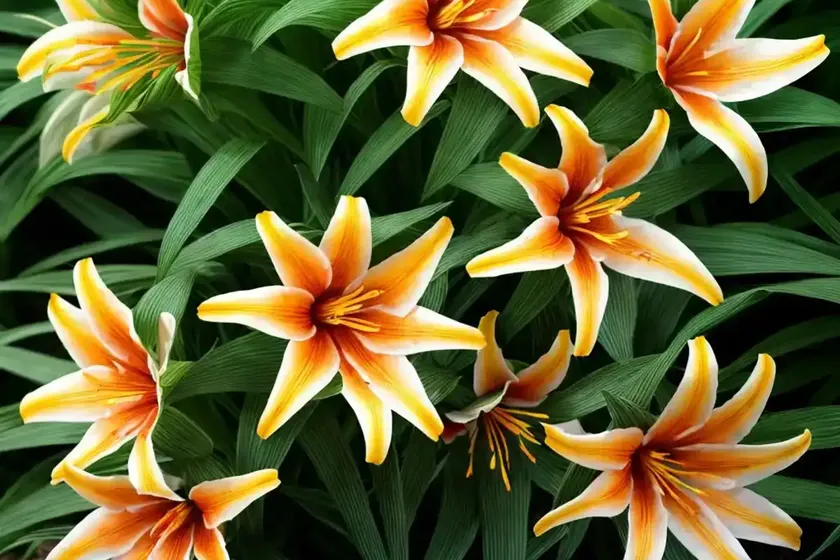
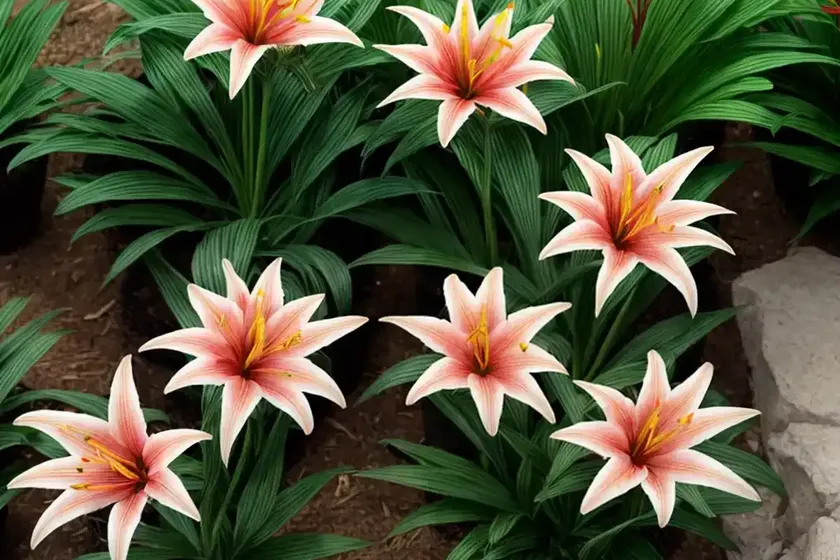
The Magic Lily, or Lycoris Squamigera, belongs to the Amaryllidaceae family, which also includes the amaryllis and snowdrop. As a perennial bulbous plant, it is a popular choice for gardeners due to its stunning flowers and ease of cultivation. Lycoris Squamigera is known for its characteristic display of clusters of pink, funnel-shaped flowers that bloom on tall, leafless stems.
These captivating blooms appear in late summer or early fall, making the Magic Lily a perfect addition for late-season interest in the garden. The striking appearance and low maintenance requirements of Lycoris Squamigera have attributed to its growing popularity among garden enthusiasts.
Key Takeaways – Magic Lily (Lycoris Squamigera)
Before we delve into the details of caring for Magic lilies, let’s take a quick look at the key takeaways for growing and nurturing these enchanting plants.
- Cultural Uses: Magic lilies are often used in gardens, landscapes, and floral arrangements due to their captivating blooms and vibrant colors.
- Water: They require moderate watering but can tolerate periods of drought once established.
- Sunlight: Magic lilies thrive in partial to full sunlight, making them ideal for various garden settings.
- Fertilizer: They benefit from a balanced fertilizer application in the spring to support healthy growth and blooming.
- Soil: Well-draining soil is essential to prevent waterlogging, enabling the bulbs to thrive and bloom successfully.
- Pruning: Minimal pruning is required, primarily to remove faded flowers and maintain the overall aesthetics of the plant.
- Propagation: Magic lilies can be propagated through bulb offsets or seeds, allowing gardeners to expand their collection.
- Container Popularity: They are suitable for container gardening, adding an element of enchantment to patios and balconies.
- Common Diseases: Proper care can prevent common diseases such as fungal infections or rotting of bulbs.
- Common Pests: While relatively pest-resistant, Magic lilies may occasionally encounter pests such as aphids or spider mites.
Now that we have a brief overview, let’s delve into the specifics of cultivating and caring for Magic lilies to ensure their successful growth and stunning blooms.
Magic Lily (Lycoris Squamigera) Care
Water
Proper watering is crucial for the health and vitality of Magic lilies. While they appreciate a moderate supply of water, it is important to avoid overwatering, especially during their dormancy period. Here are some essential watering tips for nurturing healthy Magic lilies:
-
Established Plants: Once the plants are established in the ground, they generally require minimal additional watering, as they are relatively drought-tolerant. However, during prolonged dry spells, providing supplemental water can encourage robust blooming and maintain the plant’s overall vigor.
-
Newly Planted Bulbs: For newly planted bulbs, consistent moisture is essential to support the establishment of roots and the development of new foliage. Watering the bulbs at planting and keeping the soil consistently moist during the initial growing period can promote successful growth.
-
Dormancy Period: During the dormancy period, which occurs after the blooming season, it is advisable to reduce or cease watering altogether. This mimics the natural habitat of Magic lilies, allowing the bulbs to rest and prepare for the next growing season without the risk of rot or fungal issues caused by excess moisture.
Sunlight
Proper sunlight exposure is key to the successful cultivation of Magic lilies. These enchanting plants thrive in partial to full sunlight, making them well-suited for a range of garden settings. Consider the following sunlight-related tips for optimal growth and blooming:
-
Optimal Sunlight: Magic lilies exhibit the best blooming performance when grown in locations with partial to full sunlight. Select a spot in the garden that receives at least 6 hours of direct sunlight per day to ensure vigorous growth and prolific flowering.
-
Shade Tolerance: While they prefer ample sunlight, Magic lilies can tolerate light shade, especially in regions with hot summers. However, prolonged shade exposure might result in reduced flowering and elongated stems. Therefore, prioritizing a sunny location is recommended for optimal results.
-
Container Gardening: When growing Magic lilies in containers, choose a sunny spot, such as a patio or balcony, that receives adequate sunlight throughout the day. Placing the containers in a south-facing location can provide the necessary light conditions for healthy growth and blooming.
Fertilizer
Applying a balanced fertilizer at the appropriate times can significantly enhance the growth and blooming of Magic lilies. Here are some essential guidelines for fertilizing these captivating plants:
-
Spring Fertilization: As Magic lilies emerge from their dormancy and begin active growth in the spring, applying a balanced, all-purpose fertilizer can provide the necessary nutrients for robust flowering. A slow-release fertilizer or a well-balanced liquid fertilizer is suitable for Magic lilies.
-
Fertilizer Application: Gently work the fertilizer into the soil around the base of the plants, taking care to avoid direct contact with the bulbs to prevent potential damage. Water the area thoroughly after applying the fertilizer to ensure proper absorption and distribution of nutrients.
-
Avoid Excess Fertilization: Over-fertilization can lead to excessive foliage growth at the expense of blooming. It is advisable to follow the recommended dosage provided on the fertilizer packaging and avoid applying fertilizer directly on the foliage to prevent any potential damage.
Soil
The choice of soil and its quality directly impacts the overall health and performance of Magic lilies. Well-draining soil is crucial to prevent waterlogging, which can lead to bulb rot and other detrimental conditions. Consider the following soil-related recommendations for successful cultivation:
-
Well-Draining Soil: Magic lilies thrive in well-draining, loamy soil that allows excess moisture to escape freely. Improving the soil structure by adding organic matter, such as compost or well-rotted manure, can enhance drainage and provide essential nutrients for the plants.
-
Soil pH: While Magic lilies are relatively adaptable to a wide range of soil pH levels, a neutral to slightly acidic soil pH between 6.0 and 7.0 is ideal for optimal growth and blooming. Conducting a soil pH test can help determine if any adjustments are needed to create a favorable growing environment.
-
Container Medium: When growing Magic lilies in containers, choose a high-quality potting mix that offers excellent drainage properties. A mix formulated for bulbs or a general-purpose potting soil that incorporates perlite or peat moss can provide the necessary aeration and drainage for container-grown Magic lilies.
Pruning
Pruning Magic lilies is a straightforward task that primarily involves the removal of faded flowers and yellowing foliage. Proper pruning contributes to the overall aesthetics of the plant and supports its health and vigor. Follow these pruning tips to ensure tidy and vibrant Magic lilies:
-
Faded Flowers: As the blooms begin to fade, it is advisable to deadhead the flowers promptly to prevent seed formation. Removing the spent flowers not only maintains the plant’s visual appeal but also conserves energy that would otherwise be directed towards seed production.
-
Yellowing Foliage: Once the foliage begins to yellow and wither after the blooming period, it can be trimmed back to ground level. However, it is important to allow the foliage to naturally senesce and transfer nutrients back to the bulbs before removing it entirely.
-
Pruning Tools: Use clean, sharp pruners or scissors to make precise cuts, minimizing the risk of damage or disease transmission. Disinfecting the pruning tools before and after use can prevent the spread of pathogens.
Propagation
The propagation of Magic lilies can be achieved through various methods, including bulb offsets and seeds. Expanding your collection of these captivating plants or sharing them with fellow gardening enthusiasts is possible through successful propagation. Consider the following propagation techniques for Magic lilies:
-
Bulb Offsets: Magic lilies produce offsets, or small bulblets, around the base of the parent bulb. These offsets can be carefully detached and replanted in a suitable location or container to establish new plants. It is essential to ensure that each offset has a portion of the basal plate attached to aid in successful rooting and growth.
-
Seed Propagation: While the process is more time-consuming compared to offset propagation, Magic lilies can also be grown from seeds. Collecting the ripe seeds and sowing them in a well-prepared seed-starting mix can yield new plants over time. Patience is key when propagating Magic lilies from seeds, as they typically take several years to mature and bloom.
-
Division: Dividing established clumps of Magic lilies can also result in new, vigorous plants. Carefully lifting the clumps and separating the individual bulbs can provide multiple planting options. Ensuring that each division has sufficient roots and potential for growth is crucial for successful division propagation.
Container Popularity
Magic lilies are well-suited for container gardening, adding an element of enchantment to patios, balconies, and outdoor living spaces. Growing these captivating plants in containers allows for greater flexibility in terms of placement and care. Here are some considerations for growing Magic lilies in containers:
-
Container Selection: Choose a spacious container with adequate drainage holes to accommodate the growth of Magic lilies and prevent waterlogged soil. Opt for a container that provides ample room for the bulb and root development, allowing the plants to thrive.
-
Potting Mix: Select a high-quality potting mix that offers good drainage properties. A mix formulated for bulbs or a general-purpose potting soil that incorporates perlite or peat moss can provide the necessary aeration and moisture retention for container-grown Magic lilies.
-
Sunlight Requirements: Place the containers in a sunny location that receives at least 6 hours of direct sunlight per day. Positioning the containers in a south-facing spot can ensure that the Magic lilies receive the optimal sunlight necessary for robust growth and blooming.
-
Watering and Care: Container-grown Magic lilies may require more frequent watering compared to those planted in the ground, as containers tend to dry out more quickly. Monitor the moisture levels closely and water when the top inch of the soil feels dry to the touch.
Common Diseases and Pest Management
Disease Diagnosis
While Magic lilies are relatively resistant to many diseases, they can occasionally be affected by fungal infections such as botrytis or Fusarium wilt. Prompt diagnosis and intervention are vital to prevent the spread of diseases and protect the overall health of the plants. Consider the following disease-related guidelines for caring for Magic lilies:
-
Fungal Infections: If the foliage exhibits signs of mold, rot, or unusual discoloration, it is important to inspect the plants thoroughly. Common fungal infections, such as botrytis, can result from prolonged periods of high humidity or excessive moisture. Removing affected foliage and improving air circulation can help mitigate fungal issues.
-
Symptom Identification: Look for symptoms including yellowing, spotting, wilting, or unusual growth patterns on the foliage or stems. Conduct a visual inspection of the plants regularly to detect any signs of disease early on and take appropriate measures to address the issues.
-
Preventive Measures: Creating an environment with good air circulation, proper spacing between plants, and well-draining soil can help prevent fungal infections. Avoid overhead watering, especially in the evening, to minimize moisture retention on the foliage and reduce the risk of fungal diseases.
Common Pests
Magic lilies are relatively pest-resistant, but they may occasionally encounter pests such as aphids, thrips, or spider mites. Monitoring the plants regularly and taking proactive pest management measures can prevent pest-related damage. Consider the following pest management strategies for Magic lilies:
-
Aphids and Thrips: Inspect the foliage and stems for signs of aphids or thrips, which may appear as small, soft-bodied insects congregating on the plant parts. Spraying the affected areas with a strong stream of water or using insecticidal soap can help control infestations.
-
Spider Mites: Spider mites are tiny pests that can cause stippling and webbing on the foliage of Magic lilies. Regularly misting the plants with water and periodically rinsing the foliage can deter spider mites and create an unfavorable environment for their proliferation.
-
Integrated Pest Management: Implementing cultural practices such as maintaining overall plant health, removing debris and weeds, and promoting natural predators of pests can contribute to a balanced ecosystem in the garden, reducing the likelihood of pest infestations.
Botanist’s Tips
As experienced botanists and gardening enthusiasts, we have accumulated valuable insights and tips to help you cultivate and care for Magic lilies successfully. Here are some botanist’s tips that can enhance your gardening experience and contribute to the flourishing of these remarkable plants:
-
Mulching: Applying a layer of organic mulch, such as shredded bark or compost, around Magic lilies can conserve soil moisture, suppress weed growth, and provide insulation to the bulbs during extreme temperatures.
-
Overwintering: In regions with harsh winters, providing a layer of mulch or leaf litter over the planting area can help protect Magic lily bulbs from freezing temperatures and frost damage.
-
Companion Planting: Pairing Magic lilies with compatible companion plants, such as low-growing perennials or ground covers, can create visually appealing garden beds and provide contrasting textures and colors.
-
Soil Amendments: Regularly incorporating organic matter into the soil, such as compost or well-rotted manure, can improve soil structure and fertility, promoting healthier growth and blooming of Magic lilies.
-
Seasonal Care: Adjusting your care routine based on the changing seasons, such as reducing watering in the dormant season and providing supplemental nutrients during active growth, can support the natural growth cycles of Magic lilies.
Fun Facts
To further enchant you with the captivating world of Magic lilies, here are some fun and intriguing facts about these enchanting plants:
-
Cultural Significance: Magic lilies hold cultural significance in various traditions and symbolize attributes such as rebirth, renewal, and transformation.
-
Myths and Folklore: In folklore and mythology, Magic lilies are associated with diverse legends and stories, with some tales portraying them as symbols of love and beauty.
-
Decorative Uses: Beyond traditional gardening, Magic lilies are used as stunning cut flowers in floral arrangements and bouquets, adding a touch of elegance to any setting.
-
Early Spring Bloomers: As early spring bloomers, Magic lilies emerge when many other plants are still dormant, creating a delightful spectacle in the garden.
-
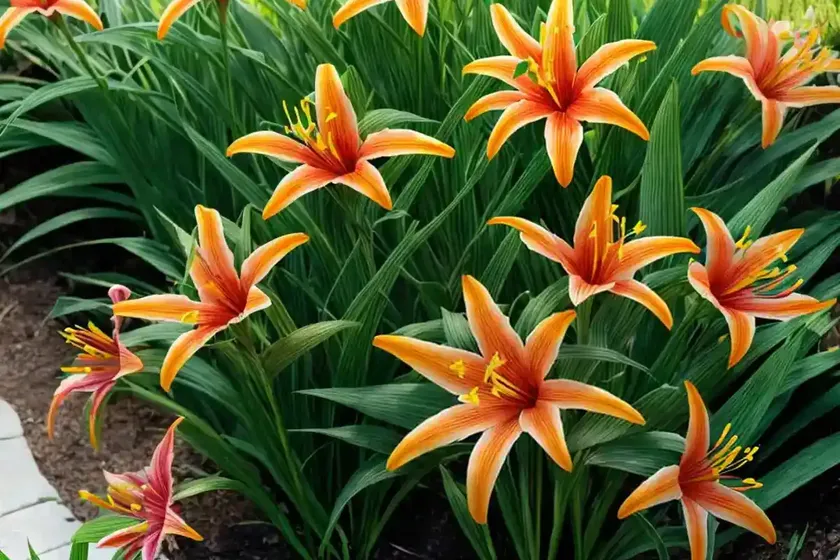
Vibrant Colors: The blossoms of Magic lilies come in an array of vibrant colors, including shades of pink, coral, and white, captivating the attention of anyone who encounters them.
Conclusion
As we conclude our exploration of the enchanting world of Magic lilies (Lycoris Squamigera), it is evident that these captivating plants hold immense allure and charm. Their vibrant blossoms, low maintenance requirements, and versatility in various garden settings make them an appealing choice for gardeners of all levels. Whether you are drawn to their cultural significance, fascinated by their blooming cycle, or simply captivated by their unique charm, Magic lilies have much to offer to the world of gardening and horticulture.
We hope that this comprehensive guide has provided you with valuable insights and practical tips for successfully growing and caring for Magic lilies. By incorporating the knowledge shared in this guide, you can embark on a journey filled with the enchanting beauty and allure of these remarkable plants. May your gardening endeavors be adorned with the breathtaking blooms and enchanting presence of Magic lilies, bringing joy and wonder to your outdoor spaces.
References
- American Society for Horticultural Science. (2021). Lycoris squamigera. link
- Missouri Botanical Garden. (2021). Lycoris squamigera. link
- Royal Horticultural Society. (2021). Lycoris squamigera. link
Remember to consult the relevant authorities or local horticultural experts for specific advice tailored to your particular growing conditions and garden environment.
With the information provided in this guide, you are well-equipped to embark on an enchanting journey with Magic lilies, cultivating and nurturing their captivating presence in your garden. Happy gardening!