

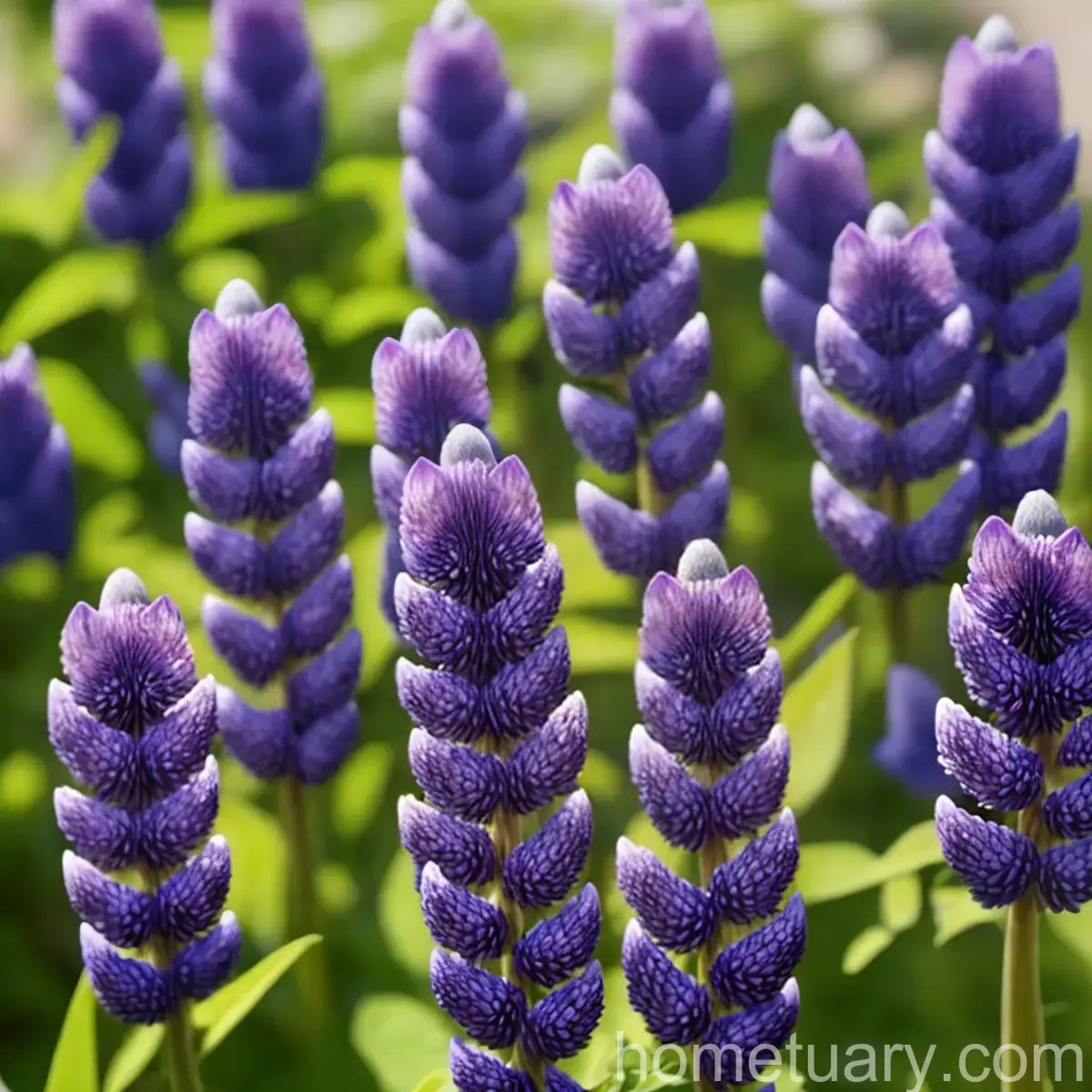
Lupinus ‘The Chatelaine’ (Lupine): A Comprehensive Guide
Lupinus, commonly known as Lupine, is a genus of flowering plants in the legume family, Fabaceae. The genus comprises over 200 species, with a wide variety of colorful and bold flowers. One of the most popular cultivars within the Lupinus genus is the Lupinus ‘The Chatelaine’, also known as the Chatelaine Lupine. In this comprehensive guide, we will explore the cultural aspects, uses, maintenance, and characteristics of the Lupinus ‘The Chatelaine’. We will delve into its natural habitat, growth requirements, propagation, common diseases, and other vital aspects. Whether you are a novice gardener or an experienced botanist, this guide will offer valuable insights into cultivating and caring for this beautiful perennial plant.
Key Takeaways – Lupinus ‘The Chatelaine’ (Lupine)
Before we delve into the detailed discussion of the Lupinus ‘The Chatelaine’, let’s take a quick look at the key takeaways:
- Scientific Name: Lupinus ‘The Chatelaine’ (Lupine)
- Plant Type: Perennial flowering plant
- Water Requirements: Moderate
- Light Preferences: Full sun to partial shade
- Soil Type: Well-draining, slightly acidic to neutral
- Common Uses: Garden borders, mixed flower beds, cut flowers, container gardening
- Notable Characteristics: Vibrant flower clusters, attractive to pollinators
- Maintenance: Low to moderate
- Propagation: Seeds, division
- Common Diseases: Powdery mildew, anthracnose
- Common Pests: Aphids, slugs, snails
Now that we have a brief overview, let’s dive deeper into the various aspects of cultivating and caring for Lupinus ‘The Chatelaine’.
What is Lupinus ‘The Chatelaine’ (Lupine)?
Lupinus ‘The Chatelaine’, commonly known as the Chatelaine Lupine, is a stunning perennial plant that belongs to the Fabaceae family. It is renowned for its tall, elegant flower spikes and vibrant colors, making it a beloved addition to gardens and landscapes. The Chatelaine Lupine cultivar is cherished for its ability to attract pollinators such as bees and butterflies, adding vitality and visual appeal to outdoor spaces.
This cultivar is known for its clustered, pea-like flowers that bloom along tall spikes, creating a captivating display during the blooming season. The Lupinus ‘The Chatelaine’ is a versatile plant that can be integrated into various garden designs, from formal borders to wildflower meadows. Its resilience and adaptability make it a popular choice for both novice and seasoned gardeners.
Now that we have gained an understanding of the general characteristics of Lupinus ‘The Chatelaine’, let’s explore the factors that contribute to its successful cultivation and maintenance.
Culture
Water
Lupinus ‘The Chatelaine’ exhibits moderate water requirements. It thrives in well-draining soil and should be watered consistently to maintain soil moisture, particularly during dry spells. However, it is essential to avoid overwatering, as excessive moisture can lead to root rot and other detrimental conditions. For potted Chatelaine Lupine plants, regular inspection of the soil moisture is advisable, ensuring that the soil remains moist but not waterlogged.
Sunlight
When it comes to sunlight preferences, the Lupinus ‘The Chatelaine’ thrives in full sun to partial shade. It is crucial to provide the plant with adequate sunlight to promote robust growth and abundant flowering. In regions with hot climates, providing partial shade during the intense midday sun can prevent stress on the plants and promote prolonged blooming periods.
Fertilizer
Fertilizing the Chatelaine Lupine can significantly enhance its growth and flowering capabilities. Before planting, amending the soil with well-balanced organic matter can provide a nutrient-rich foundation for the plants. Additionally, applying a balanced, slow-release fertilizer during the growing season can support the plant’s vigor and overall health. It is advisable to follow the manufacturer’s instructions regarding the application of fertilizers and to avoid excessive fertilization, which can lead to adverse effects on the plants.
Soil
The ideal soil for cultivating Lupinus ‘The Chatelaine’ is well-draining and slightly acidic to neutral. Rich, fertile soil with good aeration facilitates healthy root development and minimizes the risks of waterlogging. Prior to planting, amending the soil with organic matter can enhance its texture and nutrient content, creating an optimal environment for the Chatelaine Lupine to thrive.
Pruning
Pruning of Lupinus ‘The Chatelaine’ primarily involves deadheading spent flowers to encourage prolonged blooming. Removal of faded flowers prevents the plant from expending energy on seed production, redirecting its resources towards the production of new flower buds. When deadheading the Chatelaine Lupine, it is advisable to trim the flower stalks just above a set of healthy leaves or lateral buds. Additionally, removing any damaged or diseased foliage promotes the overall health and aesthetics of the plant.
Propagation
Lupinus ‘The Chatelaine’ can be propagated through both seeds and division. Seed propagation involves gathering mature seeds from the plant and sowing them in suitable growing medium during the appropriate season. It is essential to provide the seeds with optimal conditions for germination, including adequate moisture and warmth.
Division, another method of propagation, involves separating the plant’s root ball into smaller sections and replanting them to establish new individuals. This method is particularly effective for rejuvenating mature plants or expanding the existing population of Chatelaine Lupines in the garden.
Container Popularity
The vibrant and eye-catching appearance of Lupinus ‘The Chatelaine’ makes it an appealing choice for container gardening. The plant’s tall flower spikes create a striking focal point in containers, adding vertical interest to outdoor spaces. When selecting containers for Chatelaine Lupines, it is crucial to choose ones with good drainage to prevent waterlogging. Additionally, using a well-draining potting mix and providing adequate sunlight can enhance the plant’s performance in containers.
It is important to monitor the moisture levels of soil in containers, as they tend to dry out more quickly than garden beds. Regular watering and occasional fertilization can contribute to the healthy growth and flowering of Lupinus ‘The Chatelaine’ in containers.
Common Diseases
While Lupinus ‘The Chatelaine’ is generally resilient, it is susceptible to certain diseases that can impact its overall health and appearance. Common diseases that affect the Chatelaine Lupine include:
- Powdery Mildew: A fungal disease that presents as a powdery white coating on the leaves and stems. It can weaken the plant and inhibit its growth if left untreated.
- Anthracnose: Another fungal disease that causes dark, sunken lesions on the stems and foliage, often leading to dieback and reduced vitality of the plant.
Disease Diagnosis
Early detection and accurate diagnosis of diseases are crucial for implementing effective control measures. Regular inspection of the Chatelaine Lupine for signs of disease, such as unusual spots, discoloration, or powdery residue, can aid in the prompt identification of issues. In the event of suspected disease symptoms, it is advisable to consult with a local extension service or plant health specialist to confirm the diagnosis and determine the appropriate course of action.
Common Pests
In addition to diseases, Lupinus ‘The Chatelaine’ is susceptible to certain pests that can compromise its health and vigor. Common pests that may affect the Chatelaine Lupine include:
- Aphids: Small, sap-feeding insects that can congregate on the tender foliage and young shoots, causing distortion and stunted growth.
- Slugs and Snails: These herbivorous pests can feed on the leaves and stems of the Chatelaine Lupine, leading to unsightly damage and reduced plant vitality.
Botanist’s Tips
Here are some expert tips for cultivating and caring for the Lupinus ‘The Chatelaine’:
- Mulch: Applying a layer of organic mulch around the base of the plants can help conserve moisture, suppress weed growth, and contribute to the overall health of the Chatelaine Lupine.
- Support: Tall varieties of Lupinus ‘The Chatelaine’ may benefit from staking or other forms of support to prevent the flower spikes from bending or breaking, particularly in exposed or windy locations.
- Companion Planting: Pairing the Chatelaine Lupine with companion plants that share similar cultural requirements can create visually appealing combinations and enhance biodiversity in the garden.
Fun Facts
- The Lupine plant has a rich symbolic history, often associated with themes of imagination, creativity, and inspiration.
- Lupinus ‘The Chatelaine’ is cherished for its role in attracting pollinators, contributing to the ecological balance of garden ecosystems.
Links to External Resources
In conclusion, the Lupinus ‘The Chatelaine’ (Lupine) is a captivating perennial plant that adds beauty and vibrancy to garden landscapes. With the right cultivation practices and attentive care, this stunning cultivar can thrive and contribute to the visual appeal and ecological balance of outdoor spaces. Whether incorporated into flower beds, containers, or mixed plantings, the Chatelaine Lupine stands out as a versatile and cherished addition to gardens around the world.
By embracing the cultural tips, maintenance guidelines, and expert insights provided in this guide, gardeners can cultivate and enjoy the enchanting beauty of Lupinus ‘The Chatelaine’ for seasons to come.
Remember, the Lupine is more than just a flowering plant; it is a symbol of creativity, inspiration, and the enchanting allure of nature.
Now, let’s continue to cultivate our connection with these captivating plants and celebrate the wonder of the natural world.
Keywords: Lupinus plant, Lupinus Chatelaine, Lupine flowers, Lupine plant care, Lupine varieties, Lupine Chatelaine care tips, Lupine perennial, Lupinus cultivar, Lupine gardening, Lupine plant information, Lupine flower colors, Lupine Chatelaine characteristics, Growing Lupinus ‘The Chatelaine’, Lupine garden design, Lupinus Chatelaine plant profile, Lupine flower beds, Lupine gardening ideas, Lupine Chatelaine planting guide, Lupine Chatelaine blooming season, Lupinus plant family, Lupine plant diseases, Lupinus ‘The Chatelaine’ origins, Lupine Chatelaine landscape uses, Lupine Chatelaine container gardening, Lupine garden borders, Lupine Chatelaine hybrid, Lupine Chatelaine pest control, Lupine Chatelaine companion plants, Lupine flower arrangements, Growing Lupine Chatelaine from seeds, Lupine Chatelaine in mixed flower beds, Lupine Chatelaine maintenance, Lupine Chatelaine natural habitat, Lupine Chatelaine water requirements, Lupine plant symbolism, Lupine Chatelaine in wildflower gardens, Lupine Chatelaine as cut flowers, Lupinus ‘The Chatelaine’ in native plantings, Lupine Chatelaine as a groundcover, Lupine Chatelaine climate preferences, Lupine Chatelaine in rock gardens, Lupine potting soil requirements, Lupine Chatelaine as a border plant, Lupine Chatelaine fragrance, Lupine Chatelaine flower maintenance, Lupine Chatelaine foliage characteristics, Lupine Chatelaine natural pollinators, Lupine Chatelaine soil drainage needs, Lupine Chatelaine winter care, Lupine Chatelaine as a hummingbird attractant




