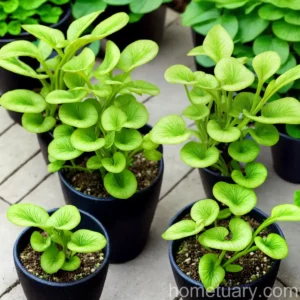
Lungwort (Pulmonaria longifolia ‘Bertram Anderson’): A Comprehensive Guide
Lungwort, scientifically known as Pulmonaria longifolia ‘Bertram Anderson,’ is a perennial plant cherished for its charming flowers and distinctive foliage. This multi-purpose plant is not only a valuable addition to gardens but also holds medicinal properties. In this comprehensive guide, we will delve into the culture, uses, care, and interesting facts about the lungwort plant.
What is Lungwort (Pulmonaria longifolia ‘Bertram Anderson’)?
Lungwort, a part of the Boraginaceae family, is a perennial, herbaceous plant known for its attractive appearance and various potential benefits. The Latin name Pulmonaria is derived from “pulmo,” which means lung, reflecting the plant’s lung-shaped leaves and historical use in treating respiratory ailments. ‘Bertram Anderson’ is a cultivar known for its striking silver-spotted leaves and bright blue flowers.
Lungwort is native to Europe and is primarily cultivated for ornamental and medicinal purposes. It typically thrives in woodland settings, providing an excellent ground cover in shady areas. The plant’s robust nature and low maintenance requirements make it a popular choice for gardeners seeking a resilient and visually appealing addition to their landscapes.
Let’s explore the key takeaways and essential aspects of lungwort, ranging from its cultural preferences to common diseases and tips for optimal care.
Key Takeaways
Culture
Lungwort (Pulmonaria longifolia ‘Bertram Anderson’) thrives in cool, shady environments and is well-suited for woodland or cottage gardens. Its distinctive foliage and vibrant flowers make it a desirable addition to shaded areas, where it adds visual interest and enhances the overall aesthetic appeal of the landscape.
Uses
- Ornamental: Lungwort is primarily cultivated for its ornamental value, with its distinctively spotted foliage and vibrant flowers adding aesthetic appeal to gardens and landscapes.
- Medicinal: Historically, lungwort has been used for its potential medicinal properties, particularly in the treatment of respiratory issues. The plant’s leaves and flowers are the primary parts used for medicinal purposes.
Water
Moderate watering is advisable for lungwort, particularly during dry periods. While the plant is relatively adaptable to various moisture levels, consistently moist but well-draining soil is ideal for optimal growth.
Sunlight
Lungwort prefers partial to full shade, making it an excellent choice for shaded or woodland gardens. It can tolerate some morning sun but thrives in areas with dappled or filtered sunlight throughout the day.
Fertilizer
A balanced, organic fertilizer applied in early spring can support the growth and blooming of lungwort. Opt for a slow-release fertilizer to provide sustained nutrition throughout the growing season.
Soil
Well-draining, humus-rich soil is essential for lungwort. It thrives in slightly acidic to neutral soil conditions and benefits from the addition of organic matter, such as compost, to improve soil structure and fertility.
Pruning
Lungwort generally requires minimal pruning. Deadheading spent flowers and removing any damaged or yellowing foliage can help maintain the plant’s appearance. Additionally, trimming back the plant after flowering can promote a more compact growth habit.
Propagation
Lungwort can be propagated through division or by collecting and sowing seeds. Division is typically carried out in early spring or fall, while seed sowing can be done in the spring.
Container Popularity
Lungwort’s compact growth habit and preference for shady conditions make it suitable for container gardening in shaded patios, balconies, or outdoor living spaces where direct sunlight is limited.
Container Common Diseases
While lungwort is generally resilient, container-grown plants may be susceptible to root rot if the soil is excessively waterlogged. Using well-draining soil and ensuring proper drainage in containers can mitigate this risk.
Disease Diagnosis
Lungwort is relatively resistant to pests and diseases, but occasional issues such as powdery mildew or rust can occur, particularly in humid or poorly ventilated conditions. Regular inspection of the plant can aid in early detection and management of such issues.
Common Pests
Lungwort is relatively resistant to pests, but occasional infestations by slugs and snails may occur, particularly in moist or humid conditions. Implementing pest control measures, such as using organic slug pellets or barriers, can help protect the plant from these pests.
Botanist’s Tips
- Incorporate lungwort in shaded or woodland garden designs to add color and texture to areas with limited sunlight.
- Combine lungwort with other shade-tolerant perennials and foliage plants to create visually appealing and diverse plant compositions.
Fun Facts
- The name “lungwort” is derived from the plant’s historical use in treating lung ailments, as its spotted leaves were thought to resemble diseased lungs and were believed to be a sign from nature regarding the plant’s potential medicinal value.
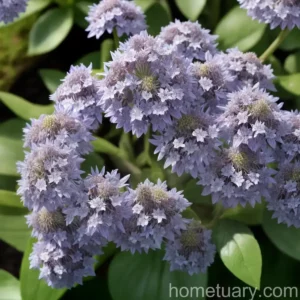
- Lungwort flowers are known for their color-changing properties, starting as pink buds and gradually transitioning to vibrant blue as they mature.
Links to External Resources
For further information on lungwort (Pulmonaria longifolia ‘Bertram Anderson’), consider exploring the following resources:
– Royal Horticultural Society: Pulmonaria longifolia ‘Bertram Anderson’
– Missouri Botanical Garden: Pulmonaria longifolia ‘Bertram Anderson’
– University of Wisconsin-Madison Division of Extension: Pulmonaria – Lungworts for the Shade Garden
Exploring these resources will provide valuable insights into the cultivation, care, and potential uses of lungwort in diverse settings.
In the subsequent sections, we will delve deeper into the characteristics, benefits, and specific care guidelines for lungwort, offering a comprehensive overview of this intriguing perennial plant.
Understanding Lungwort: Characteristics and Benefits
Overview of Lungwort (Pulmonaria longifolia ‘Bertram Anderson’)
Lungwort (Pulmonaria longifolia ‘Bertram Anderson’) is an esteemed perennial plant known for its unique characteristics, including its lung-shaped foliage and vibrant, color-changing flowers. This section will provide an in-depth exploration of the plant’s characteristics and the potential benefits it offers to gardeners and herbal enthusiasts alike.
Lungwort Plant: An Introduction
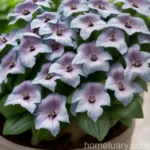
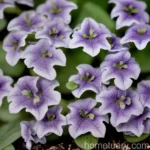
Lungwort plants, including the ‘Bertram Anderson’ cultivar, are valued for their adaptable nature and distinctive visual appeal. The plant’s leaves are adorned with silver spots, creating an eye-catching display, particularly in shaded settings. Additionally, the transition of its flowers from pink to blue adds a captivating element to the plant’s overall aesthetic.
As a shade-loving perennial, lungwort is well-suited for integrating into various garden styles, from woodland and cottage gardens to shaded borders and underplantings. Its ability to thrive in low-light conditions makes it an essential component of landscapes where sunlight is limited, providing an opportunity to introduce color and texture to shaded areas.
Characteristics of Pulmonaria longifolia ‘Bertram Anderson’
- Foliage: Lungwort’s foliage consists of lance-shaped, silver-spotted leaves that are reminiscent of lung patterns, lending the plant its common name. The contrast between the silver markings and the vibrant green background creates a visually striking effect, enhancing the plant’s ornamental value.
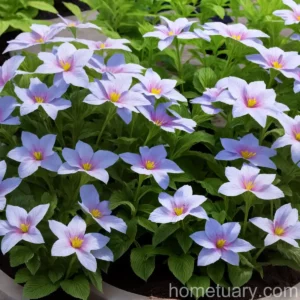
- Flowers: The flowers of ‘Bertram Anderson’ lungwort are a notable feature, transitioning from pink to a captivating blue shade as they mature. This color-changing attribute adds visual interest and dynamic beauty to the plant, making it an alluring addition to shaded landscapes during the blooming season.
Benefits of Lungwort in Gardens and Landscapes
- Visual Appeal: The unique foliage and color-changing flowers of lungwort contribute to its aesthetic value, enriching shaded gardens and underplantings with a touch of elegance and vibrancy.
- Ground Cover: Lungwort serves as an excellent ground cover in shady areas, effectively filling in spaces and creating lush, textured mats of foliage.
- Wildlife Attraction: The flowers of lungwort are known to attract pollinators, such as bees and butterflies, enhancing the ecological diversity and vitality of garden ecosystems.
Cultivating Lungwort for Medicinal Uses
Lungwort has historical significance as a medicinal plant, particularly in traditional herbal practices. The leaves and flowers of the plant have been used for their potential respiratory benefits and are valued for their purported soothing properties. While the plant’s medicinal uses should be approached with caution and consultation with healthcare professionals, its historical association with respiratory health underscores its cultural and horticultural significance.
The next sections will delve into the specific cultural requirements and care guidelines for successfully growing and maintaining lungwort, offering practical insights for both ornamental and potential medicinal applications.
Cultivating Lungwort: Cultural Preferences and Care Guidelines
Lungwort (Pulmonaria longifolia ‘Bertram Anderson’) showcases distinct preferences and care requirements that are essential for successfully nurturing this versatile perennial. Understanding its cultural needs, such as water, sunlight, soil, and maintenance practices, is crucial for creating an optimal growing environment and harnessing its ornamental and potential medicinal attributes.
Watering Practices for Lungwort
Lungwort generally thrives in moderately moist soil, requiring regular watering, particularly during dry spells, to maintain adequate moisture levels. However, it is important to avoid waterlogging the soil, as excessive moisture can lead to root rot and other potential issues. Striking a balance by providing consistent moisture without saturating the soil is key to promoting healthy growth and blooming.
Watering Guidelines for Lungwort
- Regular Monitoring: Check the soil moisture levels regularly, particularly during dry periods, to assess when watering is needed.
- Even Moisture: Aim for consistent, even moisture levels in the soil to support the plant’s growth and overall health.
- Avoid Waterlogging: Ensure proper drainage to prevent waterlogging, which can adversely affect the plant’s root system.
By adhering to these watering guidelines, gardeners can create a suitable environment for lungwort, promoting its vitality and longevity in garden settings.
Sunlight Requirements for Optimal Growth
As a shade-loving perennial, lungwort thrives in environments with partial to full shade, making it a valuable addition to shaded and wooded landscapes. While it can tolerate some morning sun, the plant generally flourishes in areas where direct sunlight is limited, particularly during the hot afternoon hours. Providing the appropriate level of shade is crucial for maintaining the plant’s vigor and promoting abundant flowering.
Sunlight Recommendations for Lungwort
- Partial to Full Shade: Select shaded areas in the garden with filtered sunlight, dappled shade, or limited direct sun exposure for planting lungwort.
- Shade Tolerant: Emphasize lungwort’s ability to thrive in low-light conditions and integrate it into shaded garden designs for optimal growth and visual impact.
Adhering to these sunlight recommendations will facilitate the successful cultivation of lungwort, allowing gardeners to harness its aesthetic and ecological contributions in shaded settings.
Fertilization for Healthy Growth and Blooming
Applying a balanced, organic fertilizer in early spring can provide lungwort with the essential nutrients needed for robust growth and abundant blooming. Opting for a slow-release fertilizer ensures sustained nourishment throughout the growing season, supporting the plant’s development and flowering capacity.
Fertilization Guidelines for Lungwort
- Early Spring Application: Apply a balanced, organic fertilizer in early spring, following the manufacturer’s recommendations for the appropriate dosage and application method.
- Slow-Release Formulation: Opt for a slow-release fertilizer to provide continuous nutrition, benefitting the plant’s long-term health and blooming potential.
By incorporating these fertilization guidelines, gardeners can facilitate the vigorous growth and blooming of lungwort, enhancing its ornamental presence in garden landscapes.
Soil Preferences and Amending Practices
Lungwort thrives in well-draining, humus-rich soil, with a preference for slightly acidic to neutral pH levels. Incorporating organic matter, such as compost, into the soil can improve its structure, fertility, and moisture retention, creating an optimal growing medium for the plant. Additionally, ensuring proper soil drainage is essential for preventing waterlogging and potential issues associated with excessive moisture.
Soil Preparation and Amending Techniques
- Organic Matter Addition: Enhance the soil’s quality by incorporating compost or well-rotted organic matter to improve its fertility and structure.
- Drainage Consideration: Emphasize the importance of well-draining soil and take measures to prevent waterlogging, such as amending the soil with perlite or creating raised beds in poorly draining areas.
By attending to these soil preparation and amending techniques, gardeners can create a favorable soil environment for lungwort, supporting its growth and resilience in diverse garden settings.
Pruning Practices to Maintain Vigor and Appearance
Lungwort typically requires minimal pruning, primarily focusing on deadheading spent flowers and removing any damaged or discolored foliage. After the blooming period, trimming back the plant can help promote a more compact growth habit and rejuvenate its appearance. Pruning practices should be carried out with care to preserve the plant’s natural form and enhance its overall aesthetic appeal.
Pruning Guidelines for Lungwort
- Deadheading Flowers: Remove spent flowers to encourage continuous blooming and maintain the plant’s neat appearance.
- Trimming After Flowering: After the blooming season, consider light trimming to remove any leggy growth and rejuvenate the plant’s form.
By adhering to these pruning guidelines, gardeners can contribute to the maintenance and visual appeal of lungwort, ensuring its continued vitality and attractive presence in garden landscapes.
Propagation Methods for Lungwort
Lungwort can be propagated through division or by collecting and sowing seeds, providing gardeners with options to increase their plant stock and expand its presence in various garden settings. Division is typically carried out in early spring or fall, while seed sowing is best done in the spring, adhering to specific propagation techniques for successful replication of lungwort plants.
Propagation Techniques for Lungwort
- Division: Divide established plants in early spring or fall, ensuring each division has sufficient roots and foliage for successful transplantation.
- Seed Sowing: Collect and sow lungwort seeds in the spring, following appropriate seed-starting practices to promote germination and early growth.
By understanding and implementing these propagation techniques, gardeners can expand their lungwort population and introduce the plant to new garden locations, further enriching the diversity and visual appeal of their landscapes.
Cultivating Lungwort in Containers
Lungwort’s compact growth habit and shade tolerance make it well-suited for container cultivation, particularly in spaces with limited sunlight, such as shaded patios, balconies, or outdoor living areas. When cultivating lungwort in containers, selecting appropriate potting soil, providing adequate shade, and optimizing the container environment is crucial for fostering successful growth and long-term container gardening success.
Container Cultivation Considerations
- Shade Preference: Choose shaded locations for placing lungwort containers, ensuring that the plants receive filtered light or dappled shade throughout the day.
- Well-Draining Soil: Utilize well-draining potting soil and containers with drainage holes to prevent waterlogging and maintain optimal soil moisture levels.
- Container Size: Select appropriately sized containers to accommodate lungwort’s growth, providing adequate space for root development and overall plant vigor.
By addressing these container cultivation considerations, gardeners can incorporate lungwort into their container gardening endeavors, creating attractive, low-light compositions in outdoor living spaces.
The subsequent sections will explore the pest and disease considerations specific to lungwort, offering insights on protecting the plant from potential issues and maintaining its resilience in garden settings.
Protecting Lungwort: Pest and Disease Management
Lungwort is generally resilient to pests and diseases, but occasional issues may arise, particularly in conditions that compromise the plant’s vigor or environmental stressors that contribute to disease susceptibility. Understanding the potential pests and diseases, along with practical management strategies, is essential for safeguarding lungwort and ensuring its continued vitality in garden landscapes.
Common Pests Associated with Lungwort
While lungwort is relatively resistant to pests, occasional infestations by slugs and snails may occur, particularly in moist or humid conditions. These pests can feed on the plant’s foliage, leading to aesthetic damage and potential growth reduction. Implementing preventive measures and targeted pest control can aid in protecting lungwort from these pests.
Pest Management Strategies
- Slug and Snail Control: Use organic slug pellets, physical barriers, or natural deterrents to protect lungwort from slug and snail feeding damage, particularly in shaded and moist environments.
- Regular Inspection: Monitor lungwort plants periodically for signs of pest activity, such as chewed foliage or slimy trails, to detect infestations early and implement appropriate control measures.
By incorporating these pest management strategies, gardeners can mitigate the impact of slugs and snails on lungwort, preserving the plant’s visual appeal and overall health.
Disease Considerations for Lungwort
Lungwort is generally resistant to diseases, but occasional issues such as powdery mildew or rust can occur, particularly in humid or poorly ventilated conditions. These fungal diseases can affect the plant’s foliage and diminish its ornamental value, emphasizing the importance of disease prevention and early intervention to safeguard lungwort from potential infections.
Disease Prevention and Management Practices
- Air Circulation: Ensure adequate air circulation around lungwort plants, particularly in dense or crowded planting areas, to minimize the risk of humidity-related diseases.
- Plant Inspection: Regularly inspect lungwort foliage for signs of powdery mildew, rust, or other fungal diseases, taking prompt action to address potential issues, such as removing affected foliage or implementing targeted treatments.
By implementing these disease prevention and management practices, gardeners can contribute to the long-term health and resilience of lungwort, fostering its vibrant presence in garden landscapes without compromising its aesthetic appeal.
Botanist’s Tips for Lungwort Care and Utilization
Lungwort offers diverse benefits and applications in garden settings, and integrating it into shaded, woodland, or cottage garden compositions can be a rewarding endeavor for gardeners. The following botanist’s tips aim to provide practical guidance and creative insights for maximizing the potential of lungwort in diverse horticultural contexts.
Botanist’s Recommendations
- Shade-Integrated Design: Incorporate lungwort into shaded garden designs to enhance visual interest and diversity, leveraging its shade tolerance and ornamental attributes.
- Underplanting Combinations: Explore creative combinations of lungwort with other shade-tolerant perennials and foliage plants, creating dynamic and visually appealing underplantings in woodland settings.
- Educational Significance: Highlight the historical and cultural significance of lungwort’s potential medicinal uses, emphasizing its role in traditional herbal practices and the symbolic value associated with its distinctive foliage and flowers.
By embracing these botanist’s recommendations, gardeners can optimize the integration of lungwort into their landscapes, transforming shaded areas into vibrant, dynamic settings enriched by the plant’s ornamental and potential medicinal contributions.
Fascinating Fun Facts About Lungwort
As an intriguing perennial with historical significance and notable characteristics, lungwort offers a range of fascinating fun facts that capture its cultural, horticultural, and ecological significance. These fun facts provide a deeper understanding of lungwort’s unique attributes and the historical context that has shaped its botanical and medicinal legacy.
Fun Facts Highlights
- Historical Medicinal Association: The name “lungwort” is rooted in the historical use of the plant in treating respiratory issues, reflecting its lung-shaped leaves and the perceived symbolism of