Dracaena Paloma (Dracaena Fragrans ‘paloma’)
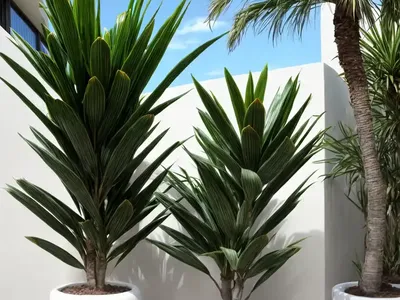
The Dracaena Paloma (Dracaena Fragrans ‘Paloma’) is a popular and versatile houseplant known for its attractive, glossy, green leaves and easy care.
Introduction
The Dracaena Paloma (Dracaena Fragrans ‘Paloma’) is a popular and versatile houseplant known for its attractive, glossy, green leaves and easy care requirements. This tropical plant is a member of the Asparagaceae family and is native to Africa. It is commonly grown for its air-purifying qualities and its ability to thrive in indoor environments with minimal maintenance. In this comprehensive guide, we will explore the various aspects of caring for Dracaena Paloma, including its cultural requirements, uses, common diseases and pests, and propagation techniques.
Key Takeaways
Dracaena Paloma (Dracaena Fragrans ‘Paloma’)
- Easy-care indoor plant with glossy green leaves
- Well-suited for air purification
- Tolerant of low light conditions
- Known for its low maintenance and durability
What is Dracaena Paloma?
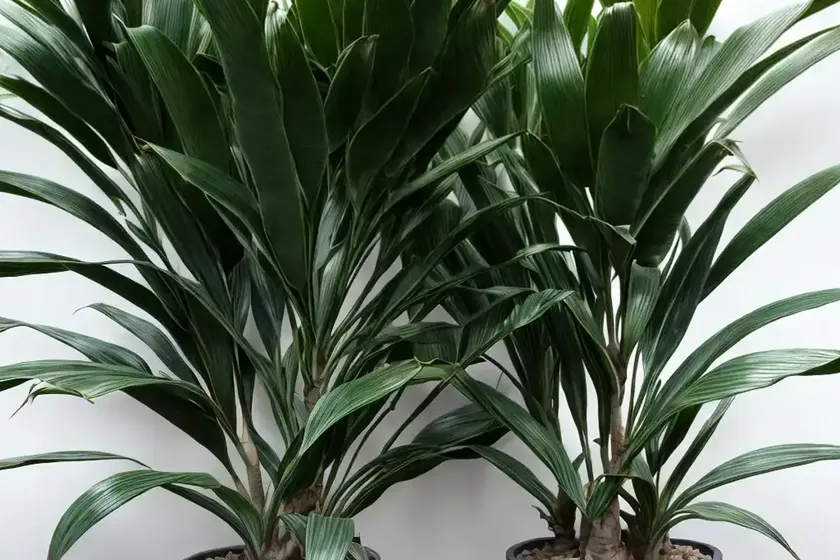
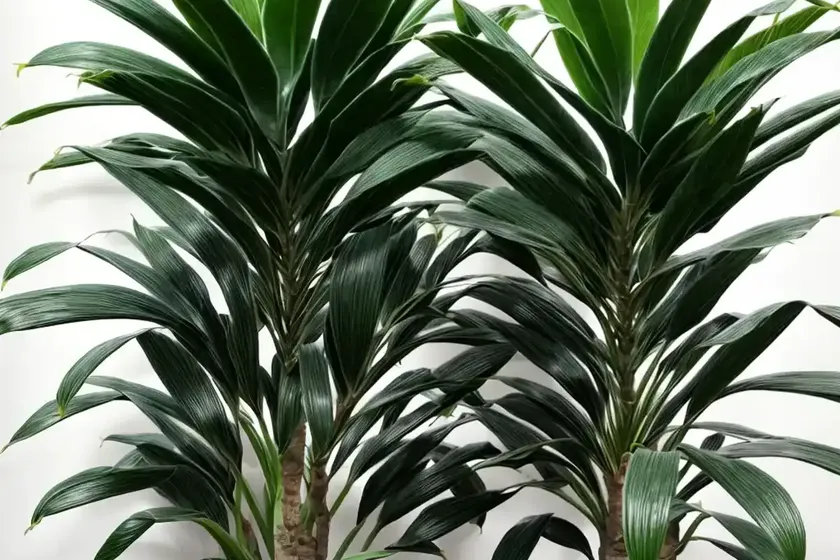
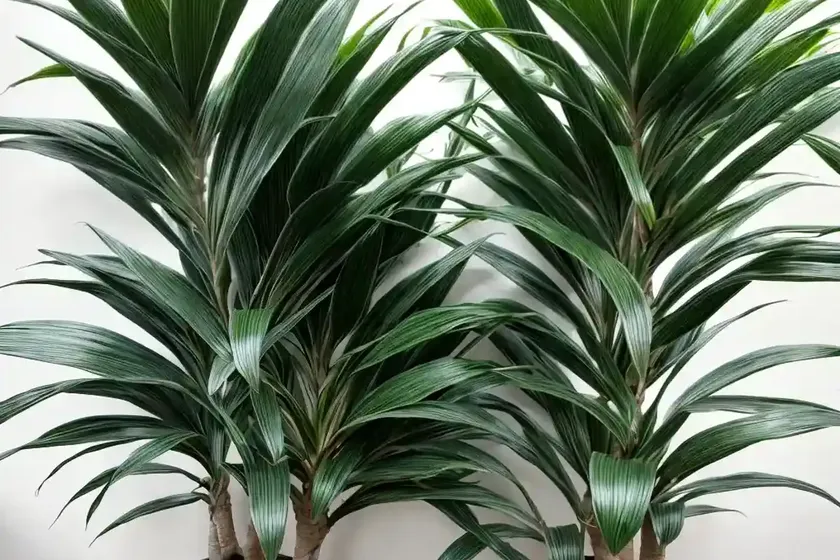
The Dracaena Paloma, also known by its scientific name Dracaena Fragrans ‘Paloma’, is a cultivar of the Dracaena Fragrans species. It is characterized by its upright, architectural growth habit and lance-shaped, dark green leaves that can reach up to 2 feet in length. The plant is commonly used as a decorative accent in homes, offices, and public spaces due to its elegant foliage and low maintenance requirements.
Plant Characteristics
- Foliage: Dark green, glossy leaves with a slightly arching habit
- Height: Can reach heights of 4-6 feet when mature
- Growth Habit: Upright, cane-like stems
Culture
Uses
The Dracaena Paloma is primarily cultivated for its ornamental value, making it a popular choice for indoor and outdoor landscaping. Its robust and adaptable nature allows it to thrive in a variety of settings, from well-lit offices to low-light interiors. Additionally, the plant is valued for its air-purifying abilities, which can help improve indoor air quality by removing toxins such as formaldehyde and benzene.
Water
One of the key factors in maintaining a healthy Dracaena Paloma is proper watering. Overwatering can lead to root rot, while underwatering can cause the plant’s leaves to turn yellow and eventually drop. It is essential to allow the soil to partially dry out between waterings to avoid waterlogged conditions. When watering, apply water until it begins to drain from the bottom of the pot, then discard any excess water that accumulates in the saucer.
- Watering Frequency: Allow the top 1-2 inches of soil to dry out before watering
- Watering Method: Water thoroughly, allowing excess water to drain
- Preferred Water Type: Use room temperature water to avoid shocking the plant
Sunlight
The Dracaena Paloma is well-suited for indoor environments with limited natural light. It can thrive in low to moderate light conditions, making it an ideal choice for offices, bedrooms, and living spaces with minimal sunlight exposure. However, to maintain its vibrant foliage and growth, the plant should be placed in a location that receives indirect or filtered light. Direct sun exposure can scorch the leaves and cause browning.
- Light Requirements: Indirect or filtered light, low to moderate light conditions
- Light Tolerance: Can tolerate low light but may grow more slowly
Fertilizer
Proper fertilization is essential for promoting healthy growth and maintaining the vibrancy of the Dracaena Paloma’s foliage. A balanced liquid fertilizer formulated for indoor plants can be applied during the plant’s active growing season, typically from spring to early fall. It is important to dilute the fertilizer to half strength to avoid over-fertilizing, which can lead to salt accumulation in the soil.
- Fertilizer Type: Balanced liquid fertilizer (10-10-10 or 20-20-20)
- Frequency: Monthly during the growing season
- Dilution: Use half the recommended strength to avoid over-fertilization
Soil
An appropriate soil mix is crucial for the overall health and well-being of the Dracaena Paloma. A well-draining potting mix that retains moisture without becoming waterlogged is ideal for this plant. Mixing perlite or sand into the potting mix can improve drainage and aeration, preventing the roots from sitting in soggy soil.
- Soil Mix: Well-draining potting mix (e.g., peat-based mix with perlite or sand)
- Aeration: Ensure the soil is airy and loose to prevent compaction
Pruning
Pruning is an essential maintenance task for the Dracaena Paloma, helping to control its size and shape, remove any damaged or yellowing leaves, and encourage new growth. When pruning the plant, it is important to use clean, sharp scissors to make clean cuts and minimize the risk of introducing infections. Cut at a slight angle just above a leaf node to promote new growth.
- Pruning Frequency: As needed to remove damaged or discolored leaves
- Tools: Clean, sharp scissors for precise cuts
- Method: Cut just above a leaf node to encourage new growth
Propagation
The Dracaena Paloma can be propagated through stem cuttings, making it relatively easy to expand your plant collection or share with friends and family. Stem cuttings are taken from mature, healthy stems and can be rooted in water or directly in a soil mix. The key to successful propagation is to provide the cuttings with adequate warmth, humidity, and moisture to encourage the development of roots.
Water Propagation
To propagate the Dracaena Paloma using water, follow these steps:
1. Take a 4-6 inch stem cutting from the parent plant
2. Place the cutting in a container of water, ensuring that at least two nodes are submerged
3. Position the container in a warm, bright location away from direct sunlight
4. Change the water every 1-2 days to prevent stagnation
5. Roots should begin to develop within 2-6 weeks, after which the cutting can be potted in soil
Soil Propagation
Alternatively, the plant can be propagated directly in a soil mix by following these steps:
1. Prepare a well-draining potting mix and moisten it slightly
2. Take a 4-6 inch stem cutting and remove the lower leaves, leaving 2-3 nodes
3. Plant the cutting in the soil mix, ensuring that at least one node is buried
4. Cover the pot with a clear plastic bag or dome to maintain high humidity
5. Place the pot in a warm, bright location and water sparingly to keep the soil moist but not waterlogged
6. Roots should start to develop within 4-8 weeks, at which point the plant can be transitioned to a standard care routine
Container Popularity
The Dracaena Paloma is often grown in containers or planters, making it an ideal choice for interior landscaping and urban gardening. Containers come in various sizes, shapes, and materials, allowing for creative expression and flexibility in design. The container should have drainage holes to prevent waterlogging and promote healthy root growth.
Common Container Materials
- Ceramic: Offers a wide range of colors and textures, providing a decorative element
- Plastic: Lightweight and affordable, available in various sizes
- Terracotta: Provides breathability for the roots but requires careful watering to prevent drying out
Common Diseases
While the Dracaena Paloma is generally resistant to pests and diseases, it can occasionally encounter issues related to improper care, environmental stress, or pathogen infestations. Being attentive to the plant’s needs and practicing good cultural practices can help prevent and manage common diseases and issues that may arise.
Disease Diagnosis
Some common diseases and issues that may affect Dracaena Paloma include:
– Root Rot: Caused by overwatering or waterlogged soil, leading to yellowing leaves and root decay
– Leaf Spot: Fungal infection manifesting as dark, water-soaked spots on the leaves
– Crown Rot: Occurs when the plant’s crown is exposed to excessive moisture, resulting in wilting and decay
Common Pests
The Dracaena Paloma is relatively resistant to pest infestations, but it can still be targeted by some common indoor pests. Keeping a close eye on the plant’s foliage and overall appearance can help identify and address pest issues early, preventing extensive damage.
Common Pests
- Spider Mites: These tiny pests often appear as small red or brown dots on the undersides of leaves
- Mealybugs: White, cottony insects that feed on plant sap and can cause leaf yellowing and distortion
- Scale Insects: Small, flat insects that adhere to the stems and leaves, consuming the plant’s juices
Botanist’s Tips
Maintaining a healthy and thriving Dracaena Paloma can be a rewarding experience, especially when equipped with the right knowledge and care techniques. Here are some additional tips to ensure the well-being of your plant:
– Regular Dusting: Wipe the leaves with a damp cloth to remove dust and promote optimal light absorption
– Regular Inspection: Check the plant for signs of pests, diseases, or nutrient deficiencies on a routine basis
– Rotation: Rotate the plant occasionally to promote even growth and prevent leaning
Fun Facts
- The Dracaena Paloma is one of many Dracaena species valued for its adaptability and attractive foliage
- It is sometimes referred to as the “corn plant” due to its resemblance to the leaves of maize plants
- The plant’s natural habitat includes regions of tropical Africa and Asia, where it thrives in humid, shaded environments
Links to External Resources
Explore more about Dracaena Paloma care and cultivation from these external resources:
1. The Spruce – Dracaena Paloma Care Guide
2. Gardening Know How – Growing Dracaena Paloma Indoors
3. The Plant Encyclopedia – Dracaena Fragrans ‘Paloma’ Overview
In conclusion, the Dracaena Paloma is a captivating and resilient plant that can bring a touch of tropical elegance to any indoor space. With its low-maintenance nature and air-purifying properties, it is an excellent choice for both novice and experienced plant enthusiasts. By following the care guidelines outlined in this comprehensive guide, you can foster a thriving Dracaena Paloma and enjoy its beauty for years to come.