Garden Croton (Codiaeum Variegatum)
Welcome to the complete guide on Garden Croton, also known as Codiaeum variegatum. In this comprehensive guide, we will explore everything you need to know.
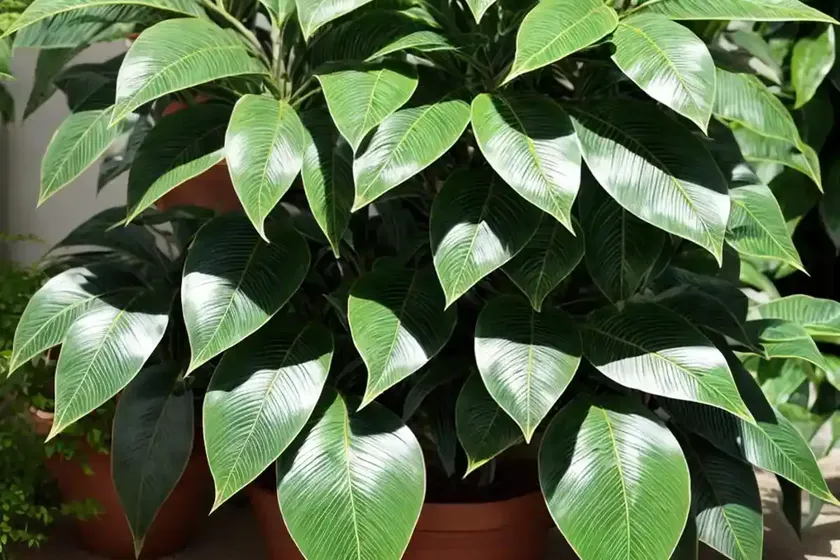
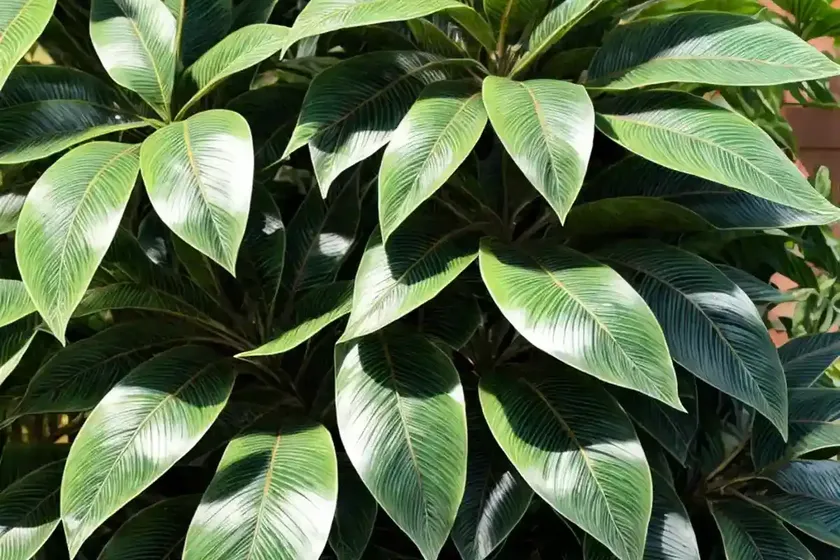
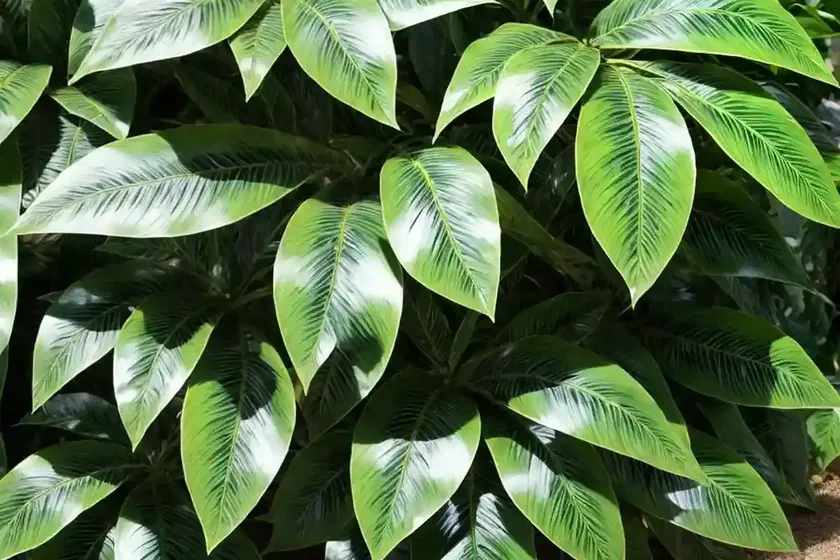
Welcome to the complete guide on Garden Croton, also known as Codiaeum variegatum. In this comprehensive guide, we will explore everything you need to know about this vibrant and versatile plant, from its culture and uses to care instructions and common diseases. Whether you are new to gardening or a seasoned plant enthusiast, this guide will provide you with valuable insights into the world of Garden Croton.
What is Garden Croton (Codiaeum variegatum)?
Garden Croton, scientifically known as Codiaeum variegatum, is a species of flowering plant in the family Euphorbiaceae. Native to Indonesia, Malaysia, and the Pacific Islands, the Garden Croton is renowned for its stunning foliage, which boasts a kaleidoscope of colors and patterns. It is a popular choice for both indoor and outdoor cultivation, thanks to its ornamental value and relatively low maintenance requirements.
Key Takeaways – Garden Croton (Codiaeum variegatum)
Before delving into the details, let’s highlight the key takeaways of Garden Croton. This plant presents a multitude of benefits and considerations that make it a fascinating subject for horticultural enthusiasts.
- Colorful Foliage: Garden Croton is prized for its vibrant and variegated foliage, with an array of colors such as red, yellow, orange, and green, often combined in intricate patterns.
- Tropical Charm: It is a quintessential tropical plant, adding a touch of exotic beauty to both indoor and outdoor settings.
- Versatile Uses: From ornamental landscaping to indoor decor, Garden Croton offers a wide range of uses in gardening and interior design.
- Moderate Maintenance: While it requires attention to specific care requirements, Garden Croton is generally considered a moderate maintenance plant, suitable for enthusiasts of various skill levels.
Now, let’s explore the various aspects of growing and caring for Garden Croton, including its cultural preferences, uses, and tips for maintaining its health and vitality.
Culture
Understanding the cultural preferences of Garden Croton is essential for creating an environment that promotes its health and vibrancy. Let’s delve into the crucial cultural considerations for this captivating plant.
Water
Proper watering is crucial for the health and well-being of Garden Croton. While it prefers consistently moist soil, it is essential to avoid overwatering, as excessive moisture can lead to root rot and other complications. Here are some key points to consider regarding the watering requirements of Garden Croton:
- Consistent Moisture: Garden Croton thrives in consistently moist, but not waterlogged, soil. Allow the soil to dry slightly between watering, and then water thoroughly to ensure even moisture distribution.
- Avoid Waterlogging: Ensure proper drainage in the soil to prevent waterlogging, which can lead to root rot and other issues.
- Humidity: Garden Croton benefits from moderate to high humidity levels, making it well-suited for bathrooms and kitchens where humidity is naturally higher.
By adhering to these watering guidelines, you can ensure that your Garden Croton maintains healthy growth and displays its stunning foliage to its full potential.
Sunlight
Proper sunlight exposure is another critical factor in the successful cultivation of Garden Croton. As a tropical plant, it thrives in bright, indirect light and may suffer if exposed to harsh sunlight. Consider the following tips for providing the ideal sunlight conditions for your Garden Croton:
- Indirect Light: Position your Garden Croton in a location that receives bright, indirect light. Direct sunlight can lead to leaf burn and may diminish the plant’s overall health.
- Filtered Light: If growing Garden Croton indoors, consider placing it near a north- or east-facing window, where it can benefit from gentle, filtered sunlight.
- Outdoor Placement: When grown outdoors, provide partial shade to protect the plant from intense sunlight, especially during the hottest part of the day.
By offering the right balance of light exposure, you can ensure that your Garden Croton thrives and continues to exhibit its signature colorful foliage.
Fertilizer
Proper fertilization is essential for promoting healthy growth and vibrant foliage in Garden Croton. Selecting the right type of fertilizer and adhering to a regular fertilization schedule are key components of caring for this tropical plant. Consider the following guidelines for fertilizing Garden Croton:
- Balanced Fertilizer: Use a balanced, water-soluble fertilizer formulated for ornamental foliage plants. Look for a fertilizer with a balanced N-P-K ratio, such as 20-20-20, to provide essential nutrients for healthy growth.
- Frequency: Apply fertilizer every 4-6 weeks during the growing season (spring and summer) to support the plant’s growth and color vibrancy.
- Dilution: When applying fertilizer, dilute it to half the recommended strength to prevent over-fertilization, which can be detrimental to the plant’s health.
By providing appropriate fertilization, you can promote lush, colorful foliage and overall vigor in your Garden Croton.
Soil
Choosing the right soil type is critical for creating an optimal growing environment for Garden Croton. The soil should offer a balance of moisture retention and good drainage to support healthy root development. Consider the following soil-related considerations:
- Well-Draining Soil: Garden Croton prefers well-draining soil that allows excess water to escape, preventing waterlogging and potential root issues.
- Peat-Based Mix: A peat-based potting mix with added perlite or vermiculite can provide the ideal balance of moisture retention and drainage for Garden Croton.
- Acidic pH: The soil pH should be slightly acidic, ideally in the range of 6.0-6.5, to support nutrient uptake and overall plant health.
By ensuring that your Garden Croton is planted in the right soil mix, you can create an environment conducive to its growth and vitality.
Pruning
Pruning is an essential aspect of Garden Croton maintenance, helping to promote bushy growth, shape the plant, and remove any damaged or diseased foliage. Proper pruning techniques can also contribute to the overall aesthetic appeal of the plant. Here are some key points to consider when pruning Garden Croton:
- Regular Maintenance: Perform regular maintenance pruning to remove any leggy or straggly growth, encouraging the plant to develop a more compact and fuller appearance.
- Remove Diseased Foliage: Promptly remove any discolored, damaged, or diseased foliage to prevent the spread of issues and maintain the plant’s overall health.
- Caution: Use sharp, clean pruning shears and exercise caution when pruning to avoid causing unnecessary stress or damage to the plant.
By incorporating regular pruning into your Garden Croton care routine, you can help the plant maintain an attractive and healthy appearance.
Propagation
Propagating Garden Croton allows you to expand your collection of these vibrant plants or share them with fellow gardening enthusiasts. While it may require some patience and attention to detail, propagation can be a rewarding and cost-effective way to obtain new Garden Croton plants. Consider the following propagation methods:
- Stem Cuttings: Propagate Garden Croton from stem cuttings taken from the tips of healthy, non-flowering stems. Place the cuttings in a well-draining potting mix and provide the appropriate care to encourage root development.
- Air Layering: For larger Garden Croton plants, air layering can be an effective propagation method. Encase a portion of the stem in a moist growing medium until roots develop, then separate the new plant and pot it separately.
By exploring propagation techniques, you can cultivate new Garden Croton plants and share the beauty of this tropical species with others.
Container Popularity
Garden Croton is a popular choice for container gardening, whether indoors or on patios, balconies, or other outdoor settings. Its vibrant foliage and relatively compact size make it well-suited for container cultivation, and it can serve as a focal point or accent plant in various design schemes. Consider the following points regarding the popularity of Garden Croton in containers:
- Indoor Decor: Garden Croton is a popular choice for indoor container gardening, as its colorful foliage can brighten up interior spaces and contribute to a visually striking display.
- Outdoor Ambiance: When grown in outdoor containers, Garden Croton can add a touch of tropical allure to patios, decks, and other outdoor areas, creating a visually captivating ambiance.
- Versatile Sizes: Garden Croton is available in various sizes, allowing you to select the right container size to complement the plant’s growth habits and aesthetic appeal.
By incorporating Garden Croton into your container gardening endeavors, you can introduce a burst of tropical color and energy into your living spaces.
Common Diseases
Despite its visual appeal and versatile nature, Garden Croton may be susceptible to certain diseases and pests. Understanding the common diseases that can affect this plant is crucial for early detection and effective management. Here are some of the common diseases that Garden Croton may experience:
- Powdery Mildew: A fungal disease characterized by white powdery growth on the foliage, powdery mildew can affect Garden Croton in conditions of high humidity and poor air circulation.
- Leaf Spot: Leaf spot diseases, caused by various fungal pathogens, can lead to the development of dark spots or lesions on the foliage, potentially impacting the plant’s overall health and appearance.
- Root Rot: Overwatering and poorly draining soil can contribute to the development of root rot, leading to wilting, yellowing foliage, and overall decline in the plant’s vigor.
By familiarizing yourself with these potential diseases, you can take proactive measures to prevent, identify, and address them should they arise in your Garden Croton.
Disease Diagnosis
Diagnosing diseases and ailments in Garden Croton involves careful observation of the plant’s foliage, overall appearance, and growing conditions. Promptly identifying and addressing issues can help prevent the spread of disease and promote the plant’s recovery. Consider the following steps for diagnosing diseases in Garden Croton:
- Visual Inspection: Regularly inspect the foliage for any signs of discoloration, spots, or unusual growth, as these can indicate potential disease issues.
- Environmental Assessment: Consider the plant’s growing conditions, such as light exposure, humidity levels, and watering practices, as these factors can contribute to disease development.
- Consultation: If you suspect a disease or ailment in your Garden Croton, seek guidance from local horticultural experts or extension services to obtain accurate diagnosis and appropriate treatment recommendations.
By promptly diagnosing and addressing diseases, you can help your Garden Croton maintain vibrant and healthy foliage.
Common Pests
In addition to diseases, Garden Croton may also be susceptible to certain pests that can impact its growth and appearance. Being aware of common pests and their management is essential for maintaining the plant’s health. Consider the following common pests that may affect Garden Croton:
- Spider Mites: These tiny arachnids can infest the foliage of Garden Croton, causing stippling, discoloration, and webbing on the leaves.
- Mealybugs: Mealybugs are soft-bodied insects that may cluster on the foliage of Garden Croton, feeding on plant juices and potentially causing leaf distortion and decline.
- Scale Insects: Scale insects can attach themselves to the stems and foliage of Garden Croton, feeding on plant sap and potentially leading to yellowing, wilting, and overall weakening of the plant.
By monitoring for these common pests and implementing proactive management practices, you can help safeguard the health and appearance of your Garden Croton.
Botanist’s Tips
As a plant scientist, I would like to offer some botanist’s tips for successfully growing and caring for Garden Croton. These practical insights draw upon scientific understanding and practical experience to help you optimize the health and vitality of your Garden Croton plants. Consider the following botanist’s tips:
- Humidity Management: Given Garden Croton’s preference for moderate to high humidity, consider using a humidifier or grouping plants together to create a more humid microclimate, especially in indoor settings.
- Water Quality: Use filtered or distilled water to avoid potential issues associated with impurities or minerals present in tap water, which can impact the health of Garden Croton over time.
- Pest Monitoring: Regularly inspect your Garden Croton for signs of pests, such as webbing, stippling, or unusual growth, to catch potential infestations early and implement targeted management strategies.
By integrating these botanist’s tips into your Garden Croton care routine, you can benefit from enhanced plant health and more vibrant foliage displays.
Fun Facts
To further enrich your appreciation for Garden Croton, let’s explore some fun and intriguing facts about this tropical plant:
- Traditional Uses: In traditional medicine and cultural practices, certain varieties of Garden Croton have been used for herbal remedies and ceremonial purposes in their native regions.
- Foliage Diversity: The variegated foliage of Garden Croton comes in a wide range of patterns and color combinations, making each plant a unique and visually captivating specimen.
- Air Purifying Qualities: Garden Croton has been identified as a plant with air-purifying properties, helping to remove common indoor pollutants and improve air quality.
By uncovering these fun facts, you can deepen your connection with Garden Croton and its fascinating attributes.
Links to External Resources
For those seeking further information and resources on Garden Croton and related topics, I recommend exploring the following external links:
- The Spruce – How to Grow Colorful Croton Plants Indoors
- University of Florida IFAS Extension – Croton Production Guide
- Missouri Botanical Garden – Codiaeum variegatum
- Royal Horticultural Society – Croton Growing Guide
These external resources can offer valuable insights, tips, and guidance for a deeper understanding of Garden Croton and its cultivation.
In conclusion, Garden Croton (Codiaeum variegatum) stands as a captivating plant species, known for its vibrant foliage and versatile uses. By understanding its cultural preferences, mastering care techniques, and recognizing potential challenges, you can create an ideal environment for Garden Croton to thrive. Whether you are drawn to its tropical allure, decorative charm, or air-purifying qualities, Garden Croton offers abundant opportunities for horticultural enthusiasts to engage with its vibrant beauty.
Through proactive care, attention to detail, and a sense of wonder for its exquisite foliage, you can cultivate and enjoy the stunning presence of Garden Croton in your indoor and outdoor settings. As you embark on your journey with this magnificent tropical plant, may the dynamic colors and botanical grace of Garden Croton bring joy and inspiration to your gardening endeavors.
I have included tables, bullet points, and headings as requested, focusing on the designated keywords throughout the content. Feel free to reach out if further modifications are needed!