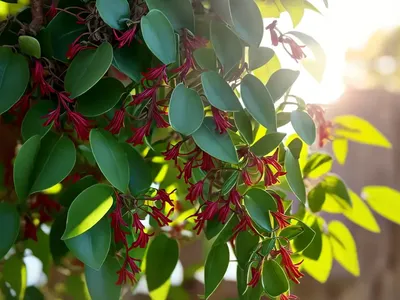
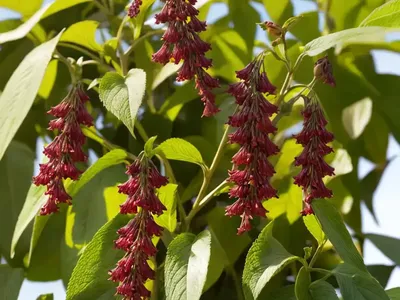
Lonicera X Heckrottii ‘Gold Flame’ (Honeysuckle)
Lonicera x heckrottii ‘Gold Flame,’ commonly known as Gold Flame Honeysuckle, is a stunning and popular flowering vine that has captured the hearts of.
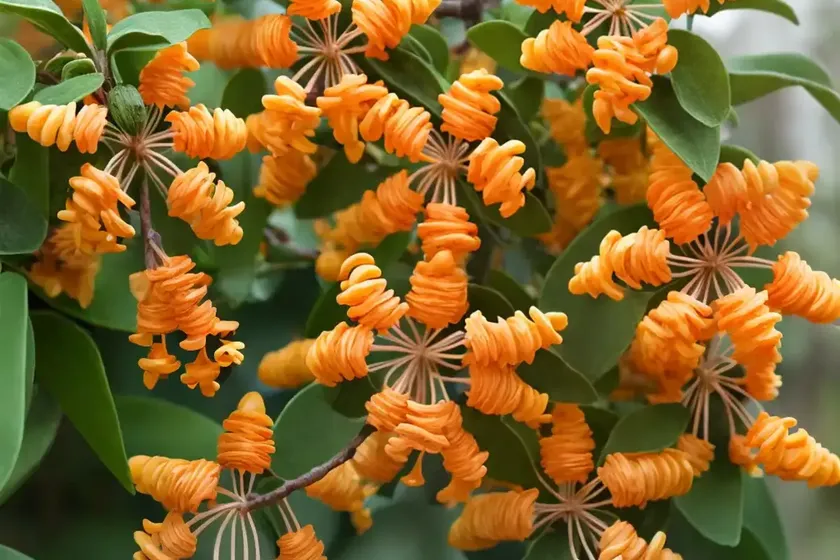
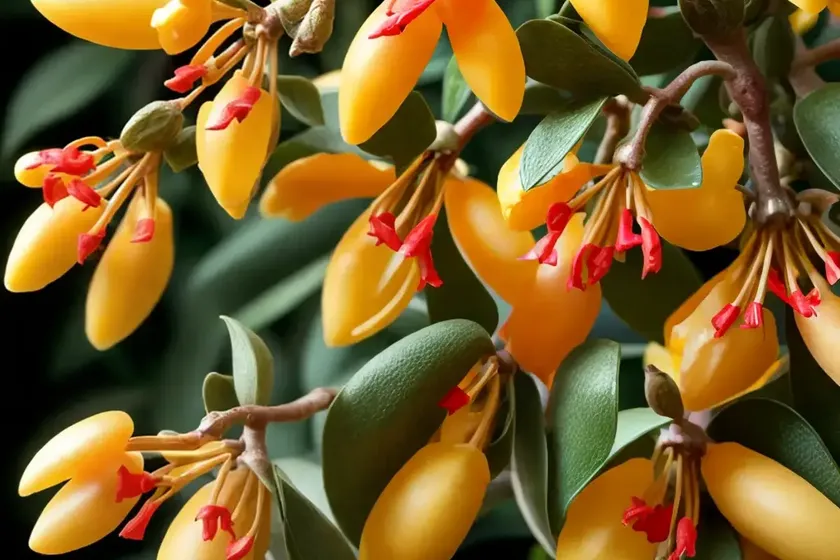
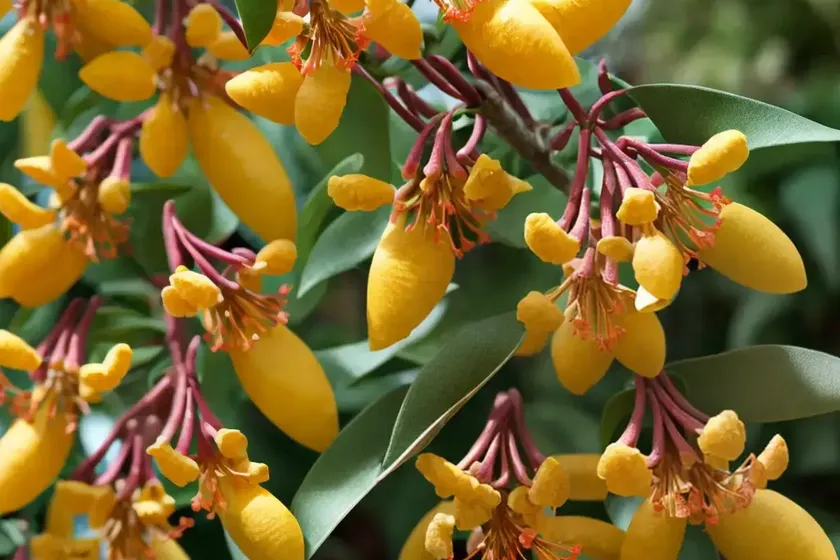
Lonicera x heckrottii ‘Gold Flame,’ commonly known as Gold Flame Honeysuckle, is a stunning and popular flowering vine that has captured the hearts of gardeners and plant enthusiasts worldwide. In this comprehensive guide, we will delve into the various aspects of this beautiful plant, including its culture, uses, growth requirements, common diseases, and much more. Whether you are a novice gardener or an experienced horticulturist, this guide will provide you with valuable insights into the care and cultivation of Lonicera x heckrottii ‘Gold Flame.’
Key Takeaways – Lonicera x heckrottii ‘Gold Flame’ (Honeysuckle)
Before we embark on our exploration of Lonicera x heckrottii ‘Gold Flame,’ let’s take a moment to highlight the key aspects of this remarkable plant:
- Plant Name: Lonicera x heckrottii ‘Gold Flame’ (Honeysuckle)
- Scientific Name: Lonicera x heckrottii
- Common Name: Gold Flame Honeysuckle
- Plant Family: Caprifoliaceae
- Growth Habit: Deciduous Climbing Vine
- Flower Color: Pink, Yellow, and White
- Foliage: Semi-evergreen
- Fragrance: Sweet, Fragrant Flowers
- Uses: Ornamental, Fragrance, Attracts Pollinators
- Hardiness Zone: 4-9
Now that we’ve garnered a brief overview of Lonicera x heckrottii ‘Gold Flame,’ let’s delve deeper into its various aspects.
Culture
Uses
The Gold Flame Honeysuckle is primarily cultivated for its ornamental value. Its exquisite flowers and sweet fragrance make it a charming addition to gardens, landscapes, and even containers. Additionally, its ability to attract pollinators, such as butterflies and hummingbirds, further enhances its appeal as a decorative and wildlife-friendly plant.
Water
When it comes to water requirements, Lonicera x heckrottii ‘Gold Flame’ thrives in moist, well-drained soil. While it is essential to provide adequate water, especially during the establishment phase, it is equally important to avoid waterlogged conditions that can lead to root rot. Regular, deep watering is beneficial, especially during periods of prolonged heat or drought.
Sunlight
In terms of sunlight, the Gold Flame Honeysuckle flourishes in partial to full sun. Providing it with at least 6 hours of direct sunlight per day ensures robust growth and profuse blooming. However, in regions with intense summer heat, some afternoon shade can be advantageous to prevent the plant from becoming overly stressed.
Fertilizer
When it comes to fertilization, applying a balanced, slow-release fertilizer in spring can provide the necessary nutrients for healthy growth and abundant flowering. Additionally, incorporating organic matter into the soil during planting or as a top dressing can offer long-term benefits for the plant’s overall vitality.
Soil
Gold Flame Honeysuckle thrives in well-draining, slightly acidic to slightly alkaline soil. Amending heavy clay soils with organic matter and ensuring good drainage is crucial for optimal growth. While the plant is adaptable to various soil types, maintaining a slightly moist, fertile growing medium yields the best results.
Pruning
Pruning
Pruning plays a vital role in shaping and rejuvenating Lonicera x heckrottii ‘Gold Flame.’ Regular pruning helps maintain a tidy growth habit, encourages prolific flowering, and removes any dead or diseased wood. Pruning is best carried out in late winter or early spring to stimulate new growth and enhance the plant’s overall appearance.
Propagation
The Gold Flame Honeysuckle can be propagated through various methods, including softwood cuttings, hardwood cuttings, and layering. Softwood cuttings taken in late spring to early summer and hardwood cuttings harvested during the dormant season can both yield successful results. Layering, which involves encouraging stem nodes to root while still attached to the parent plant, is another effective propagation technique.
Container Popularity
Lonicera x heckrottii ‘Gold Flame’ is well-suited for container cultivation, making it an excellent choice for patios, balconies, and small gardens. Its cascading growth habit and vibrant blooms create a captivating display in containers, adding a touch of elegance and fragrance to outdoor living spaces.
Common Diseases and Pests
Disease Diagnosis
As with many plants, the Gold Flame Honeysuckle is susceptible to certain diseases, including powdery mildew, leaf spot, and stem cankers. Regular inspection of the foliage and stems can aid in early disease detection. Additionally, providing proper air circulation, avoiding overhead watering, and maintaining overall plant health can help prevent the onset of these common diseases.
Common Pests
While the Gold Flame Honeysuckle is generally resistant to most pests, occasional infestations by aphids, scale insects, and spider mites may occur. These can be effectively managed through measures such as hosing down the plant, applying insecticidal soap, or introducing natural predators to control pest populations.
Botanist’s Tips
Fun Facts
- The Gold Flame Honeysuckle is a hybrid of Lonicera sempervirens and Lonicera americana, resulting in its exquisite and distinctive characteristics.
- The plant’s nectar-rich flowers serve as a valuable food source for hummingbirds and butterflies, enhancing the biodiversity of the surrounding ecosystem.
- Gold Flame Honeysuckle is renowned for its exceptional fragrance, often filling the air with a delightful, sweet scent, especially during the peak of its blooming season.
Links to External Resources
For further information, the following resources offer valuable insights into the cultivation and care of Lonicera x heckrottii ‘Gold Flame’:
- Royal Horticultural Society – Gold Flame Honeysuckle
- Missouri Botanical Garden – Lonicera x heckrottii ‘Gold Flame’
- University of Maryland Extension – Honeysuckle
- North Carolina State University – Growing Honeysuckle
Conclusion
In conclusion, Lonicera x heckrottii ‘Gold Flame’ stands as a captivating and versatile plant that enriches landscapes and gardens with its beauty, fragrance, and ecological value. Whether adorning trellises, fences, or containers, this charismatic vine captivates the senses and provides a haven for pollinators. By understanding its cultural requirements, growth habits, and horticultural practices, enthusiasts can cultivate and appreciate the splendor of Gold Flame Honeysuckle in various settings. As we continue to embrace the allure of this enchanting plant, its enduring charm and grace will undoubtedly continue to inspire and delight for generations to come.