Lonicera Sempervirens ‘Major Wheeler’ (Trumpet Honeysuckle)
Lonicera sempervirens ‘Major Wheeler’, commonly known as the Trumpet Honeysuckle, is a captivating native vine that adds beauty and charm to any garden or.
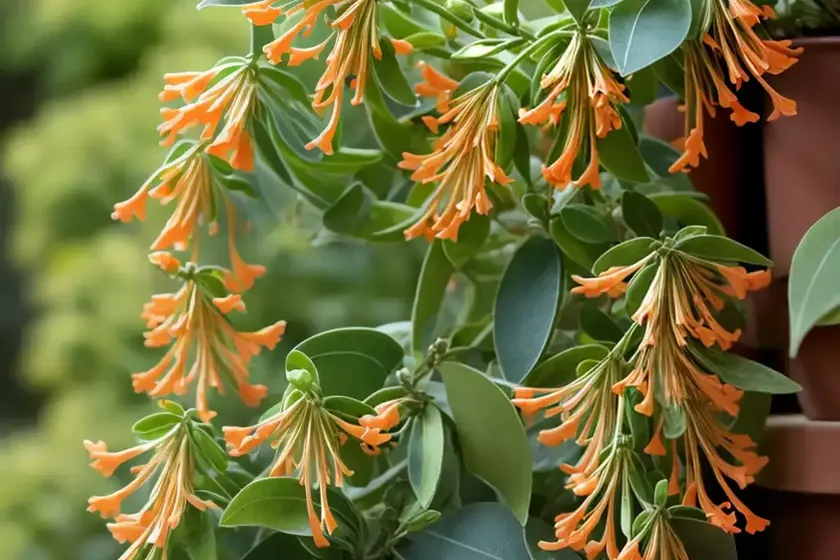
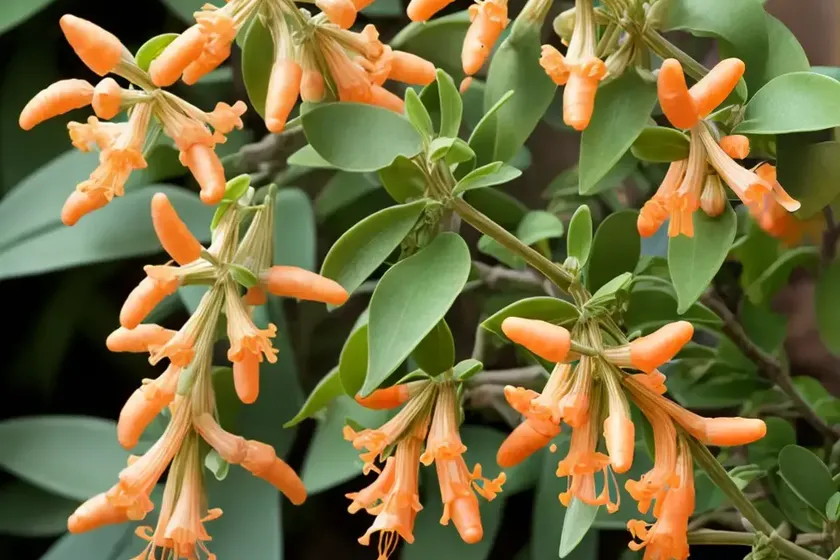
What is Lonicera sempervirens ‘Major Wheeler’ (Trumpet Honeysuckle)?
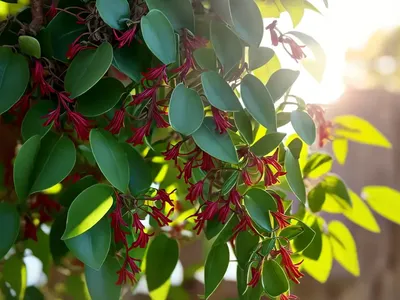
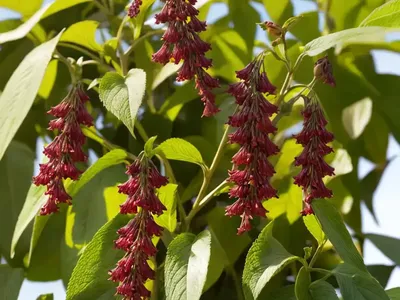
Lonicera sempervirens ‘Major Wheeler’, commonly known as the Trumpet Honeysuckle, is a captivating native vine that adds beauty and charm to any garden or landscape. With its stunning clusters of red, tubular flowers and attractive, lush foliage, this plant has become a favorite among gardeners and landscaping enthusiasts.
Key Takeaways – Lonicera sempervirens ‘Major Wheeler’ (Trumpet Honeysuckle)
Before delving into the details of its culture, uses, and care requirements, let’s outline some key takeaways about the Lonicera sempervirens ‘Major Wheeler’:
- Scientific Name: Lonicera sempervirens ‘Major Wheeler’
- Common Name: Trumpet Honeysuckle
- Family: Caprifoliaceae
- Type: Perennial vine
- Flower Color: Red
- Native: North America
- Attracts: Hummingbirds, butterflies, and other beneficial pollinators
- Characteristics: Fast-growing, low maintenance, and vigorous bloomer
Now that we have an overview of this captivating vine, let’s explore its culture, uses, and how to care for it in your garden or landscape.
Culture
Water
Watering Requirements: The Trumpet Honeysuckle prefers consistently moist, well-draining soil. However, once established, it shows good tolerance to dry conditions. Regular watering, especially during periods of drought, is important for promoting healthy growth and abundant flowering.
Sunlight
Sun Requirements: For optimal performance, plant your Lonicera sempervirens ‘Major Wheeler’ in a location that receives full to partial sunlight. It thrives in bright, sunny conditions and blooms profusely when provided with adequate sunlight.
Fertilizer
Fertilization: Apply a balanced, slow-release fertilizer in early spring to support healthy growth and abundant flowering. Additionally, using a fertilizer specifically formulated for flowering vines can further enhance the blooming potential of the Trumpet Honeysuckle.
Soil
Soil Type: This vine thrives in a variety of soil types, including loamy, sandy, or clay soils. However, it is crucial to ensure good drainage to prevent waterlogging, which can be detrimental to its health.
Pruning
Pruning Requirements: Regular pruning is essential to maintain a tidy and well-shaped appearance. Prune your Lonicera sempervirens ‘Major Wheeler’ in late winter or early spring before new growth begins. Remove any dead or damaged branches, and trim back excessive growth to promote a more compact and vigorous plant.
Uses
Ornamental Beauty
The captivating beauty of the Trumpet Honeysuckle makes it a popular choice for ornamental purposes. It can be trained to climb trellises, arbors, or fences, adding vertical interest and vibrant color to the landscape. Furthermore, its attractive blooms and foliage make it a stunning addition to cottage gardens, wildlife gardens, and naturalized landscapes.
Wildlife Attraction
The red tubular flowers of the Lonicera sempervirens ‘Major Wheeler’ are a magnet for hummingbirds, butterflies, and other pollinators. By incorporating this vine into your garden, you can create a pollinator-friendly environment while enjoying the delightful sight of these charismatic winged visitors.
Erosion Control
Due to its vigorous growth habit and extensive root system, the Trumpet Honeysuckle can be utilized for erosion control on slopes or embankments. The dense foliage and twining nature of this vine contribute to stabilizing the soil and preventing erosion in vulnerable areas.
Propagation
Seed Propagation
The Lonicera sempervirens ‘Major Wheeler’ can be propagated from seeds, although this method may require patience as it can take several years for seed-grown plants to reach maturity and start flowering.
Stem Cuttings
Taking stem cuttings in late spring or early summer is an effective way to propagate this vine. Select healthy, semi-hardwood stems and propagate them in a well-draining, moist rooting medium. With proper care and favorable conditions, the cuttings will develop roots and grow into new plants.
Container Popularity
The Lonicera sempervirens ‘Major Wheeler’ can be grown in containers, making it a versatile choice for gardeners with limited space or those seeking to create a vertical garden display. When grown in containers, it can be positioned on patios, balconies, or near outdoor seating areas, allowing the enchanting fragrance and vibrant blooms to be enjoyed up close.
Container Common Diseases
While container-grown Trumpet Honeysuckle plants are generally less susceptible to soil-borne diseases, they may still encounter certain issues when cultivated in containers.
Disease Diagnosis
Common container diseases that may affect the Lonicera sempervirens ‘Major Wheeler’ include:
- Root rot: Caused by overwatering or poorly draining soil
- Powdery mildew: Fungal disease that thrives in humid and poorly ventilated conditions
- Botrytis blight: Gray mold that affects flowers and foliage, often favored by high humidity and wet conditions
Appropriate cultural practices, including proper watering, adequate airflow, and disease prevention measures, can help mitigate these issues in container-grown plants.
Common Pests
Pests such as aphids, spider mites, and scale insects can occasionally pose a threat to container-grown Trumpet Honeysuckle plants. Regular monitoring and prompt intervention can aid in controlling and managing pest infestations.
Botanist’s Tips
Soil Preparation
Before planting Lonicera sempervirens ‘Major Wheeler’, prepare the soil by incorporating organic matter such as compost or well-rotted manure. This enhances soil fertility, improves drainage, and provides essential nutrients for the healthy establishment and growth of the vine.
Support Structure
As a climbing vine, the Trumpet Honeysuckle requires a sturdy support structure for its vigorous growth. Install trellises, arbors, or fences to provide the necessary framework for the plant to twine and climb, ensuring that the support is secured firmly into the ground or against a stable structure.
Mulching
Apply a layer of organic mulch around the base of the plant to conserve soil moisture, suppress weed growth, and provide insulation for the root system. Mulching also contributes to the overall health and vigor of the vine, promoting optimal growing conditions.
Fun Facts
- The Trumpet Honeysuckle is a native plant in North America and is particularly well-adapted to the natural ecosystems of the region.
- The tubular flowers of Lonicera sempervirens ‘Major Wheeler’ are designed to attract hummingbirds, with their vibrant coloration and nectar-rich blooms serving as a valuable food source for these fascinating avian visitors.
- Despite its delicate appearance, the Trumpet Honeysuckle is remarkably resilient and can withstand a range of environmental conditions, including periods of drought and fluctuating temperatures.
Now that we’ve covered the culture, uses, and care requirements of the Lonicera sempervirens ‘Major Wheeler’, it’s important to explore additional resources and in-depth information to support its successful cultivation. Below are links to external resources that provide valuable insights and guidance for gardening enthusiasts and plant lovers.
Links to External Resources
- Plant Native – Comprehensive information about the native range and ecological benefits of Lonicera sempervirens ‘Major Wheeler’.
- The Hummingbird Society – Insights into the significance of Trumpet Honeysuckle as a valuable nectar source for hummingbirds.
- North Carolina State University Extension – Detailed plant profile and cultivation guidelines for the Trumpet Honeysuckle, including care tips and recommended uses.
- Lady Bird Johnson Wildflower Center – Information on the botanical features, habitat, and wildlife value of Lonicera sempervirens ‘Major Wheeler’.
- USDA Plants Database – Official plant guide providing botanical details, distribution maps, and ecological characteristics of the Trumpet Honeysuckle.
By exploring these external resources, you can gain a deeper understanding of the Lonicera sempervirens ‘Major Wheeler’ and equip yourself with the knowledge needed to cultivate and appreciate this remarkable native vine in your own garden or landscape.
In conclusion, the Trumpet Honeysuckle (Lonicera sempervirens ‘Major Wheeler’) stands as a testament to the beauty, resilience, and ecological importance of native plants. Its vibrant blooms, wildlife-friendly attributes, and low-maintenance nature make it a valuable addition to any garden, providing visual appeal and contributing to the conservation of native flora and fauna.
Whether you’re an avid gardener, a wildlife enthusiast, or someone who simply appreciates the wonders of nature, integrating the Trumpet Honeysuckle into your outdoor space offers a myriad of benefits and opportunities to connect with the natural world.
As you embark on your journey of cultivating and nurturing this captivating vine, let the enchanting allure of Lonicera sempervirens ‘Major Wheeler’ inspire and delight you, while enriching your surroundings with its timeless grace and ecological significance.