Lonicera Dioica (Limber Honeysuckle)
Lonicera dioica, commonly known as limber honeysuckle, is a delightful flowering plant that belongs to the Caprifoliaceae family. This native North.
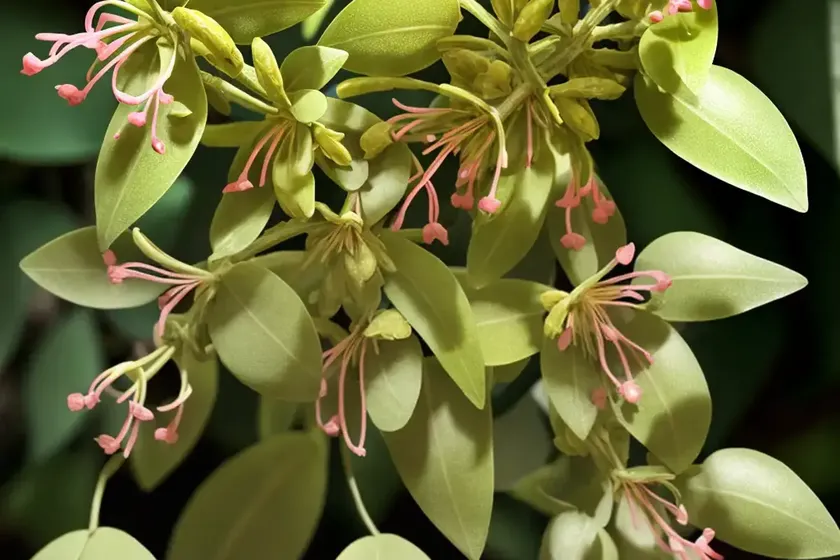
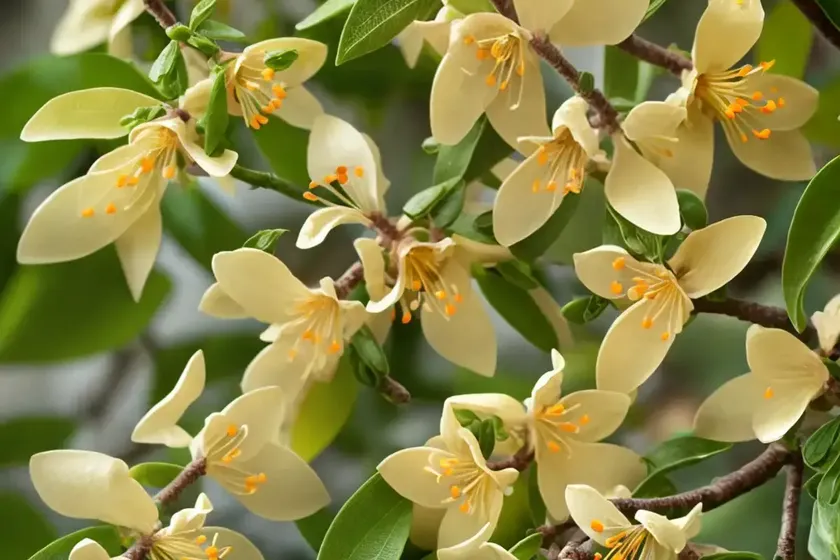
Lonicera dioica, commonly known as limber honeysuckle, is a delightful flowering plant that belongs to the Caprifoliaceae family. This native North American plant has garnered attention for its ornamental features, ecological significance, and uses in traditional medicine. In this comprehensive guide, we’ll delve into the many facets of Lonicera dioica, covering its characteristics, cultivation, uses, ecological role, and much more. Join me as we explore the captivating world of Lonicera dioica and gain insights into the care and cultivation of this remarkable plant.
What is Lonicera dioica?
Lonicera dioica, or limber honeysuckle, is a deciduous shrub with a sprawling growth habit. It is native to North America and is primarily found in regions with moist soils, such as along stream banks and in wooded areas. The plant is known for its showy tubular flowers that are rich in nectar, making it a valuable resource for pollinators and wildlife.
Key Takeaways – Lonicera dioica (Limber Honeysuckle)
Before diving into the details, let’s summarize the key takeaways about Lonicera dioica, also known as limber honeysuckle.
- Common Name: Limber Honeysuckle
- Family: Caprifoliaceae
- Native Range: North America
- Flowering Season: Late spring to early summer
- Habitat: Moist soils, stream banks, wooded areas
- Ecological Role: Provides nectar for pollinators and supports wildlife
- Cultural Significance: Used in traditional medicine
- Growth Habit: Deciduous shrub with a sprawling form
Now that we have an overview of Lonicera dioica, let’s explore its cultivation, characteristics, and ecological significance in more detail.
Lonicera dioica Characteristics
Lonicera dioica is characterized by several distinctive features that make it a valuable addition to gardens and natural landscapes. Understanding the plant’s characteristics is essential for successful cultivation and appreciation of its ecological benefits.
Plant Description
| Attribute | Description |
|---|---|
| Height | 3-6 feet (0.9-1.8 meters) |
| Spread | 6-10 feet (1.8-3 meters) |
| Foliage | Opposite, simple, ovate to lanceolate leaves |
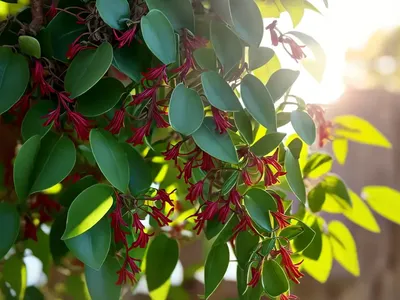
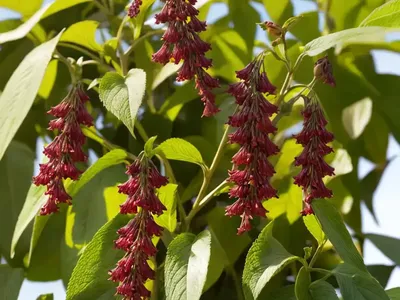
| Flowers | Tubular, red to orange, borne in terminal clusters |
| Fruits | Red berries |
| Growth Habit | Deciduous shrub with a sprawling form |
Flower Characteristics
The vibrant tubular flowers of Lonicera dioica are a defining feature of the plant. Here are some key characteristics of its blooms:
- Color: The flowers are typically red to orange, adding a splash of color to the landscape.
- Fragrance: Some varieties may have a mild, pleasant fragrance that attracts pollinators.
Lonicera dioica Plant Profile
To gain a comprehensive understanding of Lonicera dioica, let’s delve into its plant profile, covering its habitat, ecological role, and cultural uses.
Habitat and Native Range
Lonicera dioica is native to North America, where it thrives in a variety of habitats, including:
- Moist Soils: The plant is commonly found in areas with consistently moist soils, such as along stream banks and in wooded areas.
- Wooded Habitats: It can also be spotted in forested regions where it benefits from dappled sunlight and organic-rich soil.
Ecological Role
As a valuable native plant, Lonicera dioica plays a vital ecological role by providing resources for wildlife and supporting healthy ecosystems:
- Wildlife Benefits: The nectar-rich flowers attract a variety of pollinators, including bees, butterflies, and hummingbirds, making it a valuable food source for these beneficial insects and birds.
- Habitat Support: The sprawling growth habit and dense foliage offer cover and nesting sites for small mammals and birds, contributing to the overall biodiversity of the area.
Medicinal and Cultural Uses
In addition to its ecological significance, Lonicera dioica has a history of use in traditional medicine, with some indigenous cultures recognizing its therapeutic properties:
- Traditional Medicine: Certain indigenous communities have used parts of the plant for medicinal purposes, including treating minor ailments and promoting overall well-being.
- Cultural Significance: The plant’s presence in traditional medicine reflects its cultural significance and role in indigenous healing practices.
Limber Honeysuckle: Growing Tips and Care Guide
Cultivating Lonicera dioica in home gardens or natural landscapes requires attention to its specific care needs, including water, sunlight, soil, and pruning. Let’s explore the essential growing tips and care guide for this captivating plant.
Water
Lonicera dioica thrives in moist soil conditions, making it important to provide adequate water, especially during dry periods. Here are some tips for watering the plant:
- Moisture Requirements: The plant prefers consistently moist soil, especially during the growing season and hot, dry weather.
- Watering Frequency: Water deeply and regularly, especially during the initial establishment period and in the absence of natural rainfall.
Sunlight
Understanding the plant’s sunlight requirements is crucial for ensuring healthy growth and abundant flowering:
- Light Exposure: Lonicera dioica thrives in partial shade to full sun, with some protection from intense afternoon sun in warmer regions.
- Shade Tolerance: It can also tolerate dappled shade, making it suitable for woodland garden settings.
Soil
Providing the right soil conditions is essential for the successful growth of Lonicera dioica. Here’s what you need to know about soil requirements:
- Soil Type: Well-drained, loamy soil with organic matter content is ideal for Lonicera dioica.
- pH Level: The plant prefers slightly acidic to neutral soil with a pH range of 5.5 to 7.5.
Fertilizer
While Lonicera dioica is relatively low-maintenance, providing occasional fertilization can support its growth and flowering:
- Fertilizer Type: Use a balanced, slow-release fertilizer or organic compost in spring to provide essential nutrients.
- Application Rates: Follow the manufacturer’s recommendations for application rates, and avoid over-fertilization, which can lead to excessive foliage at the expense of flowers.
Pruning
Pruning is essential for maintaining the health and appearance of Lonicera dioica and promoting vigorous growth and flowering:
- Pruning Timing: Conduct pruning in late winter or early spring before new growth emerges.
- Pruning Techniques: Remove damaged or diseased wood, and shape the plant as needed to maintain a balanced form and encourage flowering.
Propagation
If you wish to propagate Lonicera dioica or share its beauty with others, consider the following propagation methods:
- Seed Propagation: Collect ripe berries in late summer, extract the seeds, and sow them in a prepared seedbed for germination.
- Cutting Propagation: Take semi-hardwood cuttings in late summer or early fall, and root them under controlled conditions to establish new plants.
Limber Honeysuckle in Containers
While Lonicera dioica is well-suited to naturalized settings, it can also thrive in container gardens, provided that its specific care requirements are met:
Container Requirements
- Size: Choose a large container that accommodates the plant’s sprawling growth habit and provides ample space for the roots to expand.
- Drainage: Ensure that the container has adequate drainage holes to prevent waterlogging and root rot.
- Soil: Use a well-draining potting mix with organic matter to support the plant’s growth.
Container Gardening Tips
- Watering: Monitor the soil moisture in the container and provide consistent moisture, especially during hot weather.
- Sunlight: Place the container in a location that receives partial shade to full sun, and adjust its position as needed to optimize light exposure.
Popular Uses in Containers
- Patio Gardens: Lonicera dioica adds a vibrant splash of color and attracts pollinators, making it a delightful addition to patio gardens.
- Balcony Landscapes: Its compact growth and showy flowers make it well-suited for adding vertical interest and visual appeal to balcony spaces.
Common Diseases and Pest Management
While Lonicera dioica is relatively resilient, it can be susceptible to certain diseases and pests. Understanding these potential threats is essential for proactive management and care:
Common Diseases
- Powdery Mildew: Fungal disease that appears as a powdery white substance on leaves and stems, typically in humid conditions.
- Leaf Spot: Fungal infection characterized by dark, irregular spots on the foliage, which can lead to premature leaf drop if left untreated.
Disease Diagnosis
- Symptom Recognition: Monitor the plant for signs of discoloration, spotting, or abnormal growth, and inspect the undersides of leaves for signs of fungal growth.
- Treatment: Implement cultural practices such as water management and air circulation, and consider fungicidal treatments if diseases persist.
Common Pests
- Aphids: Small, sap-sucking insects that can distort new growth and excrete honeydew, leading to sooty mold development.
- Spider Mites: Tiny arachnids that thrive in hot, dry conditions and can cause stippling and webbing on the foliage.
Pest Management
- Natural Predators: Encourage natural predators such as ladybugs and lacewings, which feed on aphids and help control their populations.
- Horticultural Oils: Apply horticultural oils to suffocate spider mites and their eggs, effectively managing their numbers.
Botanist’s Tips for Lonicera dioica
As a plant scientist, I recommend the following tips for successfully growing and appreciating Lonicera dioica in your garden:
- Native Plant Landscapes: Incorporate Lonicera dioica into native plant landscapes to support local biodiversity and provide essential resources for pollinators and wildlife.
- Companion Planting: Pair Lonicera dioica with flowering perennials and grasses to create visually appealing combinations and enhance pollinator habitats.
- Wildlife Gardens: Designate an area in your garden as a wildlife-friendly space and include Lonicera dioica to attract birds, butterflies, and other beneficial wildlife.
Fun Facts About Lonicera dioica
Let’s explore some intriguing and lesser-known facts about Lonicera dioica, adding to the charm and allure of this captivating plant:
- Bird Attraction: The red berries of Lonicera dioica are relished by birds, adding a delightful touch of wildlife interest to the landscape.
- Fragrance: Certain varieties of Lonicera dioica may emit a mild, sweet fragrance, creating a sensory delight for garden visitors.
- Historical Uses: Indigenous peoples have historically used parts of Lonicera dioica for various medicinal purposes, reflecting its cultural and healing significance.
Links to External Resources
For additional information and resources on Lonicera dioica, explore the following links:
- USDA Plants Database – Lonicera dioica
- Lady Bird Johnson Wildflower Center – Lonicera dioica
- North Carolina State University Extension – Limber Honeysuckle
- University of Oklahoma – Native Plants of North America – Lonicera dioica
Conclusion
In conclusion, Lonicera dioica, or limber honeysuckle, is a plant of remarkable beauty, ecological significance, and cultural value. With its vibrant flowers, wildlife benefits, and potential for use in traditional medicine, it holds a special place in native plant landscapes and naturalized settings. By understanding its characteristics, cultivation requirements, and ecological role, we can fully appreciate the contributions of Lonicera dioica to biodiversity, wildlife habitat, and garden aesthetics. Whether in home gardens, public landscapes, or natural areas, this captivating plant enriches the environment and delights all who encounter its splendor.
As we continue to embrace native plants and their ecological importance, let’s celebrate the enduring allure of Lonicera dioica, a cherished gem in the tapestry of North American flora.
Remember, by cultivating and appreciating plants like Lonicera dioica, we contribute to the preservation of our natural heritage and the well-being of our ecosystems. May the beauty and ecological benefits of Lonicera dioica inspire us to further engage with native plants and the wonders of the natural world.
Thank you for joining me on this exploration of Lonicera dioica. I hope you found this guide informative and inspiring. Happy gardening and appreciation of native plants!