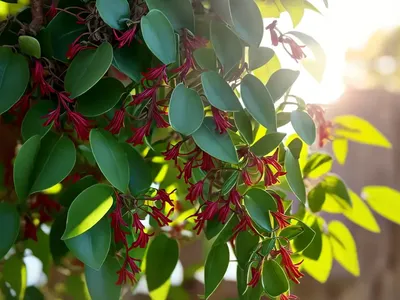
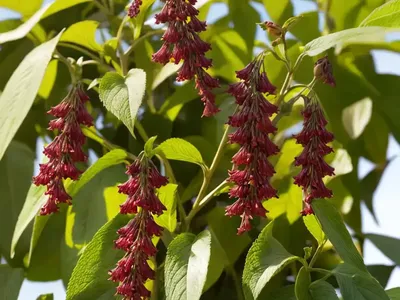
Lonicera Ciliosa (Orange Honeysuckle)
Lonicera ciliosa, commonly known as Orange Honeysuckle, is a beautiful and versatile plant that belongs to the Caprifoliaceae family. This stunning vine is.
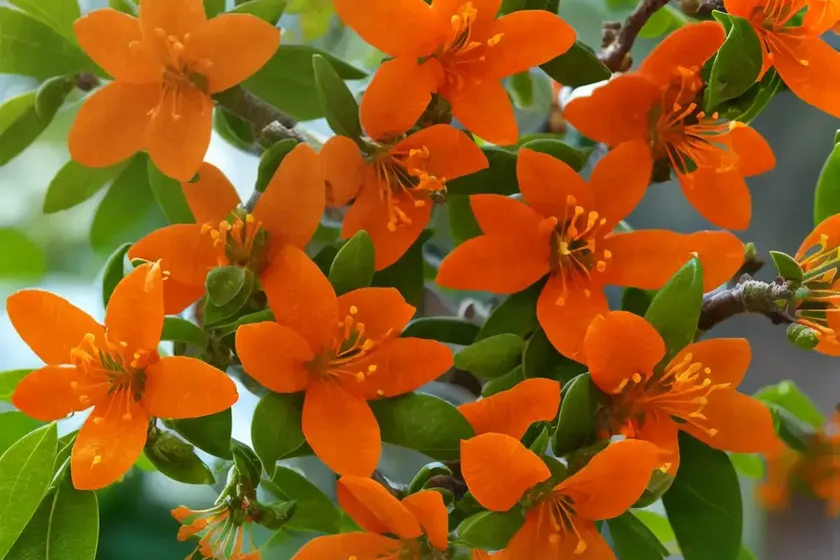
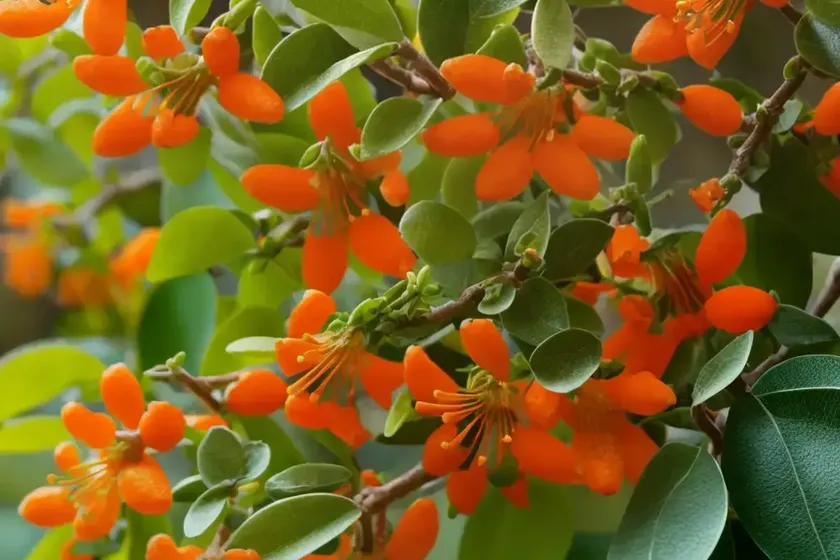
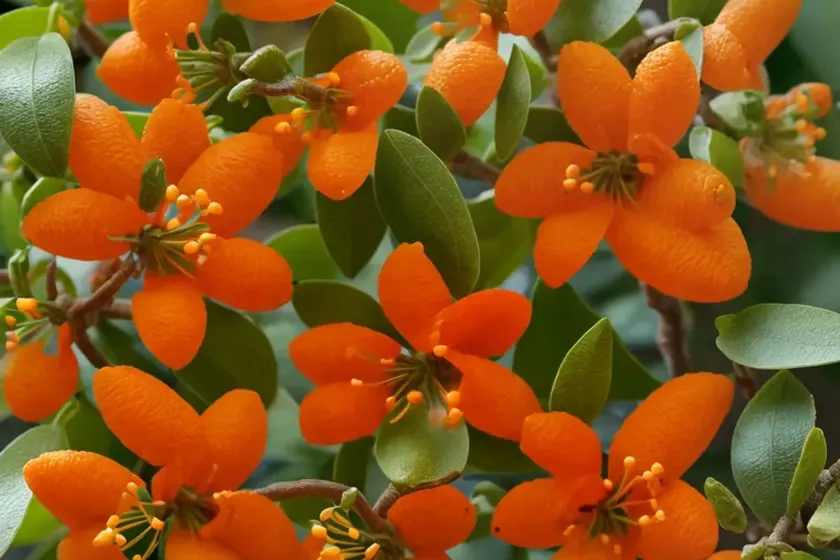
Lonicera ciliosa, commonly known as Orange Honeysuckle, is a beautiful and versatile plant that belongs to the Caprifoliaceae family. This stunning vine is native to western North America and is cherished for its vibrant orange tubular flowers, which attract various pollinators, including hummingbirds and butterflies. In this comprehensive guide, we will delve into the characteristics, cultivation, and various uses of Lonicera ciliosa, providing you with all the information you need to successfully grow and appreciate this wonderful plant.
Lonicera Ciliosa Characteristics
Lonicera ciliosa possesses a myriad of characteristics that make it a valuable addition to any garden or landscape. Here are some key characteristics of this captivating plant:
- Beautiful tubular orange flowers
- Attracts hummingbirds and butterflies
- Can be used as a climber or ground cover
- Lush green foliage
- Hardy and adaptable
Orange Honeysuckle Plant
Culture
Water:
Lonicera ciliosa generally thrives in moist to moderately dry soil conditions. When establishing the plant, it is essential to ensure consistent moisture to aid in root development. However, once mature, it exhibits a good level of drought tolerance, making it suitable for varying water conditions.
Sunlight:
This plant prefers partial to full sunlight, making it ideal for gardens with varying light exposure.
Fertilizer:
While Lonicera ciliosa can adapt to different soil types, providing a balanced fertilizer during the growing season can promote healthy foliage and abundant blooms.
Soil:
Well-draining, fertile soil is crucial for the successful cultivation of Lonicera ciliosa. Loamy or sandy soil types are generally preferred, and the addition of organic matter can further enhance the soil quality.
Pruning
Regular pruning can help maintain the shape and health of the plant. It is recommended to prune Lonicera ciliosa after the flowering period to remove any dead or damaged growth and to control its size.
Lonicera Ciliosa Care Tips
Successfully growing Lonicera ciliosa requires attention to certain care tips to ensure its health and vitality. Here are some effective care tips for this plant:
- Ensure consistent moisture during the establishment phase
- Provide appropriate support for climbing varieties
- Regularly check for signs of pests and diseases
- Prune after the flowering period to maintain shape and promote new growth
Orange Honeysuckle Varieties
Lonicera ciliosa is primarily known for its striking orange tubular flowers. However, there are various cultivars and hybrids available, offering different flower colors and growth habits. Some popular varieties include:
- Lonicera ciliosa ‘Peaches and Cream’
- Lonicera ciliosa ‘Golden Trumpet’
Lonicera Ciliosa Growing Conditions
Water
Watering is crucial during the establishment phase, and the plant generally thrives in moderately moist conditions. However, it exhibits good drought tolerance once established.
Sunlight
Lonicera ciliosa prefers partial to full sunlight, making it adaptable to varying light conditions within a garden or landscape.
Fertilizer
Applying a balanced fertilizer during the growing season can promote healthy growth and abundant flowering.
Soil
Well-draining, fertile soil with added organic matter is ideal for this plant’s successful cultivation.
Orange Honeysuckle Facts
- Lonicera ciliosa is native to western North America.
- The plant is known for attracting various pollinators, including hummingbirds and butterflies.
- It can be used as a climbing vine or ground cover.
- The flowers are characterized by their vibrant orange color.
Lonicera Ciliosa Uses
Cultivation
Lonicera ciliosa is widely cultivated for its ornamental value, making it a popular choice for gardens, landscapes, and naturalized areas. Its attractive flowers and wildlife appeal make it a valuable asset to various settings.
Benefits
Apart from its ornamental value, the plant provides ecological benefits by attracting and supporting pollinators, thereby contributing to the overall health of the ecosystem.
Medicinal Properties
Historically, some species of the Lonicera genus have been used in traditional medicine for their various therapeutic properties. While specific details about the medicinal uses of Lonicera ciliosa are limited, it is important to note the potential value of this plant in traditional healing practices.
Orange Honeysuckle Planting Guide
Species
Lonicera ciliosa is part of the Lonicera genus and is specifically known for its striking orange flowers and ecological importance.
Propagation Methods
The plant can be propagated through various methods, including:
- Seed germination
- Stem cuttings
Native Habitat
Lonicera ciliosa is native to western North America, particularly in regions with diverse ecosystems and varying climatic conditions.
Lonicera Ciliosa Species
Lonicera ciliosa belongs to the Caprifoliaceae family and is recognized for its vibrant flowers and attractive foliage. It is a distinct species within the Lonicera genus and has garnered attention for its ecological significance.
Pests and Diseases
Common Pests
While Lonicera ciliosa is generally resistant to many pests, occasional infestations from aphids or spider mites may occur. Regular inspection and prompt intervention can effectively manage pest issues.
Disease Diagnosis
The plant may be susceptible to certain fungal diseases, particularly in conditions of excessive moisture. Proper air circulation and appropriate watering can help prevent common fungal issues.
Orange Honeysuckle Gardening Tips
Botanist’s Tips
- Selecting an appropriate location with partial to full sunlight is essential for the successful cultivation of Lonicera ciliosa.
- Regular monitoring for pests and diseases can help maintain the plant’s health and vigor.
- Providing structural support for climbing varieties is crucial to ensure their growth and stability.
Fun Facts
Wildlife Attraction
Lonicera ciliosa is highly attractive to various wildlife, particularly hummingbirds and butterflies. By planting this species, you can create a vibrant and lively ecosystem in your garden.
Fragrance
Some varieties of Lonicera ciliosa may possess a sweet and delicate fragrance, enhancing the sensory experience in your garden.
Links to External Resources
For more detailed information and resources related to Lonicera ciliosa, you can explore the following links:
Conclusion
Lonicera ciliosa, or Orange Honeysuckle, is truly a remarkable plant that offers both aesthetic beauty and ecological significance. With its vibrant flowers, versatile uses, and wildlife appeal, it has rightfully earned its place in gardens and landscapes. By understanding its characteristics, cultivation requirements, and various uses, you can embrace the full potential of this wonderful plant and create a thriving habitat for both flora and fauna. Whether you’re a seasoned gardener or a nature enthusiast, Lonicera ciliosa is undoubtedly a plant worth celebrating and nurturing in diverse outdoor settings.