Lonicera Periclymenum ‘Peaches And Cream’ (Dutch Honeysuckle)
Lonicera periclymenum ‘Peaches and Cream’, commonly known as Dutch Honeysuckle, is a charming and versatile plant that has gained popularity among.
Introduction
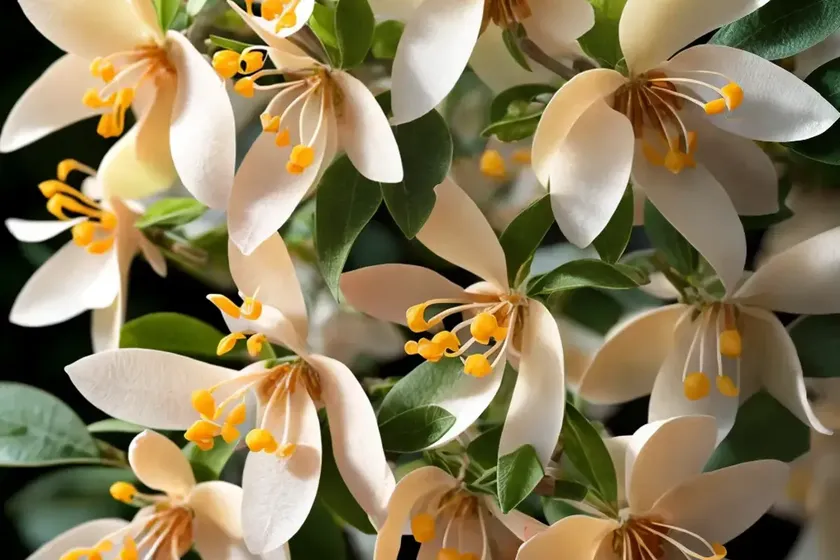
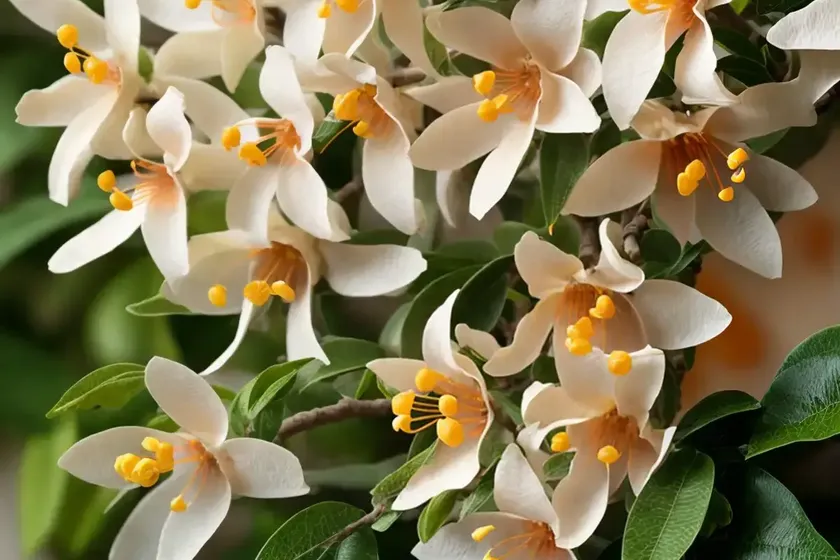
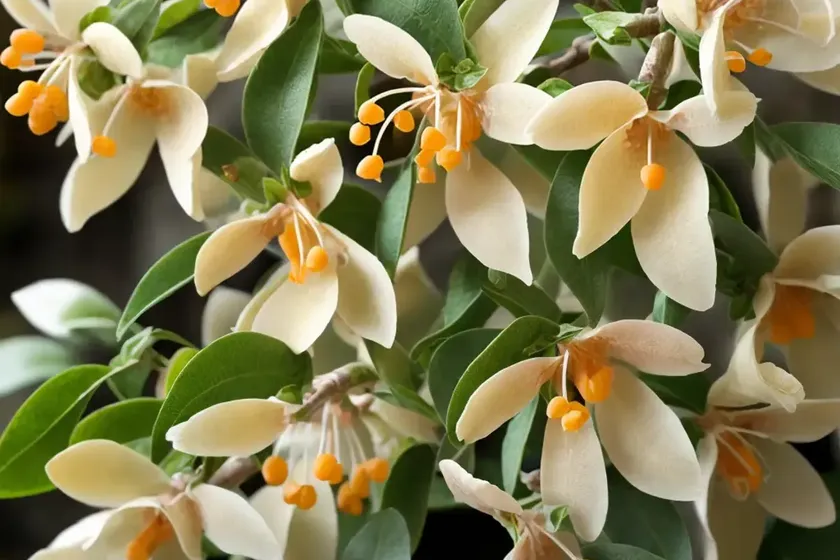
Lonicera periclymenum ‘Peaches and Cream’, commonly known as Dutch Honeysuckle, is a charming and versatile plant that has gained popularity among gardeners and landscapers for its stunning peach-colored blooms and enticing fragrance. This article serves as a comprehensive guide to understanding and caring for this delightful plant, encompassing its cultural preferences, uses, care tips, common diseases and pests, propagation methods, and much more. Whether you are an avid gardener, a landscaping enthusiast, or simply someone who appreciates the beauty of plants, this guide aims to provide valuable insights into the world of Lonicera periclymenum ‘Peaches and Cream’.
Key Takeaways: Lonicera periclymenum ‘Peaches and Cream’ (Dutch Honeysuckle)
Lonicera periclymenum ‘Peaches and Cream’ Description
- Dutch Honeysuckle with peach-colored flowers
- Fragrant and attractive vines
- Colors ranging from peach to creamy white
Dutch Honeysuckle Varieties
- The Lonicera periclymenum species includes various beautiful varieties with diverse flower colors such as pink, white, and yellow.
Peach-colored Lonicera periclymenum
- Distinctive peach-colored blooms
- Adds an enchanting touch to gardens and landscapes
Lonicera periclymenum Characteristics
- Deciduous vine
- Fast-growing nature
- Twining and climbing growth habit
- Attracts pollinators and wildlife
Peach and Cream Dutch Honeysuckle
- ‘Peaches and Cream’ is a specific cultivar known for its delightful peach and cream-colored flowers.
Lonicera periclymenum Colors
- Varied flower colors including peach, cream, and white
Dutch Honeysuckle Care Tips
- Requires regular watering
- Benefits from proper pruning
- Thrives in sunny to partially shaded locations
- Nutrient-rich soil is essential for healthy growth
Lonicera periclymenum Gardening Tips
- Suitable for landscaping, trellises, and arbors
- Ideal for attracting hummingbirds and butterflies
- Considered as versatile and low-maintenance plant
Dutch Honeysuckle Plant Profile
- Native to Europe and Western Asia
- Belongs to the Caprifoliaceae family
- Well-adapted to temperate climates
Lonicera periclymenum Growing Guide
- Exhibits vigorous growth under favorable conditions
- Prized for its ornamental and fragrant flowers
‘Peaches and Cream’ Honeysuckle Information
- Enchanting addition to gardens, particularly when grown as a climbing vine
- Offers a delicate fragrance that permeates the surroundings
Lonicera periclymenum Cultivars
- Various cultivars available with unique flower colors and growth habits
Dutch Honeysuckle Plant Family
- Lonicera periclymenum belongs to the Honeysuckle family (Caprifoliaceae)
Lonicera periclymenum Flower Details
- Clusters of tubular-shaped, sweet-scented flowers
- Visually appealing and ornamental
‘Peaches and Cream’ Honeysuckle Uses
- Ornamental garden plant
- Attracts birds, bees, and other beneficial pollinators
Lonicera periclymenum Varieties
- Different varieties possess distinct flower colors and growth habits
Dutch Honeysuckle Garden Benefits
- Enhances the aesthetic appeal of gardens and landscapes
- Functions as a natural magnet for pollinators
Lonicera periclymenum Fragrance
- Distinctive sweet fragrance
- Offers olfactory pleasure to garden enthusiasts
‘Peaches and Cream’ Honeysuckle Planting Tips
- Thrives in well-draining soil
- Requires regular watering, especially during the initial growth phase
Lonicera periclymenum Health Benefits
- Known for its herbal medicinal properties
- Historically utilized for its healing and therapeutic qualities
Dutch Honeysuckle Pruning Techniques
- Regular pruning is recommended
- Helps maintain a healthy and aesthetically pleasing shape
Lonicera periclymenum Wildlife Attraction
- Attracts a diverse range of wildlife, including birds, butterflies, and bees
‘Peaches and Cream’ Honeysuckle Pest Control
- Susceptible to certain pests, necessitating appropriate pest control measures
Lonicera periclymenum Zone Requirements
- Well-suited to grow in USDA Hardiness Zones 5-9
- Tolerant of a range of climatic conditions within this zone range
Dutch Honeysuckle Blooming Season
- Typically blooms from late spring to early summer
- Offers a visually stunning floral display during this period
Lonicera periclymenum Water Requirements
- Moderate water needs
- Proper irrigation is crucial, especially during the onset of summer
‘Peaches and Cream’ Honeysuckle Uses in Landscaping
- Ideal for adorning fences, trellises, and arbors
- Provides a picturesque backdrop in garden landscapes
Lonicera periclymenum Winter Care
- Benefits from a layer of mulch to protect the roots during winter
- Ideally pruned to remove dead or weak growth before winter sets in
Dutch Honeysuckle Invasive Tendencies
- Can exhibit invasive tendencies in certain regions
- Caution is advised to prevent the plant from becoming invasive
Lonicera periclymenum Container Gardening
- Suitable for growing in containers and pots
- Requires adequate support for climbing growth habits
‘Peaches and Cream’ Honeysuckle Trellis Support
- Benefits from sturdy trellises or supports to aid in climbing and vine growth
- Trellis supports also contribute to an organized and aesthetically pleasing display
Lonicera periclymenum Sun Exposure
- Flourishes in full sun to partial shade
- Requires at least 6 hours of sunlight per day for optimal growth and flowering
Dutch Honeysuckle Soil Preferences
- Thrives in fertile, well-draining soil
- Enriching the soil with organic matter is advantageous
Lonicera periclymenum Companion Plants
- Complements well with other flowering shrubs and perennials
- Suitable companions contribute to an attractive and harmonious garden composition
‘Peaches and Cream’ Honeysuckle Garden Design
- Adds a touch of elegance and charm to garden landscapes
- A versatile choice for diverse garden design themes
Lonicera periclymenum Wildlife Habitat
- Aids in creating a biodiverse environment
- Serves as a valuable habitat for pollinators and wildlife
Dutch Honeysuckle Disease Resistance
- Exhibits some level of resistance to certain diseases
- Proper care and maintenance can further enhance disease resistance
Lonicera periclymenum Propagation Methods
- Can be propagated through seeds, cuttings, or layering
- Offers flexibility in terms of propagation techniques
‘Peaches and Cream’ Honeysuckle Native Habitat
- Indigenous to regions of Europe and Western Asia
- Displays naturalized growth in diverse habitats
Lonicera periclymenum Medicinal Uses
- Historical usage in herbal medicine
- Contains compounds with potential health benefits
Dutch Honeysuckle Pollinator Attraction
- A magnet for bees, butterflies, and hummingbirds
- Supports important pollinator species in the ecosystem
Lonicera periclymenum Container Care
- Proper container size and support structures are essential
- Regular watering and fertilization are crucial for container-grown plants
‘Peaches and Cream’ Honeysuckle Growth Rate
- Exhibits a moderately fast growth rate under favorable conditions
- Regular pruning can help control the growth rate
Lonicera periclymenum Pruning Season
- Appropriate pruning in late winter or early spring
- Encourages healthy growth and flowering
Dutch Honeysuckle Leaf Characteristics
- Deciduous foliage
- Simple, opposite leaves with a distinctive green hue
Lonicera periclymenum Fertilizing Tips
- Benefits from a balanced, slow-release fertilizer
- Apply fertilizer in the spring to support vigorous growth and flowering
‘Peaches and Cream’ Honeysuckle Landscape Uses
- Ideal for enhancing landscapes with its charming blooms
- Suitable for various garden and landscape design applications
Lonicera periclymenum Drought Tolerance
- Displays moderate drought tolerance once established
- Regular watering is still crucial during prolonged dry spells
Dutch Honeysuckle Vine Maintenance
- Regular maintenance is required to control the growth and maintain a neat appearance
- Pruning and training are key aspects of vine maintenance
Lonicera periclymenum Climate Requirements
- Well-adapted to temperate climates
- Thrives in regions with distinct seasons and moderate rainfall
Cultivation
Culture
Lonicera periclymenum ‘Peaches and Cream’ thrives in a favorable cultural environment that provides the essential growing conditions for its vigorous development and stunning floral display.
Water
Regular and consistent watering is crucial, especially during the initial stages of growth and flowering. Adequate soil moisture supports healthy growth and prevents stress-induced issues.
Sunlight
This plant flourishes in full sun to partial shade. It requires at least 6 hours of sunlight per day to promote robust growth and abundant blooming.
Fertilizer
Applying a balanced, slow-release fertilizer in the spring supports the plant’s nutrient requirements for vigorous growth and profuse flowering. Regular fertilization contributes to the overall health and vitality of the plant.
Soil
Lonicera periclymenum ‘Peaches and Cream’ prefers fertile, well-draining soil. Enriching the soil with organic matter enhances its growth and overall performance. Moist but well-drained soil is essential for preventing waterlogging, which can lead to root rot.
Pruning
Regular pruning helps maintain a tidy and well-shaped appearance, encourages new growth, and enhances flowering. Pruning should be conducted in late winter or early spring to remove dead or weak growth and shape the plant as desired.
Propagation
Propagation
Lonicera periclymenum ‘Peaches and Cream’ can be propagated through several methods, including seeds, cuttings, and layering. Each propagation method offers unique advantages and requires specific techniques for successful reproduction.
Container Gardening
Container
This plant can be grown successfully in containers and pots, making it a versatile choice for various gardening and landscaping applications. However, adequate support for climbing growth habits should be provided, and regular watering and fertilization are essential for maintaining healthy growth.
Popularity
Lonicera periclymenum ‘Peaches and Cream’ has gained popularity among gardeners, landscapers, and plant enthusiasts for its enchanting appearance, delightful fragrance, and versatile ornamental uses. Its distinct peach and cream-colored flowers make it a sought-after choice for adding a touch of elegance to gardens and landscapes.
Common Diseases
Disease Diagnosis
While Lonicera periclymenum ‘Peaches and Cream’ exhibits some level of disease resistance, it can be susceptible to certain issues such as powdery mildew, leaf spot, and aphid infestations. Proper cultural care and preventive measures are crucial for minimizing the risk of diseases and maintaining the plant’s health.
Common Pests
Common Pests
Common pests that may affect Lonicera periclymenum ‘Peaches and Cream’ include aphids, scale insects, and spider mites. Monitoring for early signs of pest infestations and implementing appropriate pest control measures can help protect the plant from potential damage.
Botanist’s Tips
As a plant enthusiast or botanist, here are some valuable tips for cultivating and caring for Lonicera periclymenum ‘Peaches and Cream’:
- Provide regular watering, especially during the establishment phase and dry periods.
- Choose a well-draining soil mix enriched with organic matter to support healthy growth.
- Prune the plant in late winter or early spring to promote new growth and maintain an attractive form.
- Monitor for signs of common pests and diseases, and take proactive measures to address any issues promptly.
Fun Facts
- The fragrant flowers of Lonicera periclymenum ‘Peaches and Cream’ make it a delightful choice for sensory garden designs.
- This plant has historical significance and has been used in traditional herbal medicine for its potential health benefits.
- Lonicera periclymenum ‘Peaches and Cream’ can attract a diverse range of pollinators, contributing to the ecological balance of the garden.
Links to External Resources
For further information on Lonicera periclymenum ‘Peaches and Cream’ and related topics, consider exploring the following external resources:
- Royal Horticultural Society – Lonicera periclymenum
- Missouri Botanical Garden – Lonicera periclymenum ‘Peaches and Cream’
- University of California Agriculture & Natural Resources – Dutch Honeysuckle
- North Carolina State University Extension – Honeysuckle Selection and Landscape Use
- American Society for the Prevention of Cruelty to Animals – Toxic and Non-Toxic Plants: Honeysuckle
In conclusion, Lonicera periclymenum ‘Peaches and Cream’ (Dutch Honeysuckle) is a captivating plant with its peach-colored blooms, fragrant nature, and versatile uses. By understanding its cultural requirements, propagation methods, and pest management practices, gardeners and plant enthusiasts can create beautiful and thriving landscapes enhanced by the charm of this delightful plant. Whether in a garden bed, a container, or along a trellis, the allure of Lonicera periclymenum ‘Peaches and Cream’ adds an enchanting touch to any botanical setting.